
Grus resource center
Home Energy Guides
Check fit, compare products, and understand installation boundaries before choosing a Grus device.
Begin with the decision, not the device.
These three guides cover the questions most buyers need to settle before comparing product details.
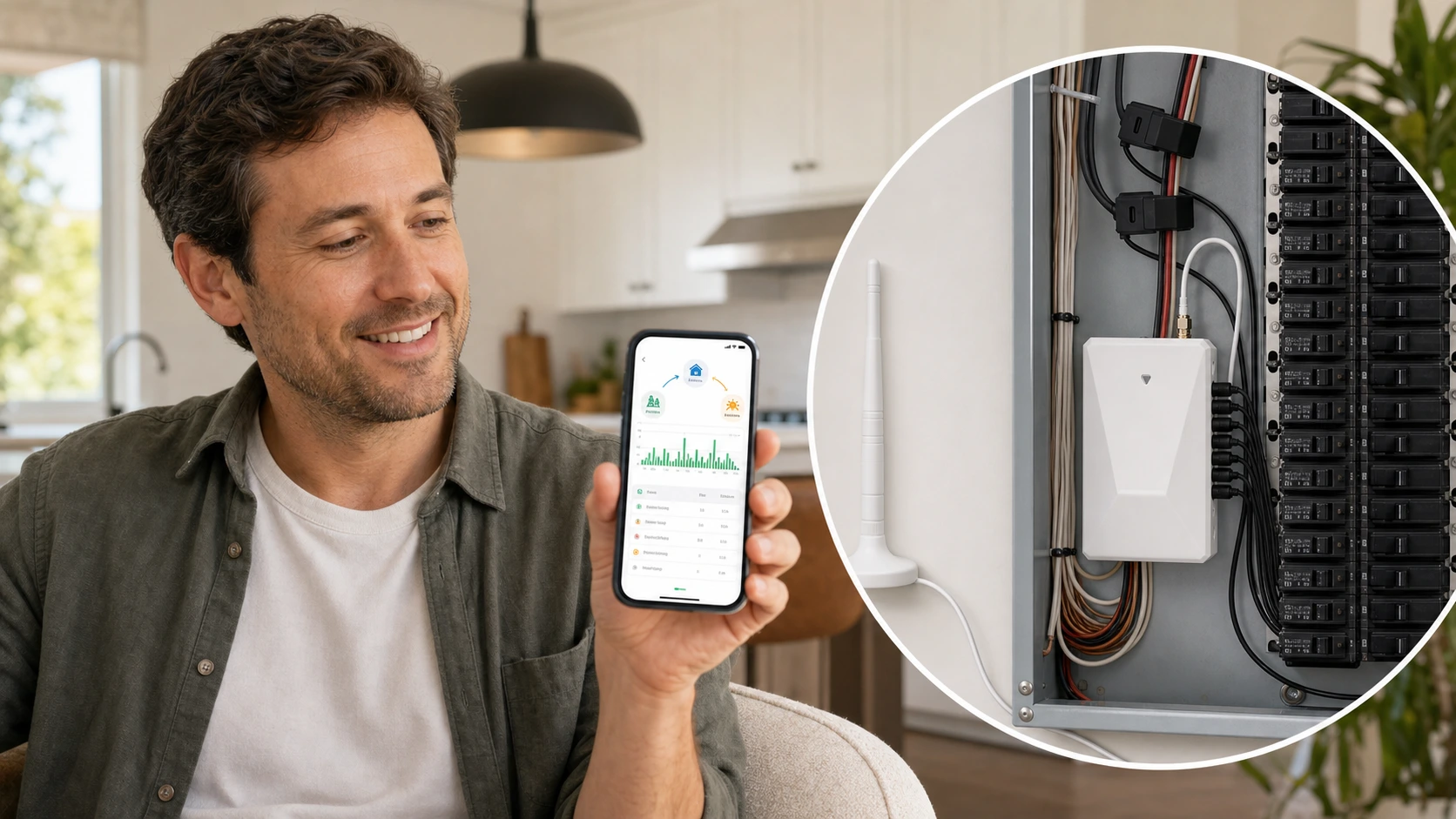
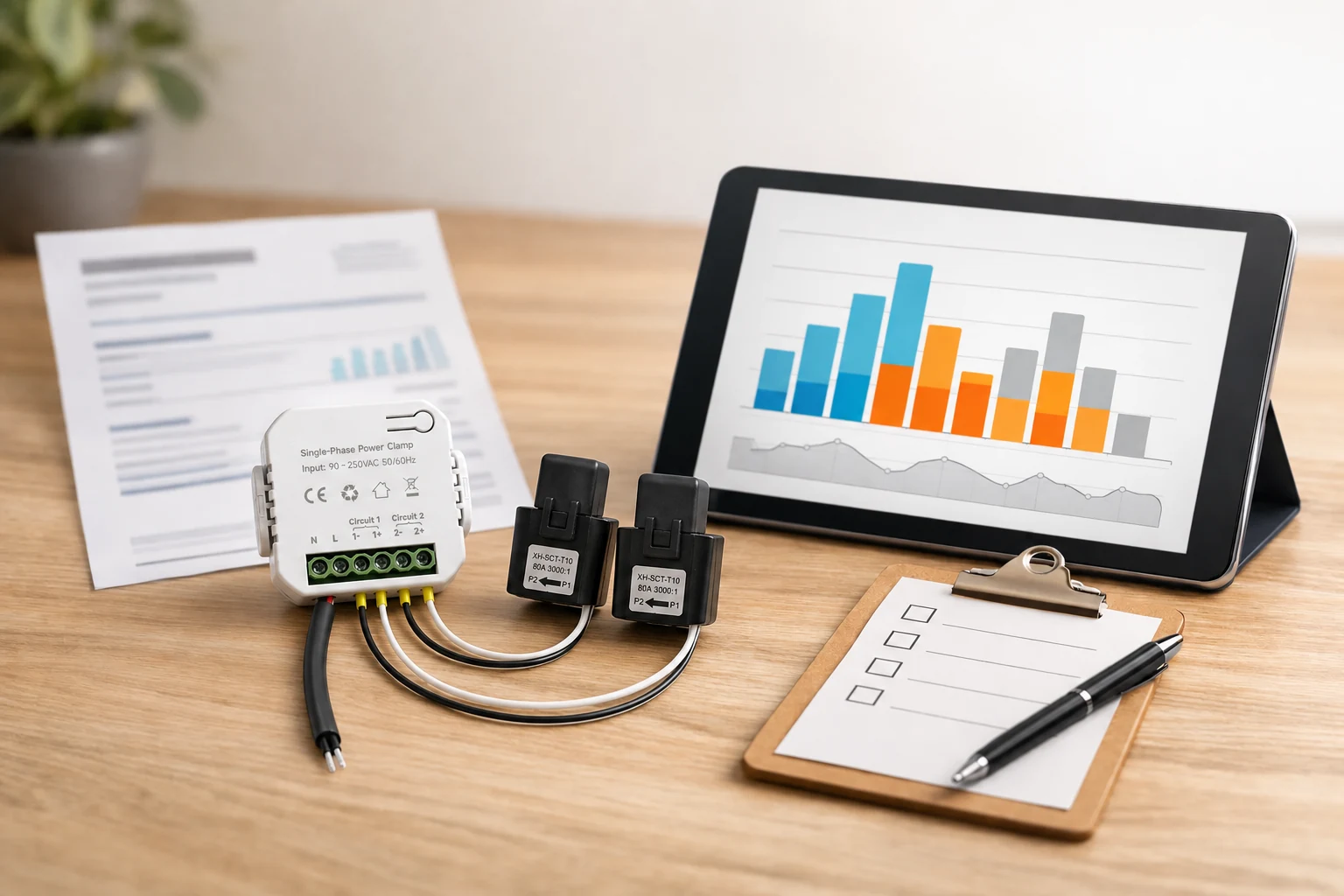
Choose an Energy Monitor Around the Question You Need Answered
Choose a home energy monitor by comparing monitoring scope, panel context, CT fit, app visibility, installation responsibility, and support documents.
Read guide →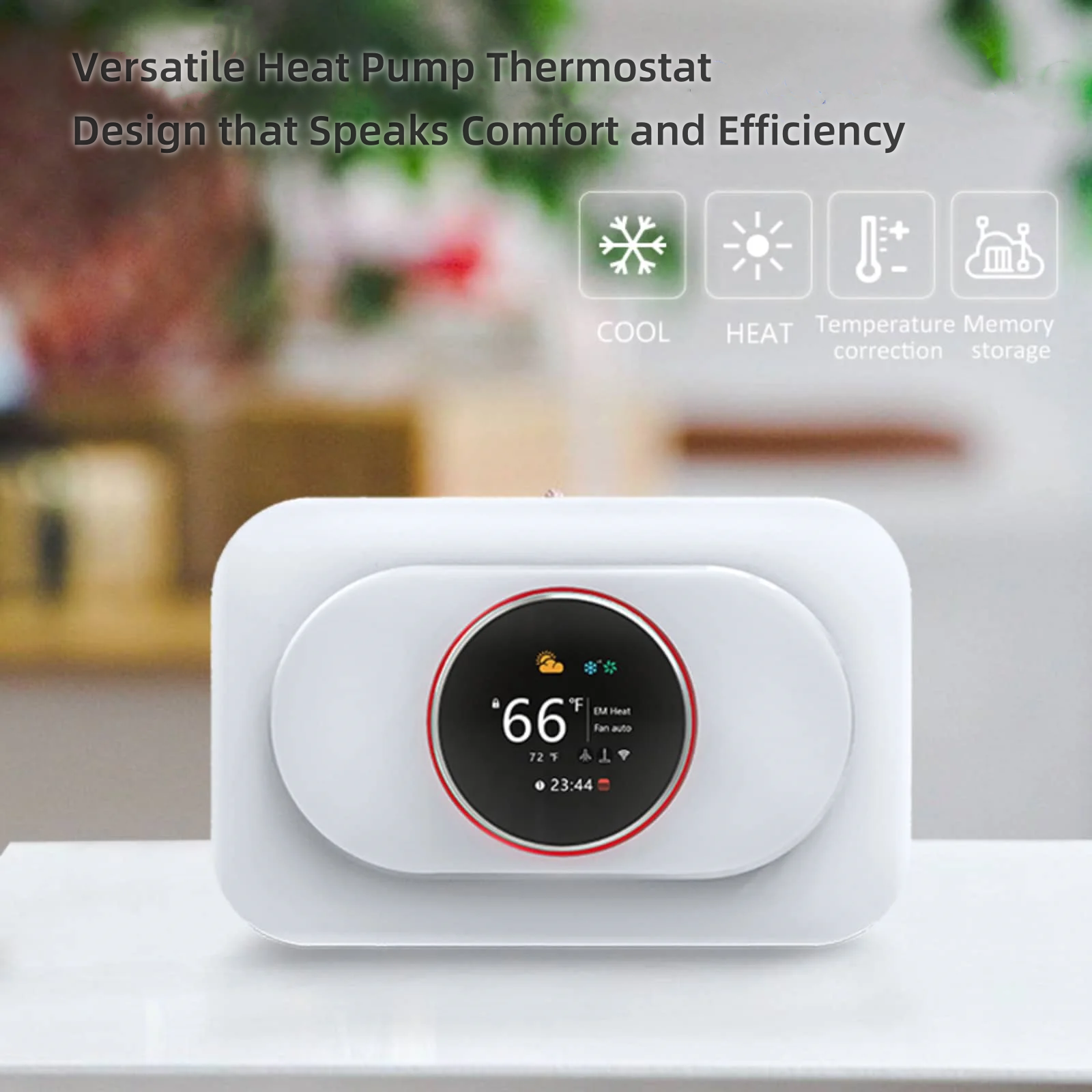
Choose a Thermostat by Heating System, Not by Screen Design
Choose a smart thermostat by checking heating type, voltage category, wiring, load, system functions, app needs, and installation responsibility.
Read guide →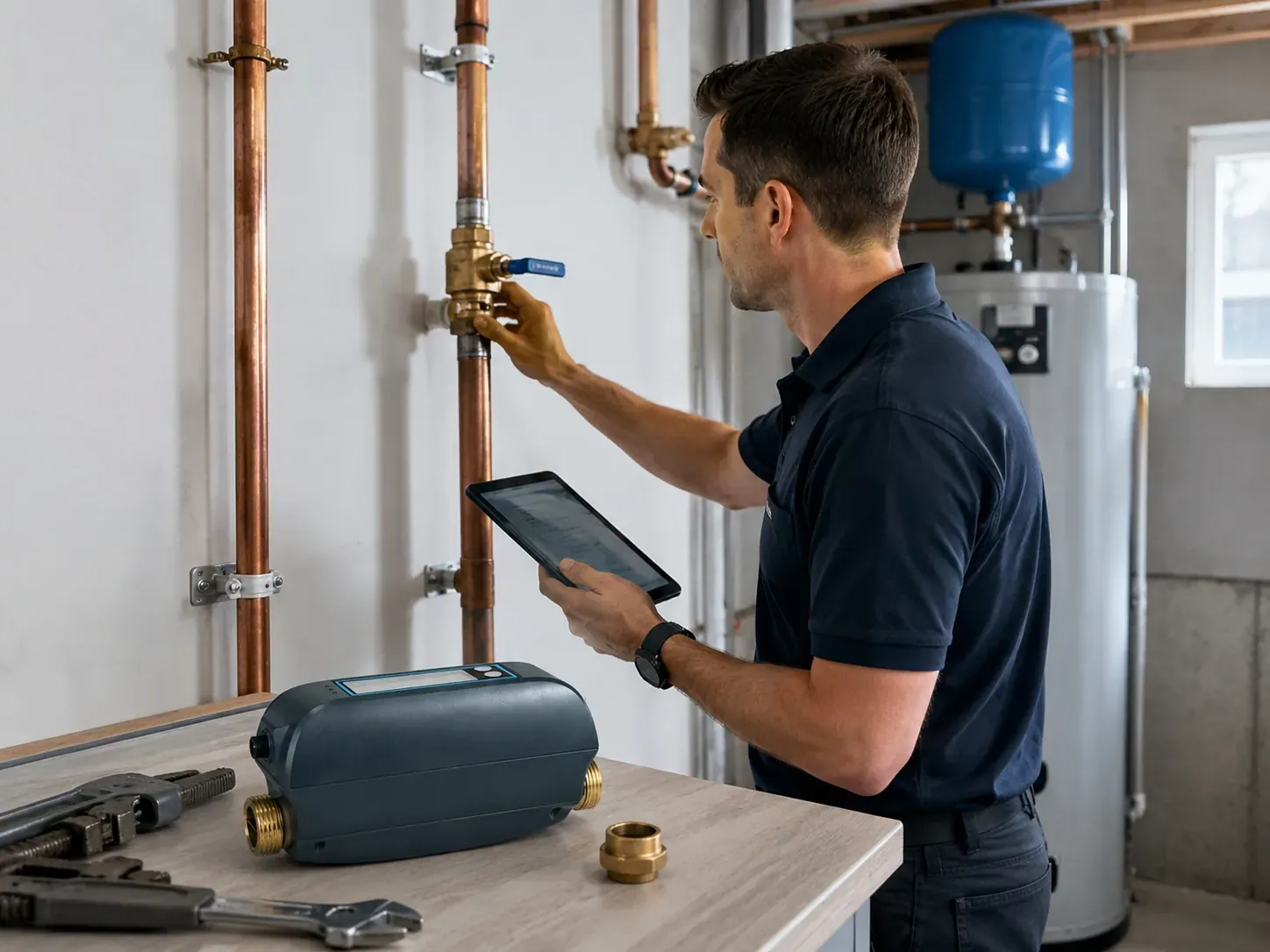
Check the Main Shutoff Before Planning Smart Water Control
Prepare valve type, condition, dimensions, pipe arrangement, clearance, utilities, access, and response ownership for installer-supported water control review.
Read guide →Find the answer by home system.
Every guide below leads to a published resource. Choose a topic, then narrow the question by product fit or use case.
See where electricity goes
Energy monitoring
Choose a measurement scope, understand panel context, and decide what the data should help you answer.
Shop energy monitors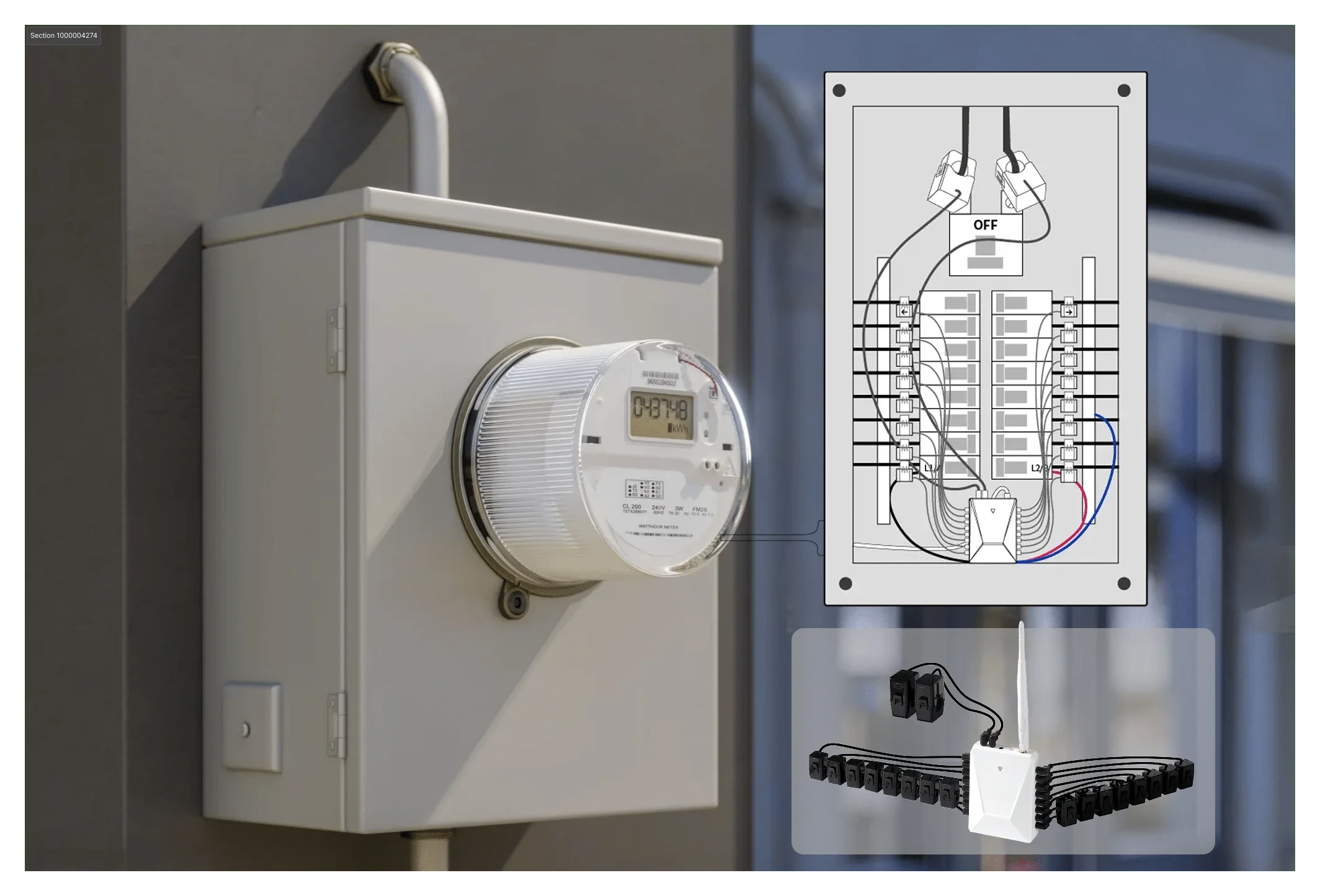
Understand 120V and 240V Before Choosing a Device
Review voltage context for energy monitors and thermostats without turning a buying guide into installation instructions.
Check Split-Phase Monitoring Fit
Understand service context, CT clamp planning, panel space, and the installation questions to resolve before ordering.
Choose an Energy Monitor Around the Question You Need Answered
Choose a home energy monitor by comparing monitoring scope, panel context, CT fit, app visibility, installation responsibility, and support documents.
Panel Energy Monitor or Smart Plug: Start With Measurement Scope
Compare panel energy monitors and energy-monitoring smart plugs by measurement scope, installation boundary, data context, and best-fit questions.
A High Electric Bill Is a Signal, Not a Diagnosis
Review a high electric bill by separating billing changes from usage patterns, comparing time windows, and using energy data to narrow the next question.
Plan the Circuits Before You Add Monitoring Channels
Plan multi-circuit energy monitoring by defining channel goals, CT scope, panel fit, service context, app organization, and installation responsibility.
Choose the right control
Smart heating
Start with the heating system, then check voltage, wiring, load, supported functions, and installation responsibility.
Shop smart thermostats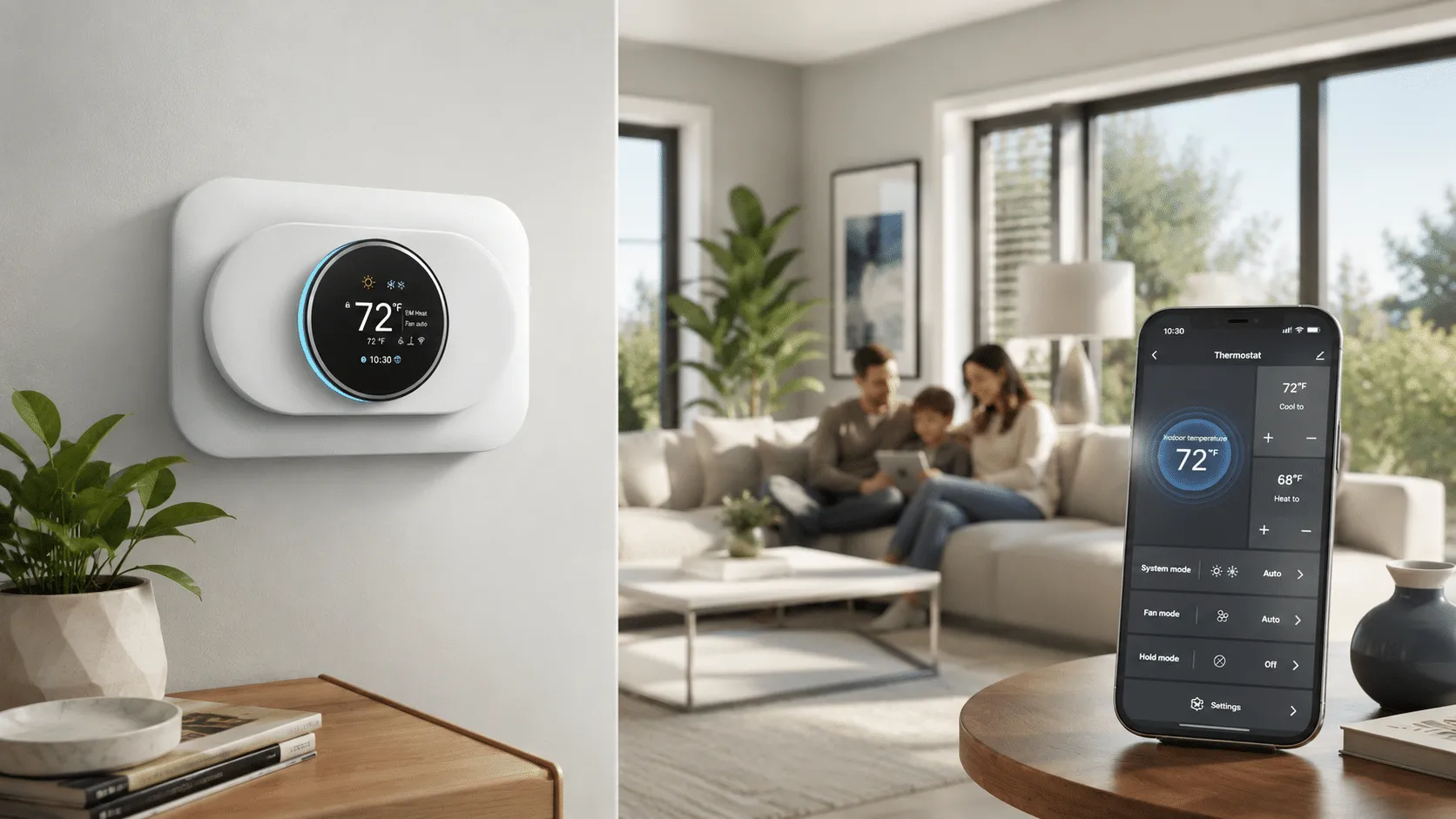
Check Baseboard Thermostat Compatibility
Review heating type, voltage, load, wiring context, and professional installation boundaries before choosing a thermostat.
Line Voltage or Low Voltage: Start With the Heating System
Separate the two thermostat categories before comparing controls, app features, or product appearance.
Choose a Thermostat by Heating System, Not by Screen Design
Choose a smart thermostat by checking heating type, voltage category, wiring, load, system functions, app needs, and installation responsibility.
Use Wiring Information to Check Fit, Not to Guess Through Installation
Identify baseboard thermostat wiring questions, line and load roles, voltage and load checks, stop conditions, and professional installation boundaries.
Heat Pump Thermostat Fit Depends on the Entire Control System
Check heat pump thermostat fit by reviewing equipment type, stages, auxiliary heat, terminals, power, supported functions, and installation.
Check Thermostat Fit Before Counting on a Rebate
Check current smart thermostat rebates without skipping system compatibility, exact-model eligibility, installation rules, and application timing.
Plan detection and response
Water protection
Compare sensing and shutoff roles, confirm valve fit, and prepare the site before planning a supported installation.
Shop water protection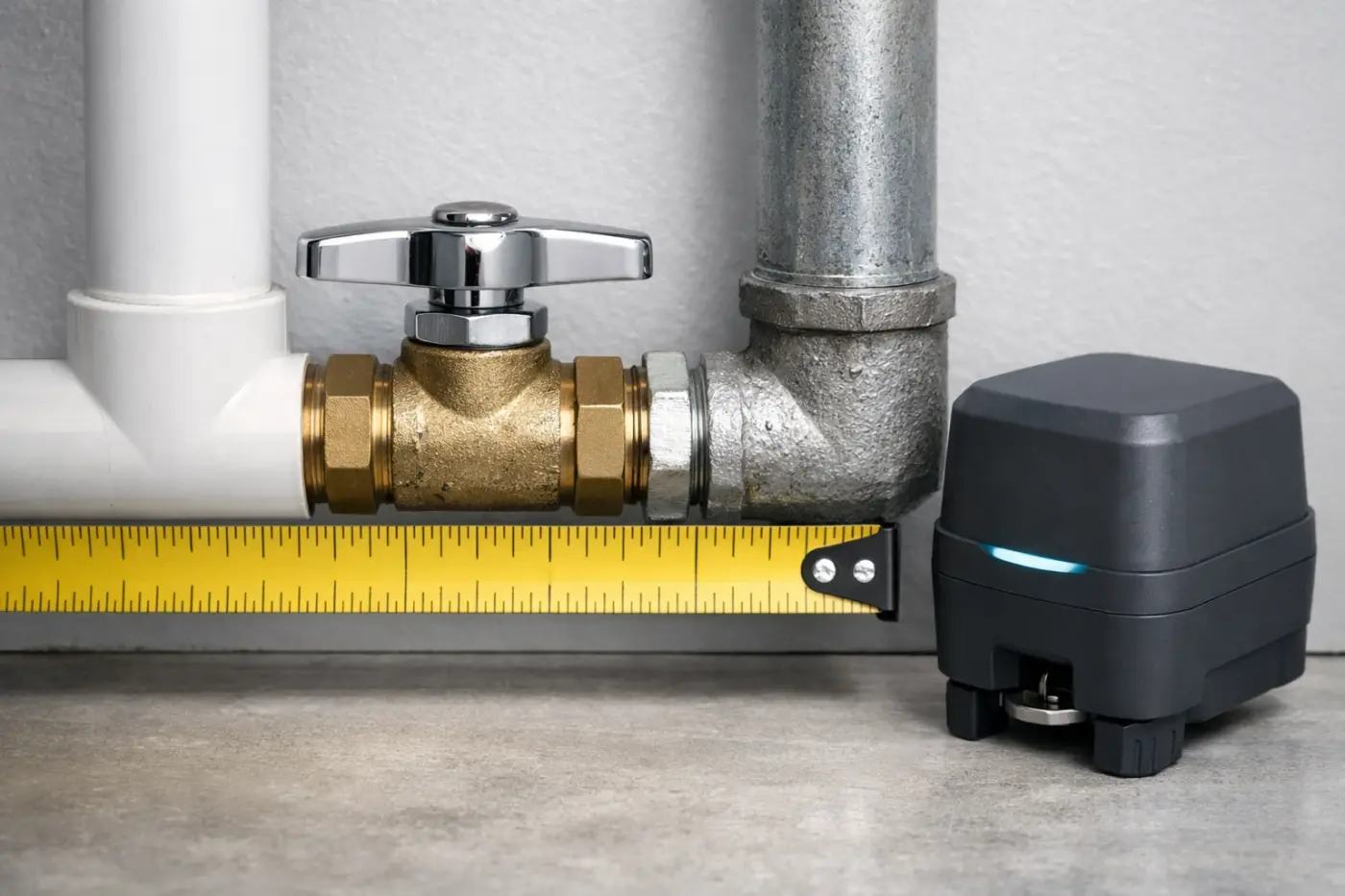
Leak Detector or Shutoff Valve: Choose the Right Response
Compare leak detection and water shutoff by sensing role, response path, valve fit, placement, connectivity, and installer responsibility.
Remote Water Alerts Still Need a Local Response Plan
Plan vacation-home water protection by mapping leak risks, remote alerts, shutoff fit, connectivity, local response, and installer responsibilities.
Prepare the Site Before a Water Shutoff Installation
Prepare an installer-supported water shutoff project by documenting valve type, pipe context, clearance, power, connectivity, commissioning, and responsibility.
Plan the Leak Detector and Water Valve as One Response System
Plan a smart water valve and leak detector by defining component roles, event logic, valve fit, connectivity, commissioning, and installer responsibilities.
Choose a Water Shutoff System Around Fit and Response
Choose a smart water shutoff path by reviewing valve fit, leak detection, response ownership, installation responsibility, app dependencies, and partner support.
Check the Main Shutoff Before Planning Smart Water Control
Prepare valve type, condition, dimensions, pipe arrangement, clearance, utilities, access, and response ownership for installer-supported water control review.
Verify claims and boundaries
Safety and connected home
Use source-backed guidance for detector categories, urgent gas-smell actions, and local-control questions.
View product manuals
Verify Home Assistant and Local Control Before You Buy
Verify Home Assistant and local-control claims through exact models, documented integrations, entity coverage, dependencies, and failure behavior.
If You Smell Gas, Leave the Area Immediately
Safety-first steps for a suspected natural gas or propane leak: leave, avoid ignition sources, and contact local emergency help from a safe location.
Match the Detector to the Hazard: Natural Gas, Propane, or Carbon Monoxide
Understand why natural gas, propane, and carbon monoxide require hazard-specific detector documentation, placement, testing, and emergency response.
Four checks prevent the wrong product choice.
A product feature matters only after it matches the home, the intended job, and the person responsible for installation.
- 01
Define the question
Decide whether you need visibility, control, detection, or a supported response path.
- 02
Confirm product fit
Check the home system, physical space, utilities, and exact product documentation.
- 03
Set the work boundary
Identify what you can review yourself and what needs a qualified installer or local authority.
- 04
Choose the next step
Continue to a product, comparison, manual, support request, or installer-supported path.
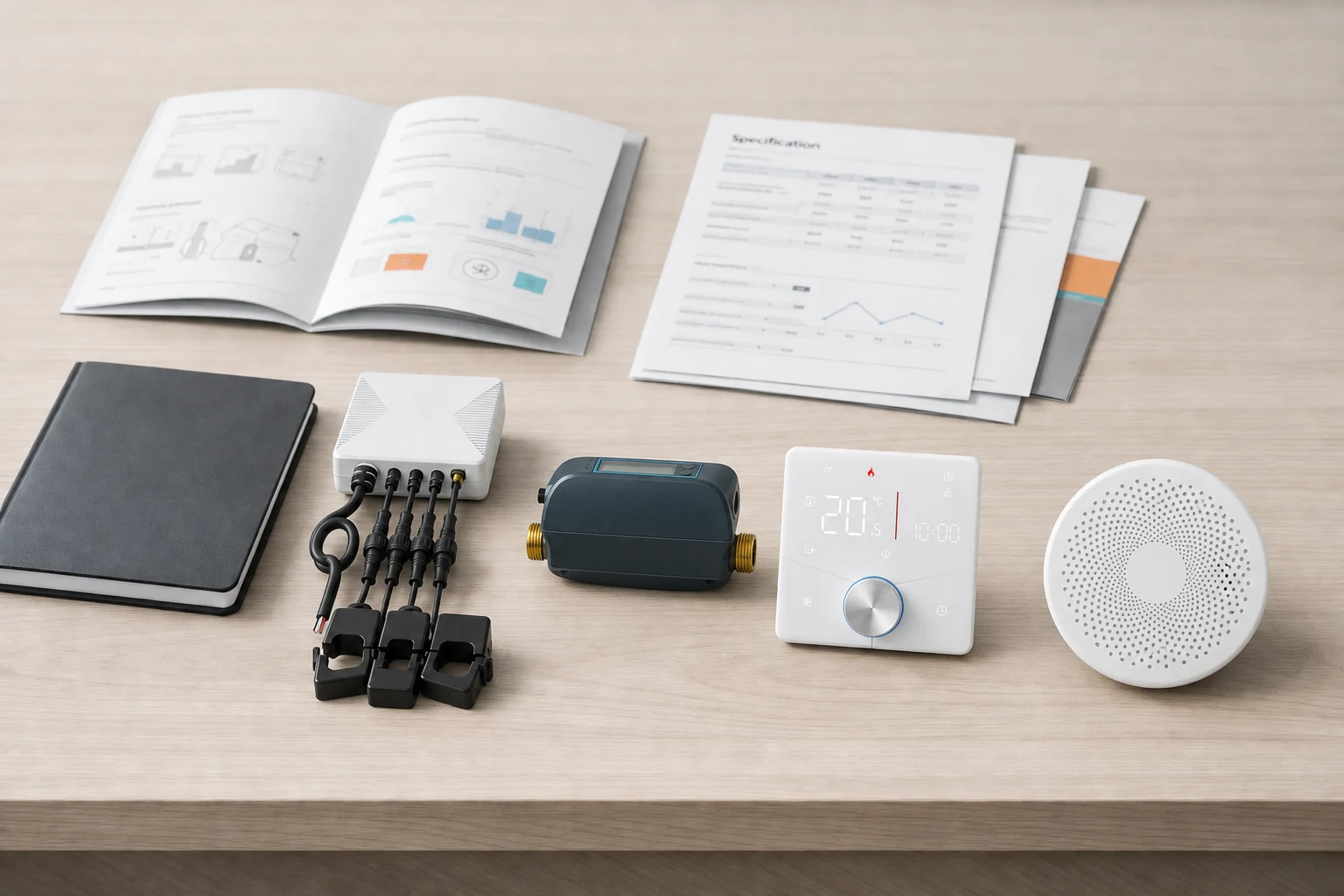
Move from research to the right source.
Use product documents for exact model details, support for an unresolved question, or the Blog for broader home energy reading.
Questions before choosing a guide
What should I check before buying a home energy product?
Start with the problem you want to solve, then check product fit, installation responsibility, product documents, and the support path for any unresolved question.
Which guide should I read before choosing an energy monitor?
Start with the Energy Monitor Buying Guide. Use the split-phase and 120V / 240V guides when service type, panel context, or voltage is still unclear.
Which guide should I read before choosing a thermostat?
Start with the Smart Thermostat Buying Guide, then use the baseboard, heat pump, or line-voltage comparison guide that matches the home's heating system.
Do these guides replace professional installation advice?
No. They help organize buying and compatibility questions. Product instructions, local rules, and qualified professionals remain the authority for installation work.