
Electric bill review
A High Electric Bill Is a Signal, Not a Diagnosis
Separate billing changes from household usage, compare the right time windows, and use monitoring data to narrow the next question without promising automatic savings.
The decision in one minute
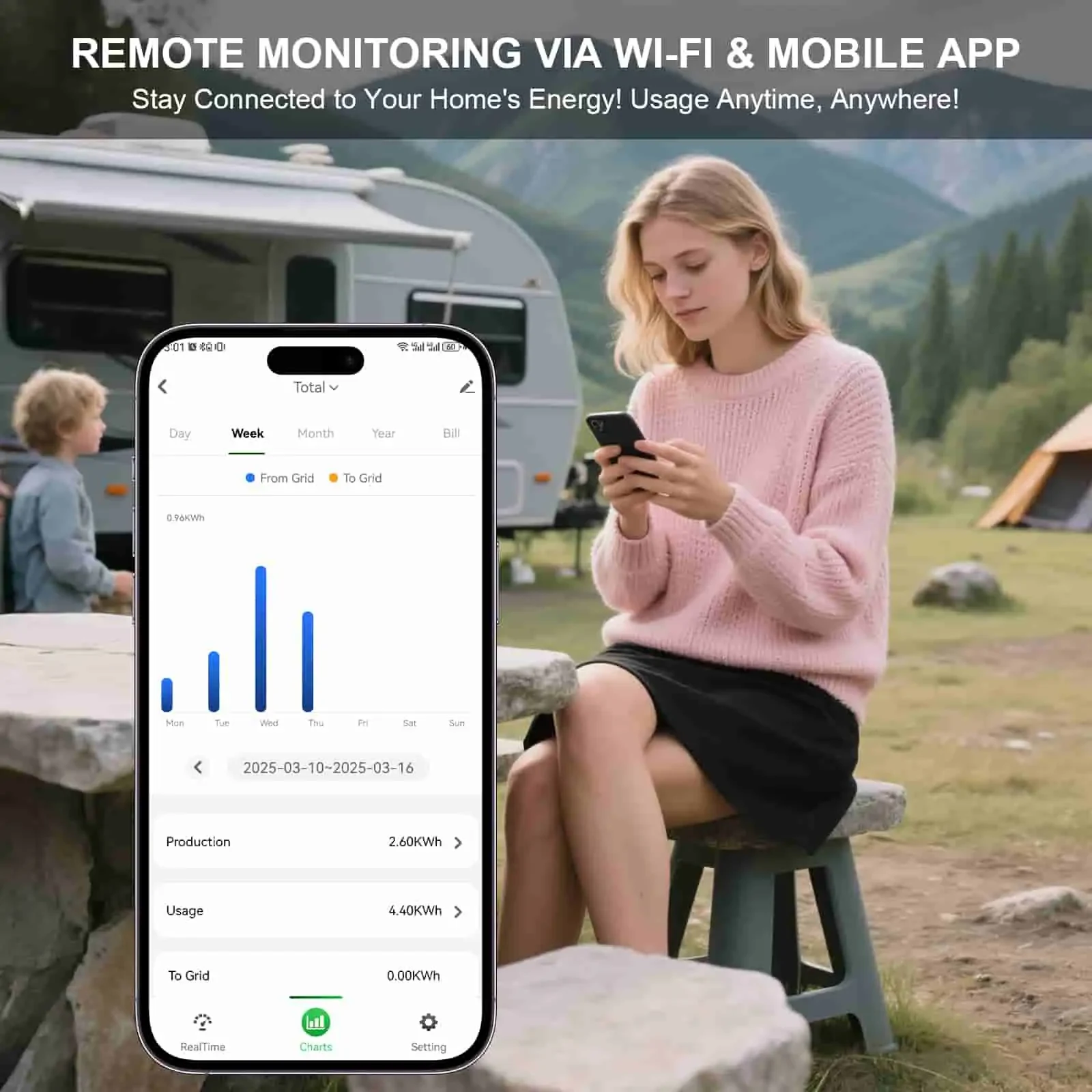
Start by checking the billing period, rate or fee changes, weather, occupancy, and major household changes. Then compare usage at similar times and look for persistent baseload, new peaks, or longer operating periods. Energy monitoring can make patterns visible, but it does not prove the cause or guarantee savings.
Check these four areas first.
Bill period
Compare billing days, rate changes, fees, and estimated versus actual readings where the utility provides them.
Household context
Note weather, occupancy, equipment changes, guests, charging, and other changes during the same period.
Usage pattern
Look for a higher baseline, recurring peaks, or equipment running for longer periods.
Safe verification
Use qualified service when the likely cause involves fixed electrical or HVAC equipment.
01
Determine whether the change is billing, usage, or both.
A larger total can come from more electricity use, a different rate, a longer billing period, added fees, or several changes at once. Reviewing only the final dollar amount hides that distinction.
Use the utility bill as the starting document, then compare usage only across periods that are reasonably similar.
| Review area | Look for | Next question |
|---|---|---|
| Billing | Billing days, rate, fees, reading type | Did the cost change even if usage did not? |
| Weather and occupancy | Heating or cooling demand, people at home, travel | Was the household operating differently? |
| Equipment | New devices, maintenance issues, longer run time | Did a major load or schedule change? |
| Daily pattern | Baseload, peaks, overnight use, recurring time windows | When did the additional use appear? |
02
Move from the bill to a repeatable pattern review.
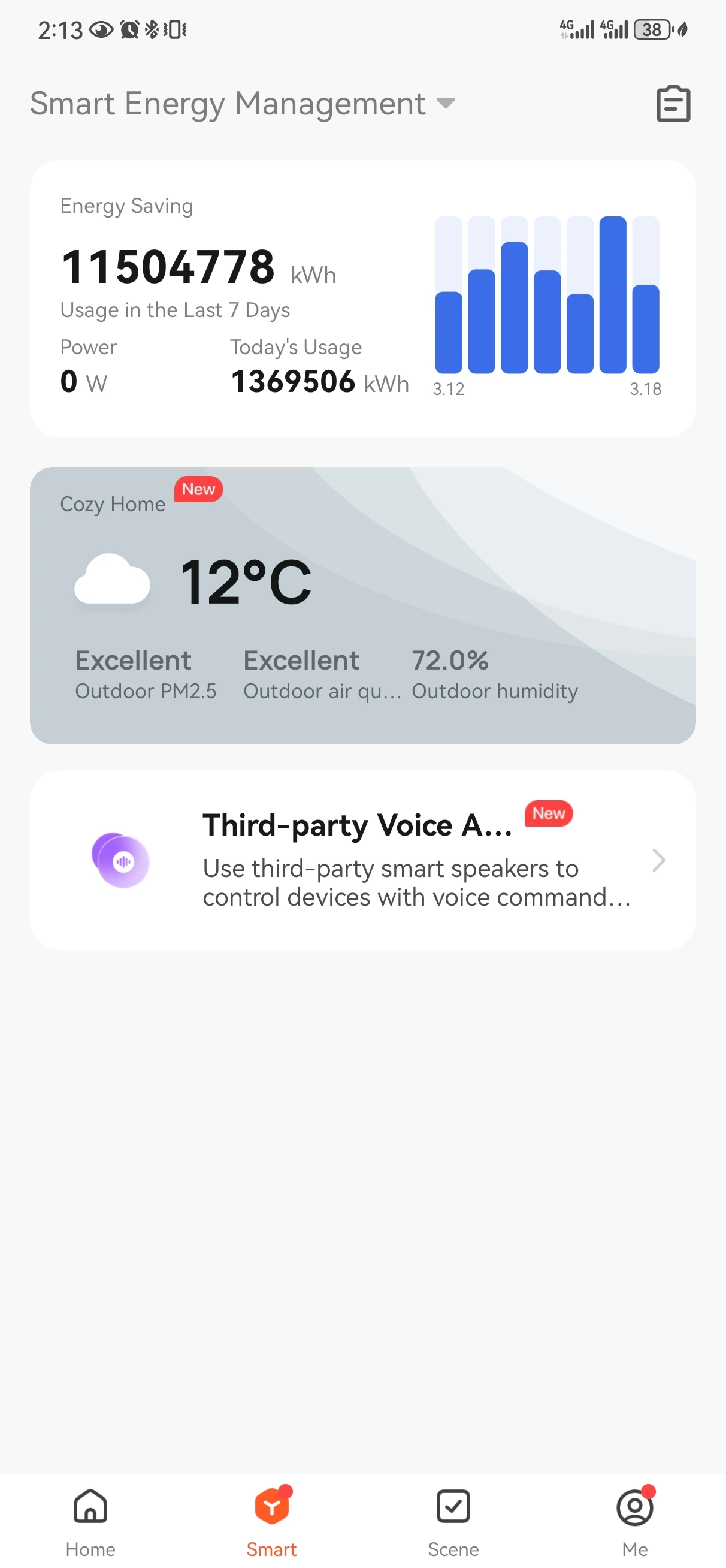
A single spike can be noise. A repeated change across comparable days is a stronger reason to investigate the corresponding time window or configured circuit.
-
Confirm the comparison
Use comparable billing periods or days and record the important household differences.
-
Find the time window
Identify whether the change is persistent, overnight, seasonal, or concentrated around a repeated activity.
-
Narrow the load category
Use configured circuit or appliance context without claiming certainty that the data does not provide.
-
Verify safely
Check schedules and user-visible settings; route fixed equipment or electrical concerns to qualified service.
03
Look for changes that repeat, not just one dramatic moment.
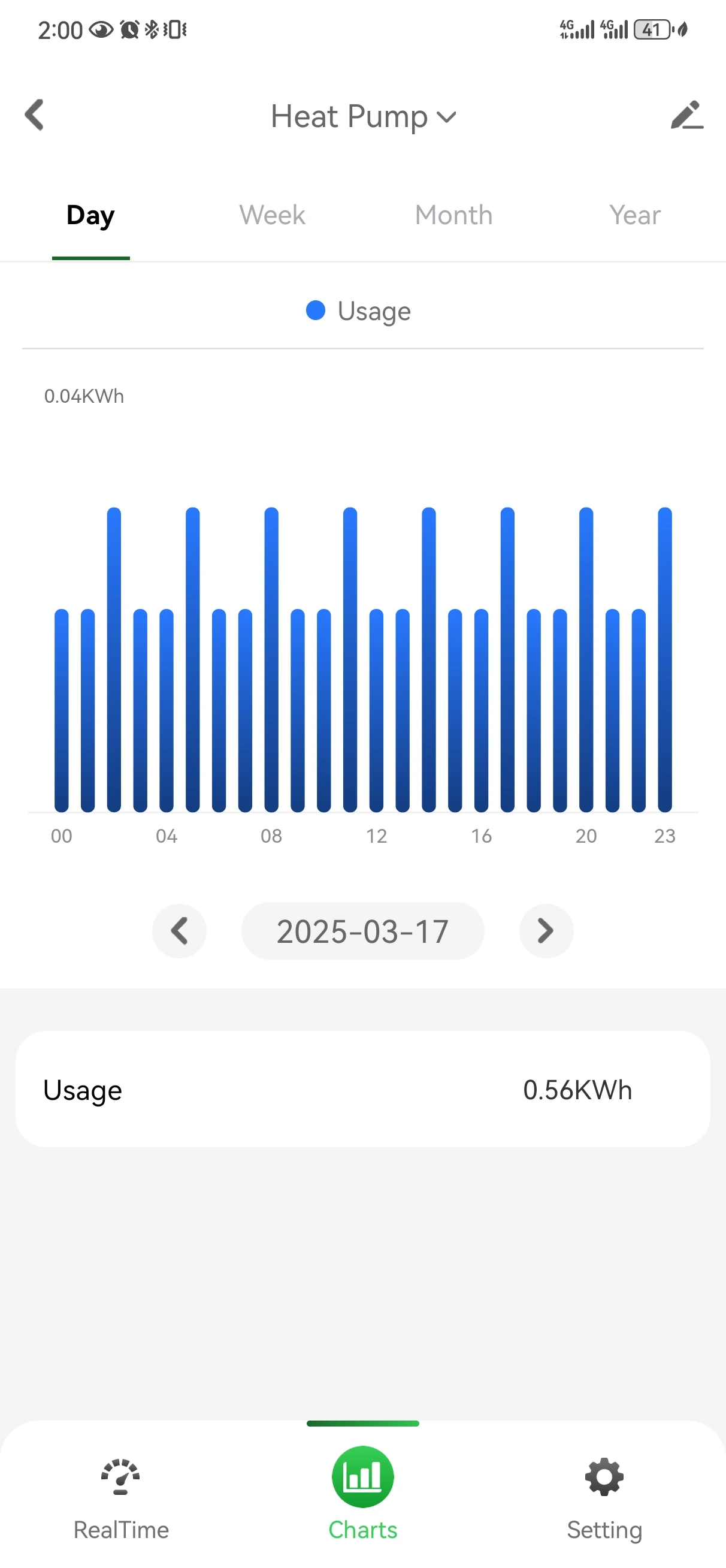
A higher baseline can point to a load that is operating for more hours. Repeated peaks can point to scheduled or behavior-driven use. Weather-linked changes can shift heating or cooling demand.
These patterns guide the next question; they do not establish equipment condition, billing error, or guaranteed savings on their own.
Persistent baseline
The home appears to use more power even during otherwise quiet periods.
Repeated peaks
A similar increase appears at a recurring time or activity.
Longer operating window
A load appears to remain active longer than in a comparable period.
Seasonal shift
Usage changes alongside weather and household comfort demand.
04
Use monitoring to decide what deserves attention next.
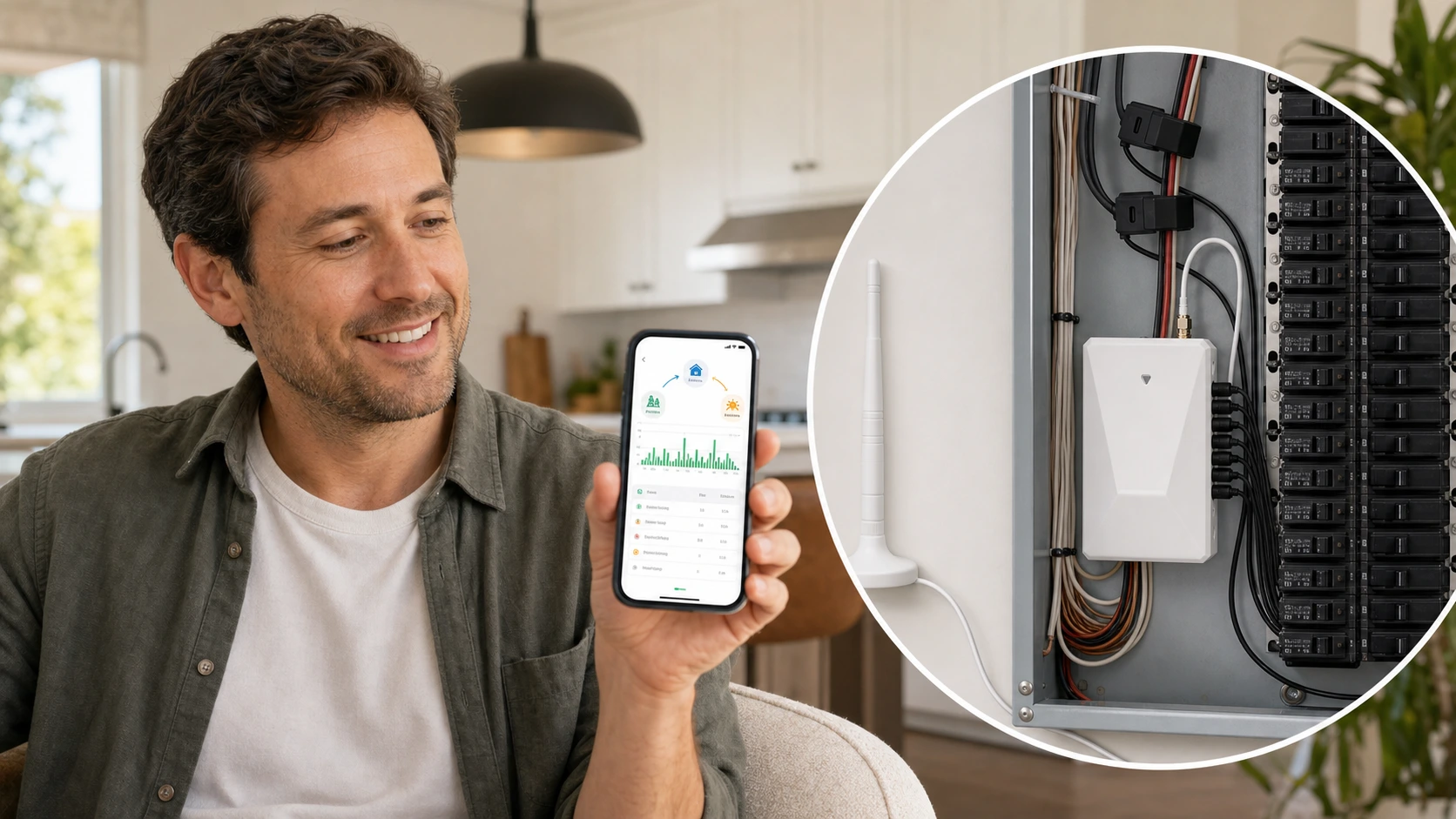
If the problem remains broad, an energy monitor can help establish household and configured circuit context. If the pattern points to fixed HVAC or electrical equipment, use the appropriate qualified service path.
05
Questions people ask before the next step
Why did my electric bill increase?
Possible contributors include billing period or rate changes, weather, occupancy, new loads, longer equipment run time, and household schedule changes. Review the bill and usage pattern before assuming one cause.
Can an energy monitor prove what caused a high bill?
No. It can make timing and configured channel patterns more visible, but further review may be needed to verify the cause.
What pattern should I look for first?
Start with a higher persistent baseline, recurring peaks, longer operating windows, or a seasonal change across comparable periods.
Does energy monitoring guarantee lower bills?
No. Visibility can support better investigation and decisions, but it does not guarantee a particular savings result.
Choose a product only after the fit questions are clear.
Open the relevant product page when the fit is clear, or contact support with the model and installation details that still need an answer.