
System type
Confirm whether the thermostat is intended for the heating system.
Baseboard heating can be thermostat-sensitive. Check heating type, voltage, load and manual requirements before choosing a smart control path.
A smart thermostat may fit some baseboard heating systems only when voltage, load, wiring and product specifications match.
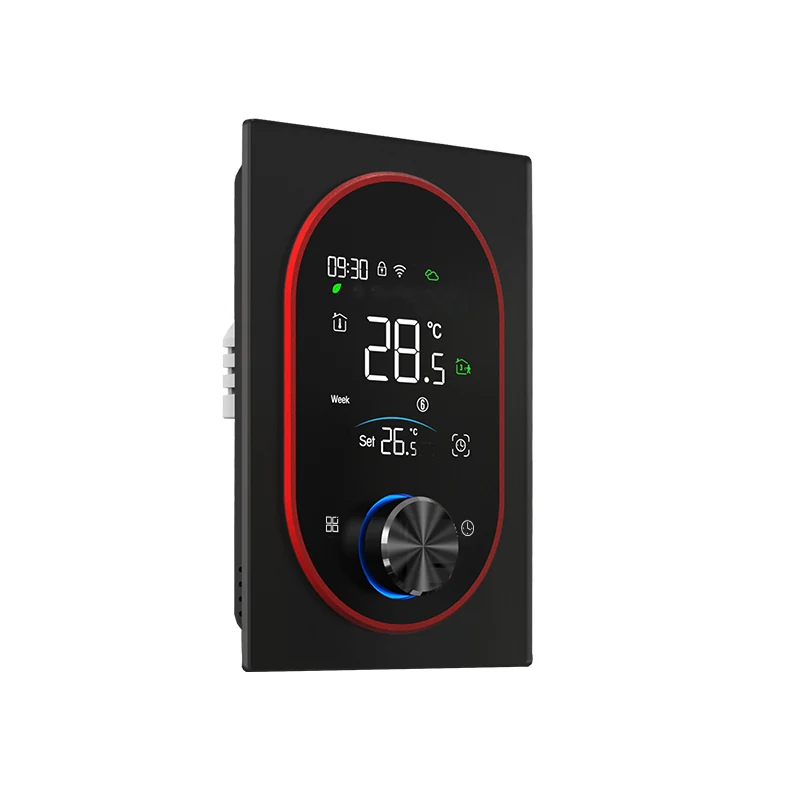
This guide helps buyers collect the information needed before using the Smart Thermostat product page.
A smart thermostat should not be chosen from appearance alone. Baseboard heat can involve voltage, load and wiring requirements that must match the product.
Before continuing to the product page, confirm heating type, voltage, load, wiring context, and installation requirements.
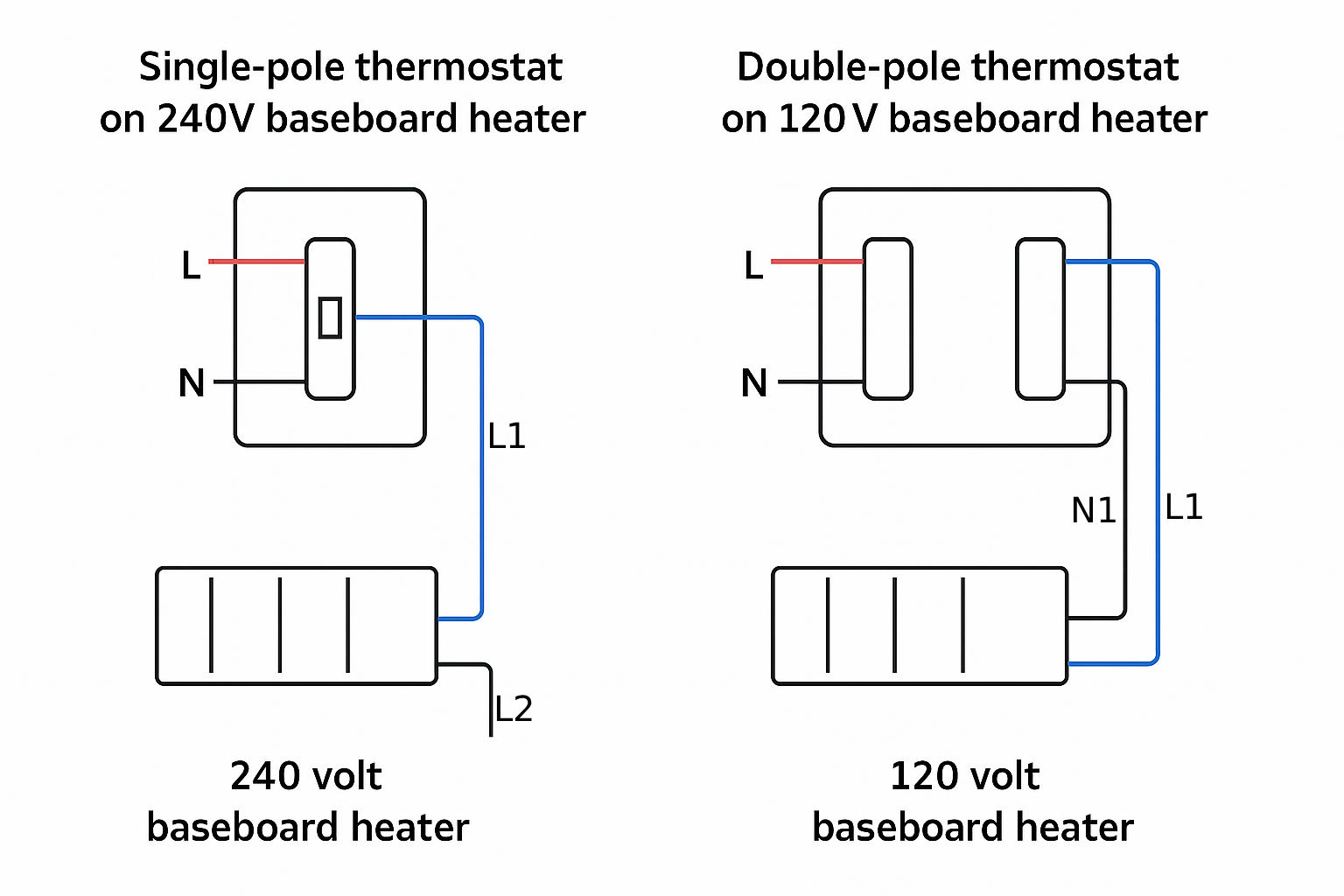
The key checks are heating type, voltage class, electrical load, wiring situation, manual guidance and whether a professional should be involved.
Do not open wall boxes or handle wiring based on a website guide.
Confirm whether the thermostat is intended for the heating system.
Check product-specific requirements before buying.
Use a qualified professional when wiring or local rules apply.
Support is more useful when the request includes product interest, heating type, existing thermostat information, photos of safe visible labels if appropriate, and the question to resolve.
Grus pages do not replace a qualified professional, local code review, emergency service, or final product documentation.


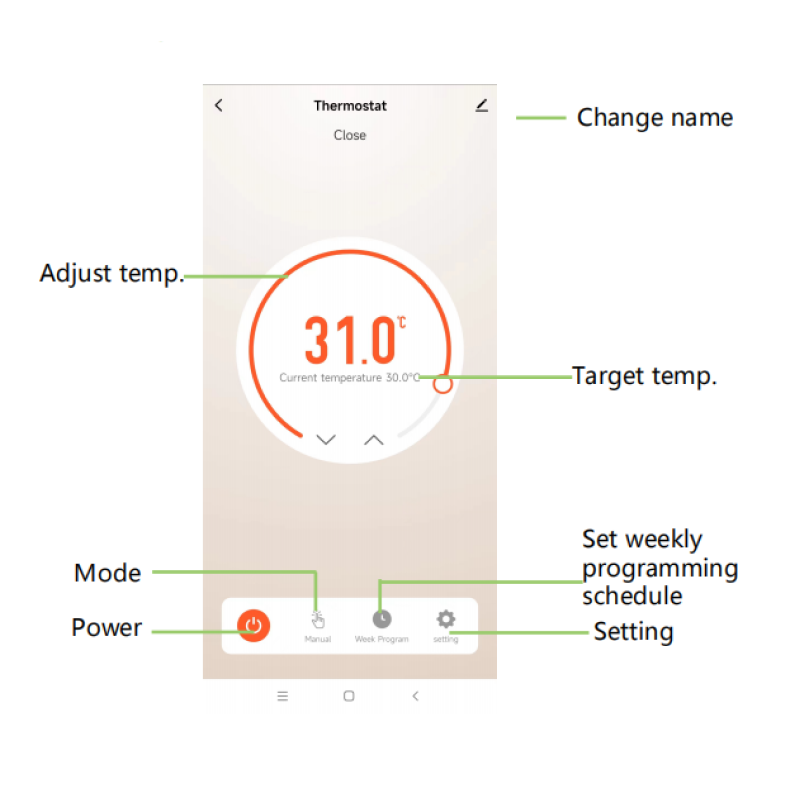

It may work only when the heating type, voltage, load, wiring and product specifications match.
Do not assume. Use product documentation, system documentation and professional guidance where needed.
No. It helps with pre-purchase checks; final compatibility depends on product documentation and the actual system.
Contact support when the product page and guides do not clearly answer your system fit question.
Review the thermostat product page when compatibility is credible, or compare voltage types first.