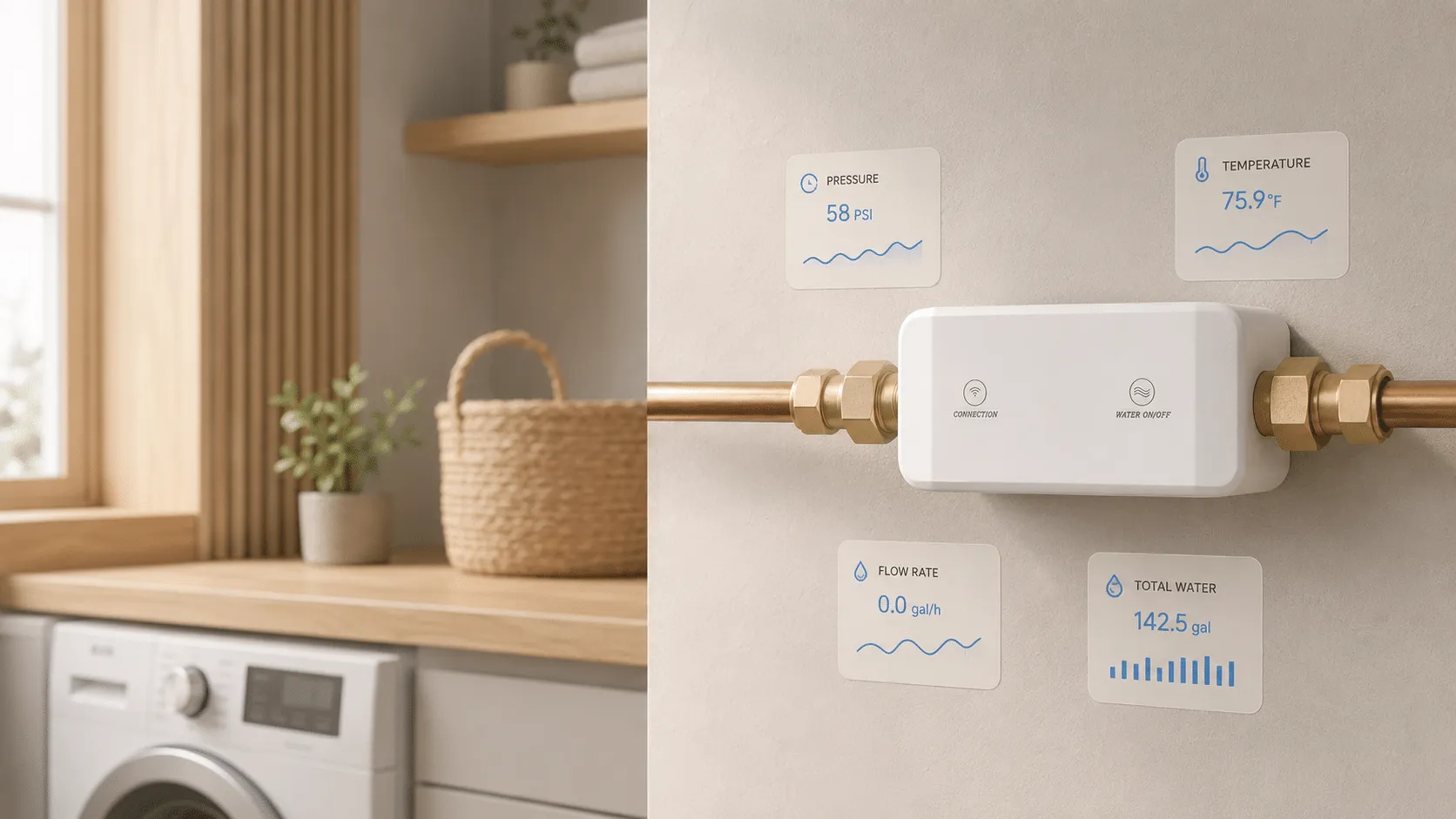
Smart water valve shown in a home laundry area for installer-supported project planning
Products and project support

Smart Water Protection Products

Compare leak detection and compatible shutoff products, then confirm installation ownership and local response.

Active products link to live Shopify variants and checkout. Start with valve and sensor fit; use the qualified partner path when a project needs site-specific scope, installation responsibility, or support handoff.

01Installer supported

Use a local service owner for assessment, installation, and field response.

02Fit before kit

Valve, pipe, access, sensor coverage, power, and network details shape the project.

03Checkout after fit

Choose a live Shopify variant, or request partner help for a site-specific project.

Three project decisions

Decide what should be detected, controlled, and owned locally.

Water protection is a coordinated project rather than one interchangeable device. Use the three paths below to identify what must be reviewed before ordering a product or discussing a larger project.

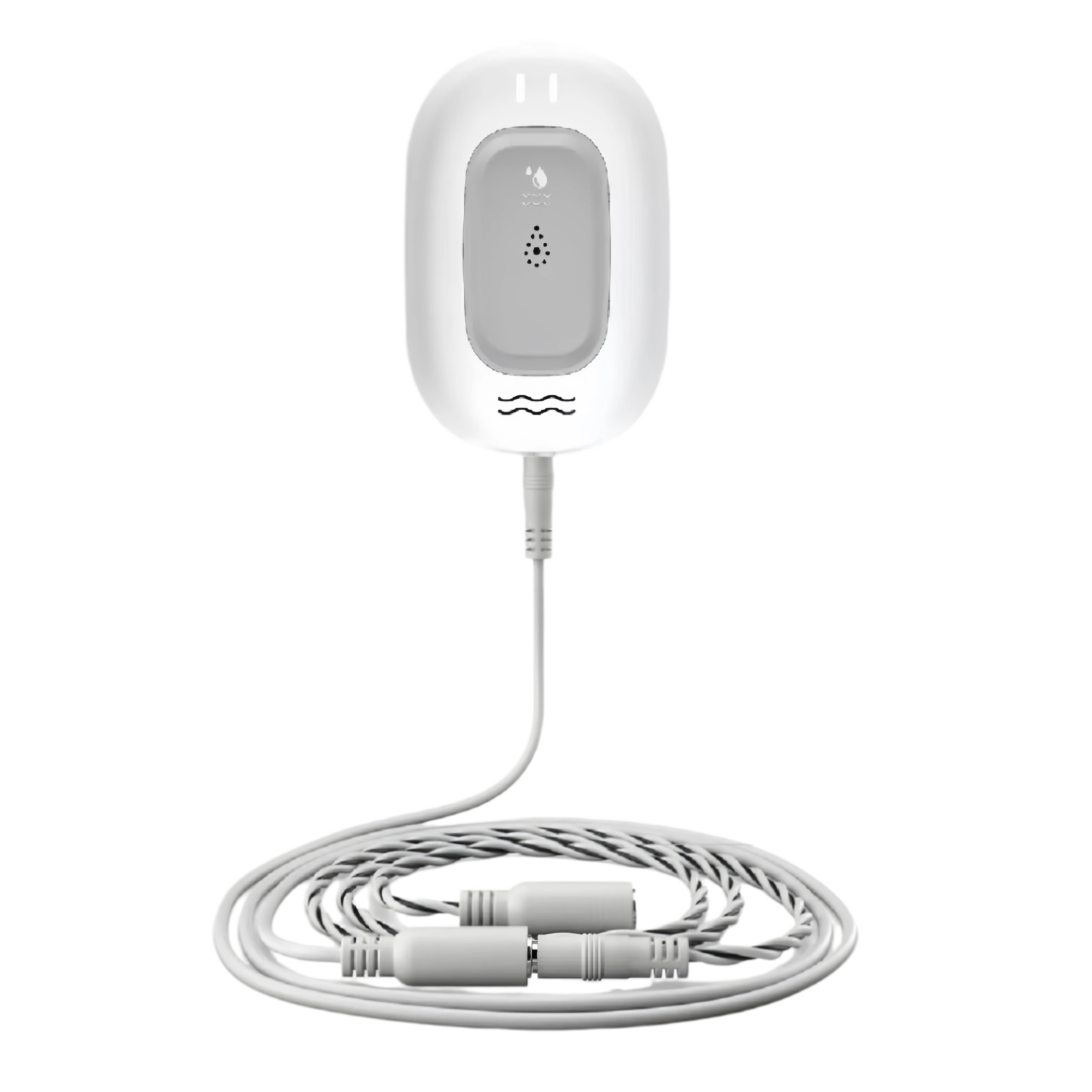
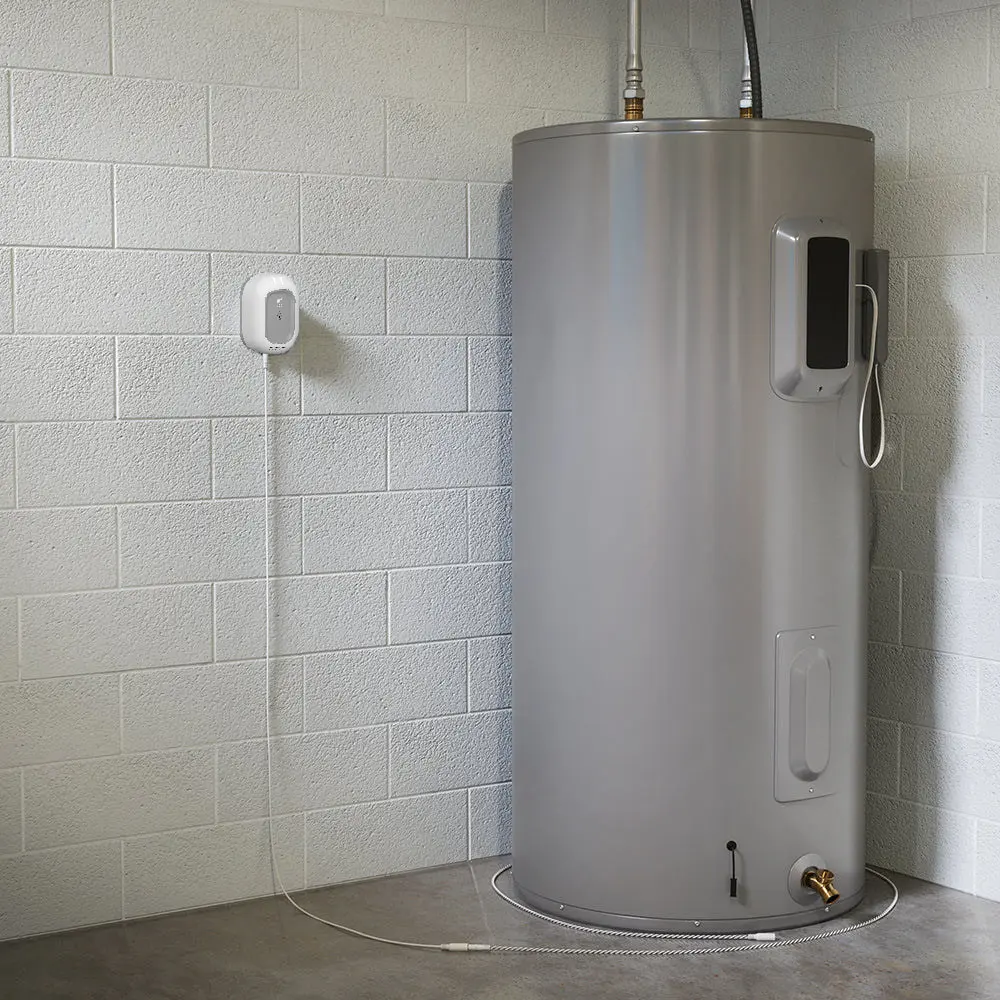
Leak detection cable and phone alert shown in a laundry and water-heater area
01 / Detect

Plan where a leak should be noticed.

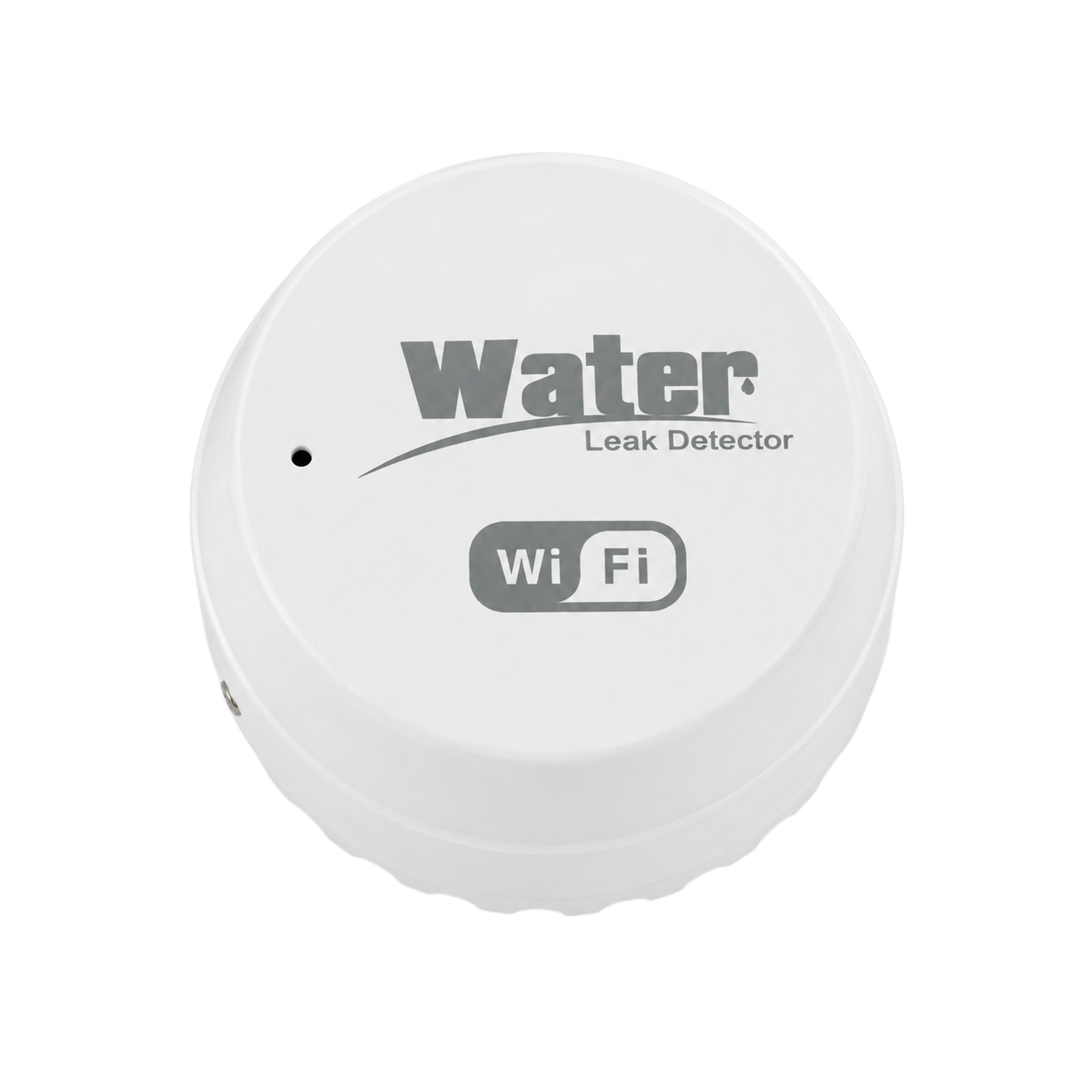
Start with the locations that create the most concern: a water heater, laundry area, sink cabinet, mechanical room, or another point where a compatible sensor can be placed and maintained.

Detection supports alerts. It does not stop water by itself or guarantee that every leak will be found. Review leak detector
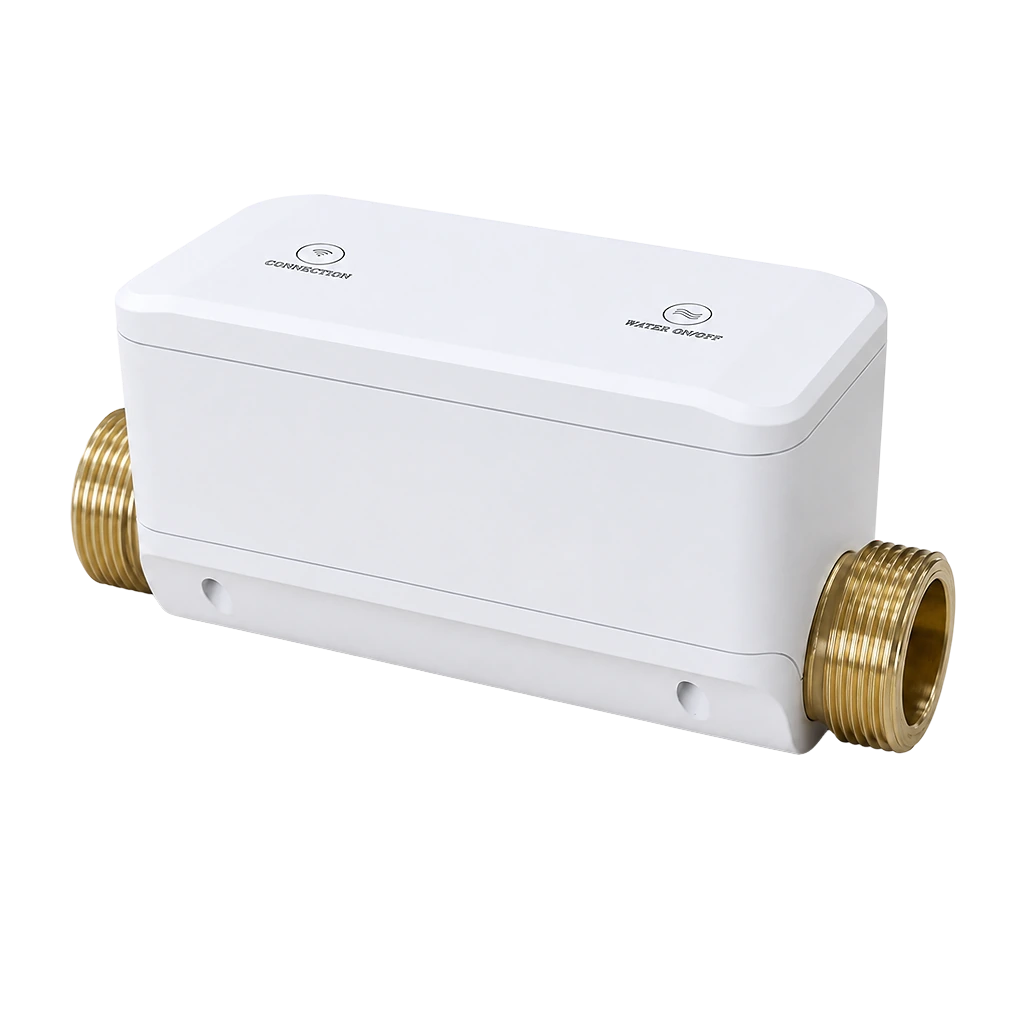
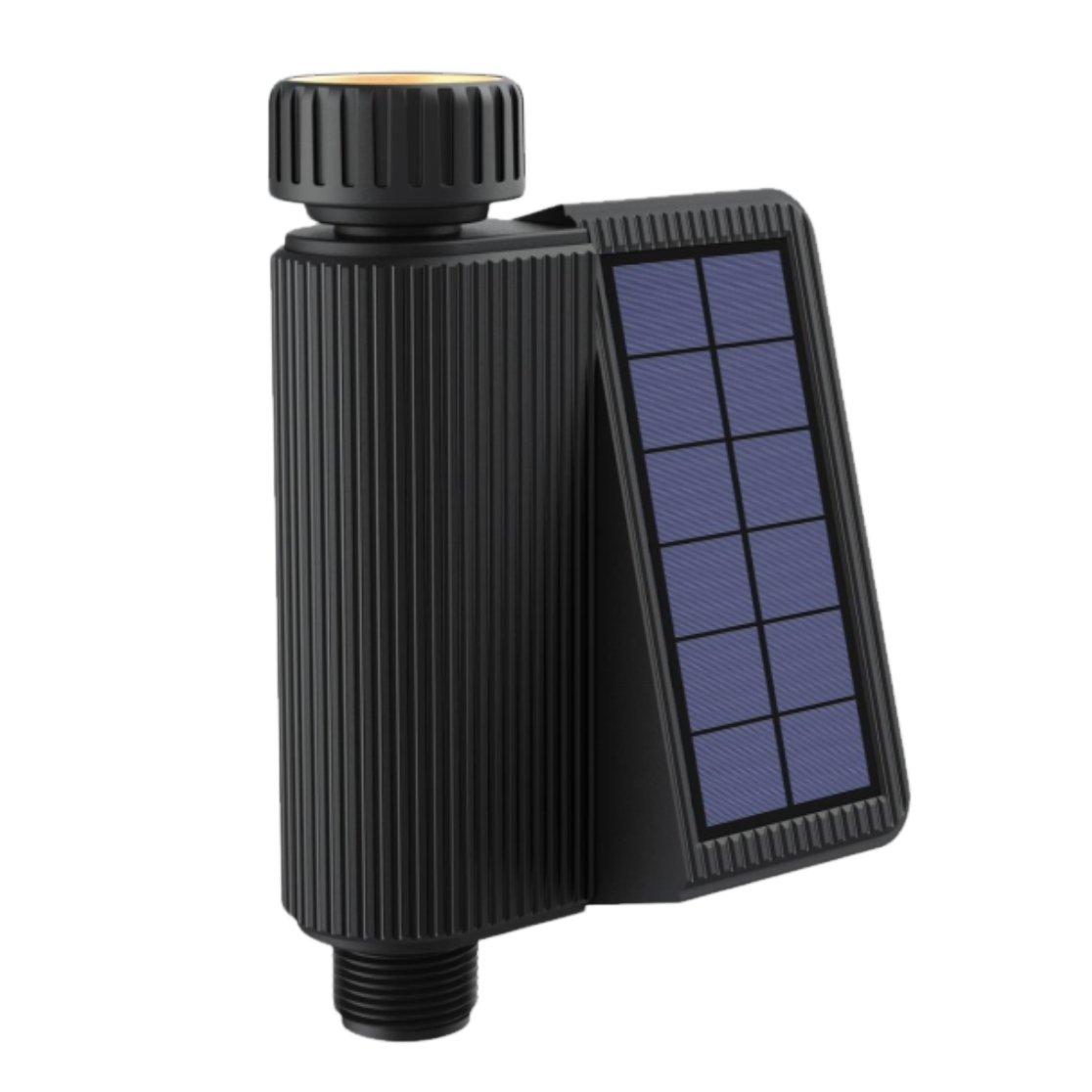
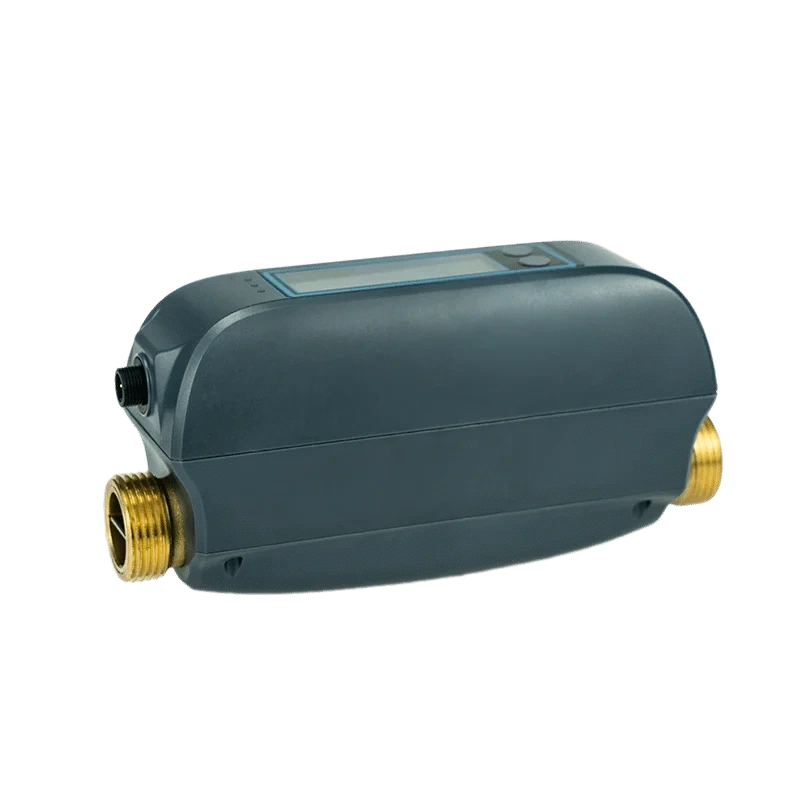
Smart water valve product reference for project-fit review
02 / Control

Verify the shutoff hardware and main-line fit.

A valve actuator or inline device needs the correct valve or pipe context, physical clearance, accessible power and network planning, and a local installation owner who can assess the site.

A product image is not a compatibility result. Valve type, size, condition, and access need project review. Review valve reference
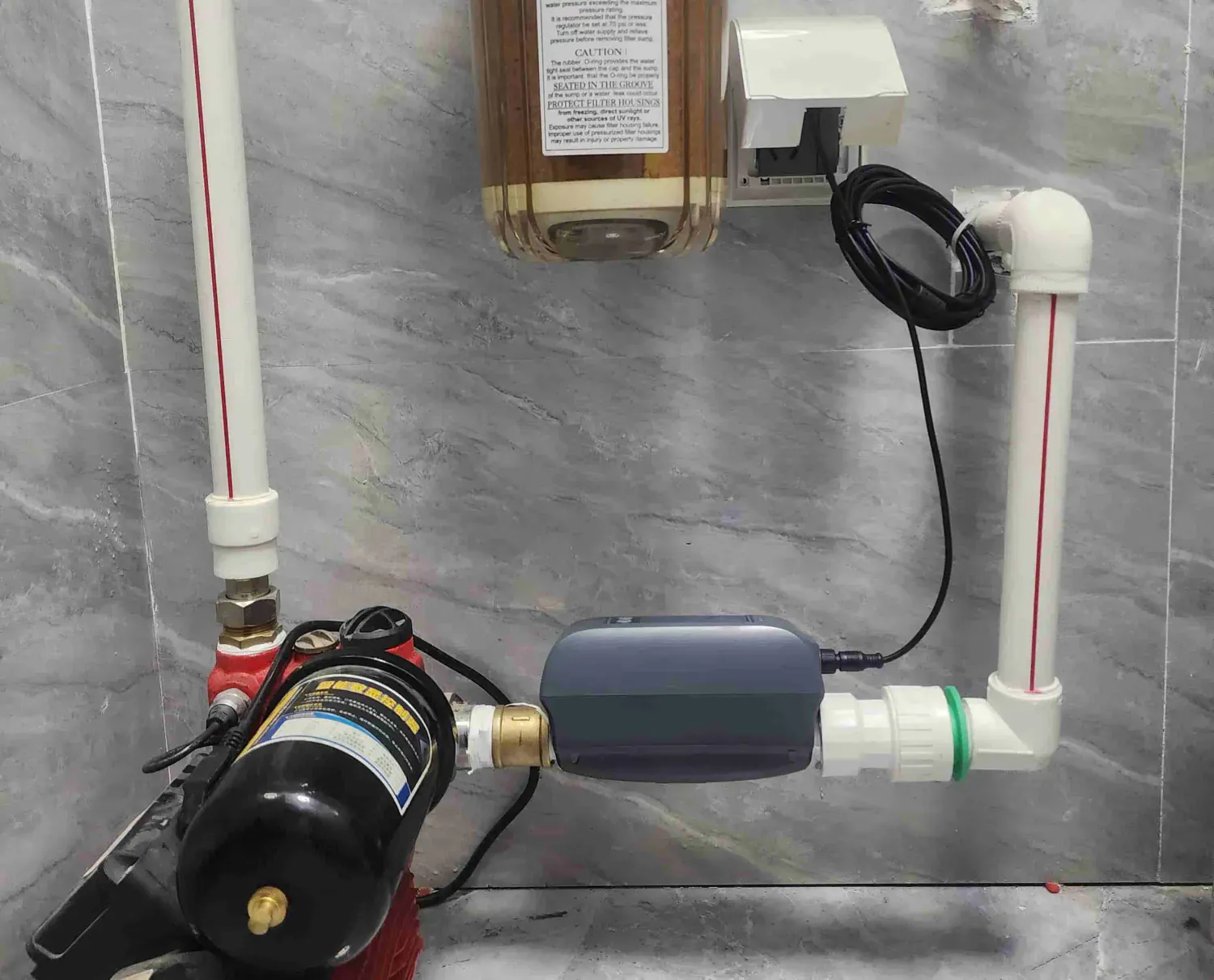
Water valve and leak sensor bundle reference for partner-supported project planning
03 / Coordinate

Define the kit and response path together.

A setup may combine sensing, shutoff, connectivity, app or alert setup, documentation, and a local response plan. Review the starter kit page for live Shopify variants or use partner inquiry for a larger project.

Direct product purchase does not include site assessment, installation, or emergency response. Review Starter Kit
Fit before offer

Collect the site facts an installer needs to make a credible decision.

A water-main diagram explains the intended system position, but it does not confirm that a specific home is compatible. The local installer must review the actual pipe, shutoff, space, condition, power, network, and service responsibilities.

Bring photos and measurements to the inquiry. If the exact device manual or installation requirement is not available, mark the question for review instead of using an image as technical proof.

Main water line and shutoff placement diagram for project planning
Use the diagram to frame questions, then verify the real installation location and product documentation.
Main-line context
Identify the main shutoff, pipe material and size, available straight-run space, access, and nearby equipment.
Valve or device type
Record the valve handle or inline-device requirement, condition, orientation, clearance, and any adapter questions.
Sensor coverage
List the locations to monitor, expected cable or spot-sensor placement, maintenance access, and alert recipient.
Power and connectivity
Confirm the documented power, network, gateway, and app requirements for the exact devices being discussed.
Local responsibility
Name who assesses, installs, commissions, documents, supports, and responds to a local water event.
Product evidence
Use current product pages, manuals, and support answers; do not infer specifications from a category illustration.
Operating boundary

Keep product support and local service responsibilities explicit.

The partner path works only when the customer knows who owns assessment, installation, alerts, maintenance, local response, and product questions. No page copy should imply that Grus dispatches a local installer or guarantees prevention of every water event.

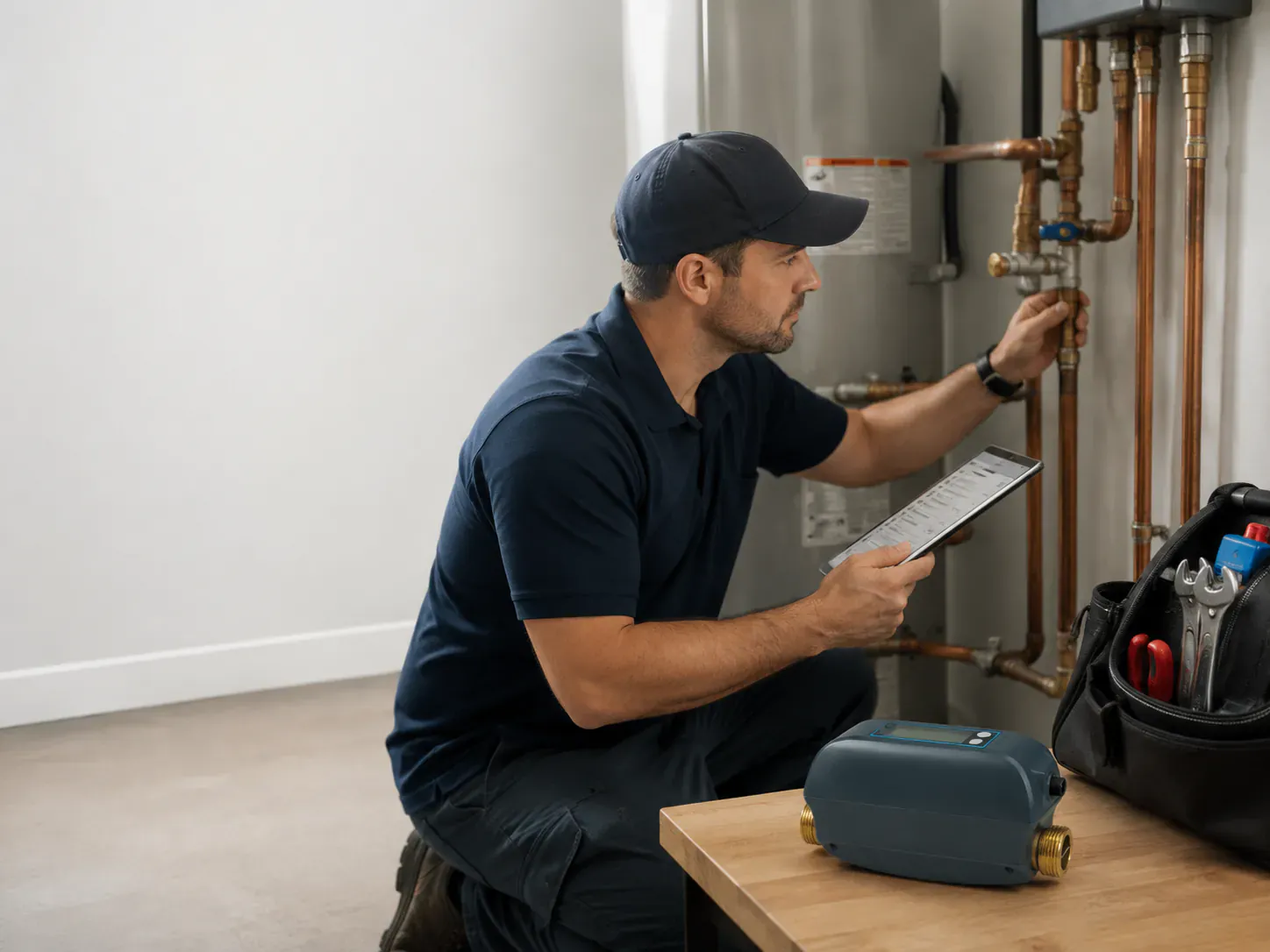
Service professional checking a water line before a smart valve project
Qualified local service remains part of the project decision and customer handoff.
Product and scope review

Grus can discuss

  • Review the current partner-kit and product-reference paths
  • Discuss documentation and compatibility questions supported by current sources
  • Review proposed pilot scope, quantity, materials, and product-support handoff
  • Identify facts that must be confirmed before a project is presented to customers
Onsite and customer ownership

The local partner handles

  • Assess the valve, pipe, access, local conditions, and installation method
  • Own qualified local installation, rules, permits, scheduling, and field records
  • Explain the project scope and limits to the customer
  • Own local service, onsite response, and the continuing customer relationship
Alerts need a response owner

Plan what happens after a sensor or app reports a concern.

A notification is useful only when the correct person receives it, understands what it means, and knows the next safe action. Decide who monitors alerts, who can inspect the property, who can operate the shutoff, and how the local service partner should be contacted.

App screens and alert visuals are product context, not a promise that every event will be detected, delivered, interpreted, or resolved automatically. Network availability, device condition, placement, setup, and the response plan all matter.

Review detection and shutoff together
Water leak alert app screen for response-planning context
Define alert recipients and local response before presenting the system to a customer.
Prepare the decision

Use guides to replace assumptions with project facts.

Each guide supports one decision and routes unresolved product questions to support or the partner path.

Before you choose a product

Water project FAQ

These answers separate direct product purchase from site assessment and installer responsibility.

Can I buy a water protection kit directly from this page?

Use the linked product pages to review live Shopify variants and add an available product to cart. Confirm valve and sensor fit first. Use the installer-supported partner inquiry when the project needs site-specific scope, installation ownership, or a larger kit discussion.

What should a smart water protection kit include?

The project may need compatible leak detection, a suitable shutoff device or actuator, connectivity, alerts or app setup, installation materials, documentation, and a clear response owner. The exact kit is confirmed for the project rather than assumed from a generic list.

Does water protection prevent all leaks or water damage?

No. Sensors and compatible shutoff workflows can support earlier awareness and response, but they do not guarantee detection of every leak, automatic action in every condition, or prevention of all damage.

Can Grus install the system locally?

This page does not promise local installation by Grus. A qualified local installer or service partner should assess the site, perform the work, follow local requirements, and own field response.

What should I prepare before contacting a partner?

Prepare clear photos of the main shutoff and surrounding area, pipe and valve details, available clearance, intended sensor locations, network and power context, property type, service region, and the response responsibilities you expect the local provider to own.

Choose the right next step

Shop a compatible product or bring the full project to a partner inquiry.

Product pages show live Shopify variants. Partner inquiry remains available for kit scope, installation responsibility, documentation, and support handoff.