
System category
Often tied to direct heating control scenarios; verify from documentation.
Do not choose a smart thermostat by appearance alone. Start with voltage type, heating system, product specs and installation boundary.
Line-voltage and low-voltage thermostats are not interchangeable; check the system type and product documentation before buying.
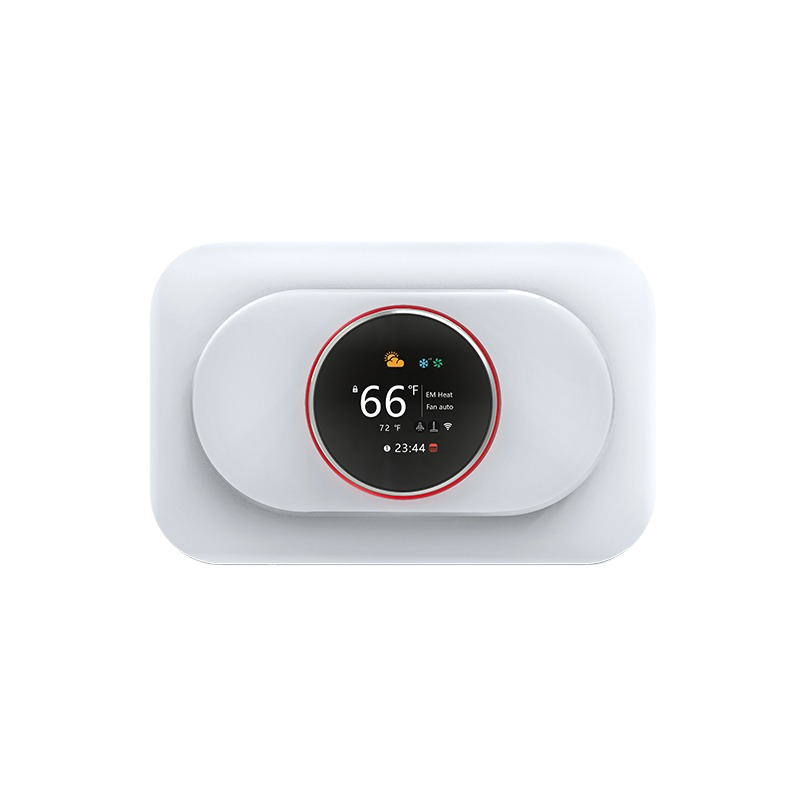
Compare voltage class, heating type, load, and wiring requirements before treating two smart thermostats as interchangeable.
A thermostat may look similar on the wall while being intended for a different voltage class or heating system.
A buyer should use product documentation and safe system information before choosing a smart thermostat.
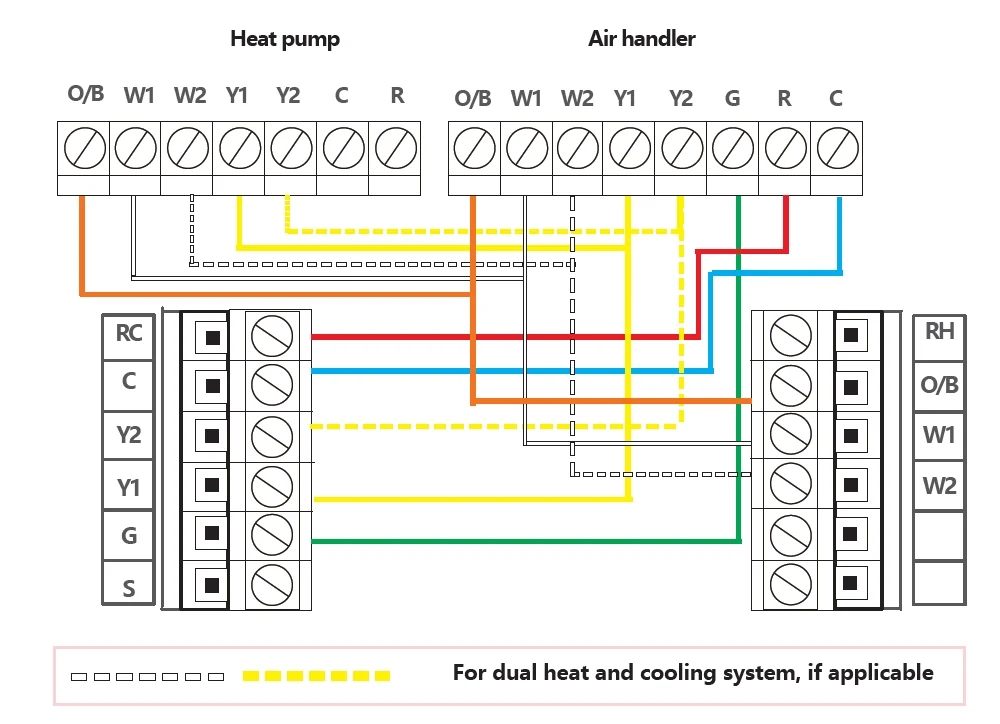
Compatibility is not only about app features or room design. The thermostat must match the heating system and electrical requirements.
When the voltage type is not clear, the safer next step is the compatibility guide or support.
Often tied to direct heating control scenarios; verify from documentation.
Often tied to other HVAC control scenarios; verify from documentation.
This page does not provide installation steps or local code guidance.
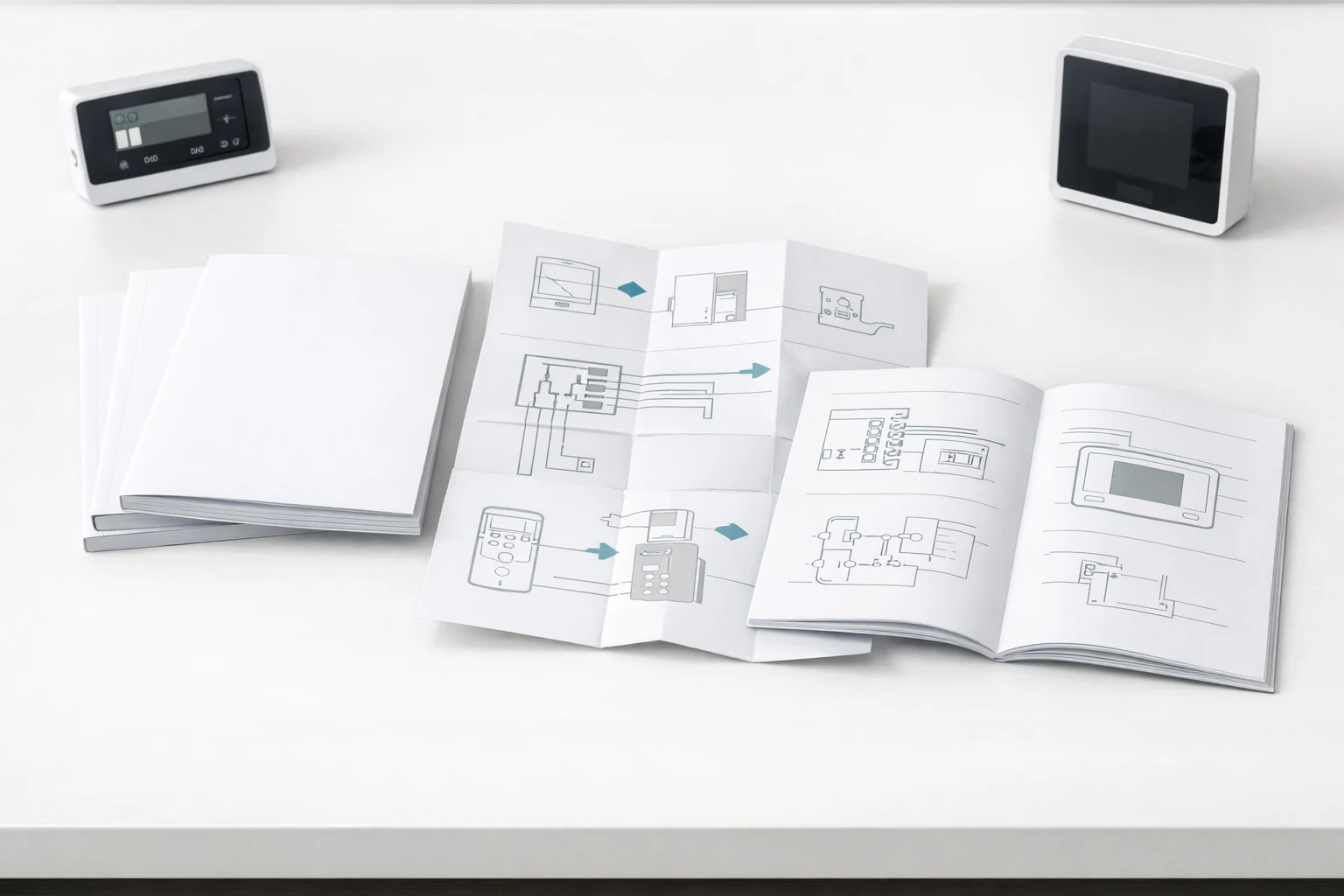
Useful sources include the current thermostat model, product manual, equipment documentation and qualified professional guidance.
Grus pages do not replace a qualified professional, local code review, emergency service, or final product documentation.
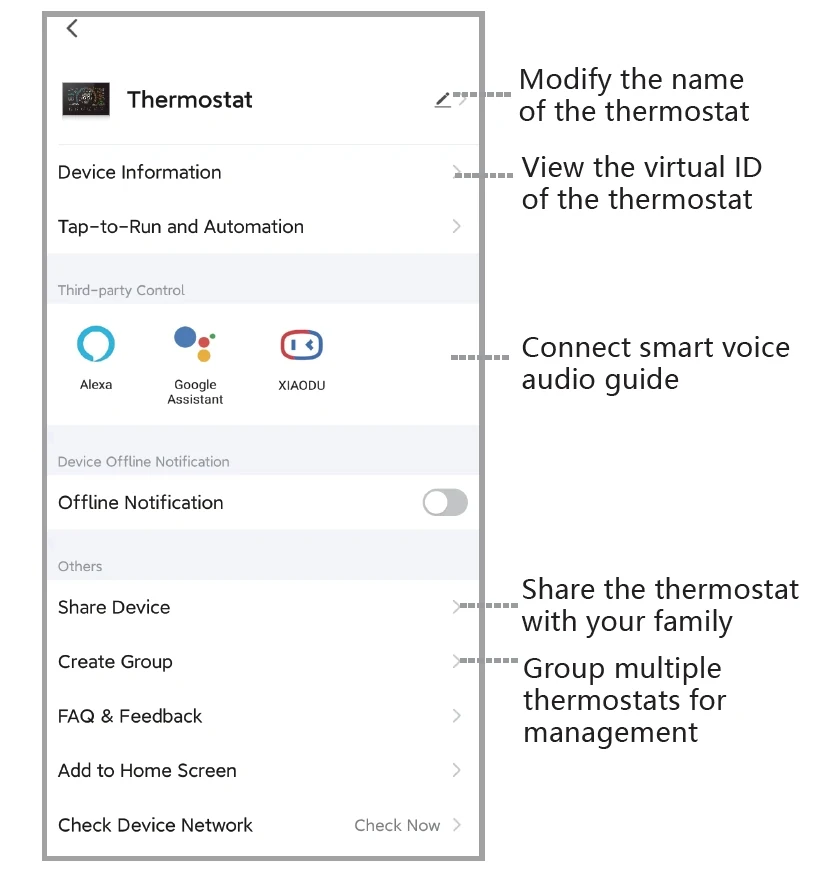
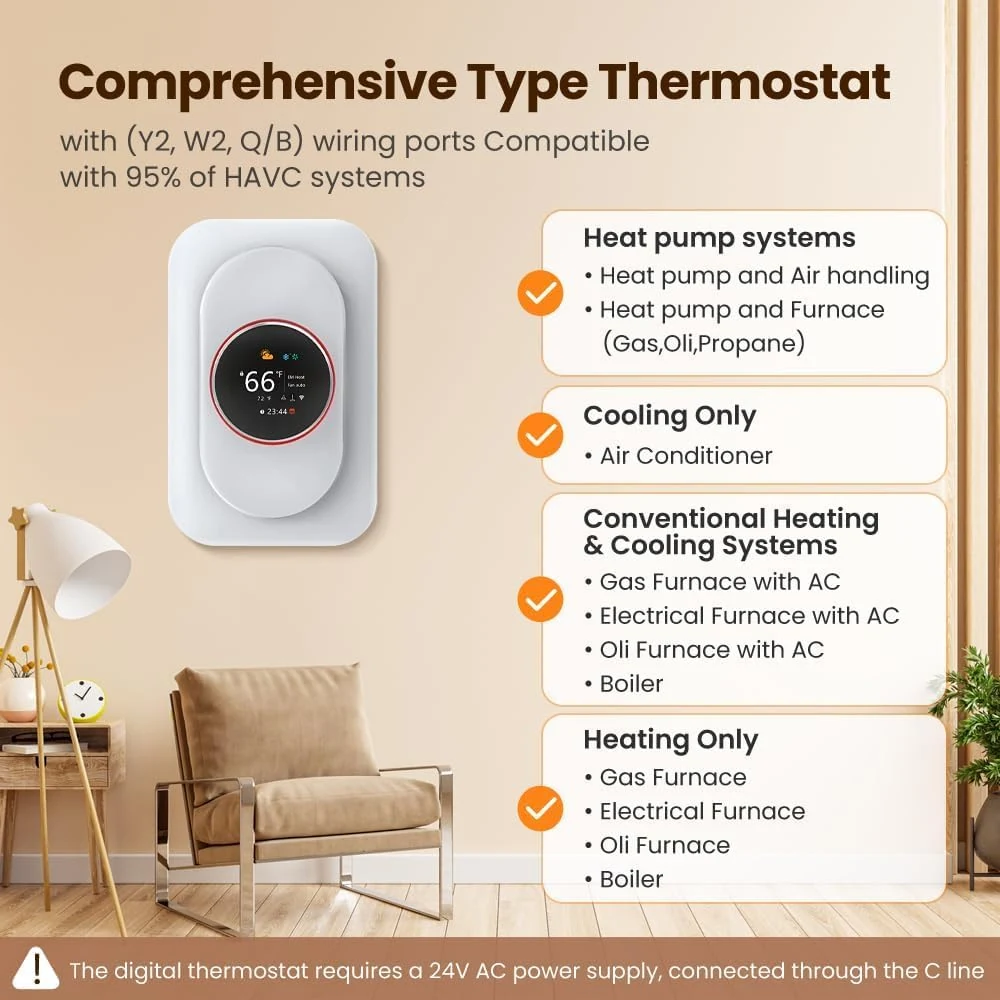
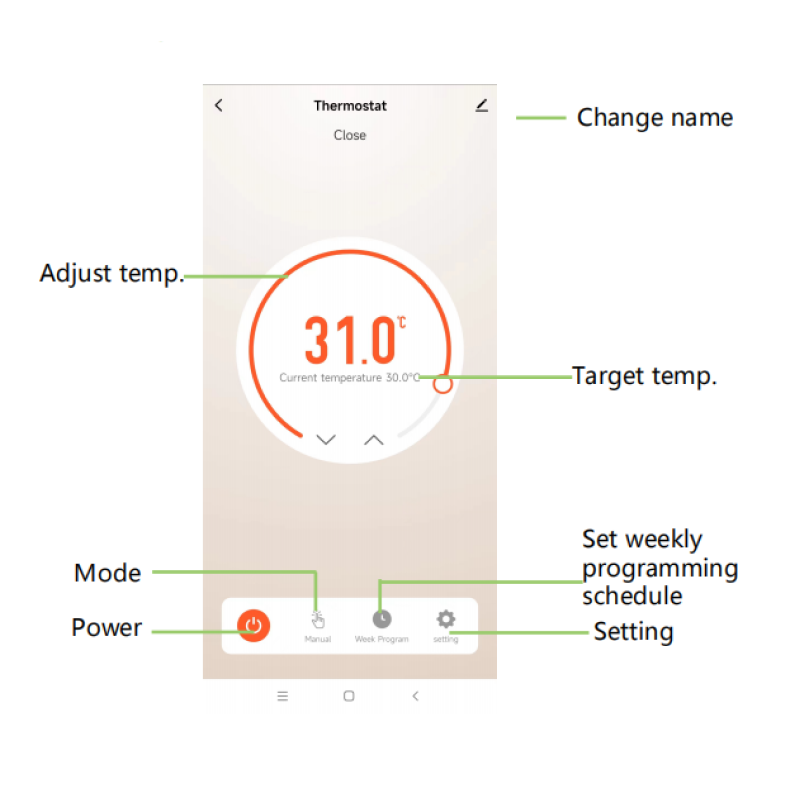
They are different thermostat categories tied to different system and electrical requirements. They should not be treated as interchangeable.
No. Appearance is not enough. Use documentation, product specs and qualified guidance where needed.
No. It is a buyer comparison page, not installation instructions.
Use the baseboard compatibility guide, then review the Smart Thermostat product page when the fit is credible.
Check compatibility first, then review the Smart Thermostat product page when the system match is clear.