
Voltage and load
Wrong category can mean wrong product, not just a missing feature.
Understand the voltage question before you choose a device. Use this guide to avoid guessing, unsafe checks, and unsupported compatibility assumptions.
Do not guess voltage from appearance alone. Check product documentation, visible ratings, and professional guidance before buying or installing connected energy products.
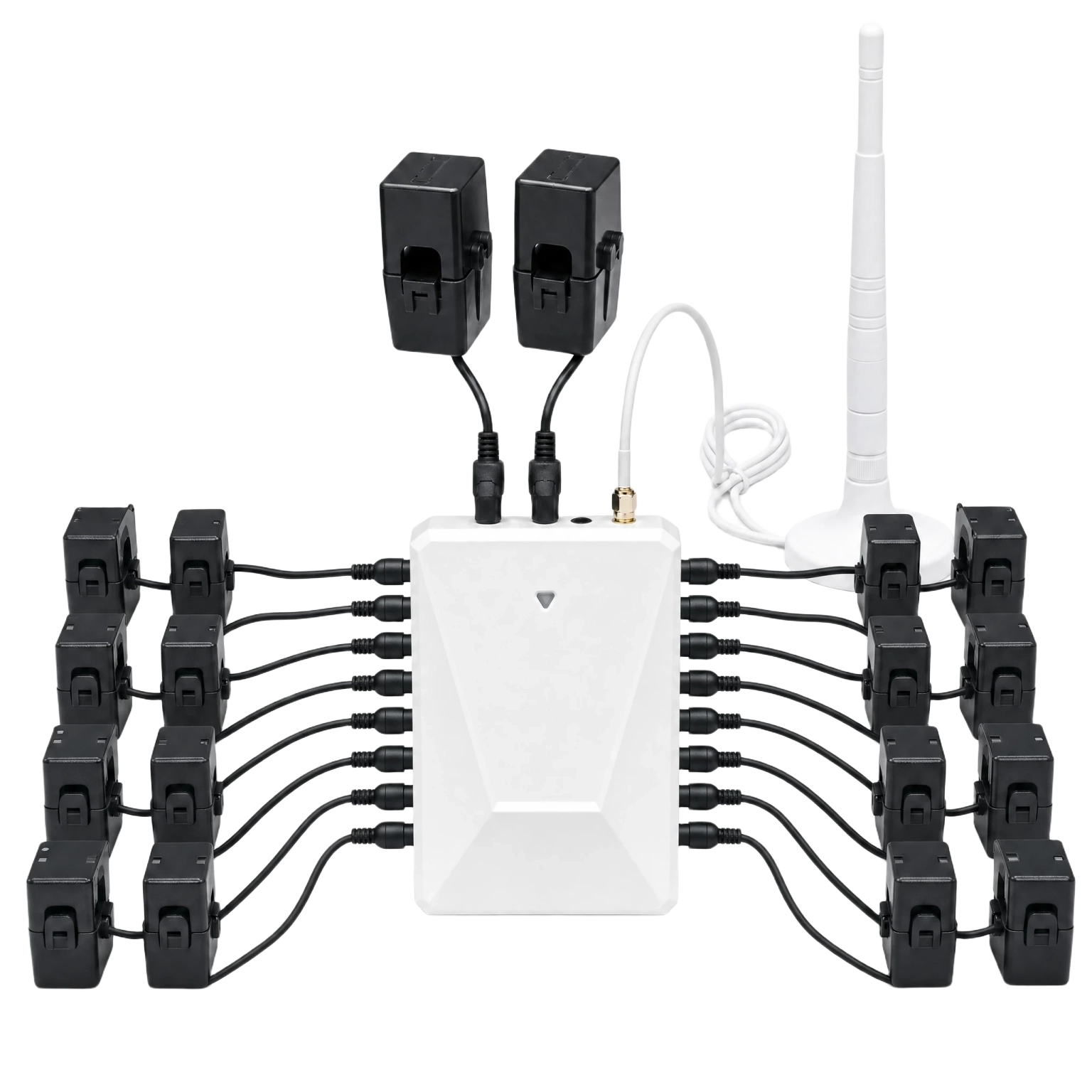
This guide keeps the decision safe and buyer-focused: understand why voltage matters, then move to thermostat fit, energy monitoring or support.
Use this when voltage affects thermostat fit.
Check thermostat fit EnergyUse this when the buying path is panel-level electricity visibility.
View product SupportUse support when documentation does not resolve the question.
Contact supportVoltage context can affect thermostat compatibility, electrical monitoring scenarios, installation boundaries and the product documentation a buyer needs to review.
Use visible labels, product documentation, and a qualified professional to confirm voltage context. Do not inspect live wiring for a purchase decision.
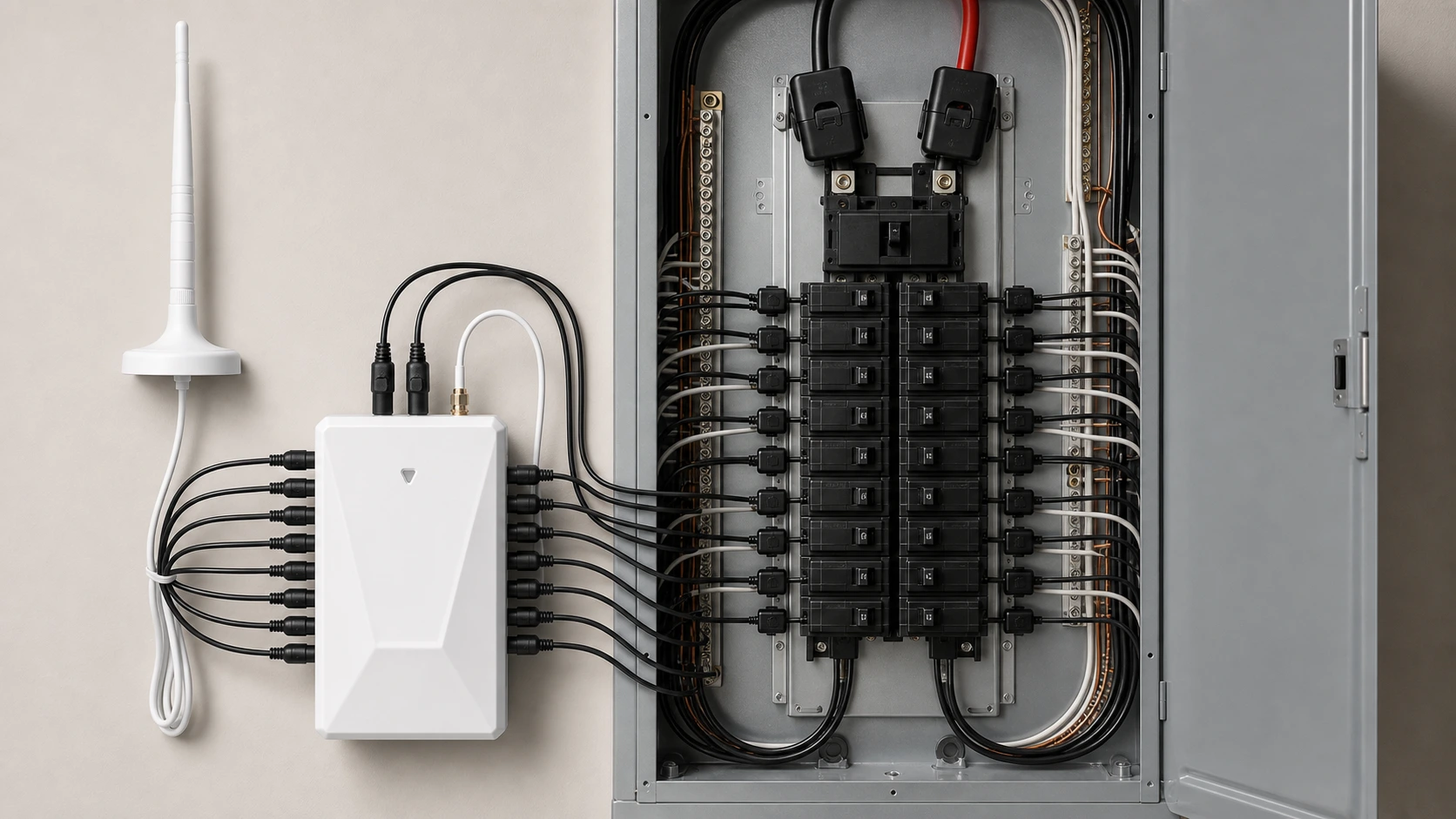
For thermostats, voltage and load compatibility can determine whether the product is even the correct category.
For energy monitoring, service type, panel context and sensor requirements may determine whether the monitor is appropriate.
Wrong category can mean wrong product, not just a missing feature.
Monitoring fit depends on product-specific service and sensor support.
Final manuals and specs should be the source of product-specific claims.
Useful pre-purchase information can come from product manuals, visible equipment labels, existing documentation, order history and professional advice.
Do not open panels, test live circuits, bypass covers or treat a buying guide as installation instructions.
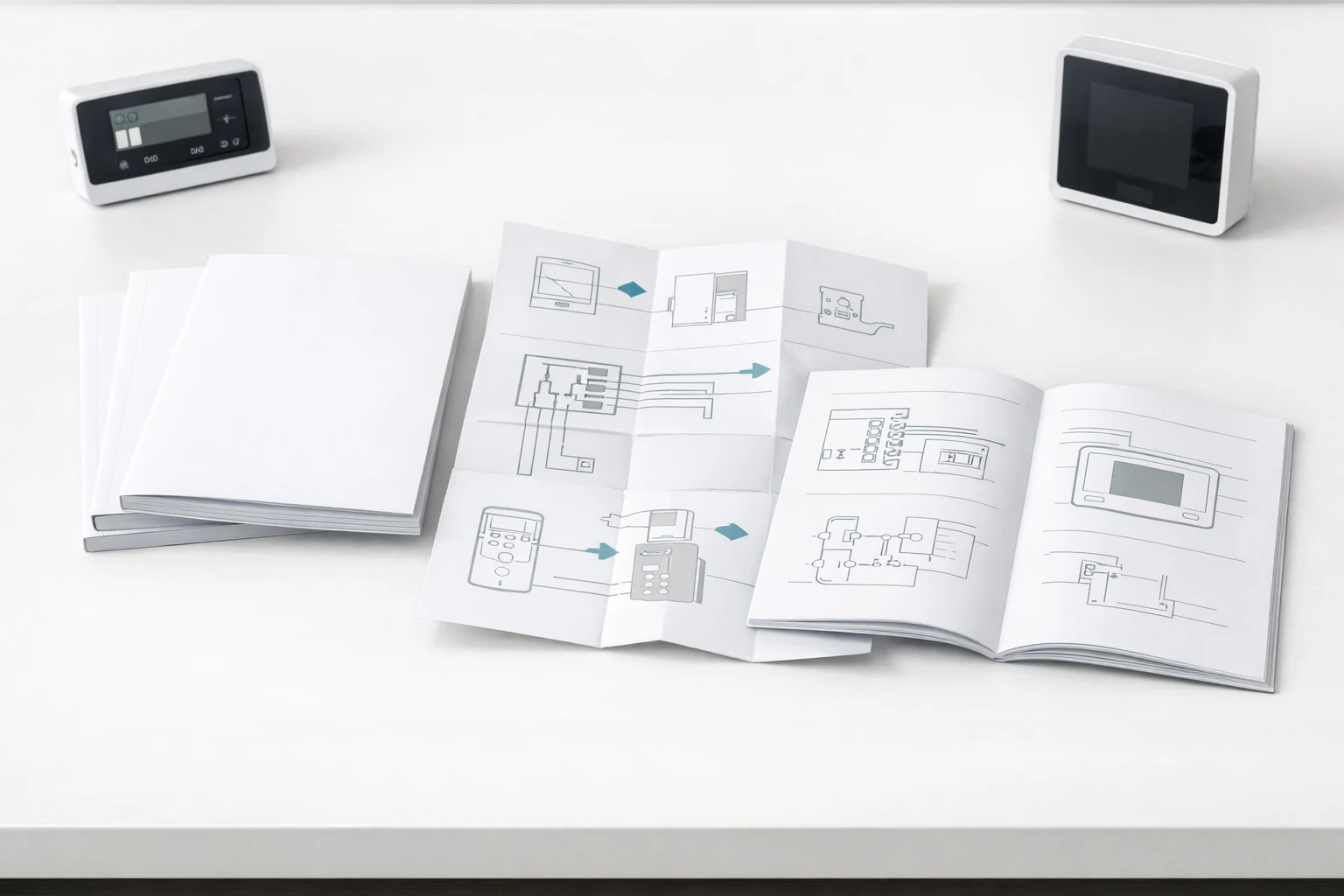
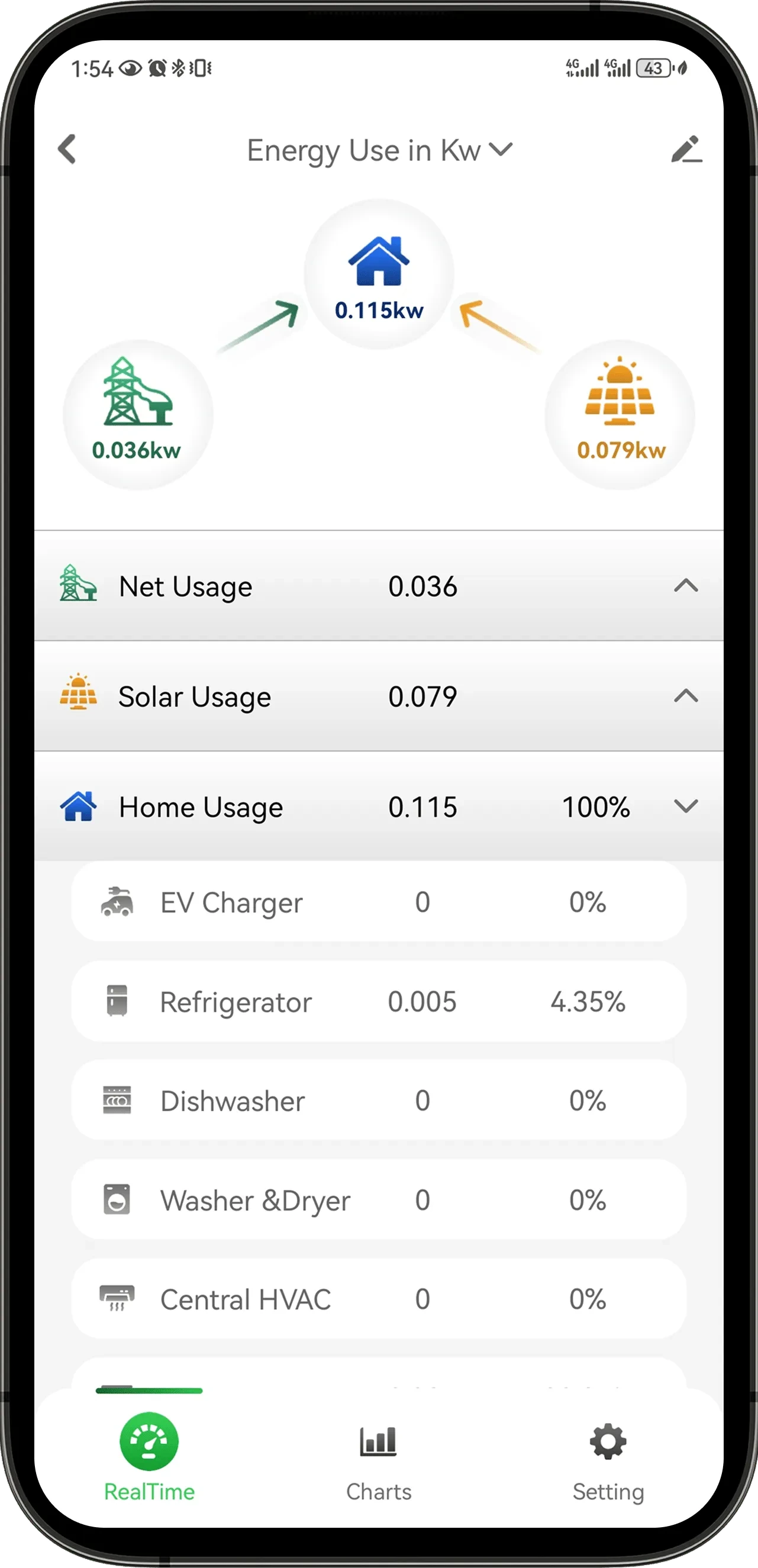
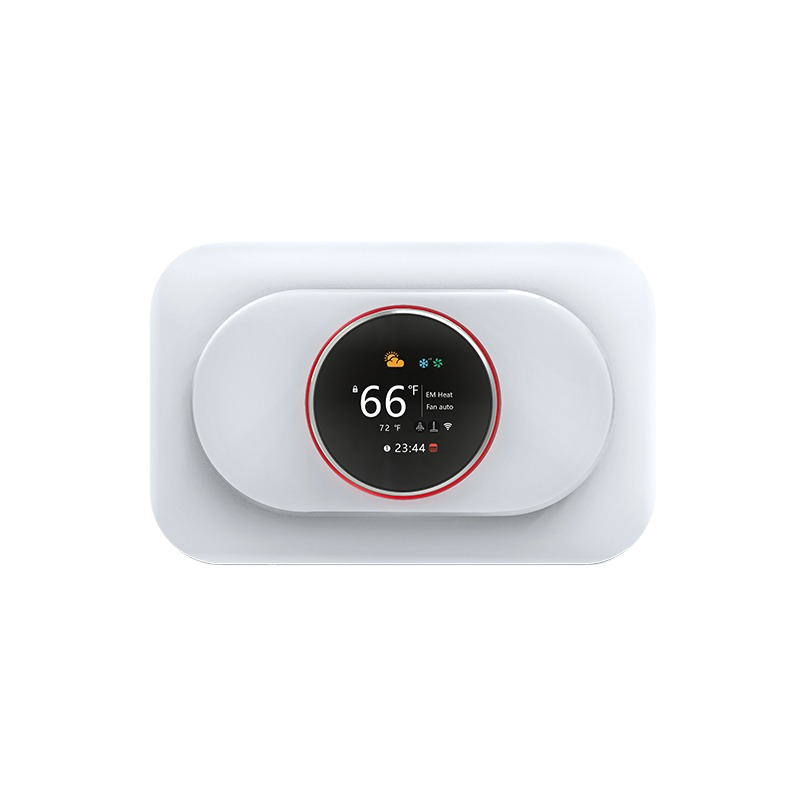
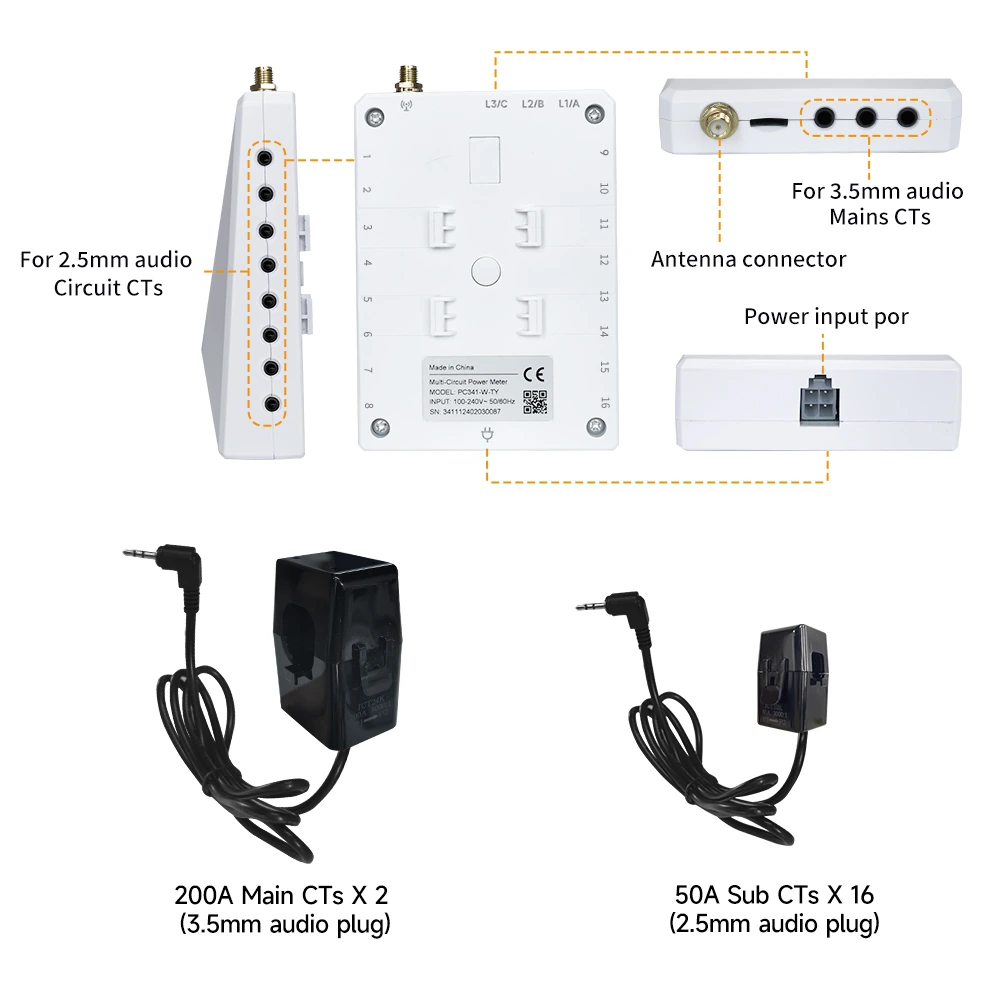
Do not rely on appearance alone. Use documentation, visible ratings and qualified help where needed.
Voltage and load category can determine whether a thermostat is compatible with the heating system.
Energy monitor fit can depend on service type, panel context, sensors and the final product specification.
No. Do not open panels or inspect live wiring from this guide. Use documentation and qualified professionals.
If thermostat fit is the question, start with the compatibility guide. If electricity visibility is the question, review the Energy Monitor.