
Water shutoff buying guide
Choose a Water Shutoff System Around Fit and Response
Compare sensors, valve control, gateway dependencies, installation ownership, and the local response plan before discussing a kit.
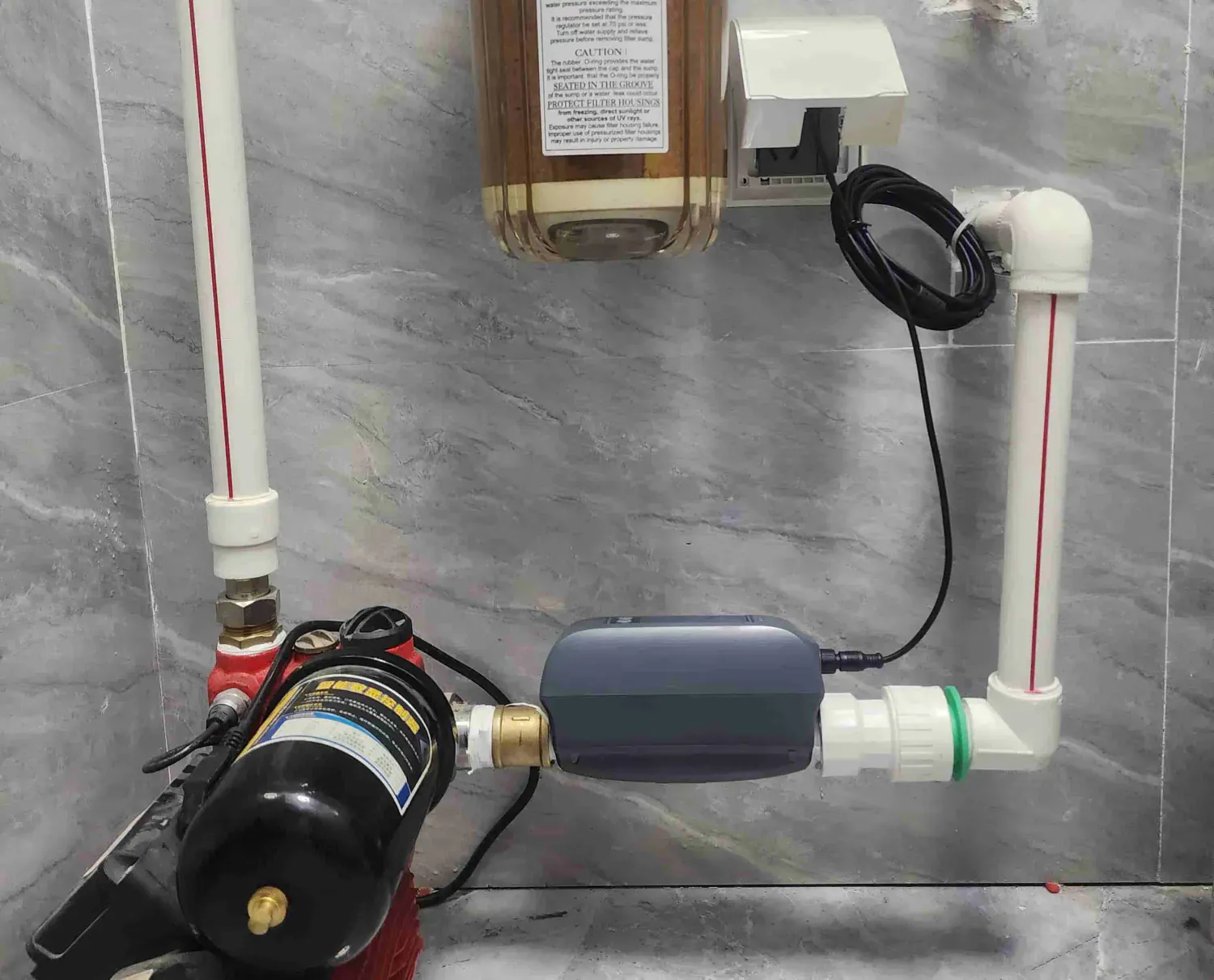
A complete path is more than a valve actuator
Start with the main shutoff valve and the response plan. A credible setup needs reviewed valve fit, correctly placed detectors, a supported alert or control path, clear local installation ownership, and someone who can inspect and restore the property after an event. Available Grus Water Protection products can be purchased directly; partner support is optional for installation-led projects.
Check the property, system, and response owner together.
Main shutoff
Record valve type, condition, dimensions, pipe arrangement, clearance, and access before selecting control hardware.
Detection plan
Map detector locations to realistic water risks, network reach, maintenance access, and supported event behavior.
Response owner
Name who receives alerts, enters the property, verifies the event, arranges repair, and authorizes restoration.
Installer scope
Confirm who assesses, installs, commissions, documents, and supports the local project.
01
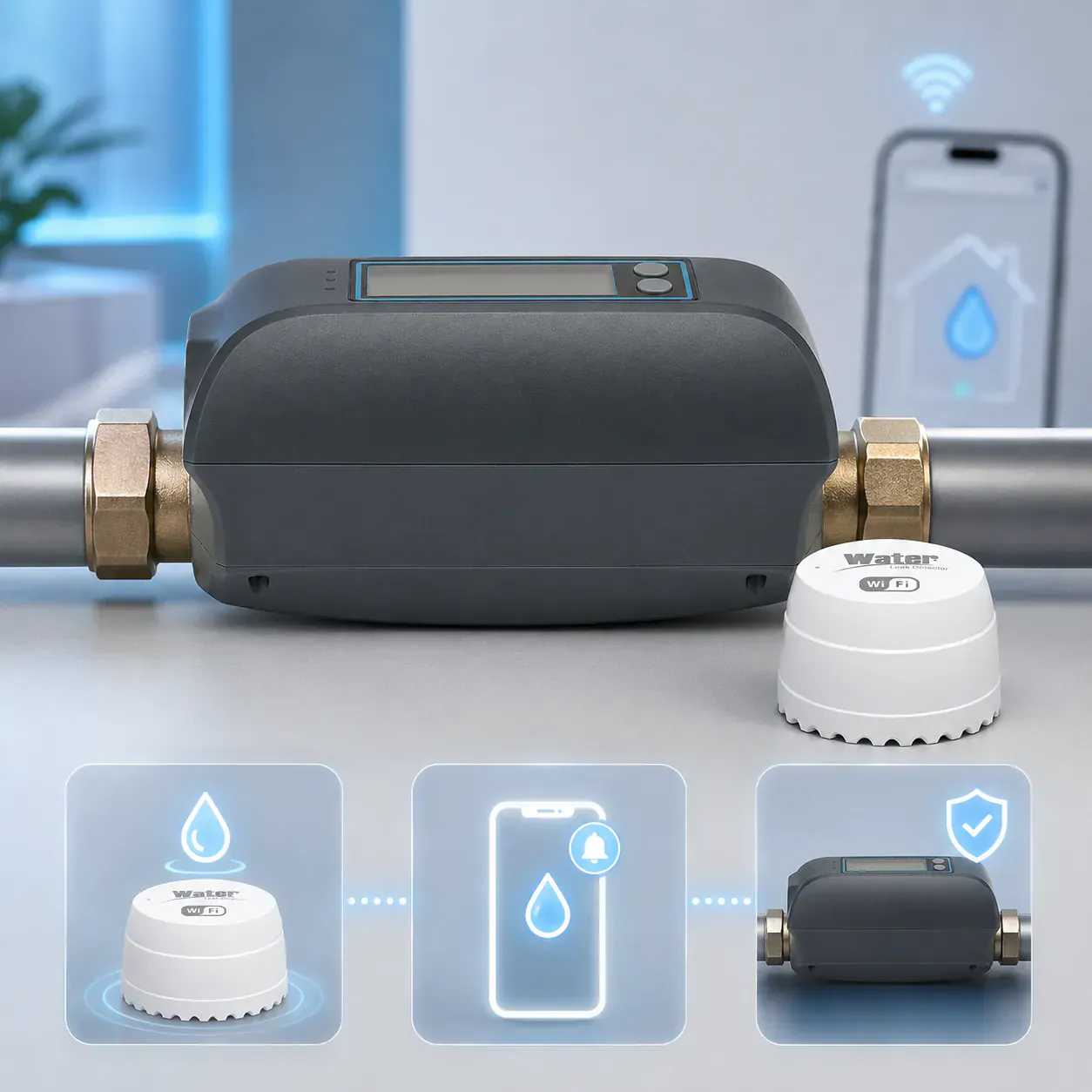
Compare detection, control, and coordination as separate jobs.
A detector observes supported conditions at a location. A valve or actuator controls water flow only when it fits the existing plumbing and is correctly integrated. The gateway, app, account, network, and response workflow coordinate what happens next.
Do not treat any single component as proof of whole-property protection or guaranteed damage prevention.
| Layer | Job | Verify before selection |
|---|---|---|
| Leak detector | Observe supported water events near a risk point | Placement, coverage, maintenance, communication path, and test method |
| Valve control | Support water-flow control for a compatible installation | Valve and pipe fit, clearance, power, manual operation, and installer scope |
| Gateway and app | Carry supported status, alert, or control events | Account, network, notification, outage, privacy, and recovery dependencies |
| Local response | Inspect, repair, document, and restore the property | Named people, access, escalation contacts, and restoration authority |
02
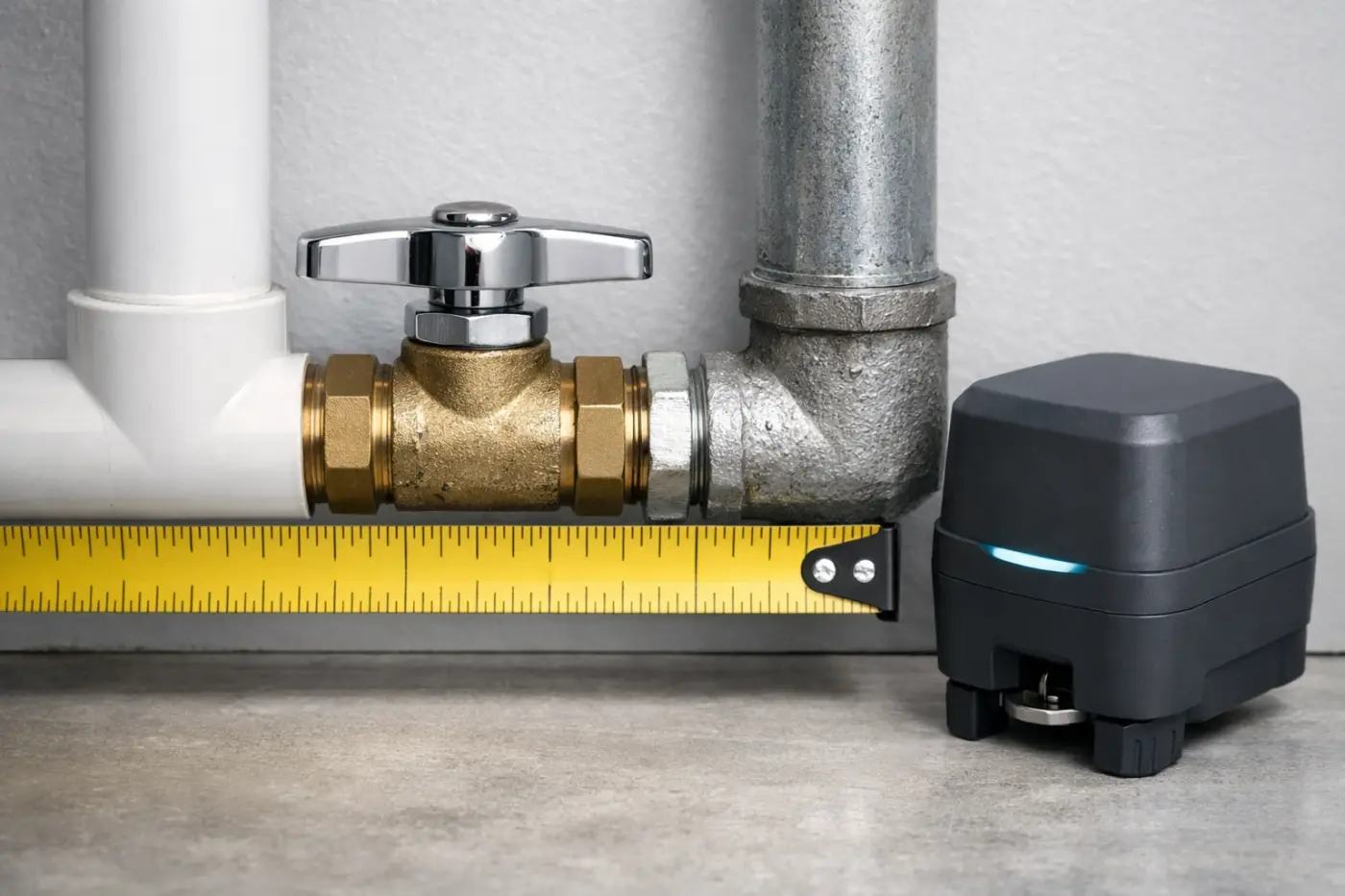
The existing shutoff valve determines whether the control path is credible.
Photograph the complete shutoff area from the front and side. Include the valve body, handle, pipe direction, nearby wall or cabinet, meter, filter, regulator, and available service space.
A stiff, leaking, corroded, inaccessible, or damaged valve is a local plumbing issue to resolve before connected control is planned.
Mechanical condition
The valve should operate as expected before automation is considered.
Physical clearance
The installer needs room for the selected component, manual access, maintenance, and safe service.
Installation method
Clamp-on and inline paths have different plumbing, power, and commissioning requirements.
03
Write the response sequence before relying on remote alerts or control.
Document what the system can detect, how the event is communicated, who receives it, what supported control may occur, who inspects the property, and who can authorize reopening after repair.
-
Detect and communicate
Test the supported detector, gateway, account, app, and notification path.
-
Acknowledge and inspect
Name the local person or service that can enter the property and determine what happened.
-
Repair and document
Record the cause, affected area, work completed, and any component or configuration changes.
-
Restore intentionally
Reopen water only after the responsible person confirms the property and system are ready.
04
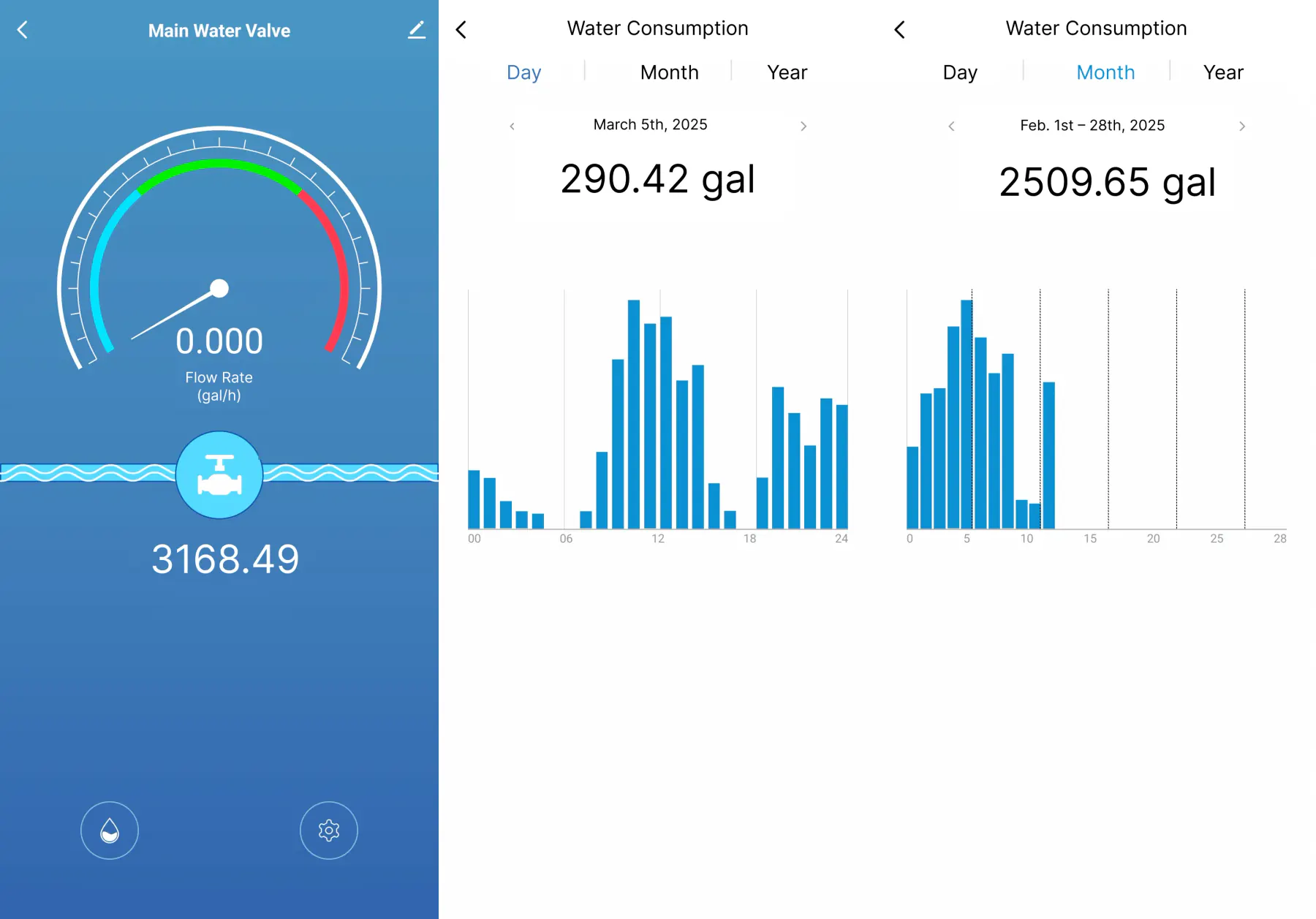
Bring a complete property brief to partner review.
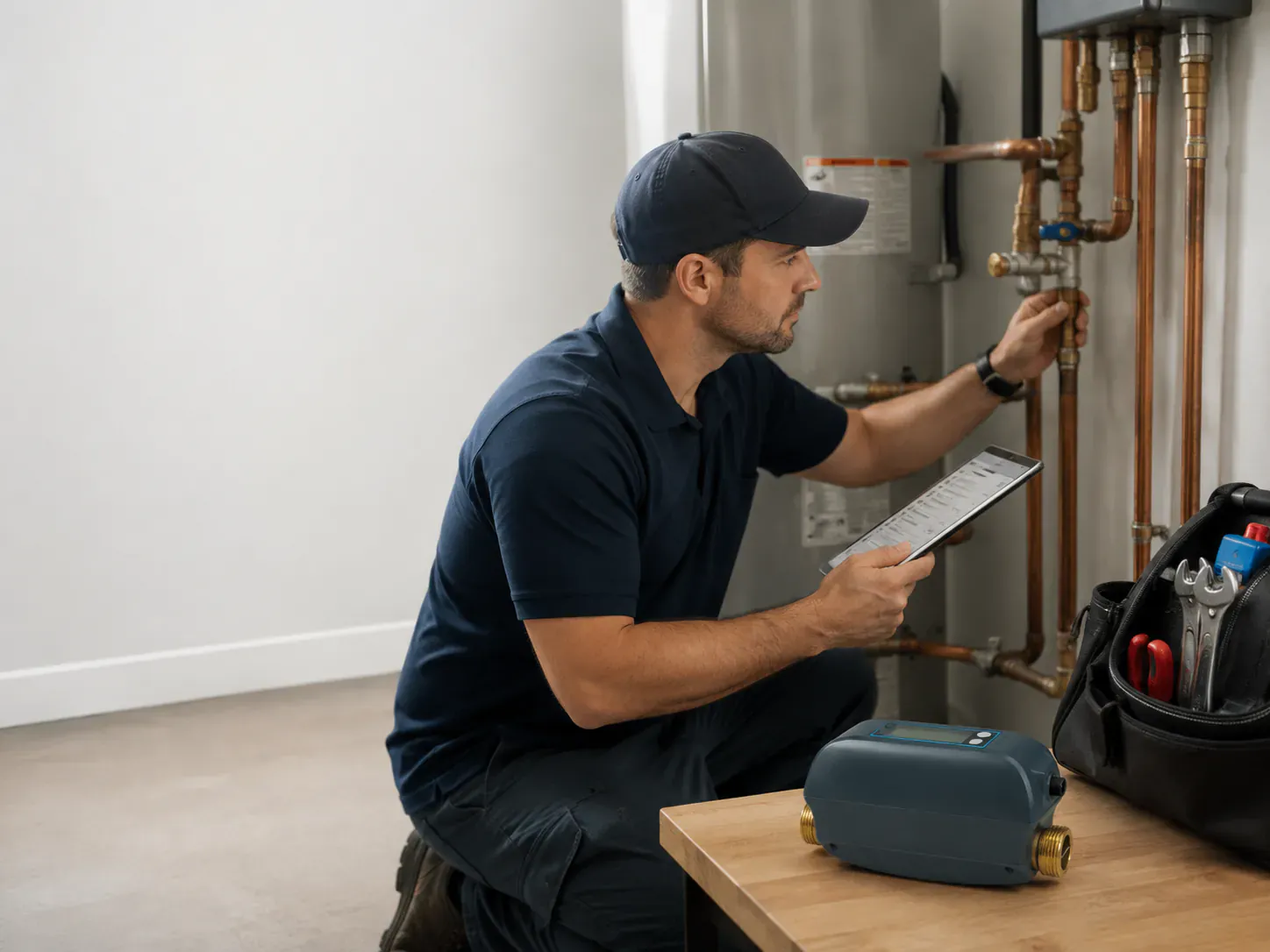
Prepare valve and pipe evidence, risk locations, utility and network context, desired event behavior, local response ownership, property access, timing, and maintenance expectations. The partner can then determine whether a kit discussion is appropriate.
05
Questions people ask before the next step
Is a smart water valve enough by itself?
No. A credible project also needs reviewed site fit, detector coverage where used, supported communications, commissioning, maintenance, and a local response and restoration plan.
Can every shutoff valve use the same actuator?
No. Valve type, condition, dimensions, movement, pipe arrangement, clearance, access, power, and the selected installation method all matter.
Does connected shutoff guarantee damage prevention?
No. Detection, fit, power, network, mechanical operation, configuration, maintenance, commissioning, and human response can all affect the outcome.
When should I use installer support for a Water Kit?
Use installer support when valve and pipe fit, local plumbing work, commissioning, property access, response ownership, or restoration needs site-specific responsibility beyond product checkout.
Move to partner review with a documented property and response plan.
Prepare valve evidence, detector locations, utilities, desired event behavior, local ownership, and service expectations before discussing kit scope.