
Detector category guide
Match the Detector to the Hazard: Natural Gas, Propane, or Carbon Monoxide
Do not assume one alarm covers every fuel gas and carbon monoxide condition. Start with the home's fuel and equipment, then verify exact-model coverage and official placement instructions.
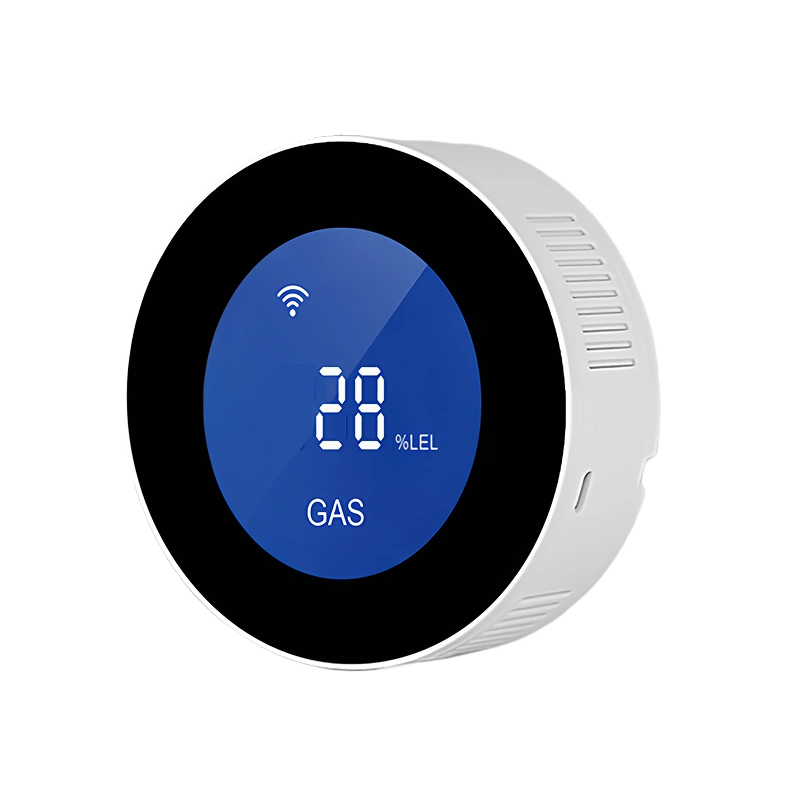
If you smell gas now, leave before comparing detectors.
For a suspected fuel-gas leak, leave the affected area, avoid ignition sources, and report it from a safe location following local utility and emergency guidance. For future planning, identify the fuel and equipment, then use the exact model documentation and local requirements to verify gas or carbon monoxide coverage, placement, power, alarms, testing, and replacement instructions.
Verify the hazard, exact coverage, placement, and response.
Fuel and equipment
Identify whether the property uses utility natural gas, propane, another fuel, or no fuel gas, and list the relevant equipment.
Exact hazard coverage
Require the model documentation to name the gas or carbon monoxide condition it is designed to detect.
Documented placement
Follow the current manufacturer instructions and local requirements; do not improvise placement from a generic height rule.
Alarm response
Teach the household the official emergency action for each alarm or suspected leak and keep local contacts current.
01
Fuel-gas detection and carbon monoxide detection answer different safety questions.
Natural gas and propane are combustible fuels. Carbon monoxide is an odorless toxic gas created by incomplete combustion. A label such as 'gas detector' is not enough to establish which condition a device covers.
| Hazard | Planning question | Evidence required |
|---|---|---|
| Natural gas | Does the exact model explicitly cover the natural-gas constituent and intended environment? | Current model manual, listing or certification evidence where applicable, placement and alarm instructions |
| Propane | Does the exact model explicitly cover propane and the intended installation context? | Current model manual, placement, power, testing, replacement, and response instructions |
| Carbon monoxide | Does the alarm meet the required CO use, placement, testing, and replacement path? | Current official CO guidance, local requirements, and exact product documentation |
| Combination device | Which named hazards and alarm states are actually covered? | Exact-model documentation for every claimed sensor and response |
02
Use the exact model instructions and local requirements.
Gas behavior, room airflow, equipment location, ceilings, obstructions, humidity, contaminants, power, audibility, and the detector's tested design can affect placement. A generic statement that one gas rises and another sinks is not a complete installation instruction.
Do not place, relocate, or substitute an alarm based only on an online diagram. Use current manufacturer guidance and qualified local advice when requirements are unclear.

03
Write the emergency action before installing the device.
Household members should know how the alarm is identified, what local and connected indications mean, where to go, whom to call, and when re-entry is allowed. A notification cannot determine that the building is safe.
-
Identify the signal
Document the supported audible, visual, local, and connected indications for the exact model.
-
Leave when required
Follow the exact detector instructions and official emergency guidance without delaying to investigate.
-
Report from safety
Use 911, the gas utility, emergency medical help, or another local authority as the specific condition requires.
-
Wait for authorization
Do not re-enter, reset equipment, or restore fuel service until the responsible authority says it is safe.

04
Testing, power, end of life, and replacement are part of coverage.
Follow the exact model's instructions for testing, cleaning, power or battery status, fault indications, service life, replacement, and disposal. Review the plan after fuel-equipment changes, renovations, occupancy changes, or revised local guidance.

05
Questions people ask before the next step
Does a carbon monoxide alarm detect a natural gas or propane leak?
Do not assume that it does. Carbon monoxide and fuel gases are different hazards. Verify every claimed hazard in the exact model's current documentation.
Can one detector cover natural gas and propane?
Only if the exact model documentation explicitly states and supports both hazards for the intended use. A generic gas-detector label does not confirm coverage.
Where should a gas detector be installed?
Follow the exact model's current placement instructions and local requirements. Fuel type alone is not a complete placement rule.
What should I do if an alarm sounds or I smell gas?
Follow the device and local emergency guidance. For a suspected fuel-gas leak, leave the affected area, avoid ignition sources, report from a safe location, and wait for authorization before returning.
Select by verified hazard coverage, then train for the emergency response.
Use exact-model documents and official local guidance for coverage, placement, testing, replacement, and what the household should do when an alarm or suspected leak occurs.