
Connected water system guide
Plan the Leak Detector and Water Valve as One Response System
A connected kit is more than two devices. Confirm how water is detected, how an event is communicated, when flow control is allowed, and who inspects and restores the property.
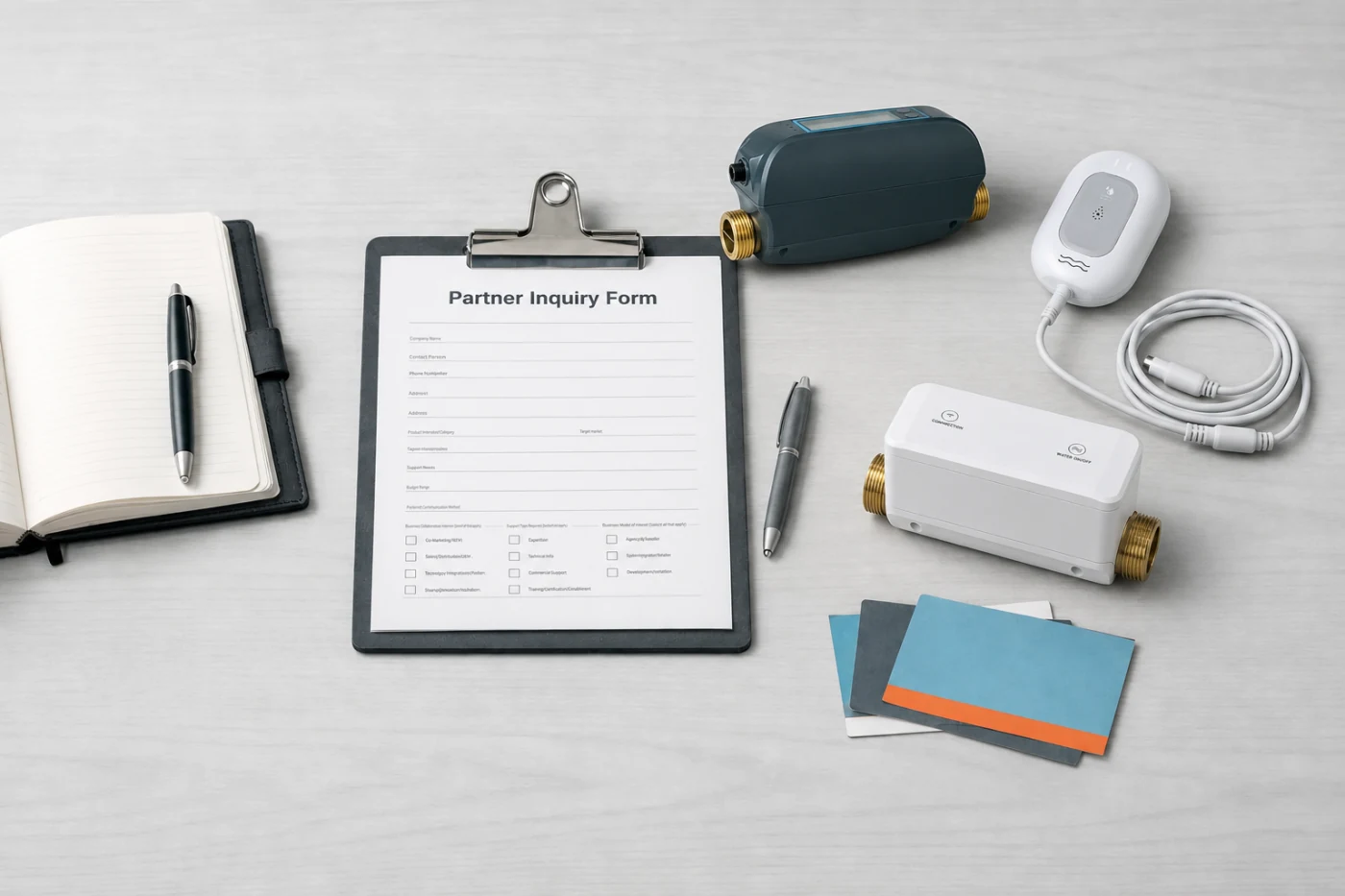
A useful kit needs a complete path from detection to response.
Map the sensor, valve or actuator, app or gateway, power, network, alert recipients, control rule, local responder, and restoration owner. Then verify valve and pipe fit with an installer and commission the supported event paths. Do not assume automatic shutoff, universal compatibility, or guaranteed damage prevention.
Verify the components, event path, site fit, and ownership.
Component roles
List which device senses water, controls flow, connects to the app or gateway, and supplies power.
Supported event logic
Verify what condition creates an alert or command, what dependencies apply, and what happens when a dependency fails.
Site compatibility
Confirm valve, pipe, clearance, sensor placement, power, network, access, and local installation requirements.
Operational ownership
Assign alert review, physical inspection, maintenance, escalation, and authorization to restore water.
01
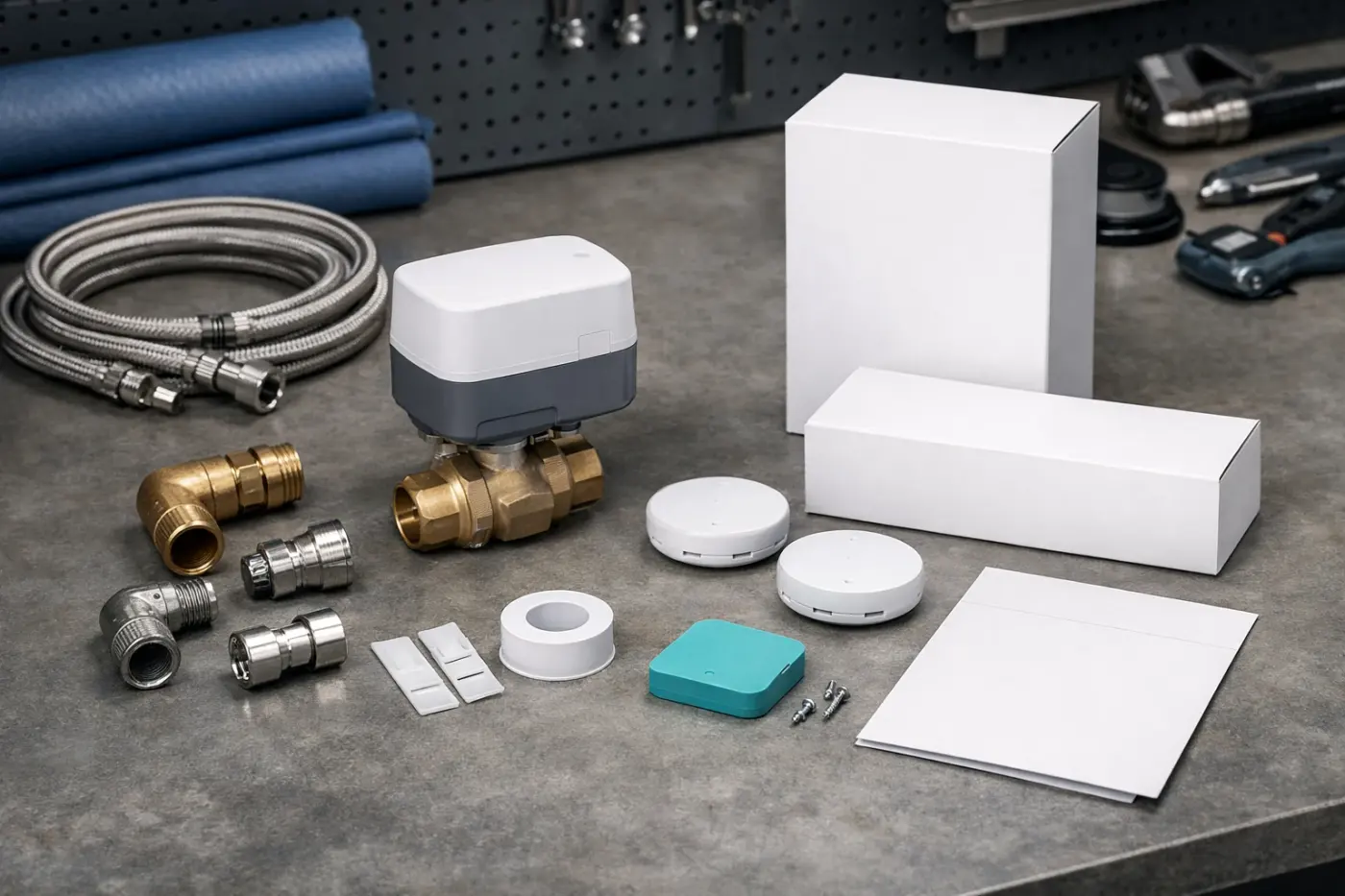
Name every component and the boundary of its job.
A detector can observe water at a planned location. A valve or actuator can change flow only within its documented mechanical and control scope. The app or gateway can present only supported states and commands while its dependencies are available.
The installer and property owner close the remaining gaps through fit review, commissioning, maintenance, and physical response.
Detection
Sensing surface, placement, local indication, event generation, testing, and maintenance.
Flow control
Valve or actuator fit, movement, power, supported command, manual fallback, and restoration.
Connected experience
App, gateway, account, network, notifications, status freshness, and recovery.
Human response
Alert acknowledgement, property inspection, professional escalation, repair, and return to service.
02
Write the expected sequence and every dependency.
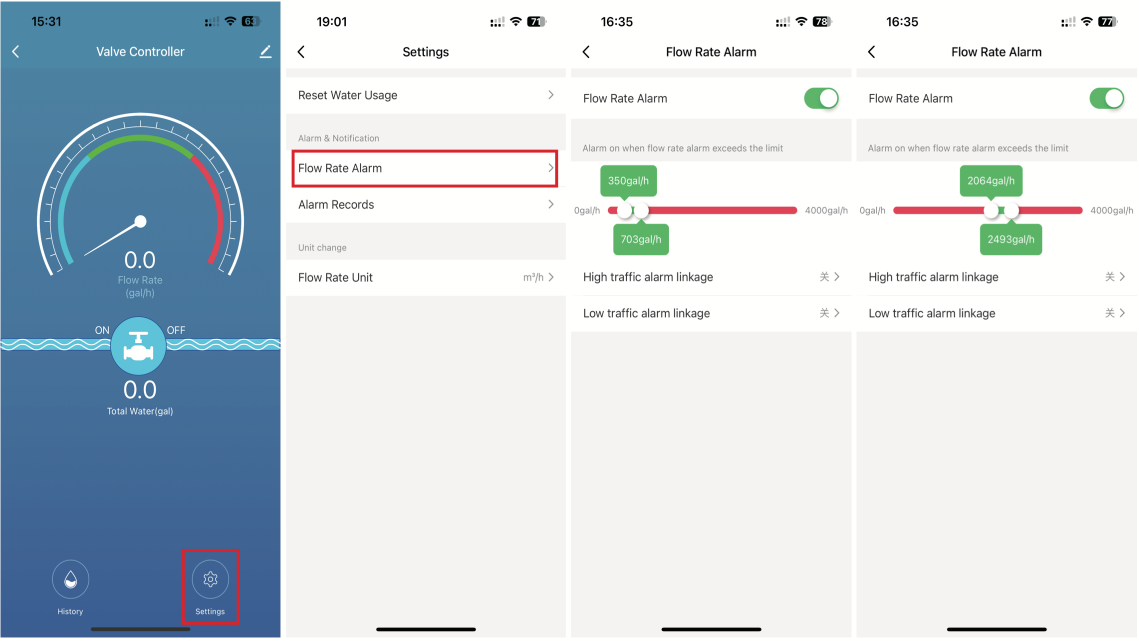
For each detector location, document the supported event, local indication, app or gateway connection, notification recipients, permitted control behavior, acknowledgement, physical inspection, and restoration rule. Then test the sequence using the applicable product instructions.
| Stage | Question | Evidence |
|---|---|---|
| Detect | What condition can this sensor observe at this location? | Placement record and supported test result |
| Communicate | Which local, network, account, app, or gateway dependencies carry the event? | Current configuration and outage test |
| Alert or control | What notification or flow-control behavior is explicitly supported? | Documented rule and commissioned result |
| Inspect | Who can enter the property and determine what happened? | Named response owner and escalation contacts |
| Restore | Who authorizes reopening and what must be checked first? | Written repair, inspection, test, and restoration procedure |
03
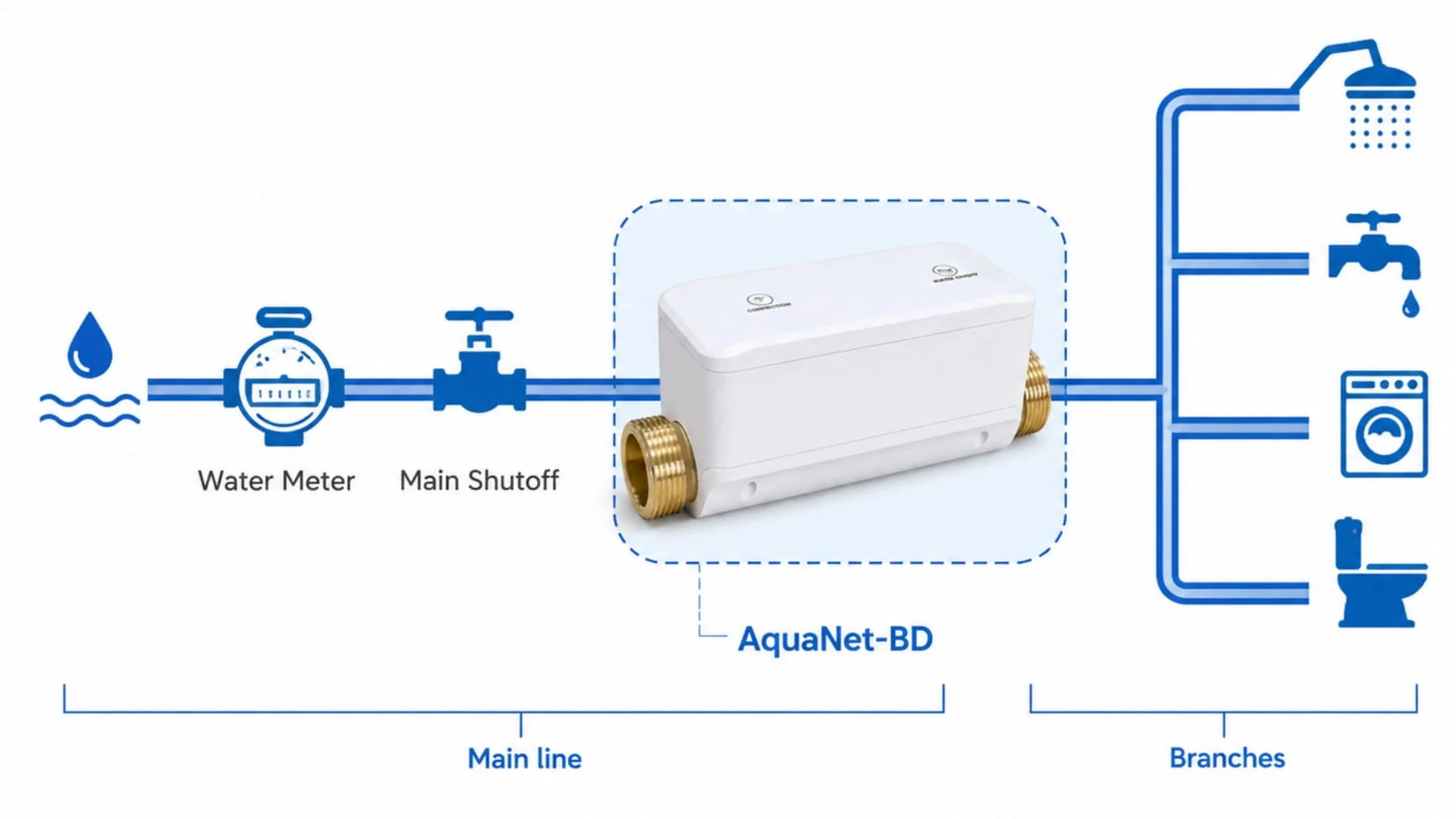
The main valve and risk locations determine the real project scope.
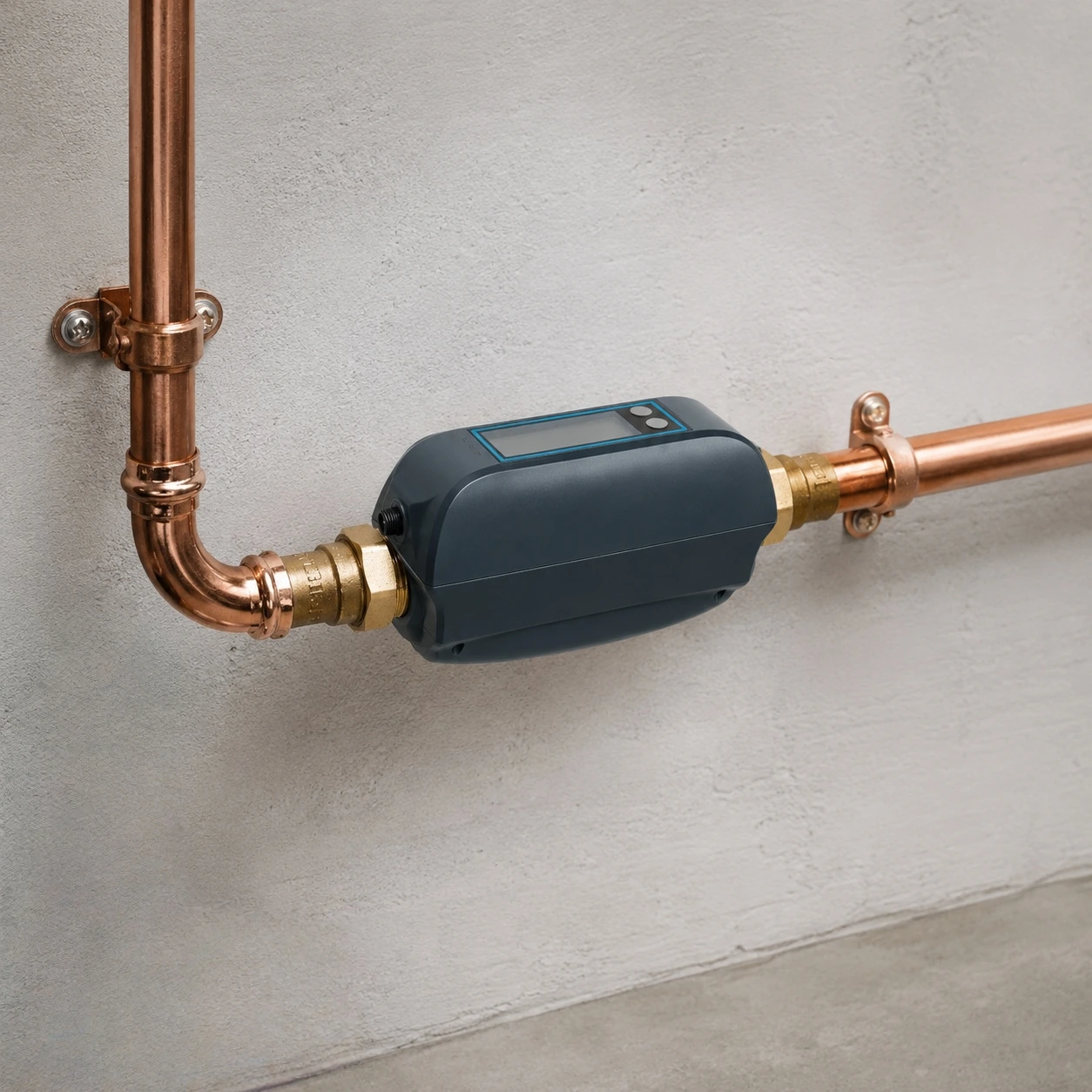
Provide the installer with the valve type, dimensions, pipe arrangement, clearance, access, condition, power and network context, plus the intended detector locations. The installer must determine whether the proposed control component and installation method fit the property.
04
Test normal operation, expected events, outages, and recovery.
A commissioning record should identify installed components, locations, configuration, account ownership, notification recipients, supported detector tests, valve behavior, power and network recovery, fallback, maintenance, local response, and restoration authority.
-
Confirm the installed scope
Match the physical components and configuration to the approved partner plan.
-
Test the event paths
Verify supported local indications, alerts, controls, acknowledgements, and state updates.
-
Test dependencies
Record behavior and recovery when a relevant power, network, account, gateway, or app dependency is unavailable.
-
Hand off ownership
Give the owner and responder the documents, contacts, maintenance plan, fallback, and restoration procedure.
05
Questions people ask before the next step
Will every leak detector automatically close a smart water valve?
No. The detector, control component, app or gateway, event logic, dependencies, configuration, and supported product documentation must explicitly define that behavior.
Does a connected water kit guarantee damage prevention?
No. Detection, placement, fit, power, network, mechanical operation, maintenance, commissioning, and human response can all affect the outcome.
Can I buy a kit before checking the existing valve?
Available kits can be ordered directly, but the valve, pipe, clearance, access, condition, utilities, and intended installation method should be reviewed before the project is treated as fit-confirmed.
What should commissioning prove?
It should verify the installed scope and supported detection, indication, alert, control, state, dependency, recovery, fallback, maintenance, response, and restoration paths.
Turn the kit into a documented property response system.
Bring the component map, event logic, site evidence, local responder, and restoration procedure into the installer-supported project plan.