
Put People Before Connected Devices
If you suspect a gas leak, leave the affected area without operating switches, fans or appliances. From a safe location, contact emergency services and your gas utility. Do not wait for an app or automated routine.
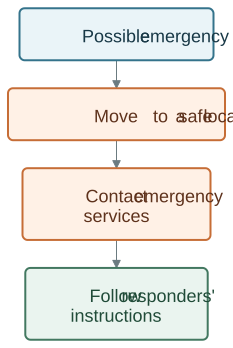
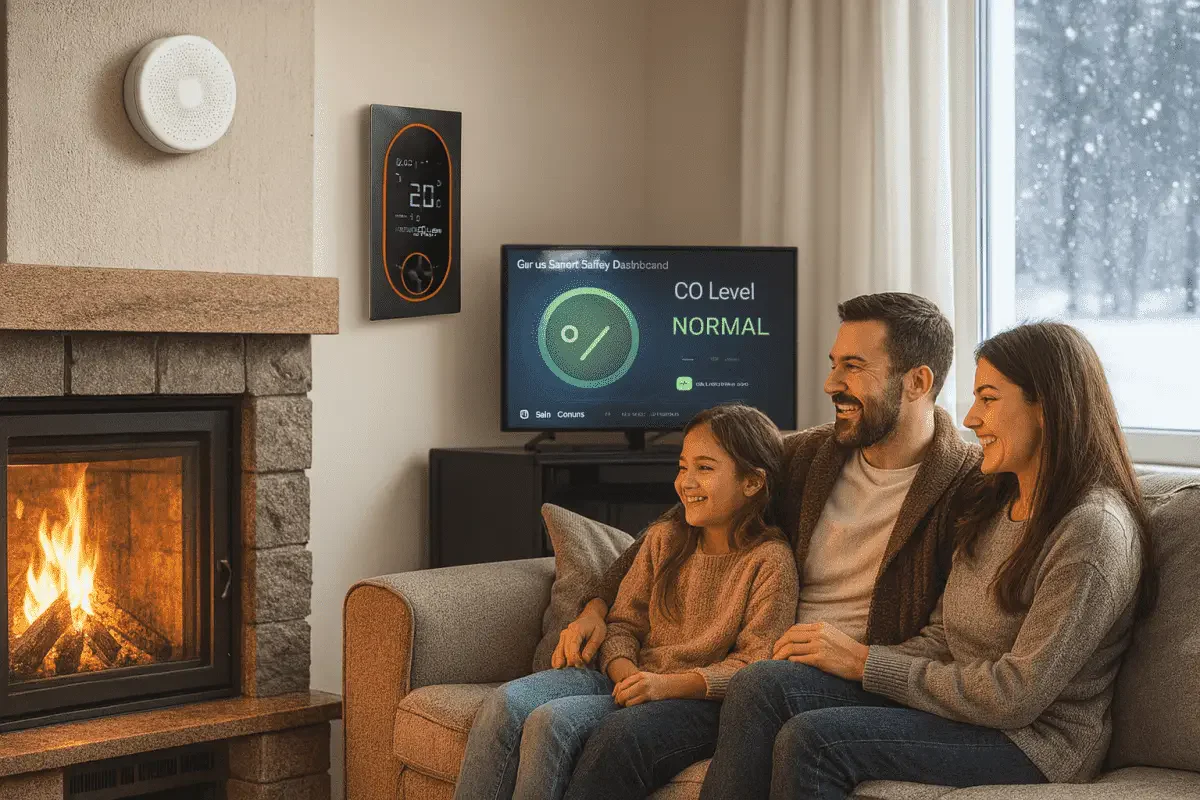
If a CO alarm sounds, get outside to fresh air and call 911. Do not wait for a phone notification or try to clear an alarm with fans or open windows. Follow emergency responders’ instructions before returning. CPSC explains how to respond to a CO alarm; PG&E provides gas-leak emergency guidance.
Smart-home equipment can provide information, but an app, detector status or automation cannot establish that a building is safe. Keep emergency decisions separate from routine device setup.
A Water Alert While You Are Away
A laundry room or an infrequently visited property needs a response plan as well as a sensor. Decide who can check an alert and how they can contact an appropriate professional. A phone notification is useful only if someone can respond.
AquaNet-M provides water detection; AquaNet-VM provides valve control. A detector and a valve perform different jobs. Do not assume that buying both establishes an automatic relationship: check the exact devices, connection requirements and supported setup.
If considering an AquaNet-BD kit, review the included components and installation conditions. After any reported valve action, arrange an appropriate check of the leak and the affected equipment. A closed valve does not repair a damaged pipe or establish that damage has been avoided.
A Gas Concern in the Kitchen
A gas smell calls for the emergency response above, not a diagnostic app session. Do not switch HVAC, fans, outlets or other electrical devices on or off while investigating a suspected leak.
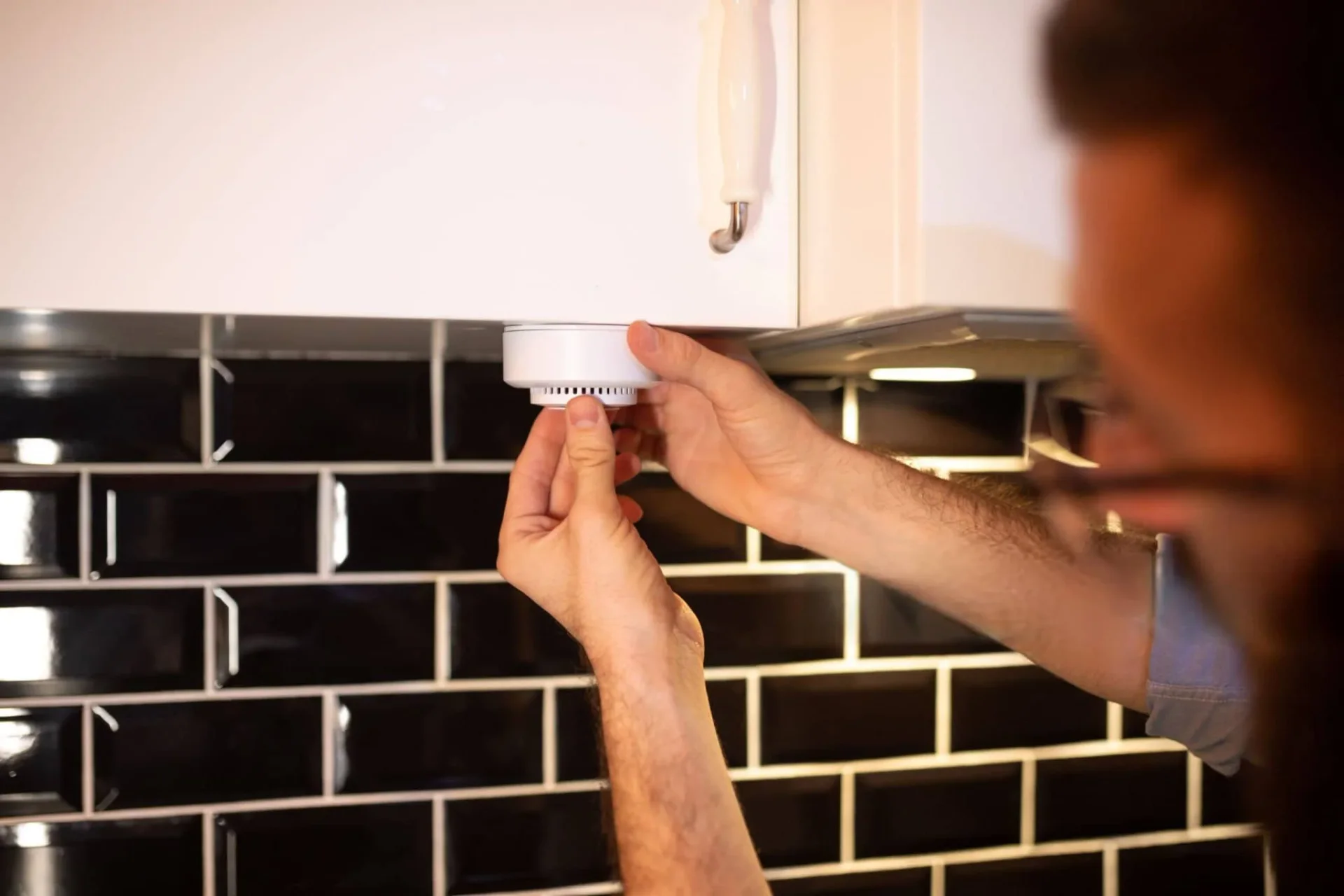
For future product selection, distinguish combustible gas detection from smoke and carbon monoxide detection. GasNet-S4 is the gas-detector product; GasNet-CM is the smoke and CO product. The product names are not interchangeable.
Use the exact model’s instructions to check gas coverage, placement, power and maintenance. The gas-smell safety guide covers the immediate response; a shopping page is not an emergency service.
A CO Alarm in a Sleeping Area
Treat a CO alarm as an emergency even if you cannot smell anything or an app shows no additional warning. Get outside and seek emergency help. Do not substitute a baby monitor, camera or connected-window routine for this response.
When preparing the home, use the alarm manufacturer’s instructions and applicable local guidance to determine placement, testing and replacement. A device’s network connection does not replace its alarm instructions or the household’s emergency plan.
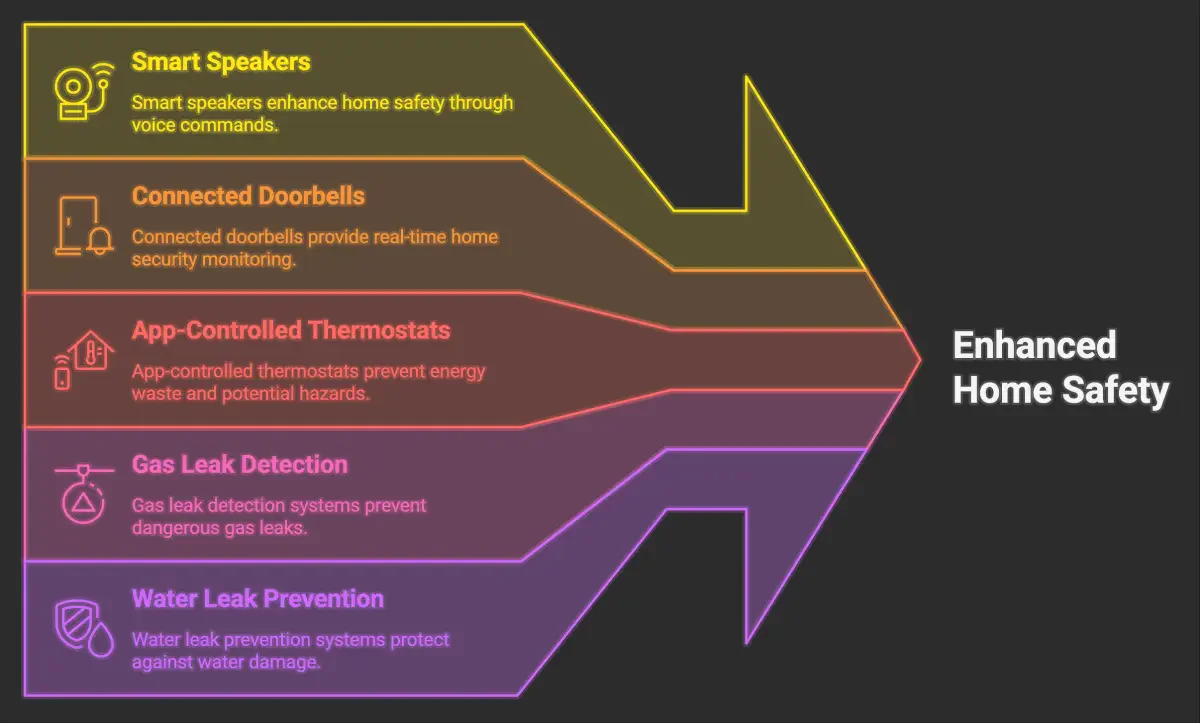
Separate Detection, Water Control and Emergency Help
- Detection: Review which hazard the particular detector is designed to identify.
- Notification: Check how household members receive and respond to an alert.
- Water control: Verify the exact valve, supported commands and installation before relying on it for a water-related task.
- Emergency help: Know how to leave and contact responders without waiting for a device or automation.
Do not configure a general-purpose routine that treats smoke, CO, gas and water as the same event. In particular, a water valve is not a gas shutoff device, and automatic lighting or ventilation is not a substitute for evacuation.
Prepare a Household Response Plan
Choose an emergency meeting point, discuss who needs help leaving, and keep the utility and emergency contact information accessible. Discuss the plan with everyone who uses the property, including tenants or guests.
For routine water alerts, establish a separate contact and maintenance plan. Review the setup when equipment, occupants or phone access changes. Use each product’s documented testing procedure; do not deliberately release gas, create smoke or alter wiring to test an automation.
The scenarios here describe decisions to prepare for, not verified customer testimonials or estimates of prevented losses. No product can guarantee that a leak, fire or injury will be prevented.
Choose Devices for a Specific Need
Compare water-protection products or explore Grus devices after the immediate safety concern has been resolved. Start with the hazard and installation requirements, then review the exact product and manual rather than assuming every device supports every platform.