A CO Alarm Needs an Immediate Response
A CO alarm calls for getting outside to fresh air and seeking emergency help. An app notification or a device status does not establish that the home is safe to enter.
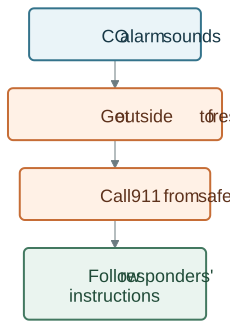
Do not wait for a phone notification or operate heating, fans or other connected equipment to investigate an alarm. Follow emergency responders’ instructions before returning. Read the CPSC CO guidance.
If you suspect a gas leak, leave without operating electrical switches or appliances and contact emergency services and the gas utility from a safe location. PG&E’s gas-safety guidance explains this response.
Prepare Heating Equipment Before the Season
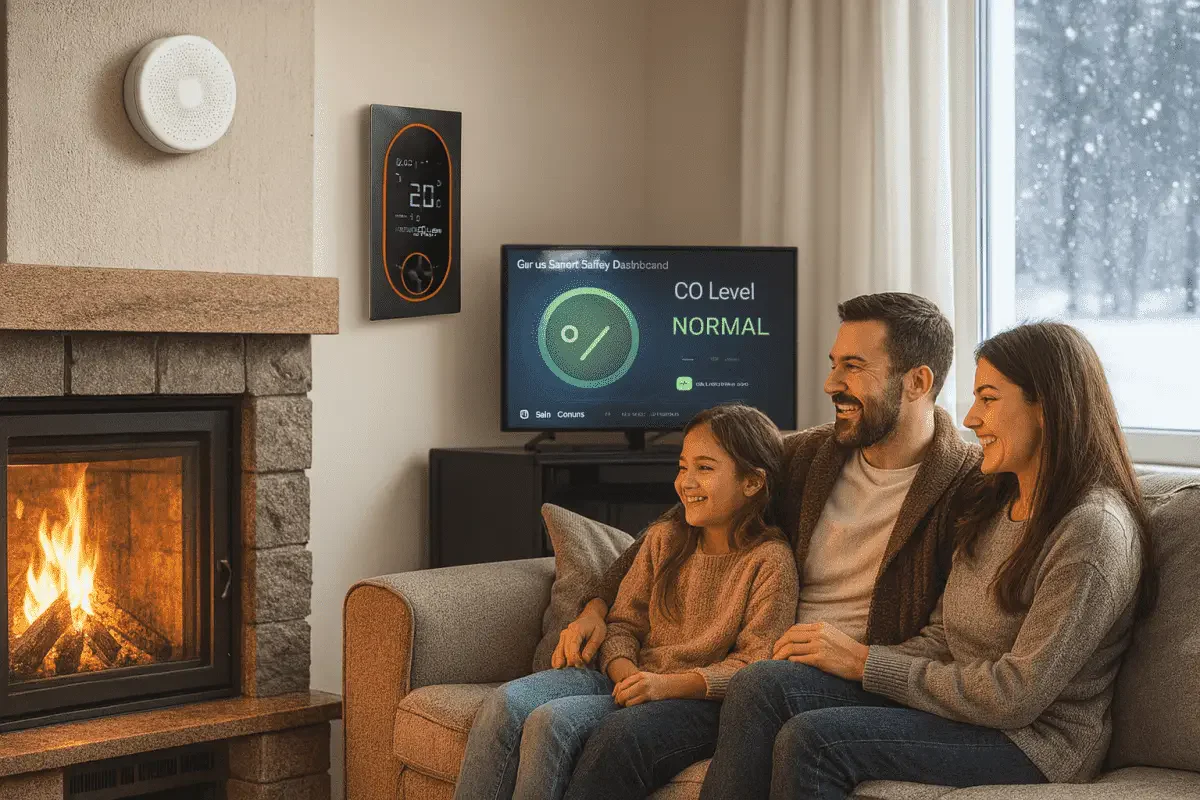
A fireplace or fuel-burning heating system needs the maintenance specified for that equipment. Arrange qualified inspection and servicing of the appliance, chimney and venting before use. A connected detector is an additional warning device, not a substitute for this work.
Discuss damaged components, unusual odors, soot or operating changes with the appropriate professional. Do not use a detector reading to decide that a faulty appliance is safe to keep running. For an active alarm or suspected leak, use the emergency response above instead of a routine maintenance checklist.
Check Each Detector’s Purpose
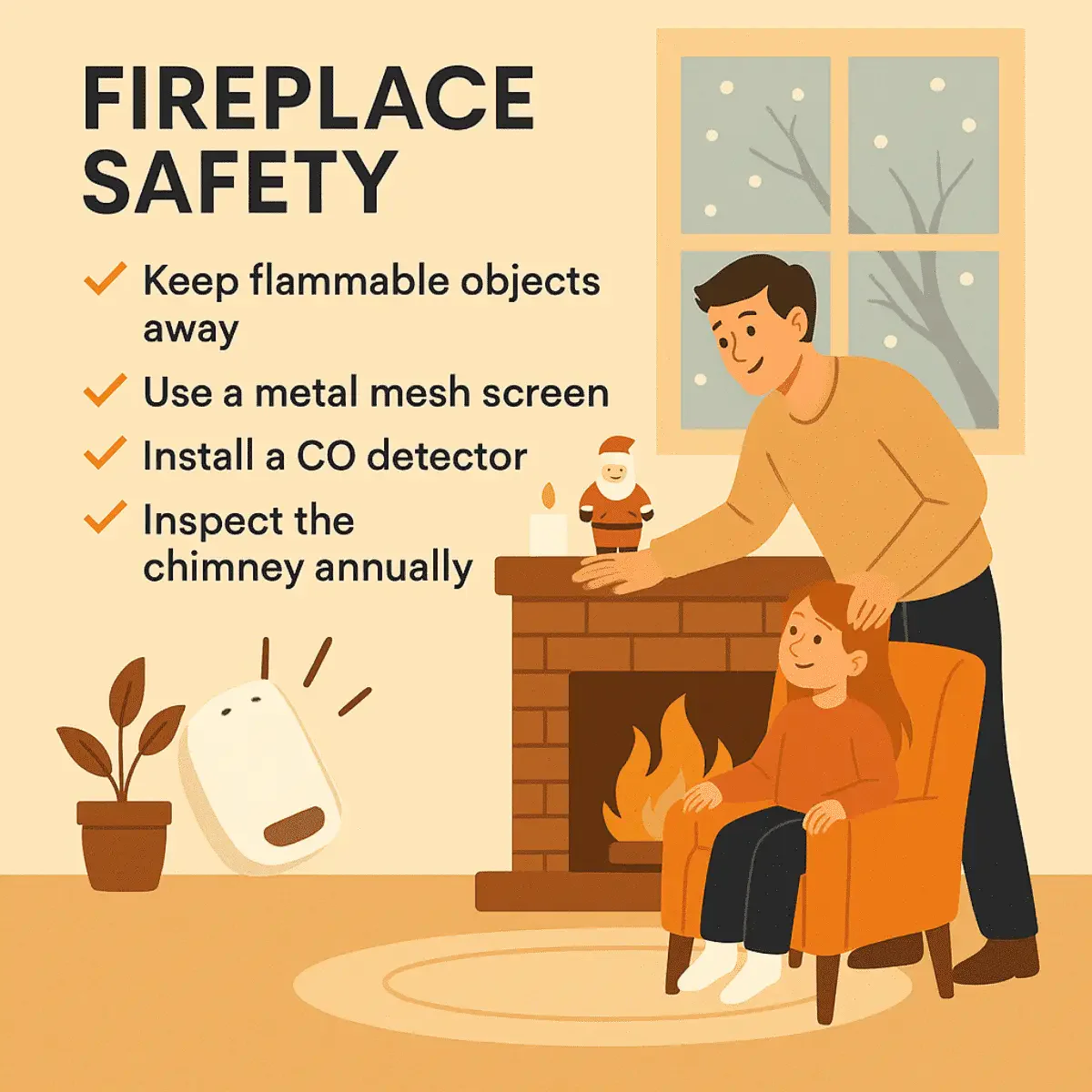
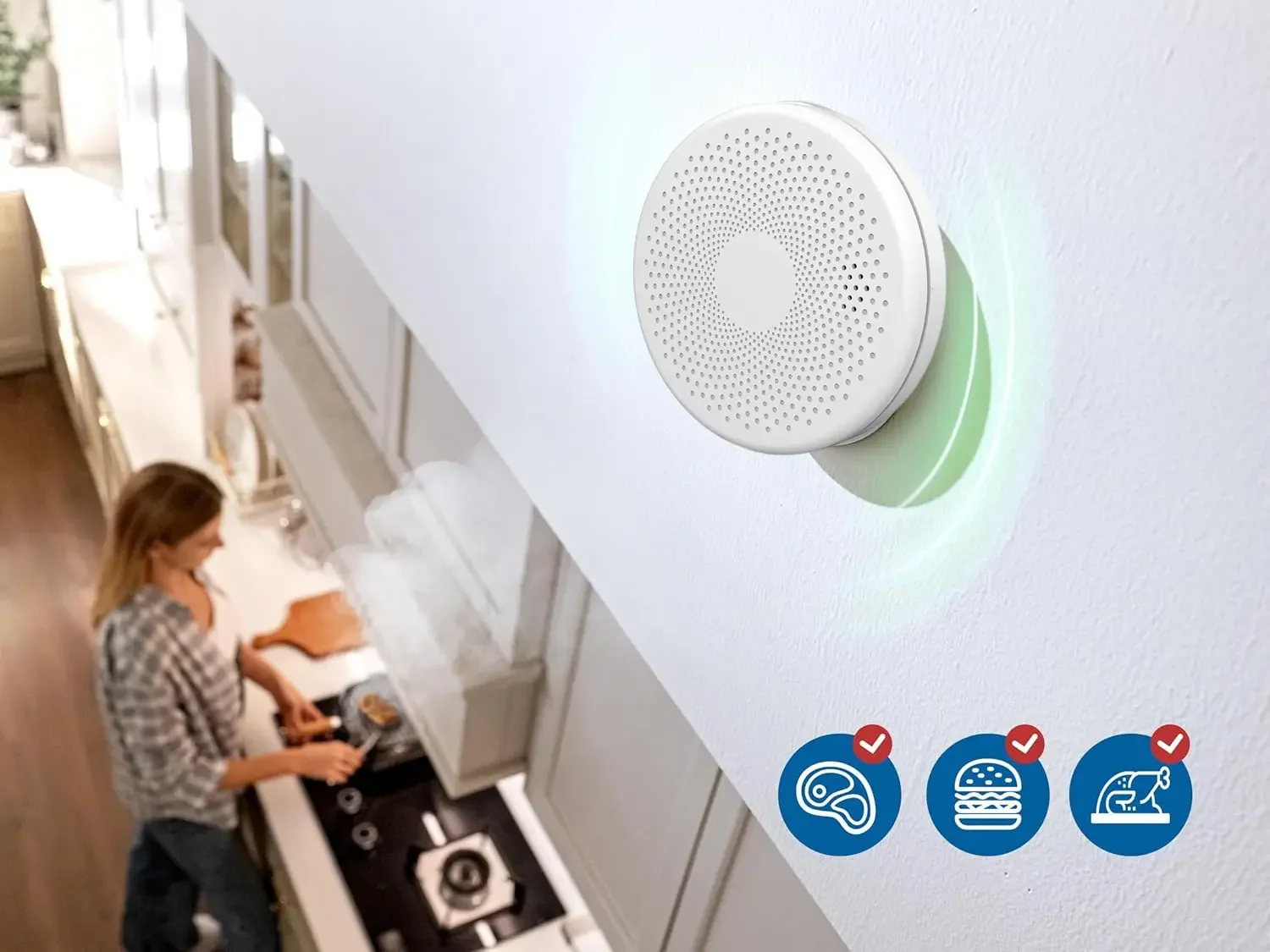
Smoke, carbon monoxide and combustible gas are different detection tasks. Review which hazards the exact product covers rather than treating a connected alarm as a general air-quality or backdraft sensor.
- GasNet-CM is the smoke and carbon monoxide product.
- GasNet-S4 is the gas-detector product; check the exact model’s stated gas coverage.
- For an immediate gas concern, use the gas-smell safety guide, not a product comparison.
An alarm’s app features, power arrangement and maintenance requirements depend on the model. Do not assume a battery backup, adjustable alarm threshold or third-party integration.
A Practical Winter Checklist
| Preparation | What to review |
|---|---|
| Heating service | Arrange the appliance and venting checks specified for the equipment. |
| Detector selection | Match each alarm to the hazard it is intended to detect. |
| Placement | Follow the exact alarm instructions and applicable local guidance. |
| Testing | Use the manufacturer’s test procedure and schedule. |
| Power and replacement | Check the documented power source, battery requirements and end-of-life instructions. |
| Household response | Make sure occupants know how to leave and where to call for help. |
Keep a record of maintenance and replacement dates. Revisit the plan when the heating system, room use or household changes. There is no universal mounting height, calibration schedule or alarm threshold for all detector types.
Keep App Features Separate From Emergency Response
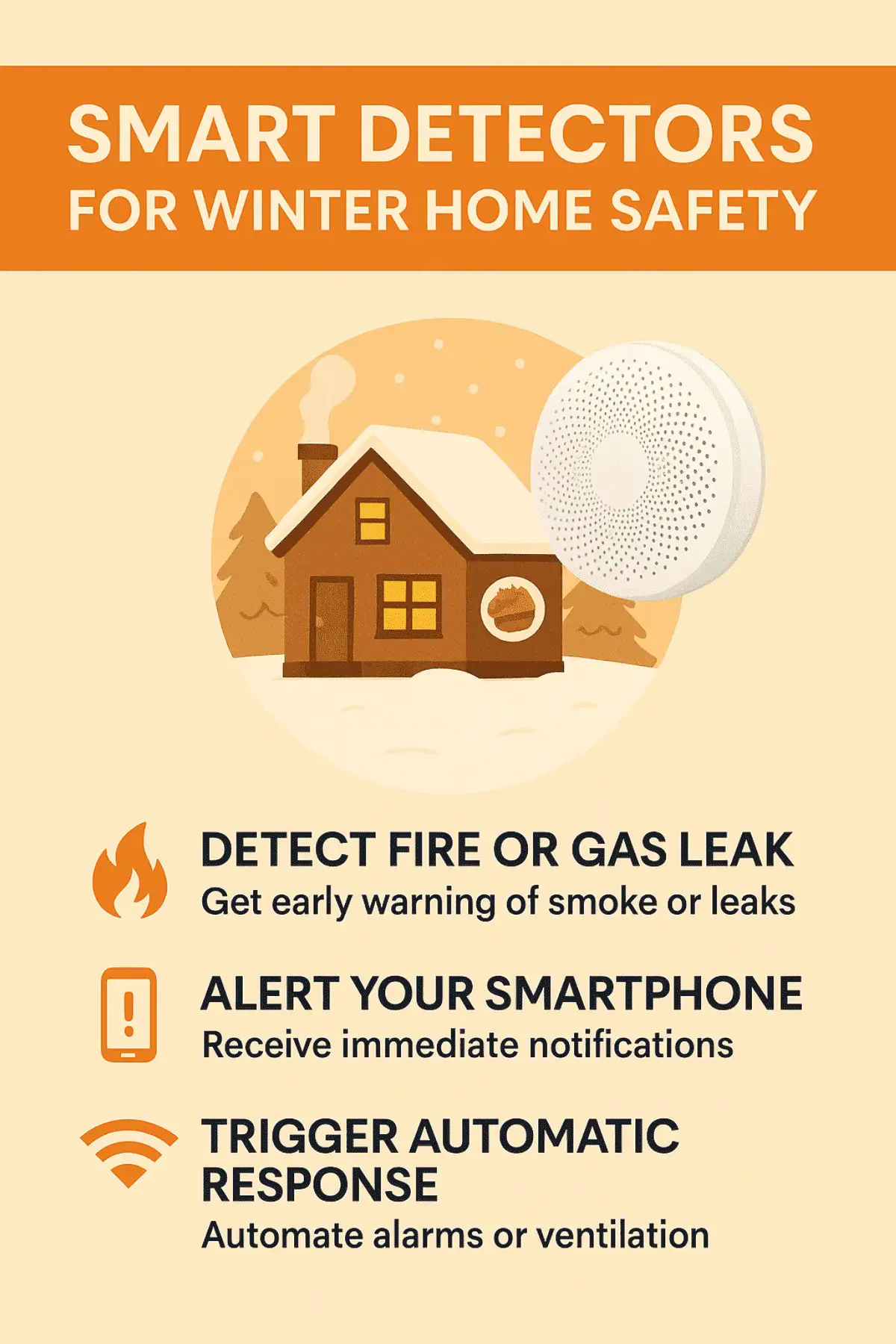
A remote notification may be useful for awareness, but network access and phone settings can affect whether it is received. Do not wait for an app to confirm an alarm or ask a voice assistant whether the fireplace is safe.
Do not use CO or gas readings to trigger fans, lights or valves as a substitute for leaving and contacting emergency services. A water valve is not a gas safety device. Review any non-emergency integration separately against the exact product documentation.
Follow the responders’ instructions before returning or restarting affected equipment. Have a qualified professional investigate the source of the alarm. Review product setup separately, using the exact model manual.
Review Setup Without Creating a Hazard
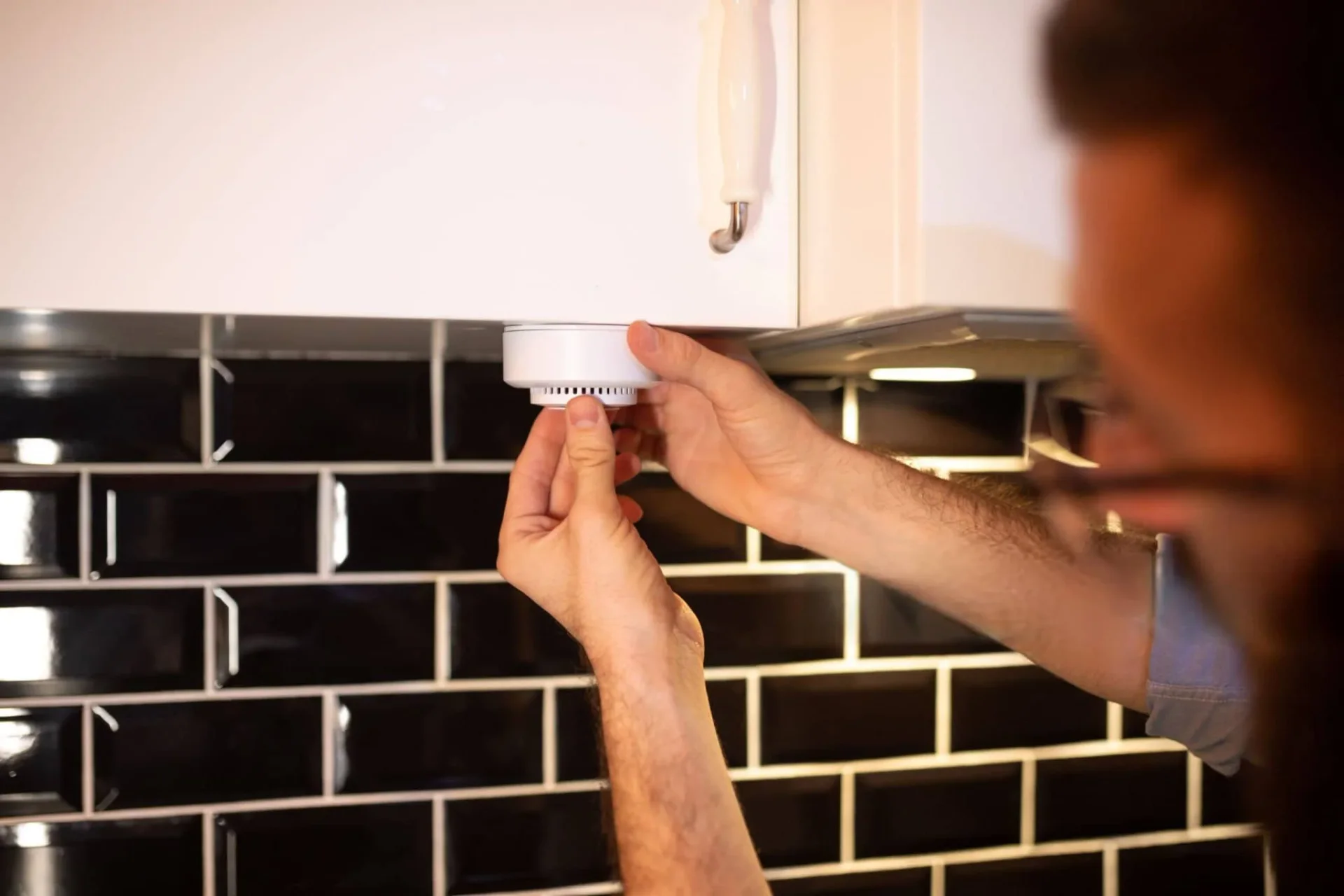
Use the documented setup and test controls. Do not release gas, create smoke, change alarm thresholds or modify heating wiring to test a connected routine.
Have placement or installation questions reviewed before equipment is used. Ensure everyone knows the alarm sound and understands that an app notification or a cleared display does not authorize re-entry.
Make Preparation Part of the Heating Routine
Combine qualified heating maintenance, suitable alarms and a clear household response plan. Each serves a different purpose; none establishes complete protection on its own.
Review the Grus smoke and CO detector for product information, or browse Grus when planning future equipment. Resolve any current emergency first.