
Suspect a gas leak now? Leave the area immediately, avoid ignition sources, and call 911 and your gas utility from a safe location. Do not wait for an app notification or investigate the source. PG&E’s gas-leak guidance puts leaving first.
Introduction: Why Gas Safety Starts With Awareness
When it comes to household dangers, a gas leak is one of the most silent and serious threats you can face. It often begins with subtle signs: a faint odor, a hissing sound, or even unexplained headaches. Unfortunately, many homeowners don’t realize the severity until it’s too late.
In this article, we’ll help you understand:
- The most common gas leak symptoms
- How to recognize natural gas leak symptoms early
- What to do if your house smells like gas
- And how to respond to slow gas leaks before they escalate
💡 Home safety tip: Knowing what a natural gas leak smells like and how to act quickly can save lives and property.
1. What Causes Gas Leaks in Homes?
Before diving into the symptoms, let’s look at what causes household gas leaks:
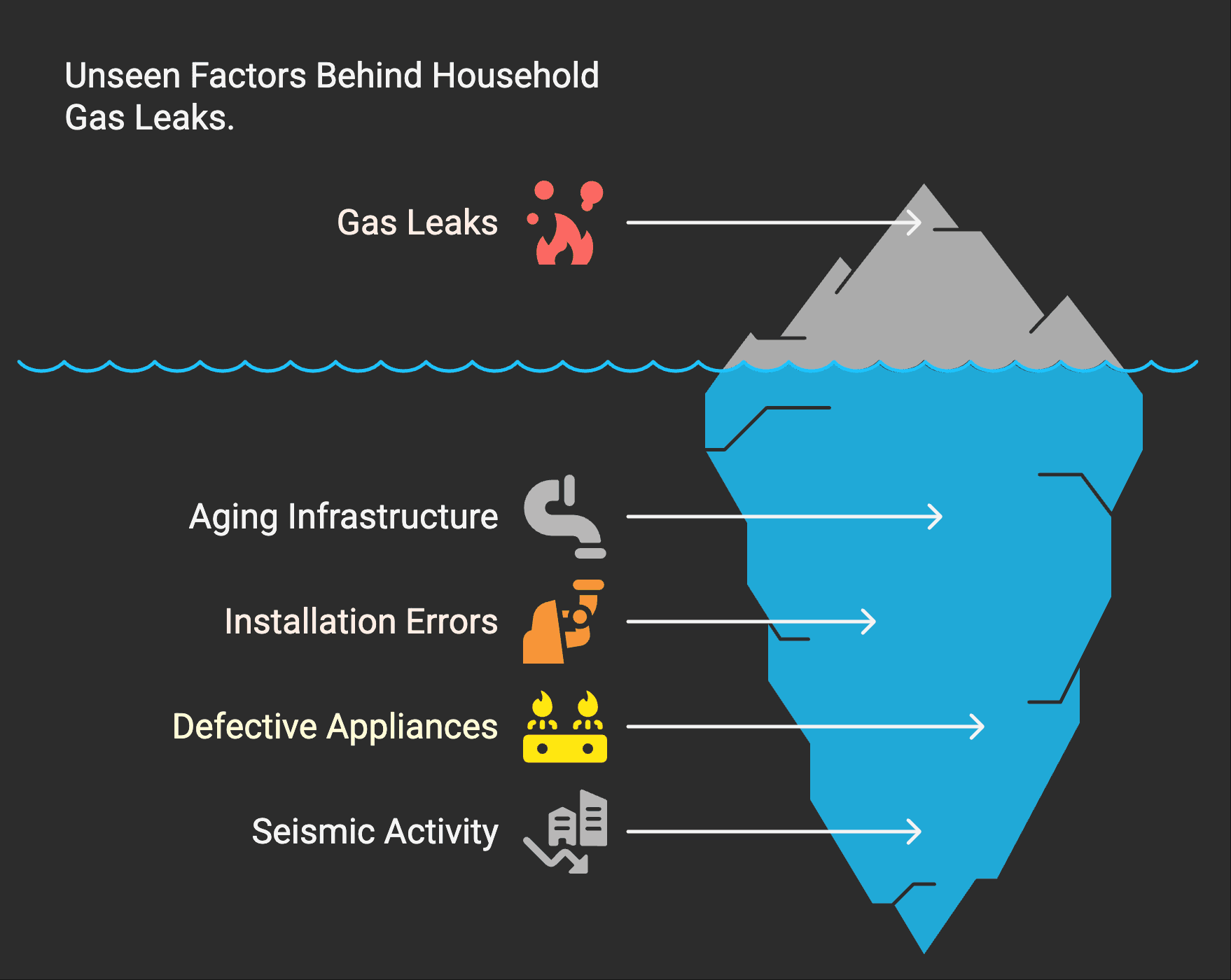
- Aging gas lines or pipe fittings
- Improper installation of appliances
- Faulty gas stoves, heaters, or fireplaces
- Damaged gas regulators or valves
- Earthquakes or foundation shifting impacting pipelines
While natural gas is odorless, utility companies add a chemical called mercaptan to give it a distinctive smell—often described as rotten eggs—to alert residents of potential leaks.
2. Common Gas Leak Symptoms in the Home
Whether it’s a slow gas leak or a more serious event, the body and environment will often show early warning signs.
A. Physical Symptoms in People and Pets
These are among the first indicators something is wrong:
| Symptom | Why It Happens |
|---|---|
| Headaches | Oxygen displacement caused by gas |
| Nausea or dizziness | Inhalation of low levels of natural gas |
| Fatigue or drowsiness | Gas affects oxygen levels and alertness |
| Irritation in eyes/throat | Possible buildup of contaminants |
| Shortness of breath | Especially for those with respiratory issues |
| Pets acting unusually lethargic | Animals are often more sensitive to gas leaks |
🛑 If multiple family members or pets experience these symptoms simultaneously indoors, it may indicate a gas leak.
B. Environmental or Appliance Symptoms
Visual and audio clues can be just as telling:
- House smells like gas — particularly near your stove, furnace, or gas meter
- Hissing or whistling sounds near pipes or gas lines
- Dead houseplants without any obvious reason
- Dust blowing near gas lines, even when no wind is present
- Pilot lights going out frequently
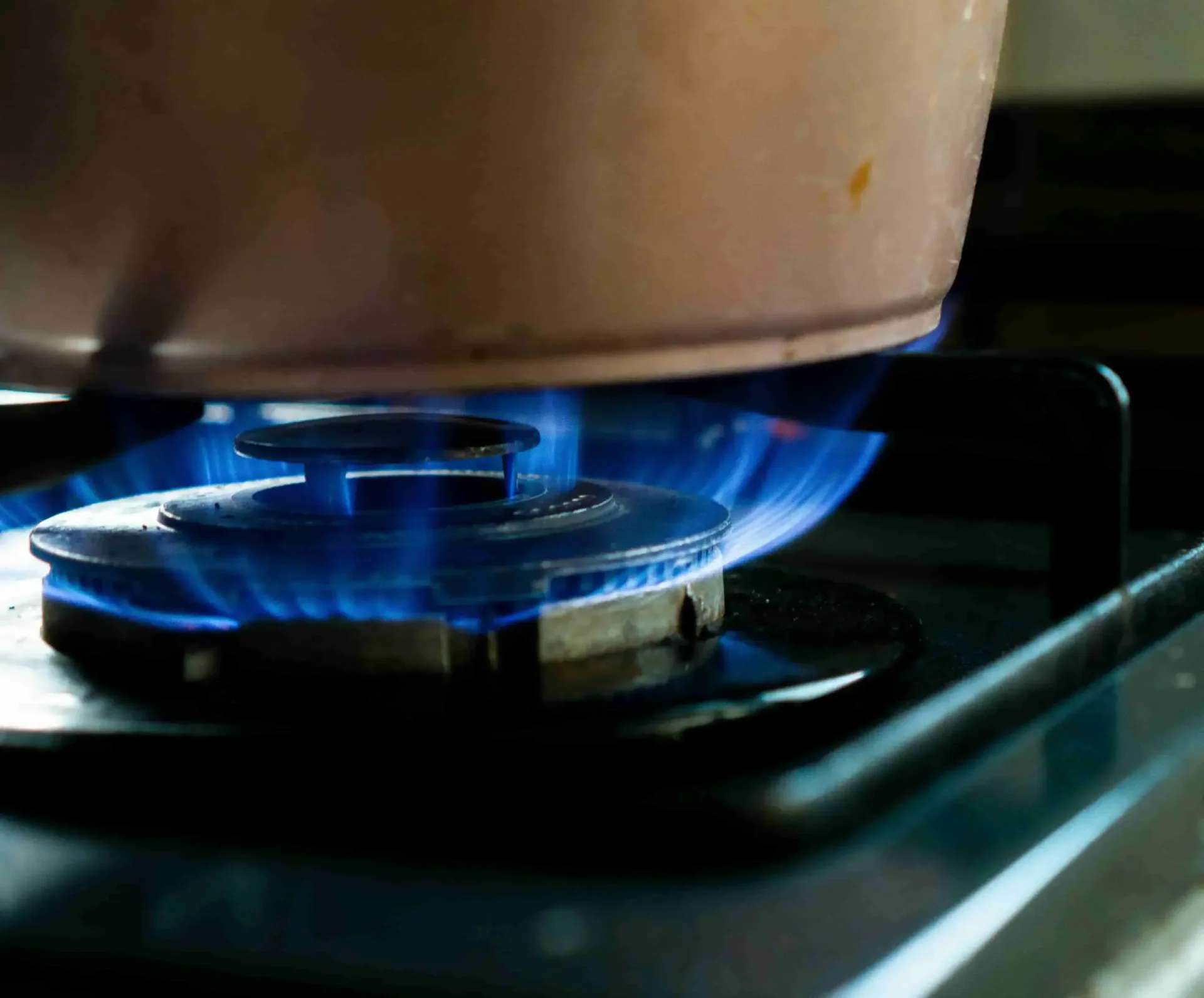
- Burners with orange/yellow flame instead of blue
These natural gas leak symptoms should never be ignored. Even if the smell is faint or intermittent, it may signal a slow gas leak that worsens over time.
3. What Does a Natural Gas Leak Smell Like?
The most identifiable sign of a gas leak is the distinct odor created by mercaptan, an additive that smells like:
- Rotten eggs
- Sulfur
- Sewage
- Moldy cabbage
While some people may become “nose blind” to the smell over time, it’s crucial to pay attention to any sudden, unusual odors, especially near appliances or gas lines.
If you suspect a leak, leave and report it from a safe location. Do not re-enter to check whether you can still smell gas.
🛑 Stay Calm, Stay Safe
If you’re reading this and already think your house smells like gas, don’t wait. Immediately:
- Leave the area immediately.
- Avoid flames, switches and electronics in the affected area.
- Call 911 and your gas utility from a safe location.
- Stay away until emergency responders say it is safe to return.
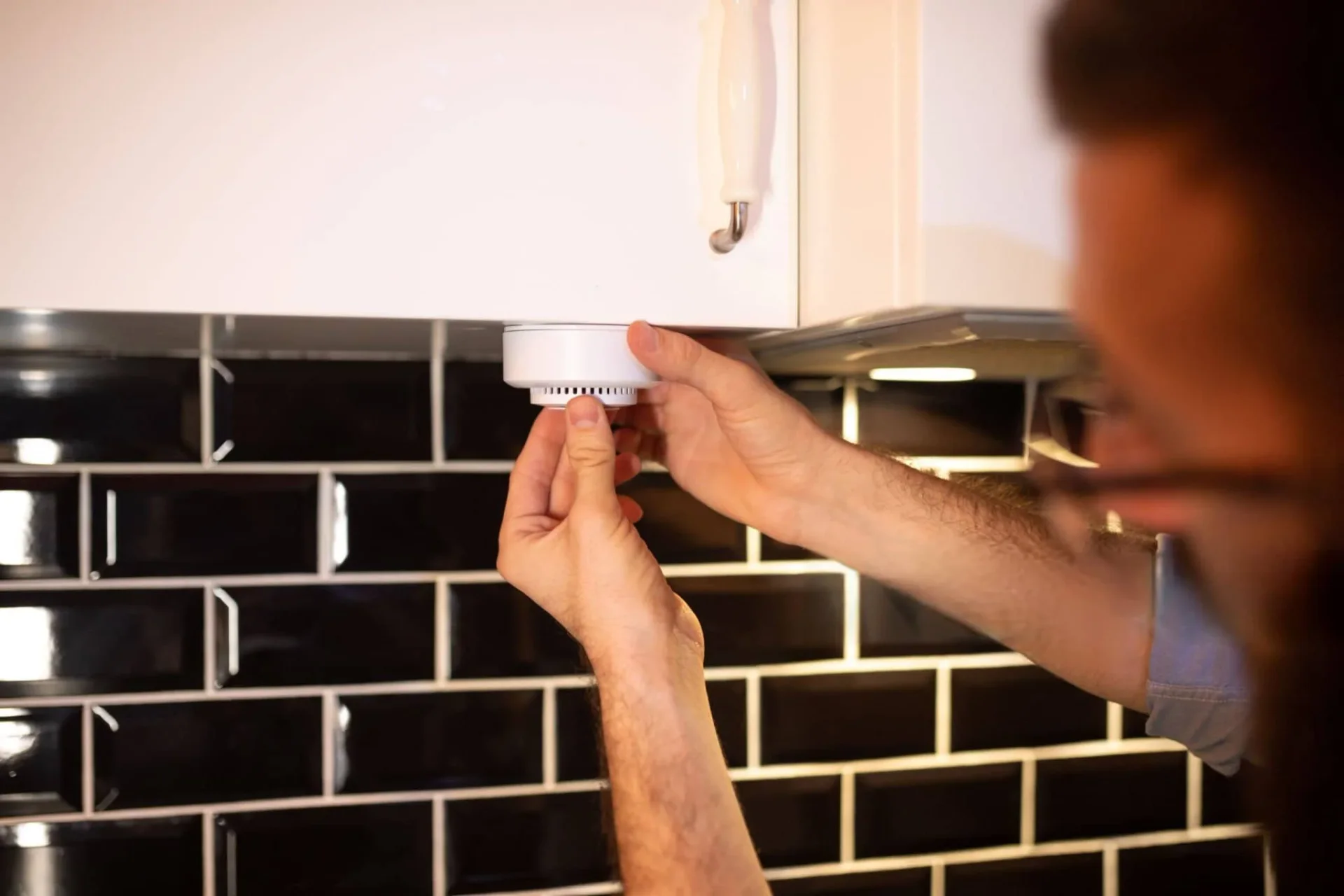
Plan detector coverage after immediate safety concerns are resolved. The alarm must match the hazard being monitored; a smoke/CO alarm is not a substitute for a combustible-gas detector.
4. Detecting Slow Gas Leaks and Protecting Your Home
Not all gas leaks come with a dramatic smell or an audible hiss. In fact, the most dangerous leaks are often slow, silent, and build up over time—without any obvious warning signs.
Let’s explore how you can detect slow gas leaks, the role of smart sensors, and why every modern home should have a gas detection system in place.
4.1 What Are Slow Gas Leak Symptoms?
A slow gas leak refers to a small, continuous leak that may not trigger immediate physical symptoms or strong odors. However, over time it can accumulate to dangerous levels.
🐢 Typical Signs of a Slow Leak:
- Intermittent headaches or nausea at home but not outside
- Slight rotten egg smell that seems to “come and go”
- Inconsistent gas burner performance
- Unexplained increase in your gas bill
- Gas-powered appliances feel warmer than expected when off
These can be easy to dismiss—but ignoring them may allow gas to accumulate, raising the risk of asphyxiation or explosion.
4.2 Leave Leak Investigation to Professionals
A gas bill, a phone notification or the absence of an alarm cannot clear a suspected leak. Do not remain inside to test fittings with soapy water or search with a handheld detector. Report the concern from safety and let the gas utility or emergency responders investigate.
5. Why Every Home Should Have a Smart Gas Detector
Relying solely on smell or symptoms is risky—especially for households with:
- Elderly individuals
- Children
- Pets
- Sleep apnea patients on oxygen machines
- Multiple gas appliances
Match the Detector to the Hazard
GasNet-CM is the Grus smoke and carbon monoxide detector. Do not treat it as a methane, propane or general air-quality detector.
The smart gas leak detector has a separate product page. Check its documented gas type, placement and operating requirements before choosing it. A product name or app connection does not establish coverage for every hazard.
6. Plan Coverage After Immediate Safety Concerns Are Resolved
Use each detector according to its model manual and local requirements. Check the documented local alarm, power requirements and any available notifications separately. Do not wait for a phone alert before responding to suspected gas or an alarm.
Automatic HVAC shutdown, voice-assistant integration and whole-home coverage are not assumed here. Ask about the exact model and installation before relying on an integration.
7. What to Do If You Suspect a Gas Leak + Final Safety Checklist
Gas leaks can be terrifying—but with the right response plan and proactive monitoring, you can protect your home and loved ones.
In this final section, we’ll cover:
- Immediate actions when a leak is suspected
- When to call 911 vs your utility company
- Preventive safety tips
- How to build a complete smart safety system with Grus
7.1 Emergency Response Checklist: What to Do Right Now
If you suspect or confirm any signs of a gas leak—don’t panic, but act quickly.
🛑 Do This Immediately:
- Leave the building immediately. Do not try to locate the leak yourself.
- Do not use electronics, matches, or lighters. Even flipping a light switch can cause a spark.
- Do not delay leaving to ventilate, test fittings or find the leak.
- Call your gas utility or 911 from a safe location.
- Keep others away from the property until cleared by professionals.
🧯 DO NOT re-enter your home until the gas company or fire department confirms it’s safe.
7.2 Who to Call in a Gas Leak Emergency
| Situation | Contact |
|---|---|
| You smell gas indoors | Local gas utility emergency line |
| You see sparks, fire, or feel unwell | 911 (Emergency services) |
| CO detector is triggered | Fire department + evacuate |
| Suspected gas odor, even if faint | Leave and contact emergency services and the gas utility from safety |
Have these contacts saved in your phone and posted near your main gas meter for easy access.
7.3 Preventive Tips to Avoid Future Leaks
Even if you’ve never had a leak before, proactive steps can save lives:
- Schedule annual inspections of all gas appliances
- Upgrade to smart detectors with 24/7 monitoring
- Teach everyone in your household what gas smells like and how to respond
- Label your gas shut-off valve and teach family members how to use it
- Consider bundling gas detection with smoke, CO, and water leak sensors
🏡 Stay Protected with the Grus GasNet Series
Choose a detector for the hazard it is documented to monitor. Smoke, carbon monoxide and combustible gas are different detection requirements.
| Product | What to review |
|---|---|
| Smoke and carbon monoxide detector | Smoke/CO detection, placement and model instructions |
| Smart gas leak detector | Supported gas type, placement and model instructions |
Keep the response path safety-first
Read the Gas-Smell Safety Guide →
After immediate safety concerns are resolved, compare the smart gas leak detector and smoke and carbon monoxide detector based on the hazard you need to monitor.
Whether you live in a suburban family home or a high-rise apartment, gas safety is not optional—it’s essential.