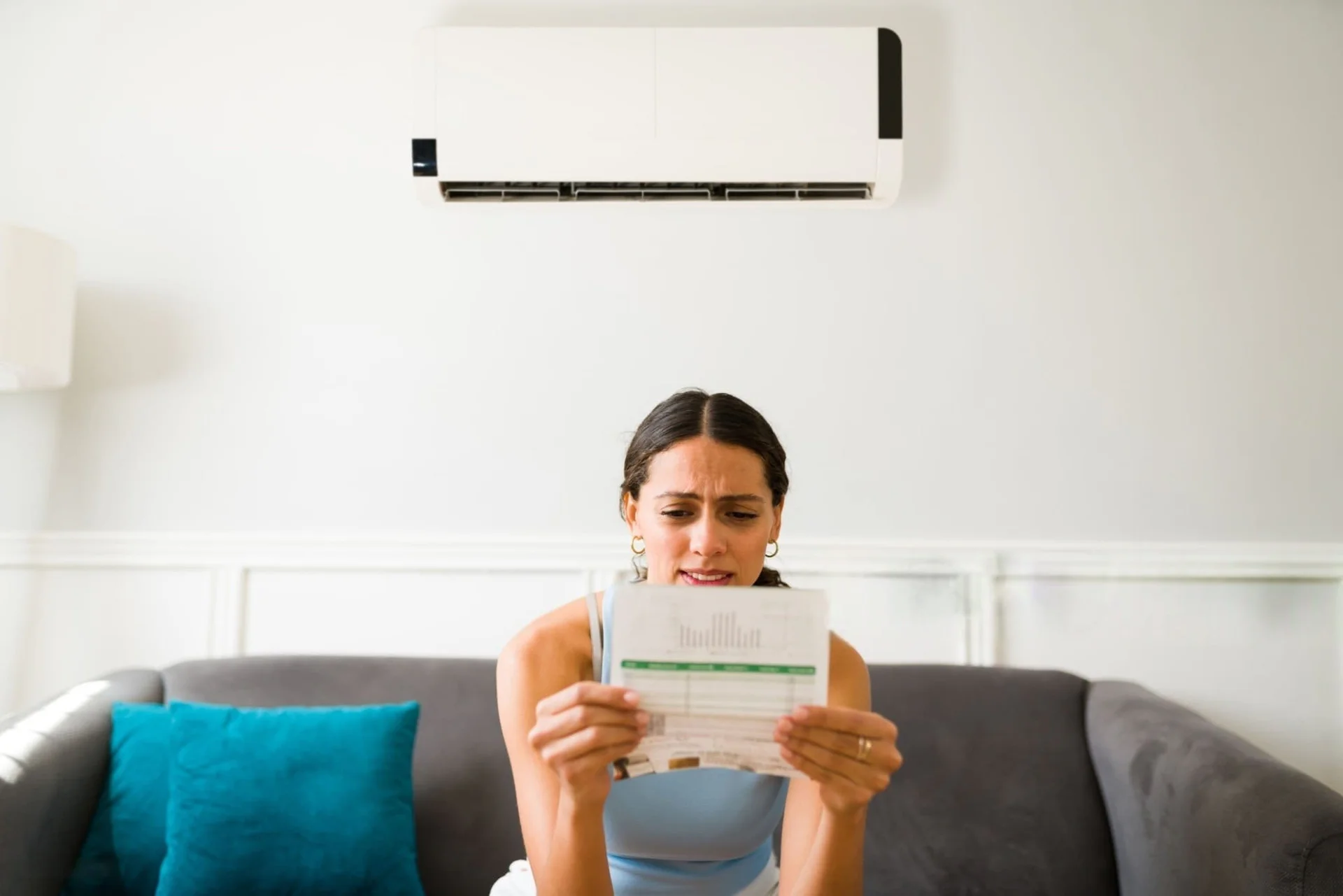
As record-breaking heat waves sweep across the U.S. this summer, millions of homeowners face the same pressing question: What’s the most cost-effective way to keep cool?
Should you install a window AC, upgrade to central air, or invest in a modern heat pump?
Before diving into energy usage, installation costs, and climate efficiency, let’s break down what these systems are — and what they’re called in the U.S. market, since terminology can often be a source of confusion.
🧾 Common U.S. Cooling System Types and Terminology
| System Type | U.S. Market Term | Common in Homes? | Primary Function | Notes |
|---|---|---|---|---|
| Window AC | Window Air Conditioner | ✅ Yes (older/small homes, apartments) | Cooling only | Often found in rental apartments and single-room use |
| Central Air System | Central AC | ✅ Yes (suburban homes) | Cooling only | Requires ductwork throughout the house |
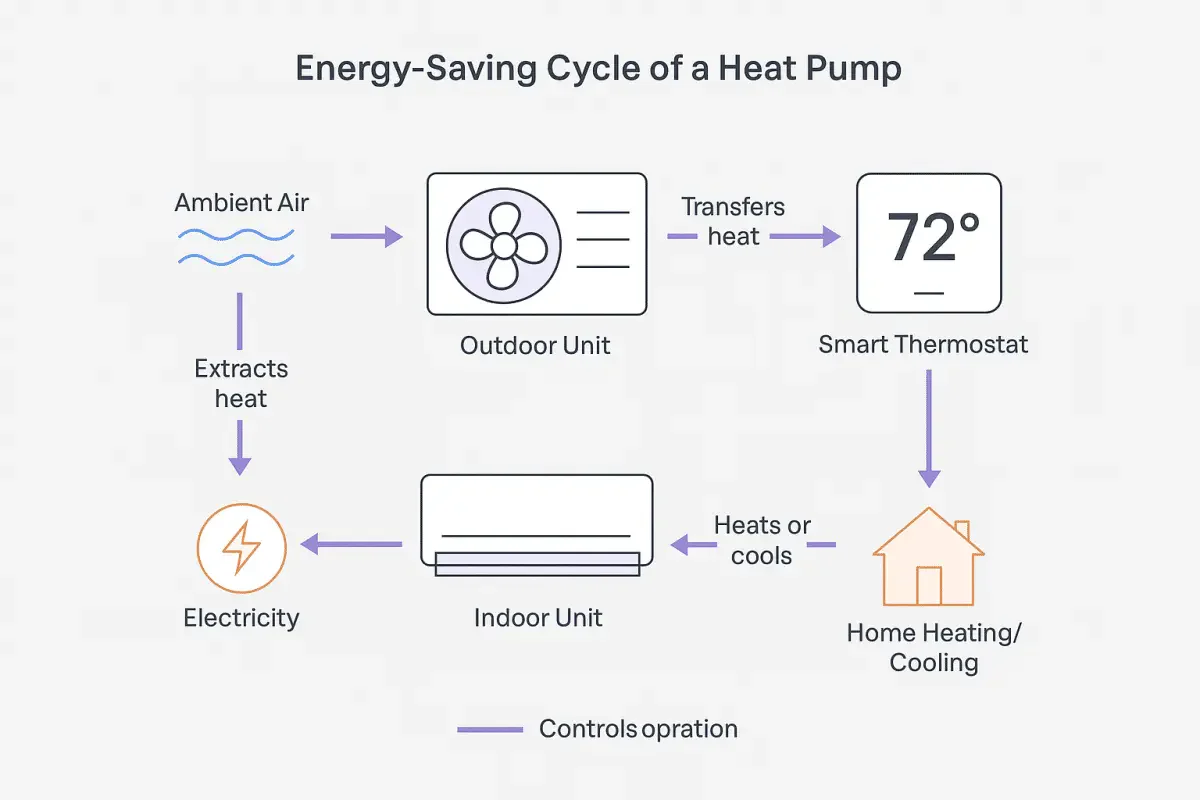
| Heat Pump | Heat Pump HVAC | ✅ Increasingly common | Heating & cooling | Energy-efficient alternative to both furnace and AC |
🔎 Clarification: In the U.S., “air conditioner” usually refers to central air systems. The term “heat pump” refers to a dual-purpose HVAC system that provides both cooling and heating — very popular in energy-efficient homes.
🌡️ Comparing Systems: Cost, Efficiency & Coverage
Let’s look at the high-level differences between the three cooling systems:
---
title: "Cooling Systems Comparison Overview"
---
flowchart LR

    WindowAC["Window AC"]:::ac
    CentralAC["Central Air Conditioner"]:::central
    HeatPump["Heat Pump"]:::pump

    WindowAC --> WCost["Low upfront cost"]:::cost
    WindowAC --> WScope["Cools 1 room"]:::scope
    WindowAC --> WEff["Low efficiency"]:::eff

    CentralAC --> CCost["Higher install cost"]:::cost
    CentralAC --> CScope["Whole-house via ducts"]:::scope
    CentralAC --> CEff["Medium efficiency"]:::eff

    HeatPump --> HCost["Moderate to high install"]:::cost
    HeatPump --> HScope["Whole-house or zones"]:::scope
    HeatPump --> HEff["High efficiency"]:::eff

    classDef ac fill:#b3e5fc,stroke:#0288d1,stroke-width:2px,color:#01579b,rounded:10px
    classDef central fill:#fff9c4,stroke:#fbc02d,stroke-width:2px,color:#7c6500,rounded:10px
    classDef pump fill:#c8e6c9,stroke:#388e3c,stroke-width:2px,color:#205620,rounded:10px
    classDef cost fill:#ffe082,stroke:#ffb300,stroke-width:1.5px,color:#7c4d00,rounded:10px
    classDef scope fill:#e1bee7,stroke:#8e24aa,stroke-width:1.5px,color:#4a148c,rounded:10px
    classDef eff fill:#b2dfdb,stroke:#00897b,stroke-width:1.5px,color:#004d40,rounded:10px
🧊 Real-World Use Case Example
- A window AC might be perfect for a renter living in a studio apartment, needing cooling for only one room.
- A central AC system is standard in many U.S. suburban homes, offering full-house cooling, but often uses more electricity.
- A heat pump, especially in regions like the Pacific Northwest or Southeast, can dramatically lower year-round HVAC costs by combining heating and cooling.
💡 Tip from Energy Experts
According to the U.S. Department of Energy, heat pumps can reduce electricity use for heating by approximately 50% compared to electric resistance heating, while offering comparable cooling performance to ACs.
✅ Summary Table: Cooling Systems At-a-Glance
| Feature | Window AC | Central AC | Heat Pump |
|---|---|---|---|
| Cooling Coverage | Single room | Whole home | Whole home / Zoned |
| Heating Capability | ❌ No | ❌ No | ✅ Yes |
| Installation Cost | 💲 | 💲💲💲 | 💲💲 to 💲💲💲 |
| Energy Efficiency | ⭐ | ⭐⭐ | ⭐⭐⭐ |
| Smart Thermostat Compatible | 🟡 Partial | ✅ Yes | ✅ Yes |
| Ideal For | Renters, small space | Existing ducts | Eco-conscious homes |
📉 Energy Usage & Monthly Electricity Costs
To help you choose the most economical cooling system, let’s break down the typical seasonal energy use and monthly costs of each system. For the analysis, we assume:
- 1,500–2,000 sq ft home
- Summer use in a hot U.S. climate (Zone 2 or 3)
- $0.16 per kWh average electricity cost
| Cooling System | Typical kWh/month | Avg. Monthly Cost | Efficiency Notes |
|---|---|---|---|
| Window AC (2 units) | 350–450 kWh | 56–72 | Only cools some rooms |
| Central AC | 600–900 kWh | 96–144 | Cools whole house, but often runs inefficiently |
| Heat Pump (SEER 20) | 450–600 kWh | 72–96 | High-efficiency dual-purpose system |
🔧 Note: A modern high-efficiency heat pump can outperform older central ACs, especially when combined with smart thermostats and zoning.
🧠 Why “Turning AC On and Off” Isn’t Always Efficient
Many homeowners think they’ll save money by turning off the air conditioner entirely when they leave home. While that may seem logical, this isn’t always true.
Why?
- Restarting a hot house can cause the system to run continuously at max power to catch up, using more energy than keeping it at a steady efficient level.
- Sudden humidity shifts can also affect indoor air quality and comfort.
✅ Best Practice: Use a smart thermostat or remote AC controller to raise the temperature while you’re away — not turn it off entirely — and cool down before you return.
🌐 Grus.io Solution: Smart Control with Energy Awareness
At Grus.io, we’ve developed a suite of smart thermostats and remote water/energy control devices that are perfect companions for heat pump and AC owners:
| Product | Ideal For | Key Feature | Link |
|---|---|---|---|
| EcoNet-HP | Heat Pump owners | AI-assisted energy scheduling | View Product |
| EcoNet-TU | Central AC with heat pump | Programmable, WiFi enabled | View Product |
| Grus App (free) | All users | Remote control + energy reports | Built into all devices |
🔌 Real Case: How Smart Thermostats Lowered Costs
User: Emma, Texas
“I used to leave my AC running all day. After switching to a Grus smart thermostat, I set a daily schedule: it goes up to 82°F when I leave and cools down to 74°F before I get back. My summer bill dropped by almost 20%!”
📊 Smart Control Impact Chart
---
title: "AC Cost with vs. without Smart Thermostat"
---
flowchart LR
    NoSmart["No Smart Thermostat(Central AC)"]:::old -->|"$140/month"| HighCost["Highest Cost"]:::cost1
    WithSmart["With Smart Thermostat(Central AC + EcoNet)"]:::smart -->|"$110/month"| LowCost["Lower Cost"]:::cost2
    SmartHeatPump["Smart Heat Pump(EcoNet-HP)"]:::pump -->|"$90/month"| LowestCost["Lowest Cost"]:::cost3

    classDef old fill:#ffcdd2,stroke:#b71c1c,stroke-width:2px,color:#b71c1c,rounded:10px
    classDef smart fill:#ffe082,stroke:#fbc02d,stroke-width:2px,color:#7c6500,rounded:10px
    classDef pump fill:#b2dfdb,stroke:#00897b,stroke-width:2px,color:#004d40,rounded:10px

    classDef cost1 fill:#ffcdd2,stroke:#b71c1c,stroke-width:2px,color:#b71c1c,rounded:10px
    classDef cost2 fill:#ffe082,stroke:#fbc02d,stroke-width:2px,color:#7c6500,rounded:10px
    classDef cost3 fill:#c8e6c9,stroke:#388e3c,stroke-width:2px,color:#205620,rounded:10px
⚠️ Avoid These Cooling Mistakes
- ❌ Turning off AC completely during the day
- ❌ Opening windows at night in humid climates
- ❌ Using outdated window units with low EER rating
- ❌ Not using ceiling fans to assist airflow
✅ Instead, combine cooling systems with smart devices for precise control and optimized scheduling.
📍 Match Cooling Systems to Climate and Home Type
Not every system fits every household. Below is a region-based and property-type recommendation matrix to help you decide:
| Location / Climate | Home Type | Best Cooling Choice | Why |
|---|---|---|---|
| Southern US (Hot & Humid) | Small Apartment | Window AC + Smart Plug | Cost-effective + fast cooling |
| Western US (Dry/Hot) | Medium House (own) | Heat Pump + EcoNet-HP | Efficient year-round heating & cooling |
| Northern US | Large Home | Central AC + EcoNet-TU | Full-home coverage + smart zoning |
| Mobile Home / RV | Any size | Smart AC controller only | Remote control + scheduling flexibility |
🧠 Smart Thermostats = Smarter Decisions
Why Grus.io Smart Thermostats Make the Difference:
- Learning Behavior: Automatically adjusts based on daily routines.
- Weather Adaptation: Pre-cools ahead of heat waves.
- Remote Control: Turn AC off/on from anywhere via Grus App.
- Energy Reports: Get real-time data on usage, trends, and cost.
💡 Bonus Tip: Combine with Smart Water Valve
Hot weather means higher water usage (e.g. for gardens, cooling). Pairing with AquaNet-BD helps avoid unnecessary water waste and leak risks when AC condensers are running heavily.
🔚 Conclusion: Which Cooling System Saves the Most in Summer?
TL;DR:
- 💸 Window AC is cheap upfront but costly long-term.
- 🌀 Central AC offers comfort but can be inefficient.
- 🔁 Heat Pump + Smart Thermostat provides the best energy-to-comfort ratio.
✅ Best Setup for 2025:
🔹 EcoNet-HP Smart Thermostat + High SEER Heat Pump
🔹 Paired with Grus Home Energy App for full remote access
🔹 Optional: Add AquaNet-BD for water leak and valve control