
Most standard outlets in U.S. homes provide 120 volts. A 240-volt outlet usually has a different receptacle pattern and serves a dedicated higher-load appliance, but appearance alone is not definitive. Check visible equipment labels, the appliance plug, and the breaker label. If the voltage is still uncertain, do not remove panel covers or probe the outlet; ask a licensed electrician to confirm the circuit.
For a buyer-focused decision path, use the 120V vs. 240V electrical guide before choosing connected energy equipment.
Quick ways to identify outlet voltage
| Check | 120V Outlet | 240V Outlet |
|---|---|---|
| Outlet shape | Two vertical slots + ground | Larger outlet with different slot patterns |
| Plug type | Thin two-prong or three-prong plug | Thick 3- or 4-prong plug |
| Breaker | Single-pole breaker | Double-pole breaker |
| Typical use | Lamps, TVs, kitchen appliances | Dryers, ovens, EV chargers |
Treat these as visible clues, not final confirmation. Outlet configurations vary, and labels or past electrical work may not match what you expect.
Quick Ways to Tell If an Outlet Is 120 V or 240 V
Start with three things you can inspect without opening equipment: the receptacle pattern, the appliance plug and label, and the breaker label. If those clues conflict or remain unclear, stop and ask a licensed electrician to confirm the circuit.
1. Look at the Outlet Shape
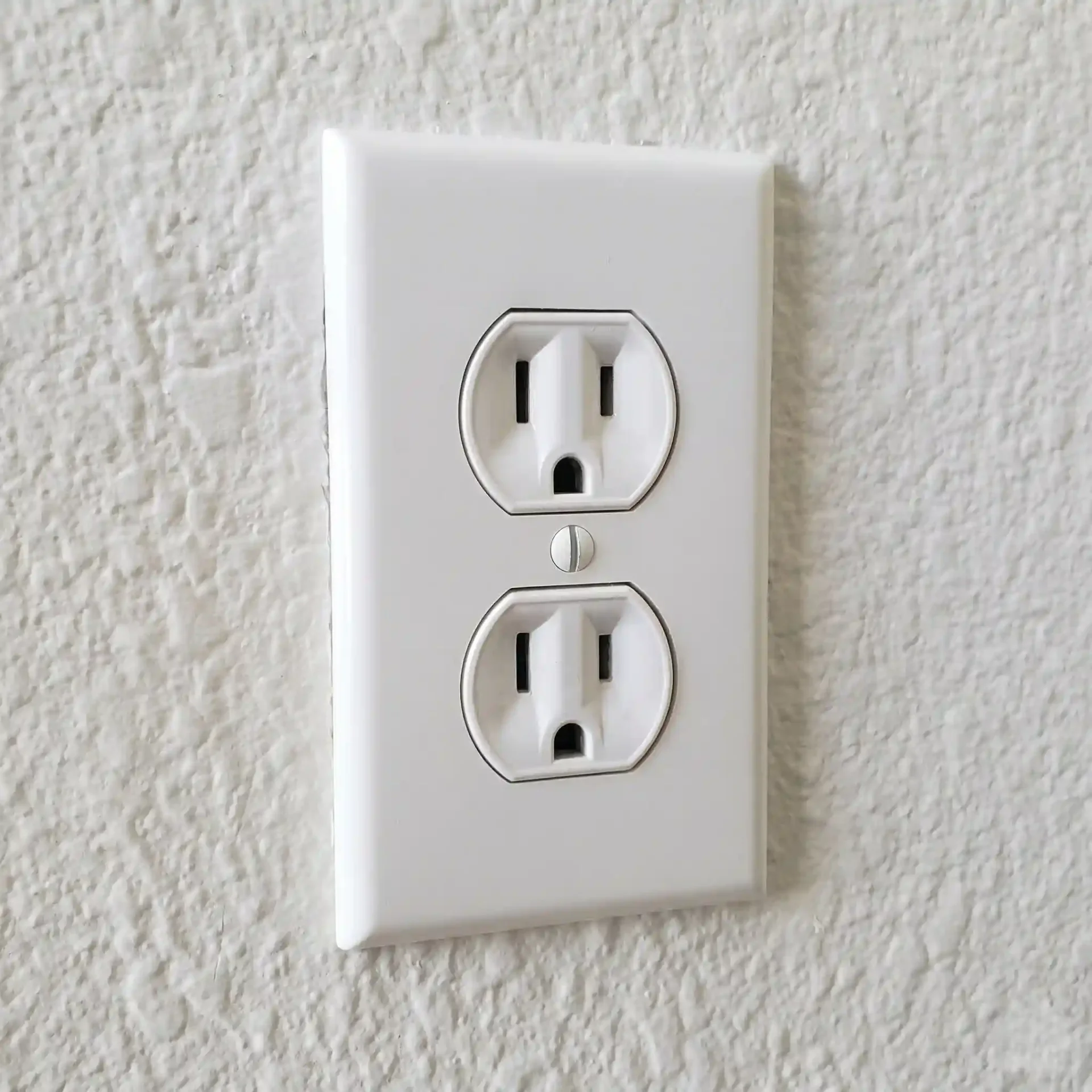
A common 120V receptacle is the familiar wall outlet found throughout bedrooms, living rooms, and kitchens. It usually has:
• two vertical slots
• one round grounding hole
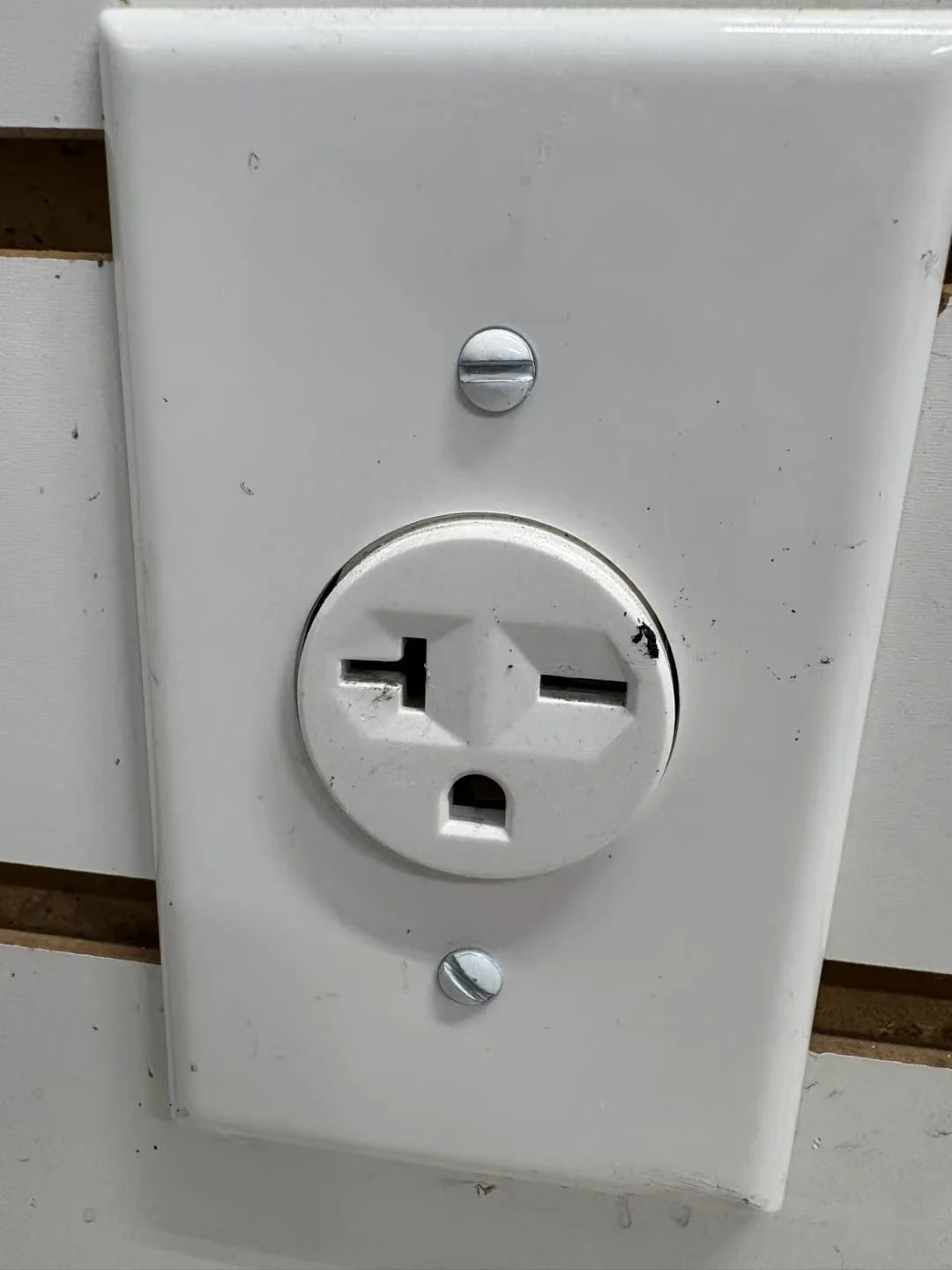
A 240V receptacle usually has a different slot pattern matched to its circuit and appliance plug. Depending on the configuration, it may have:
• a T-shaped slot
• L-shaped openings
• three or four prongs
These receptacles are commonly installed for dedicated higher-load equipment. The shape is a clue, not proof of the circuit voltage.
2. Check the Appliance Plug
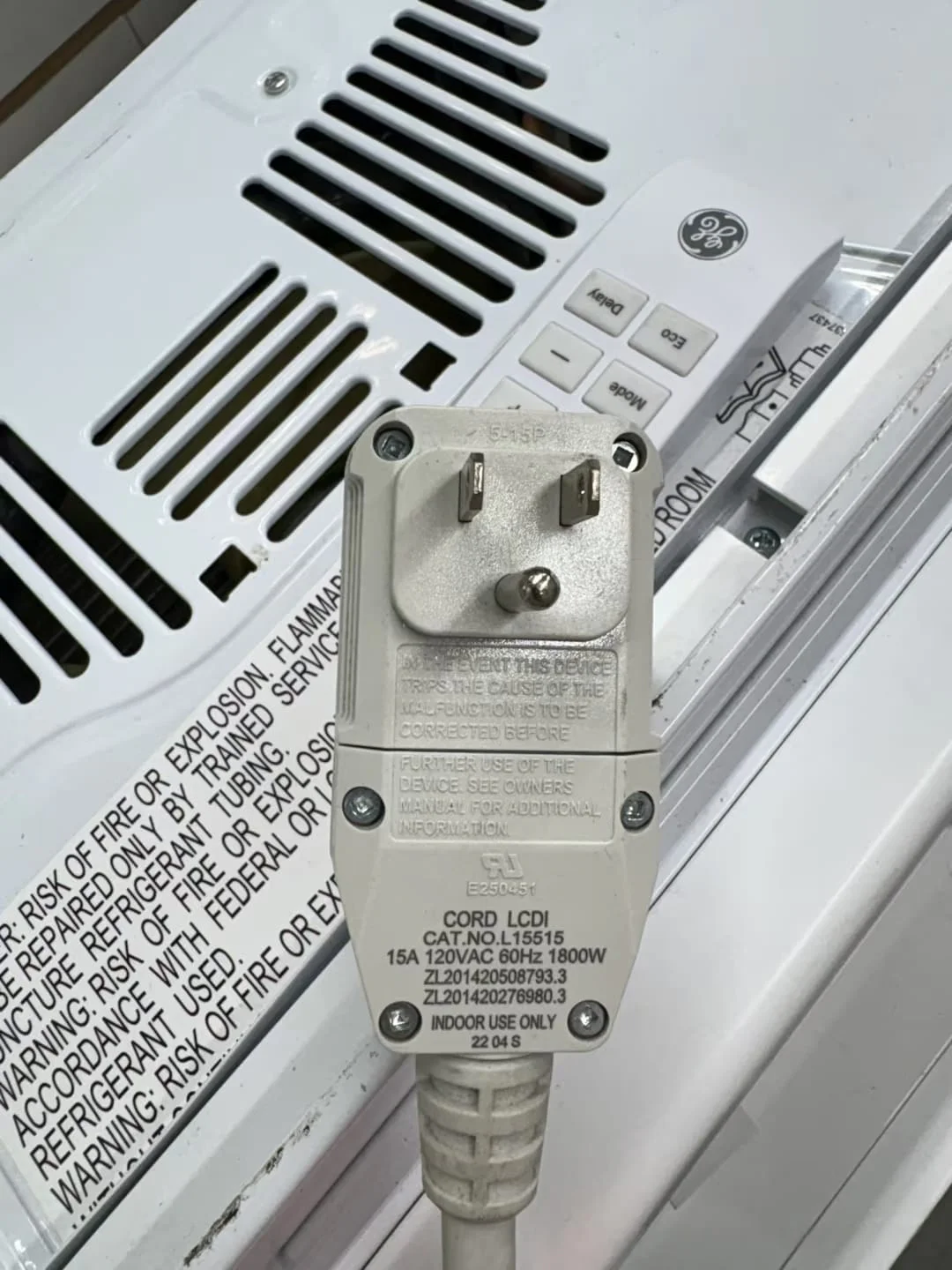
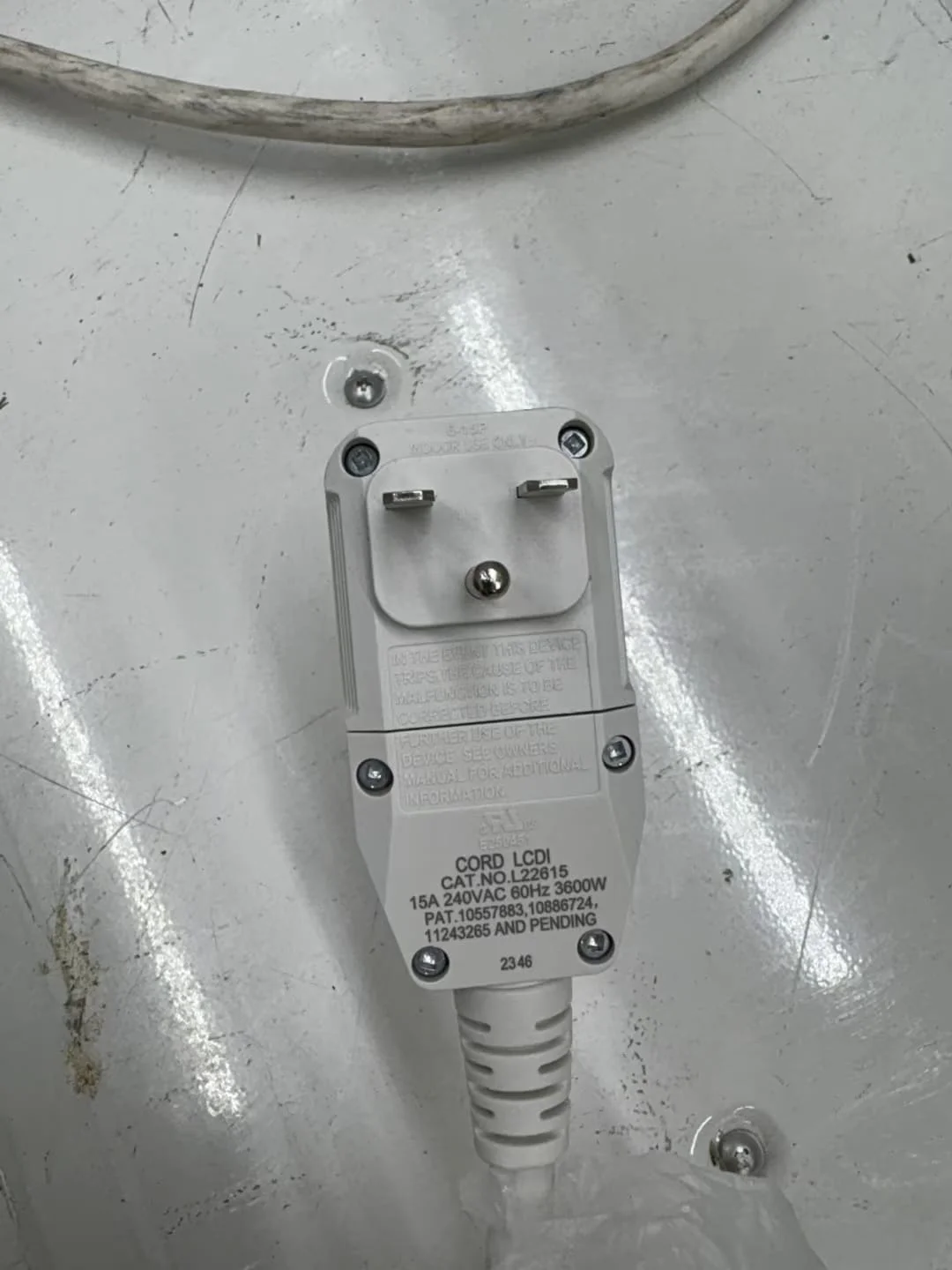
Compare the appliance plug with the receptacle and read the appliance nameplate. Many everyday devices use a familiar 120V plug, while equipment designed for a dedicated 240V circuit uses a different plug and receptacle configuration. Do not use an adapter to force a mismatch.
3. Check the Breaker Panel
The breaker label provides another visible clue.
• Single-pole breaker → 120V circuit
• Double-pole breaker → 240V circuit
Breaker directories can be incomplete or outdated. Read only visible labels; do not remove the panel cover or touch wiring. If the breaker label, receptacle, and appliance label do not agree, ask a licensed electrician to identify the circuit.
Understanding the Basics: 120V vs. 240V in U.S. Homes
Most U.S. homes use a split-phase 120/240V electrical service, so different circuits can serve everyday loads or dedicated higher-power equipment.
120V Circuits
- Use one hot wire and one neutral
- Supply standard wall outlets
- Power everyday devices and small appliances
240V Circuits
- Use both hot wires together
- Deliver higher power
- Serve heavy-duty equipment
Quick reference:
| Voltage | Typical Appliances |
|---|---|
| 120 V | Lamps, TVs, laptops, microwaves, coffee makers |
| 240 V | Electric dryers, ovens, water heaters, central A/C, EV chargers |
Older product descriptions may use 110V or 220V informally. For a purchase or installation decision, rely on the actual equipment nameplate and confirmed circuit information rather than the informal label.
When You’ll Typically See 240 V Outlets
Dedicated 240V receptacles are commonly found near equipment that needs more power than a standard branch circuit provides. Examples include:
- Laundry rooms – Many full-size electric dryers use a dedicated 240V circuit; compact and gas models can differ.
- Kitchens – Large ovens, cooktops, and some built-in microwaves require 240V to handle heating elements.
- Garages – EV chargers are becoming more popular, and nearly all Level 2 chargers require a 240V circuit.
- Outdoors/utility areas – Central A/C compressors, heat pumps, and well pumps typically run on 240V.
Pro Tip: Look at the Breaker Panel
Use the breaker directory only as a cross-check:
- Single-pole breaker → 120V circuit
- Double-pole breaker → 240V circuit
Do not remove covers or touch wiring. If the directory is missing, unclear, or inconsistent with the receptacle and appliance label, document the visible information and consult a licensed electrician.
Can You Convert a 120V Outlet to 240V?
Changing a 120V branch circuit to serve 240V equipment is not a receptacle swap. The existing circuit, conductors, panel capacity, breaker, equipment instructions, permits, and local requirements all affect whether an upgrade is appropriate.
Why It’s Not a DIY Job
This work can involve the electrical panel and fixed wiring. Have a licensed electrician evaluate the installation instead of changing the receptacle or breaker yourself.
Typical Costs
Project cost depends on the existing circuit and panel, cable route, equipment requirements, permits, and local labor. Generic online ranges cannot confirm the price for a specific home. Ask a licensed electrician for a written scope and quote after the site conditions are reviewed.
Best Practice
Use a licensed electrician for circuit changes. The CPSC Home Electrical Safety Checklist provides homeowner safety guidance, while NFPA 70, the National Electrical Code, addresses electrical installation requirements. Local permit and inspection requirements can vary.
Why Confirming Voltage Matters Before Installation
Knowing whether an outlet is 120V or 240V isn’t just a technical detail.
It directly affects:
- Appliance compatibility
- Installation safety
- Upgrade planning (EV chargers, heat pumps, electric heating)
- Whether professional work is required
The appliance label and confirmed circuit information should agree before installation.
Not Sure What Your Setup Supports?
If you’re planning to install or upgrade high-power equipment and aren’t fully confident in your home’s electrical capacity, the next step isn’t buying hardware—it’s understanding your system as a whole.
👉 Learn how homeowners plan electrical capacity and appliance upgrades safely:
→ Open the 120V / 240V Electrical Guide
Conclusion: Quick Takeaways
Use three visible clues before making a purchase or installation decision:
• the outlet shape
• the appliance plug
• the breaker panel
These clues do not replace confirmation. If labels are missing, inconsistent, or unclear, ask a licensed electrician to identify the circuit before connecting equipment.
FAQ
Can a standard outlet be both 120V and 240V?
No. They are wired differently and designed with distinct outlet shapes to prevent accidents. A receptacle is always one or the other.
What if the outlet, plug, and breaker label do not agree?
Do not guess or change the receptacle. Record the visible labels and ask a licensed electrician to identify the circuit before installation.
Do smart plugs tell you voltage?
Do not assume a smart plug can identify an unknown circuit. Check the device specifications and confirm the circuit independently before connecting equipment.
What happens if you plug 120V into 240V?
Connecting equipment to an incompatible supply can damage the equipment and create a safety hazard. Match the equipment nameplate to a confirmed circuit and receptacle.
Does my dryer need 240V?
Most full-size electric dryers in the U.S. do require 240V. Compact dryers and gas dryers may only use 120V, so always check the label before buying or installing.