
System knowledge
Your team can identify the heating type, control voltage, wiring, load, existing thermostat category, and the documentation needed for a fit decision.

Add connected control only after the heating system, voltage, wiring, load, installation role, and customer support path are understood.
Heating contractors can discuss smart thermostat projects when they can classify the system and own the local installation. Grus can discuss available products and documentation, but supported-system lists, training, pricing, territory, and program terms must be confirmed rather than assumed.
This page is for qualified heating, electrical, and property-service businesses evaluating connected-control work. It does not state that one thermostat fits every heater, heat pump, wiring arrangement, or local installation rule.
Your team can identify the heating type, control voltage, wiring, load, existing thermostat category, and the documentation needed for a fit decision.
You can perform or coordinate qualified local installation, commissioning, customer instruction, and follow-up under applicable rules.
You can explain what your local team handles and which documented product questions should be routed to Grus support.
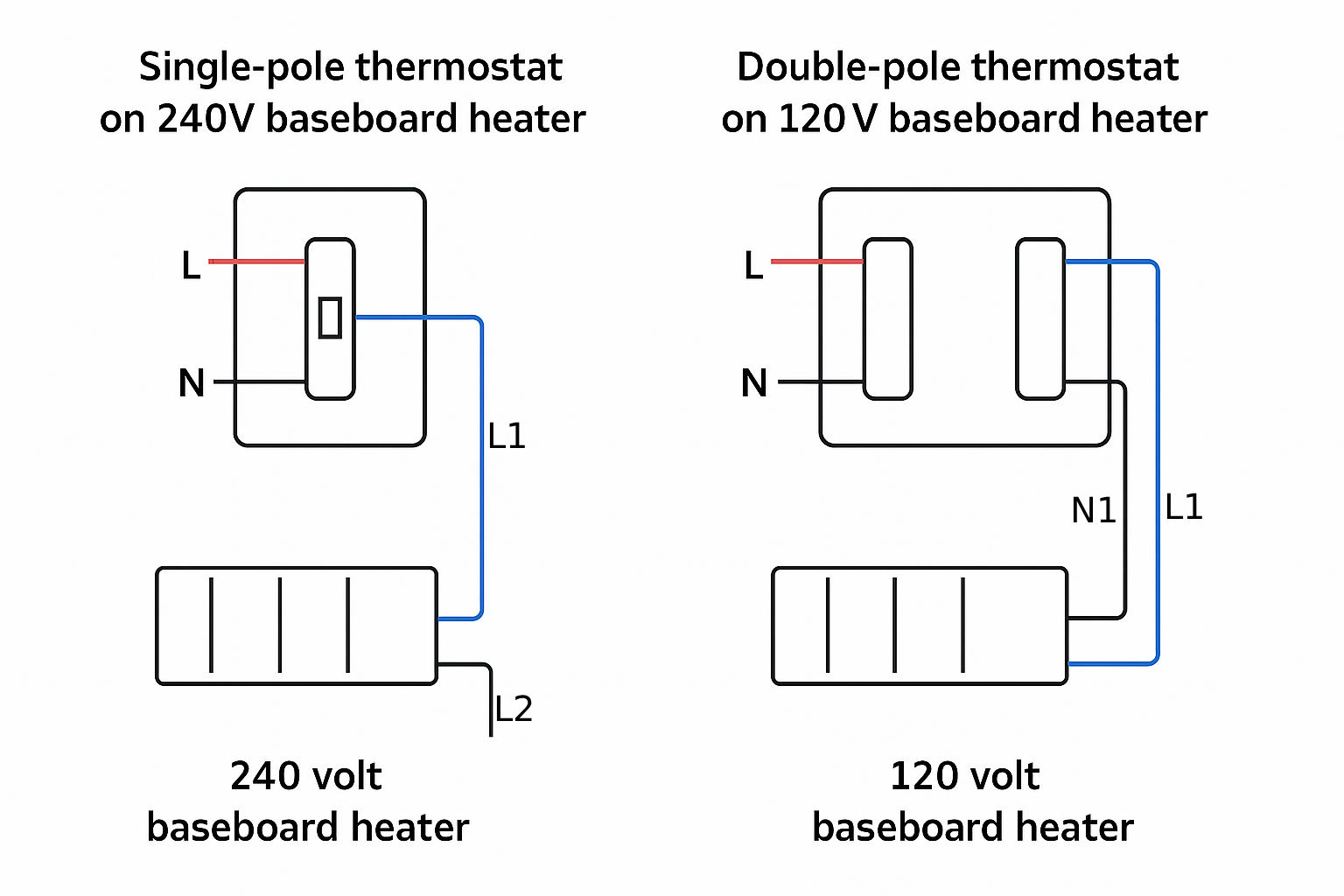
The first contractor task is classification. Baseboard heating, line-voltage systems, low-voltage HVAC controls, heat pumps, boilers, and other equipment do not share one wiring or load model. A customer request for app control is not enough information to select a thermostat.
Collect the current thermostat photo, system and equipment labels, measured or documented voltage, wiring terminals, connected load, and installation constraints. Then use the matching product manual and compatibility guide. If the evidence is incomplete, stop at review rather than promising a fit.
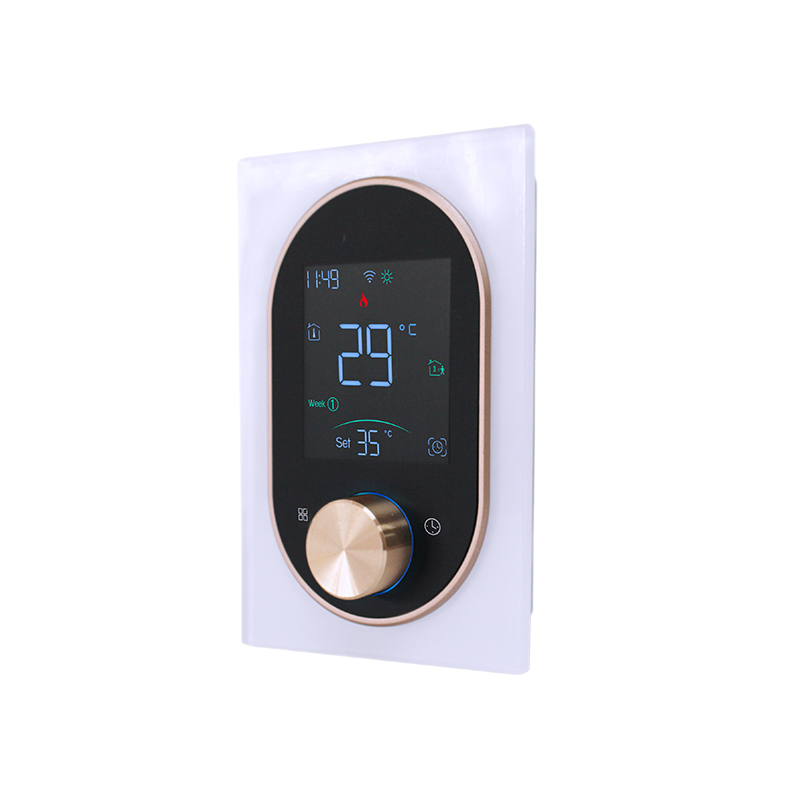
Grus product pages and manuals can answer documented product questions. They do not replace the contractor's system diagnosis, load review, safe installation practice, permit or code obligations, or onsite customer support.
A partner inquiry can cover proposed products and support responsibilities. Wholesale pricing, margins, training entitlement, response times, approved-system lists, and regional rights require written confirmation.
Start narrow. A qualified pilot should establish the system type, product fit, local responsibility, support route, and customer-service responsibilities before either side discusses a broader program.
Share equipment type, control voltage, current thermostat, wiring, load, and the customer's requested control outcome.
Use the product manual and compatibility guide that correspond to the exact thermostat path under review.
Document who specifies, installs, commissions, trains the customer, and returns for onsite issues.
Discuss quantity, timing, materials, product support, and written commercial terms only after fit is credible.
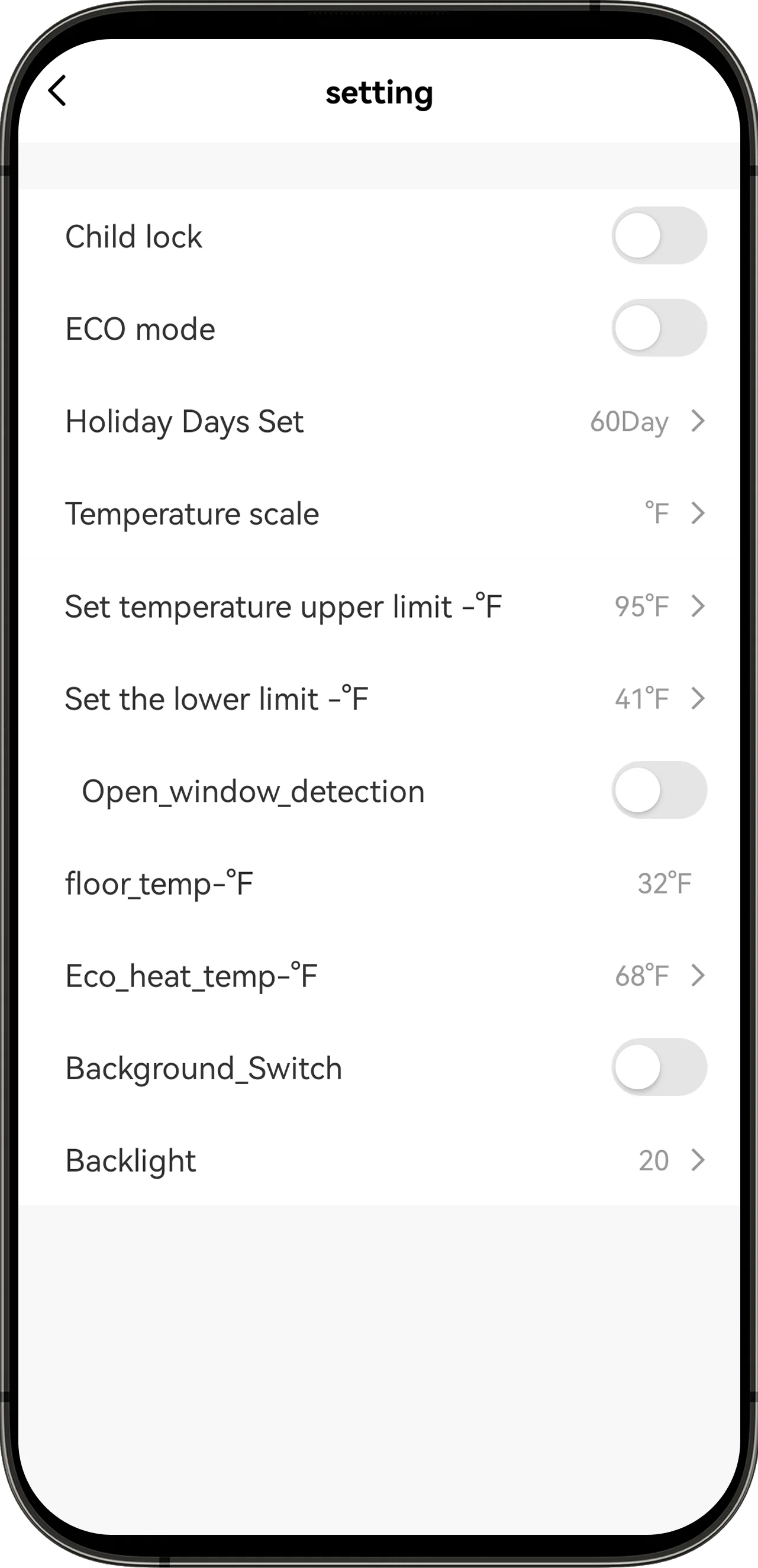
Connected controls can support remote temperature changes, schedules, and settings when the selected product documents those functions. An app screen does not show that a device fits a particular heater, that every feature is available for every model, or that a partner program is active.
The strongest contractor inquiry identifies a real system, a blocking compatibility question, and the desired local support workflow. That lets Grus respond precisely without overpromising product or program capabilities.
Include business type, service region, installation credentials or capabilities, typical heating systems, customer segment, proposed pilot size, and the product or documentation questions that need review.
The inquiry requests a discussion. It does not approve a partner, certify an installer, confirm every system, or create pricing, territory, training, support, or fulfillment obligations.
Need a product answer before a business discussion? Contact support or review manuals and downloads.
Use the answers below to understand fit, responsibilities, and what to include in an inquiry.
No. This is a qualified discussion path. Commercial terms, supported products, training, support scope, and other program details require direct review and written confirmation.
Qualified contractors can evaluate connected controls when they understand the existing system, verify compatibility, perform or coordinate qualified installation, and own the local customer relationship.
No. Heating type, control voltage, wiring, load, equipment requirements, and the selected product documentation determine whether a thermostat path is appropriate.
Homeowners should use the EcoNet-BH Smart Baseboard Thermostat product page, compatibility guides, or support. This page is for service businesses evaluating a contractor discussion.
Share the systems your team serves, the installation capability you own, and the exact product or compatibility questions that block the next step.