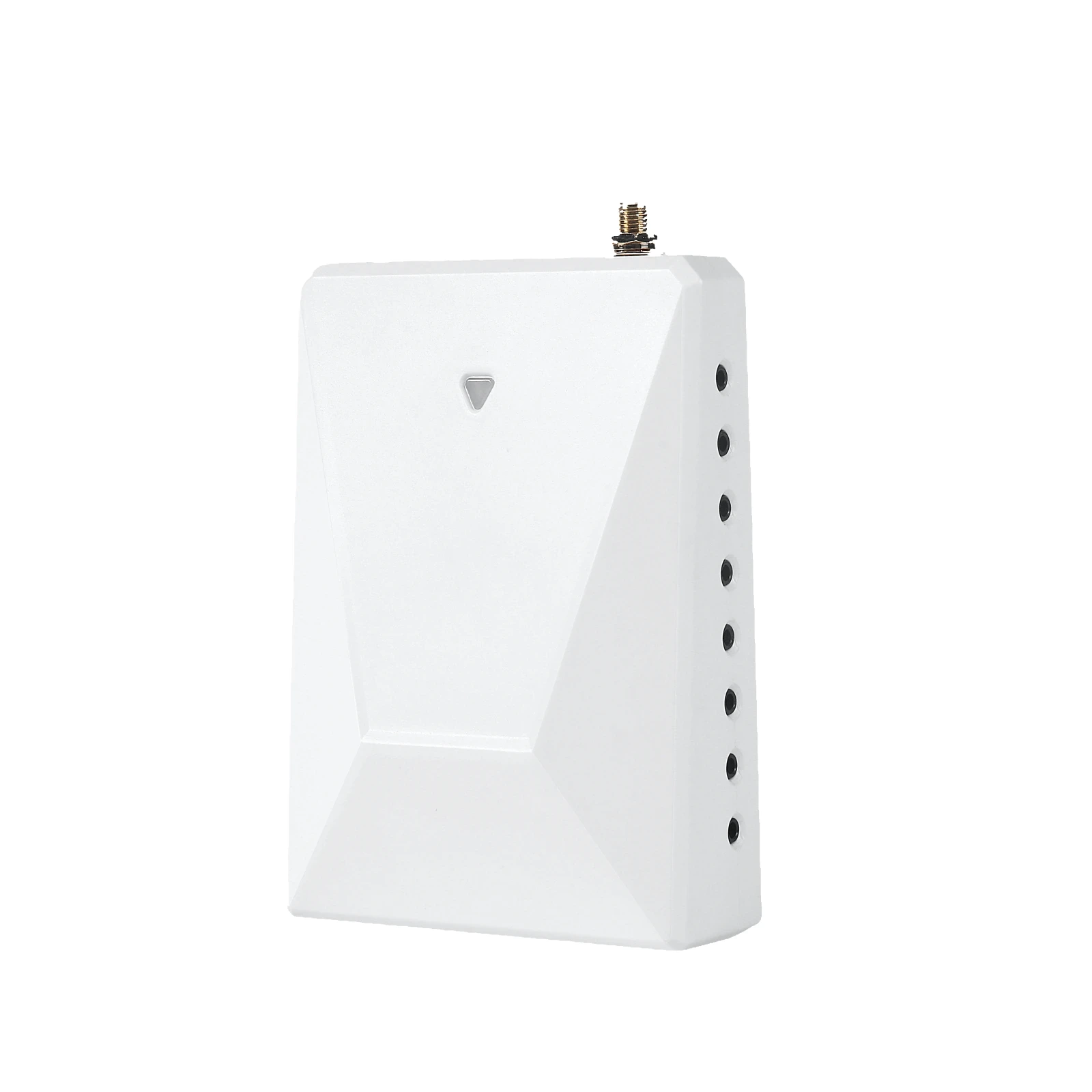
A multi-circuit energy monitor collects readings for several electrical circuits in one monitoring setup. It can give a more detailed view than a single whole-property total, depending on the selected model, sensors and installation. More readings do not, by themselves, identify every appliance, explain a fault or reduce a bill.
Start With the Reading You Need
A whole-home total answers how much electricity the property used over a period. Circuit-level readings can help you compare the monitored parts of that total. For example, a property owner may want to compare a heating circuit with other monitored circuits rather than rely only on the combined bill.
Choose the question before choosing the hardware. Record whether you need a property total, selected branch circuits or another measurement scope. A circuit reading may cover more than one device, and a setup may leave some circuits unmonitored.
A Channel Count Is Not an Installation Plan
The number of available channels does not establish what a particular installation will measure. Confirm which sensors are included, which readings they provide and how the proposed setup covers your actual service and circuits.
Use the current documents for the exact model and bundle. Have a qualified installer review the electrical service, panel layout and product requirements. This article is not a wiring guide: do not open a panel, move current transformers or change connections based on it.
Compare Measurements With the Same Scope
When reviewing readings, keep the time period, units and measurement coverage consistent. Do not add a property total to branch readings that are already part of that total. Record gaps, missing channels or changes in the installation before drawing a conclusion.
A difference between periods is a reason to investigate, not proof that an appliance has failed. Weather, occupancy, operating schedules and tariff changes can affect the question you are trying to answer. For a higher bill, start with the bill and daily-use comparison.
Keep Monitoring Separate From Control and Billing
Measurement does not establish that a monitor can switch equipment, manage a battery, enroll a home in a utility program or produce readings suitable for charging tenants. Those are separate requirements that need explicit evidence for the exact equipment and use.
The same boundary applies to savings. A monitor provides information. Any later change and its result must be assessed using the property’s own records; this article does not promise a percentage reduction, payback period or automatic optimization.
Take a Defined Question to the Product Comparison
Use the energy monitor buying guide to organize the measurement question. Then compare the current energy monitoring products and the WattPanel-3X product page. Model-specific compatibility, accuracy and software integrations require the current product documents; a general definition does not establish them.
If you need help locating the relevant product documents, contact Grus support with the model or product-page link and the question you want to resolve. Do not send account credentials or sensitive billing details.