$0.00
No products in the cart.

Whole-Home Water Protection System with Automatic Shutoff


Protect your home with an automatic main shutoff valve, app control, and monitoring

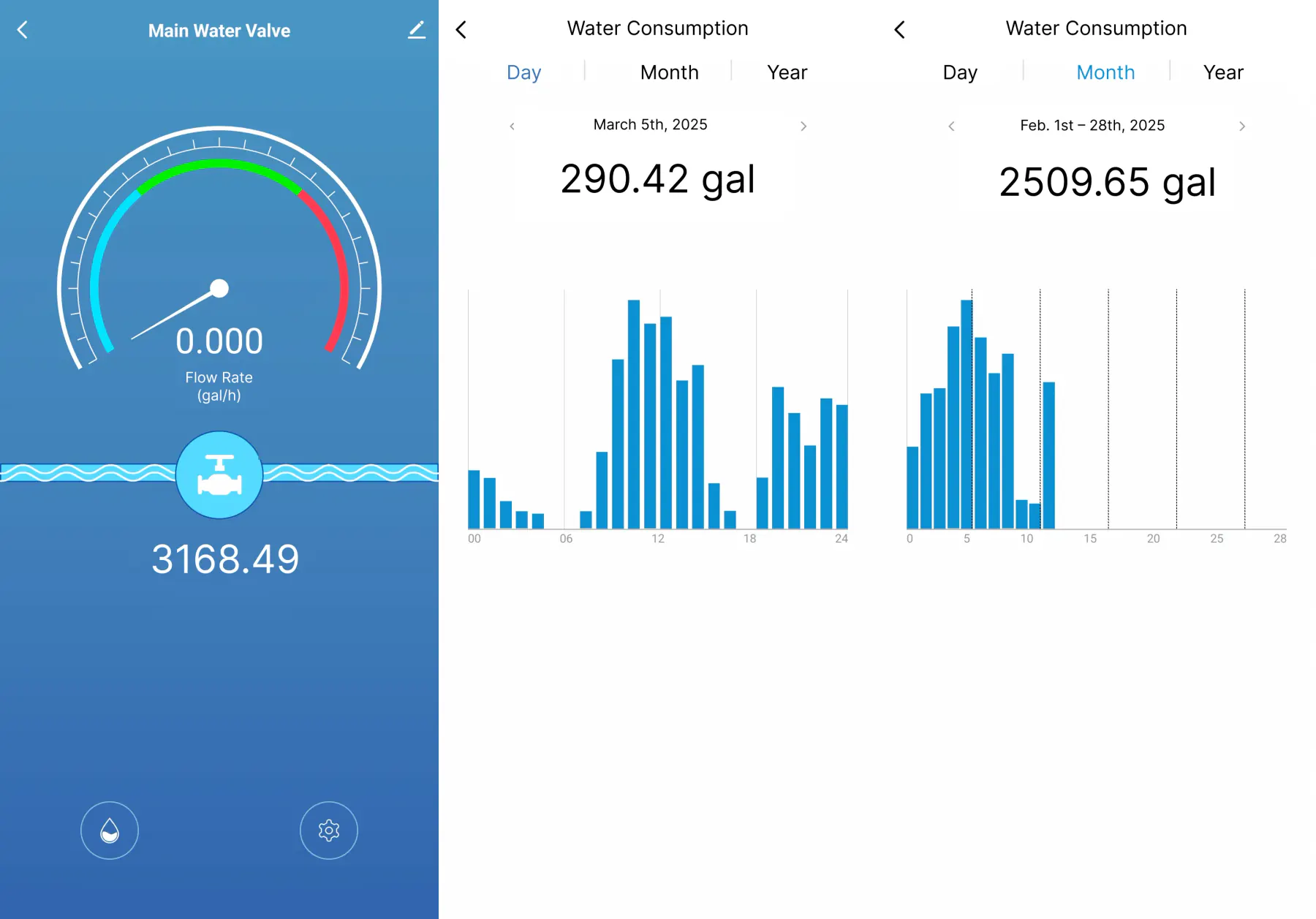
A whole house automatic water shutoff system helps reduce water-damage risk by closing the main water line when action is needed. With AquaNet valves, you can manage shutoff in the Smart Life app, view usage history (day/month/year), and configure alerts such as flow-rate alarms. For more advanced protection, automation can be built through Smart Life scenes (for example, a leak sensor triggering shutoff), depending on your setup.

Why Water Protection Matters for Every Home

Even a small leak can cause big problems—especially when no one is home. Most household water incidents fall into three categories:

Slow leaks

Hidden drips under the sink, behind appliances, or along plumbing joints. These often go unnoticed for weeks.

Overflow or appliance failure

Dishwashers, washing machines, or refrigerators with water lines can fail suddenly.

Burst pipes

Common in winter—especially in basements, exterior walls, or vacation homes.

Typical repair costs add up fast:


  • Minor cabinet repairs: $500–$1,500
  • Flooring replacement: $2,000–$8,000
  • Full kitchen rebuild after a long-term leak: $10,000+


What actually prevents damage: alerts help, but stopping water at the source is what limits loss. A whole house water shut off system combines monitoring + alerts + an automatic water shutoff action at the main line—so a problem doesn’t keep running while you’re away.

water leakage caused mold stains on the walls -
Sanitary water leakage

30-Second Summary (What this system is)


A whole house automatic water shutoff system is built around a main-line shutoff valve plus a monitoring loop in the app.

With AquaNet valves, you can manage shutoff in the Smart Life app, view water usage records (day/month/year), and enable alerts such as high/low flow-rate alarms.

For more advanced protection, you can build automation through Smart Life (for example, linking a leak sensor to trigger shutoff), depending on your setup.

Common Household Leak Scenarios (Where whole-home systems win)

Leaks don’t stay “in one room.” They often spread into cabinets, flooring, walls, and lower levels. Whole-home shutoff is designed for exactly that reality.

water leak in kitchen

Loose fittings, hose failures, and leaks that only show during a cycle.

bathroom
Bathroom Leaks
  • Toilet base seepage
  • Shower supply line leaks
  • Loose angle stop valves
  • Hidden moisture beneath tile
Outdoor & Irrigation Leaks
  • Water heater tank leaks
  • Main line corrosion
  • Burst pipes during freeze events

Basement leaks spread quietly and are costly because water pools unnoticed.

Basement or Utility Room
Basement & Utility Leaks
  • Water heater tank leaks
  • Main line corrosion
  • Burst pipes during freeze events

Basement leaks spread quietly and are costly because water pools unnoticed.

Run full loads in dishwasher and laundry.
Laundry Room Leaks
  • Washing machine hose rupture
  • Drain overflow
  • Old rubber hoses cracking under pressure

A burst washing machine hose can release 500+ gallons per hour.

How a Smart Water Protection System Works

A strong system is a loop: detect → confirm risk → shut off → alert.

Grus Smart Water Devices display
76e8f56c9585ec70e0caf0029cca6142 -

Leak detection sensors (spot risk early)


Place sensors under sinks, behind appliances, and near water heaters to catch moisture quickly and alert you.

19acf5ccfd767542723504000ffc24f4 -

Flow-based monitoring (catch hidden leaks)


Flow monitoring identifies abnormal water usage, continuous flow, and hidden leaks behind walls that sensors alone can’t detect.

fd4a74cb838bb2fb396ff32f580d8fa3 -

Automatic water shut-off valve (stop damage at the source)


When a leak is detected, the system can automatically shut off your main water supply—even if you’re away from home.

Together, these layers protect against both small leaks and catastrophic pipe failures.

Choose Your Protection Level (Start simple, expand later)

Most homeowners get the best outcome by starting with shutoff + monitoring, then adding automation as needed.

Level 1 — Essential Shutoff

Main-line shutoff valve + app control (shut off water quickly when you need to).


Level 2 — Recommended (Most Homes)

Shutoff valve + usage records (day/month/year) + flow-rate alerts (catch abnormal patterns early).


Level 3 — Automation-Ready (Optional)

Add Smart Life automation (e.g., leak sensor → shutoff), depending on device choices and how you configure scenes/linkage.

f05569ed111e19307ca829001bb8c9bc -

Not sure which water protection setup is right for your home?

Compare smart water valves, leak detectors, and whole-home shutoff options to see what fits your home, risk level, and budget.

Our recommendation for most homes

If you’re comparing leak alarms, single sensors, or “smart devices,” here’s the practical truth:

Most water damage isn’t prevented by alerts alone—it’s prevented when water is shut off at the main line.

That’s why most homeowners choose a whole-home smart water protection system that combines:

  • Automatic shutoff at the main supply
  • Sensors in high-risk areas
  • One-app control and alerts


Recommended default: AquaNet-BD as the best-value starting point for a whole-home shutoff setup. Upgrade options can come later—shutoff first.

Home water Hidden Dangers
a whole-home water system in north Amarican

Which Water Protection System Is Right for You?

Use this quick guide to choose the right setup:

Most homeowners choose whole-home systems, because water damage rarely follows a single-room pattern.

Concerned about small leaks (kitchen, bathroom)

→ Leak sensors with mobile alerts

Want leaks to stop automatically

→ Leak sensors + automatic shut-off valve

Whole-home protection

→ Sensors + rope sensors + automatic shut-off valve

Vacation home or winter freeze risk

→ Full system with automation and remote control

Insurance-focused protection

→ Automatic shut-off valve with documented leak detection

Recommended Whole-Home Setup

(Most Popular Choice)

For the majority of homes, this setup provides the best balance of protection and value:

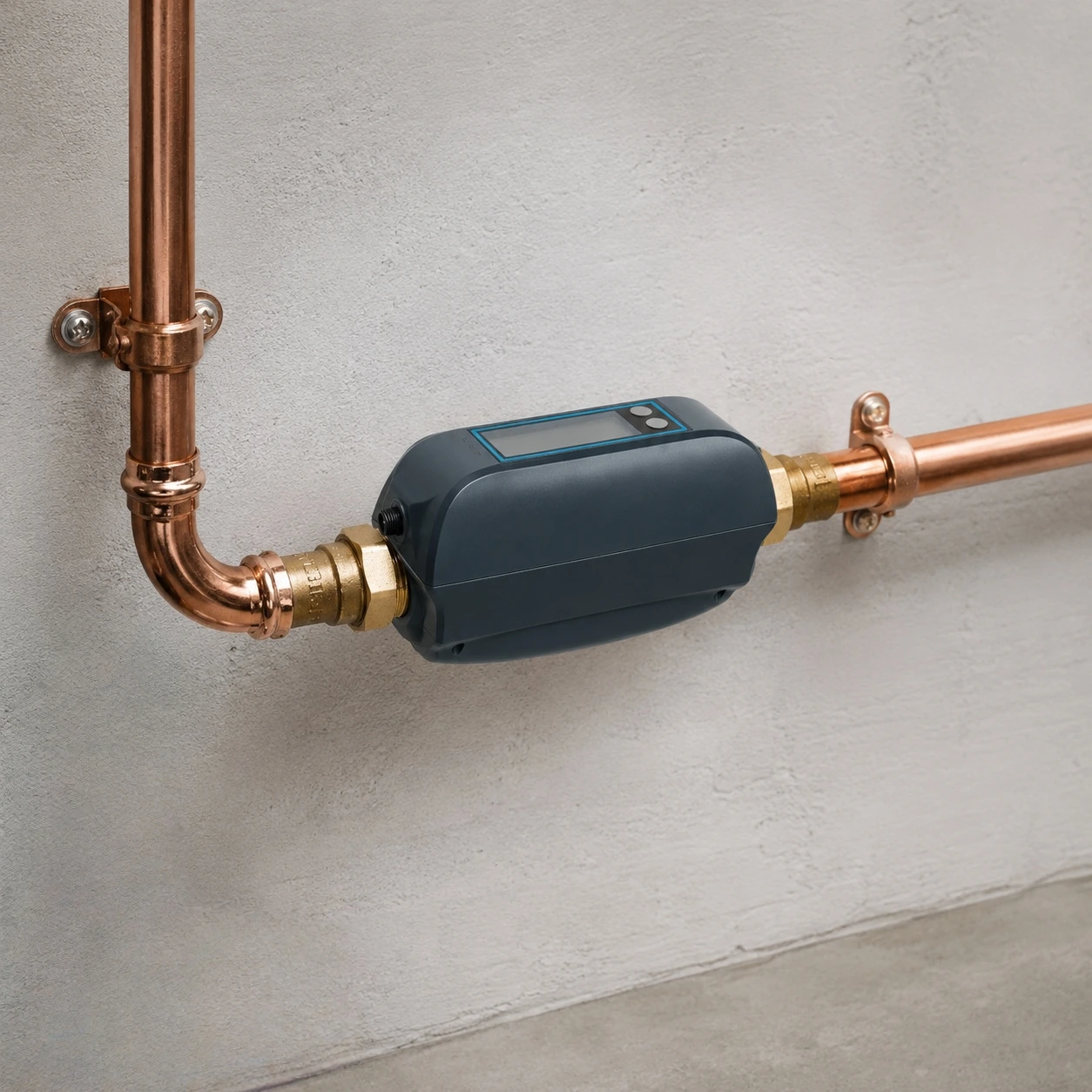
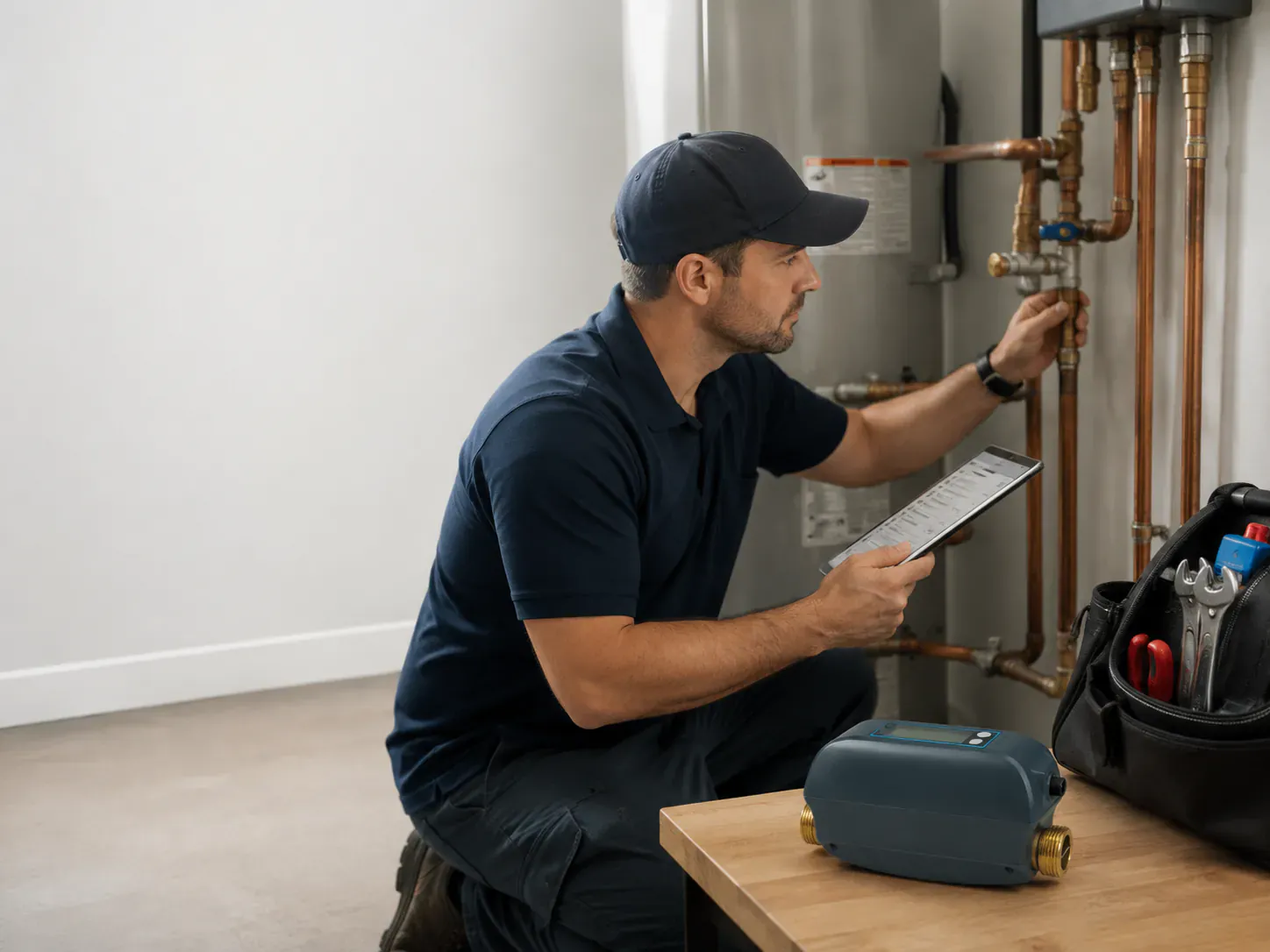
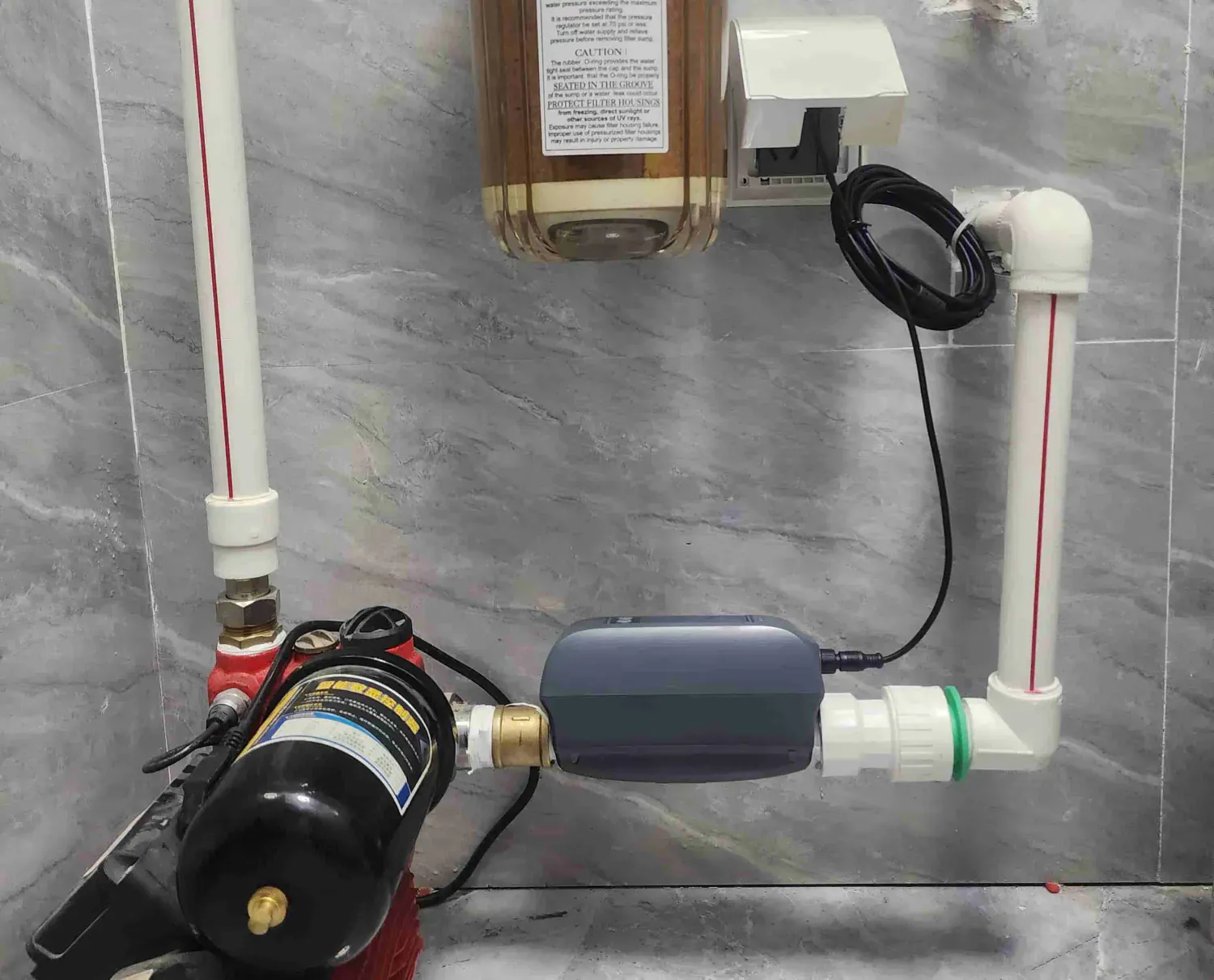
A clean, bright North American home interior showing a main water shutoff valve with a smart automatic valve installed on the pipe by insurance requirement.
f9fcd1157bb4913f1de9b883534f3e17 -

1× main-line automatic shut-off valve (Recommended: AquaNet-BD)

Installed on the main supply line.

c6b0f4eb6f65c026b45a1169cde91706 -

3–5× smart leak sensors

For kitchen, bathrooms, and laundry areas.

becc8172ac500370c765ea45464637a2 -

1× rope-style leak sensor

For basements and water heaters.


Need help deciding between valve-only, leak-sensor setups, or a full shutoff system?

Choose your valve

AquaNet-BD vs AquaNet-VM (simple guide)

Smart Water Valve – Automatic Water Control & Leak Prevention System

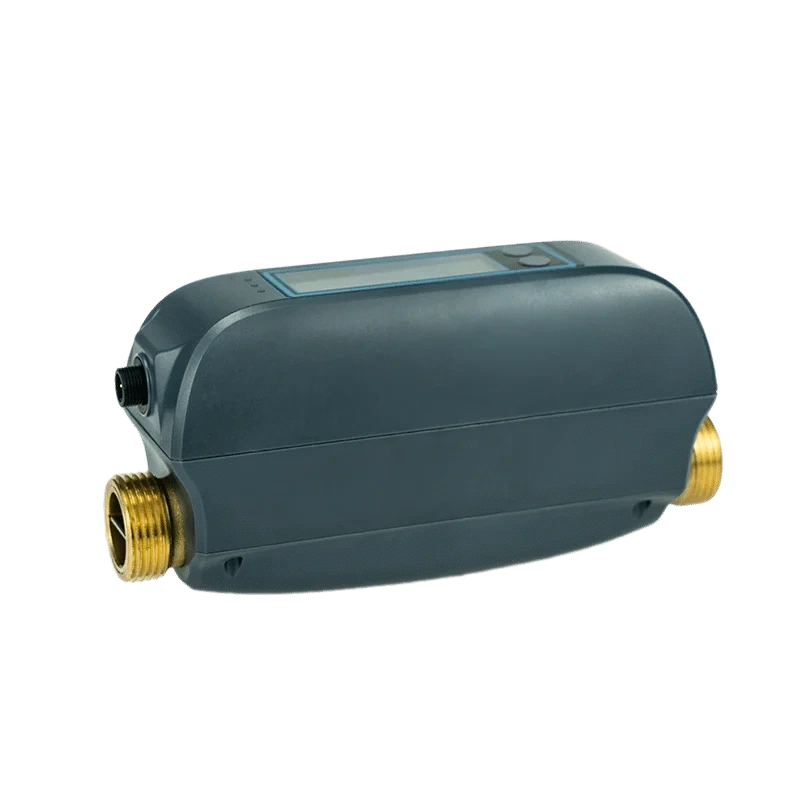
AquaNet-BD

(Recommended / Best Value)

Best for homeowners who want the core whole-home loop: main shutoff + Smart Life app control + usage records (day/month/year) + high/low flow-rate alerts.

BD also supports Smart Life linkage examples (e.g., a leak detector triggering shutoff), depending on how you configure your setup.

Smart Water Shutoff Valve – Automatic Leak Detection & Water Control Device

AquaNet-VM

(Upgrade for advanced monitoring)

Best when you want additional monitoring signals. VM supports water temperature alarms, water pressure alarms, and flow-rate alarms, includes water leakage self-inspection, and supports family group sharing in the app. The device can be powered by a power bank.

Smart Water Protection vs Traditional Leak Alarms

Traditional leak alarms only make noise.

If no one is home, damage still happens.

A whole house water shut off system can:

Send alerts directly to your phone

Shut off water automatically

Allow remote manual control

Protect your home while you’re away

Integrate multiple sensors into one system

It’s the difference between being warned about a leak and preventing damage entirely.

Winter Freeze Protection

Frozen pipes are one of the leading causes of major water damage.

A whole house water shut off system can:

  • Detecting abnormal flow caused by burst pipes
  • Sending alerts when temperatures drop dangerously low
  • Automatically shutting off water to prevent flooding

Insurance Discounts & Smart Water Valves

Many insurance providers now recognize automatic water shut-off valves as a risk-reduction measure.

Common requirements include:

  • Automatic shut-off capability
  • Continuous monitoring
  • Leak detection documentation
  • Safety certifications

Installing a smart water protection system can help reduce claims, lower risk exposure, and improve insurance eligibility.

Water leakage is detected through the app alarm and then close the water valve

Real-World Scenarios: Leak Detection in Action

Every drop matters. Every corner protected.

Meet AquaNet BD Smart Water Valve Leak Detection Water Control1 e1761669094317 -
Water Leak Detector Usage
Wireless Water Leak Detector

Is a Smart Water Protection System Worth It?

For most homeowners, yes.

Compared to the cost of water damage repairs, a smart water protection system is a one-time investment that:

  • Prevents costly damage
  • Protects your home while you’re away
  • Reduces uncertainty and stress
  • Pays for itself the first time it stops a leak

Few smart home upgrades offer this level of real-world protection.

Water pipe leakage

Questions About Smart Water Valves and Leak Detection?

1. What is a whole house water shut off system?

A whole-home system combines a main-line shutoff valve with monitoring, alerts, and (optionally) automation so water can be stopped at the source.

2. What triggers an automatic water shutoff system?

Triggers depend on how you configure your setup. You can shut off manually in the app, use alert thresholds, and optionally create Smart Life scenes (for example, linking a leak sensor to trigger shutoff).

3. What’s the difference between an “automatic shutoff valve” and a “shutoff system”?

The valve is the shutoff component. The system is the protection loop around it: monitoring, alerts, usage records, and optional automation.

4. How many leak sensors do I need for a typical home?

Most homes start with 3–5 sensors (kitchen, bathrooms, laundry) plus a rope sensor for basement/water heater areas.

5. Can I control the valve from my phone?

AquaNet valves support Smart Life app control for shutoff management and settings.

6. Can multiple family members manage the system?

You can share device access through the app (for example, VM supports family group sharing).

Availability depends on how accounts and sharing are configured.

7. What alerts are supported?

Flow-rate related alerts (e.g., high/low flow alarms) are supported.

VM also supports water pressure and water temperature alarms.

8. Do I need a plumber to install a smart water shut-off valve?

Leak sensors are usually DIY-friendly.

However, installing an automatic shut-off valve on the main water line is typically done by a licensed plumber.

Most installations are completed within 60–90 minutes.

9. What happens if the internet or WiFi goes down?

Some functions may remain available locally depending on device setup, but remote alerts and app control may be limited until connectivity is restored. Check the product page for device-specific details.

10. Is there a subscription required to use a smart water protection system?

This depends on the system.

Many smart water protection systems, including those designed for home use, operate without mandatory subscriptions.

Always check product details to understand what features are included.

Learn More About Smart Water Protection

A smart water valve can detect and shut off a leaking water pipe remotely via WiFi. This is what is a smart water valve

What Is a Smart Water Valve?

Smart water valves shut off leaks instantly. Prevent water damage, control your main water shut off valve, and connect to leak detectors.

water leakage caused mold stains on the walls -

Mastering Water Leak Prevention Strategies

Dive into the world of water leak prevention and management in homes. 

Smart Water Protection Devices

Comparing Smart Water Protection Devices: Find the Best for Your Home

Compare AquaNet smart valves, sensors, and bundles