
Panel experience
Your team can assess service type, panel access, available space, CT placement, and the local electrical requirements that affect the job.
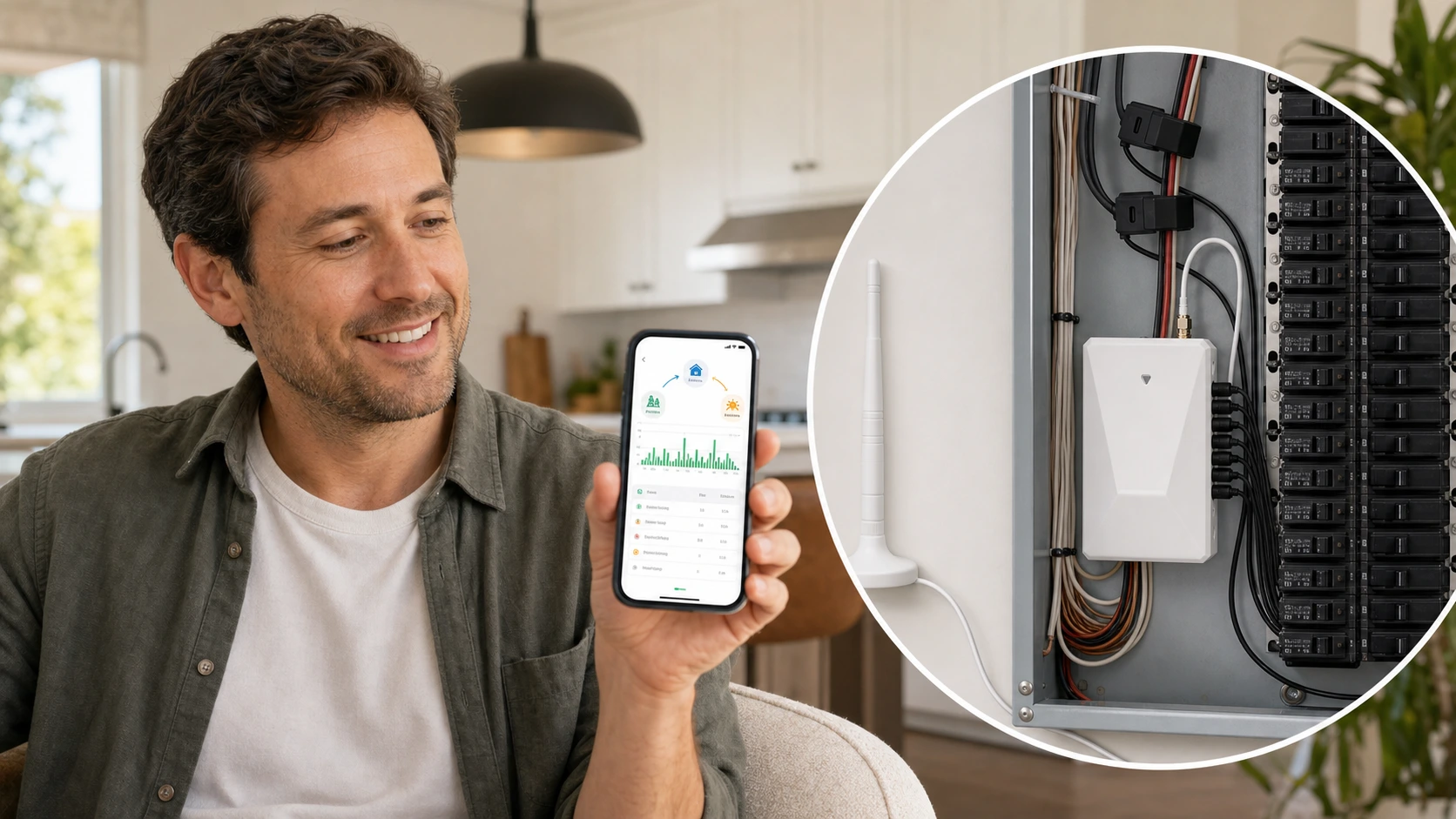
Help customers understand household electricity use while keeping panel assessment, installation, and local service ownership with a qualified installer.
Electricians can discuss energy monitoring as an added service when they can assess the panel, explain the monitoring scope, and own local installation. Program pricing, training, territory, and support terms are confirmed only through a qualified discussion and written agreement.
This path is for electricians and service companies evaluating whether energy monitoring fits the work they already perform. It is not a franchise, territory offer, or published installer program.
Your team can assess service type, panel access, available space, CT placement, and the local electrical requirements that affect the job.
You can set expectations about whole-home visibility, circuit-level scope, app use, and what monitoring data can and cannot answer.
You remain responsible for onsite work, customer communication, scheduling, and field follow-up in the market you serve.
A credible offer begins with the customer question: do they need whole-home electricity visibility, selected circuit detail, solar or major-load context, or help understanding a high bill? That question determines the hardware scope and the conversation the installer needs to lead.
Before quoting the project, verify the electrical service, panel layout, CT count, installation access, network expectations, and the exact product documentation. The product page and buying guides can support that review; they do not replace an onsite assessment or local code requirements.
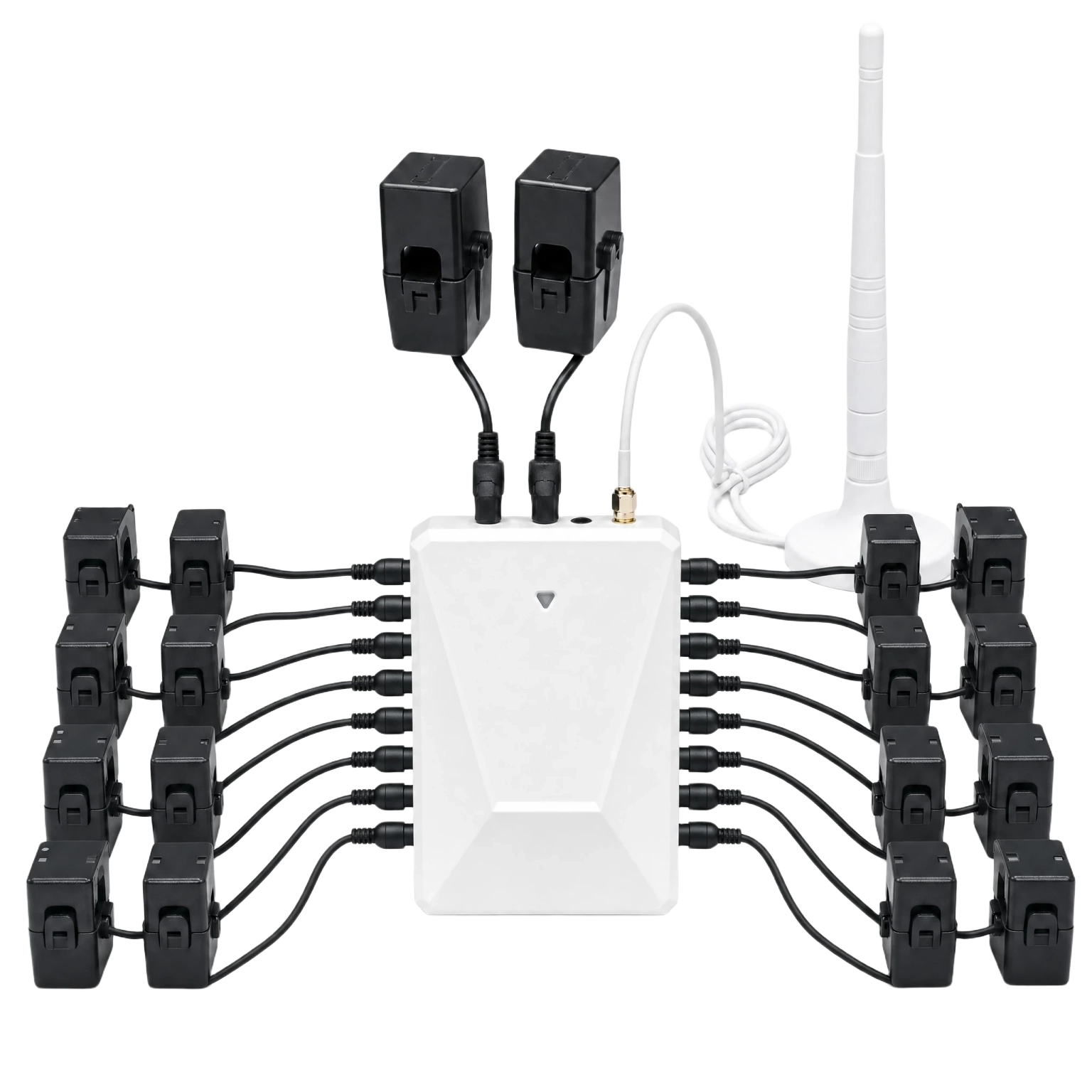
A partner discussion is useful only when responsibilities are explicit. Grus does not claim to dispatch local electricians, approve local code compliance, or take over the installer's customer relationship.
Commercial terms, training material, partner pricing, support response, and any broader enablement package require direct review and written confirmation. The list below describes discussion topics, not a published program entitlement.
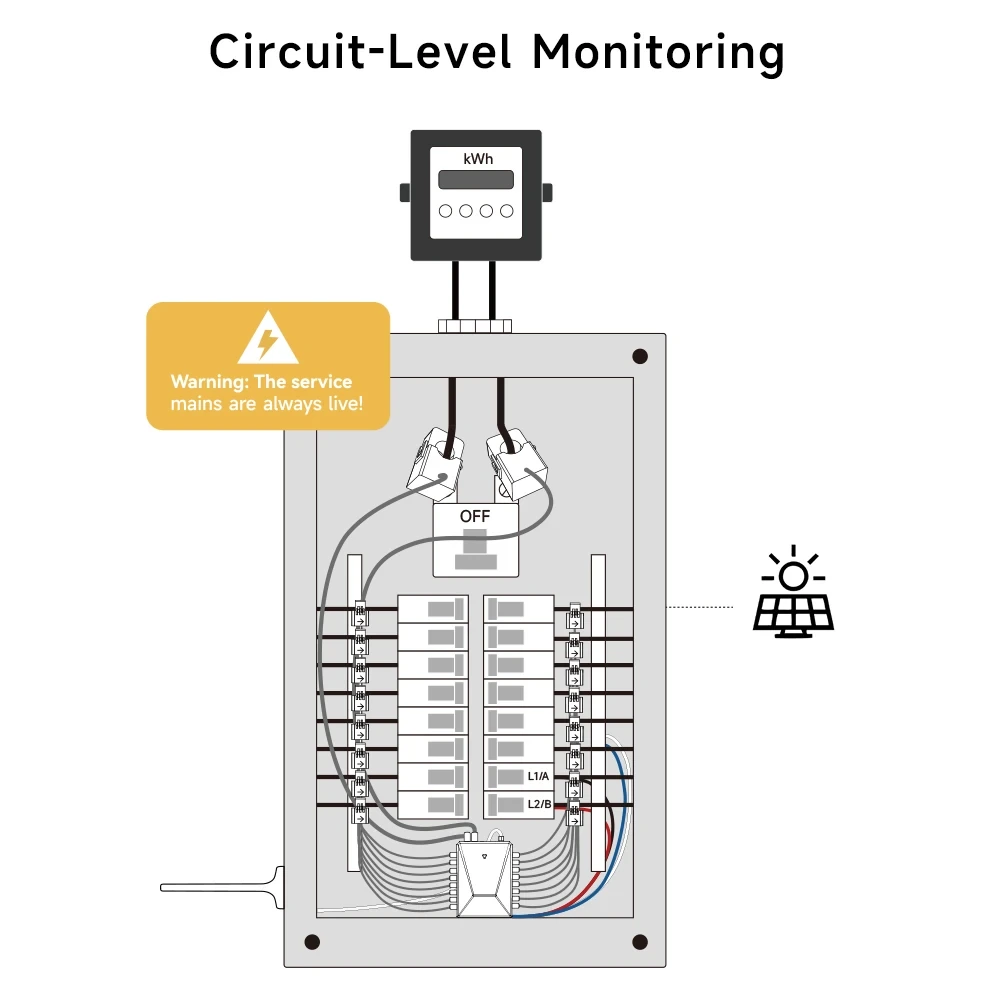
Use a small, evidence-based sequence. It keeps the first conversation useful and prevents a pilot from being treated as a finished national partner program.
Share the home type, monitoring objective, panel context, and whether whole-home or circuit detail is expected.
Confirm product availability, CT scope, panel access, manuals, and unresolved installation questions.
Agree who owns installation, setup, customer education, product questions, and local field response.
Only after fit is credible should both sides discuss quantity, timing, materials, training needs, and written terms.
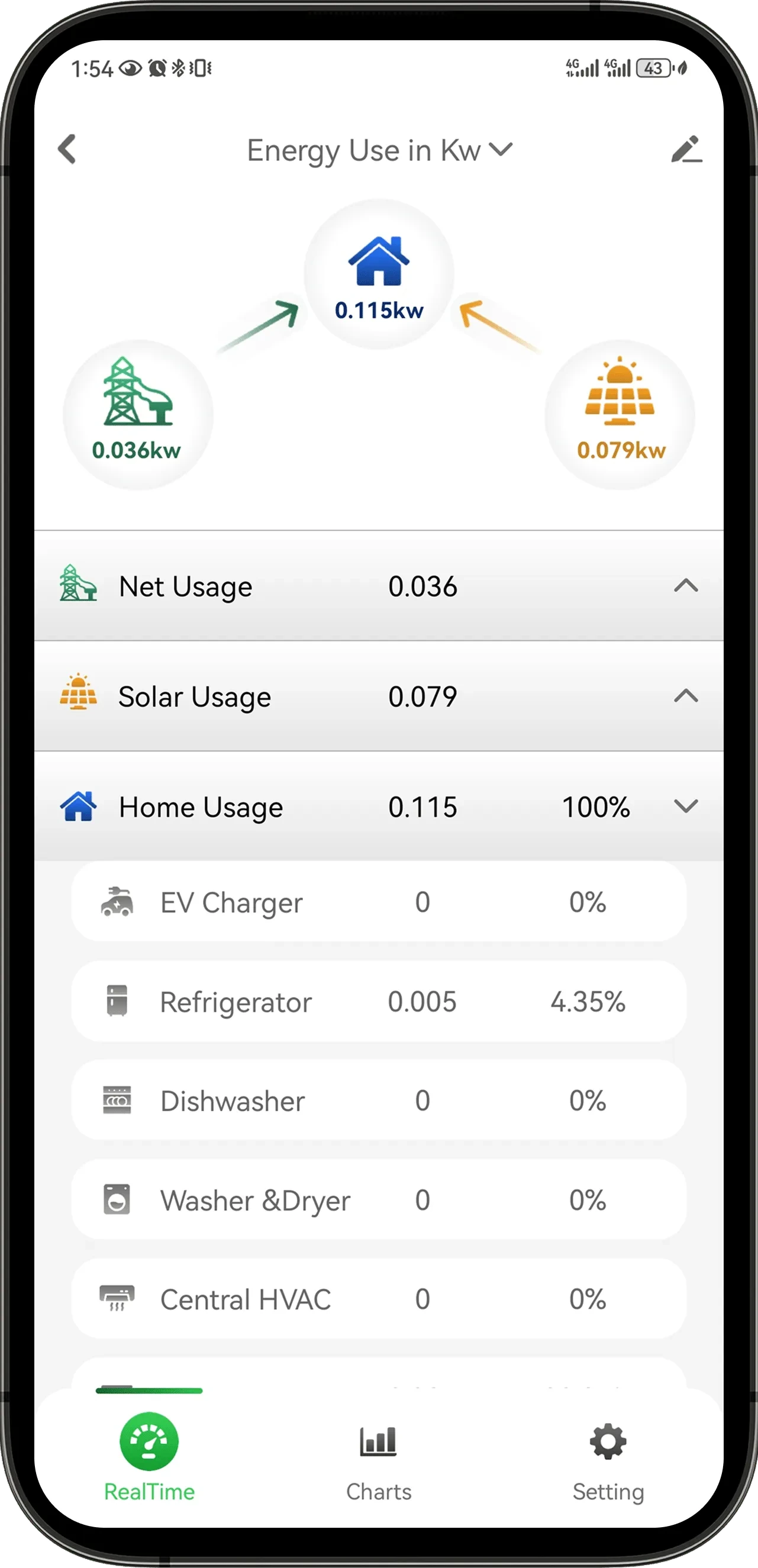
The product page shows current price, availability, and fit guidance. Manuals and support resources answer documented product questions. A screenshot or product image does not establish training, margin, territory, certification, or service-level commitments.
Bring the exact questions that block a real installation. That produces a better partner review than asking for a generic reseller deck or assuming every panel and household needs the same package.
Include your business type, service region, electrical capability, typical customer, proposed pilot size, and the monitoring jobs you want to support. Note whether you need product sourcing, documentation review, sales material discussion, or a support route.
Submitting the form requests a review. It does not approve a partner relationship or create pricing, territory, installation, training, or support obligations.
Need a product answer before a business discussion? Contact support or review manuals and downloads.
Use the answers below to understand fit, responsibilities, and what to include in an inquiry.
Start with a qualified discussion about your business, service region, customer needs, installation capability, and proposed pilot. Pricing, territory, training, materials, support scope, and other terms require written confirmation.
Qualified electricians can evaluate whether monitoring fits their existing work, assess the panel, install appropriate hardware, and educate the customer. The exact product, installation, and support scope must be confirmed for each project.
No local Grus installation service is promised. The local installer owns onsite assessment, safe installation, local requirements, scheduling, and the field relationship with the customer.
Homeowners should use the Energy Monitor product page, the energy-monitor buying guide, or support. This page is for service businesses evaluating a partner discussion.
Start with a defined customer job, panel capability, service region, and proposed pilot. Grus can then route the product, documentation, and partner-scope questions that need review.