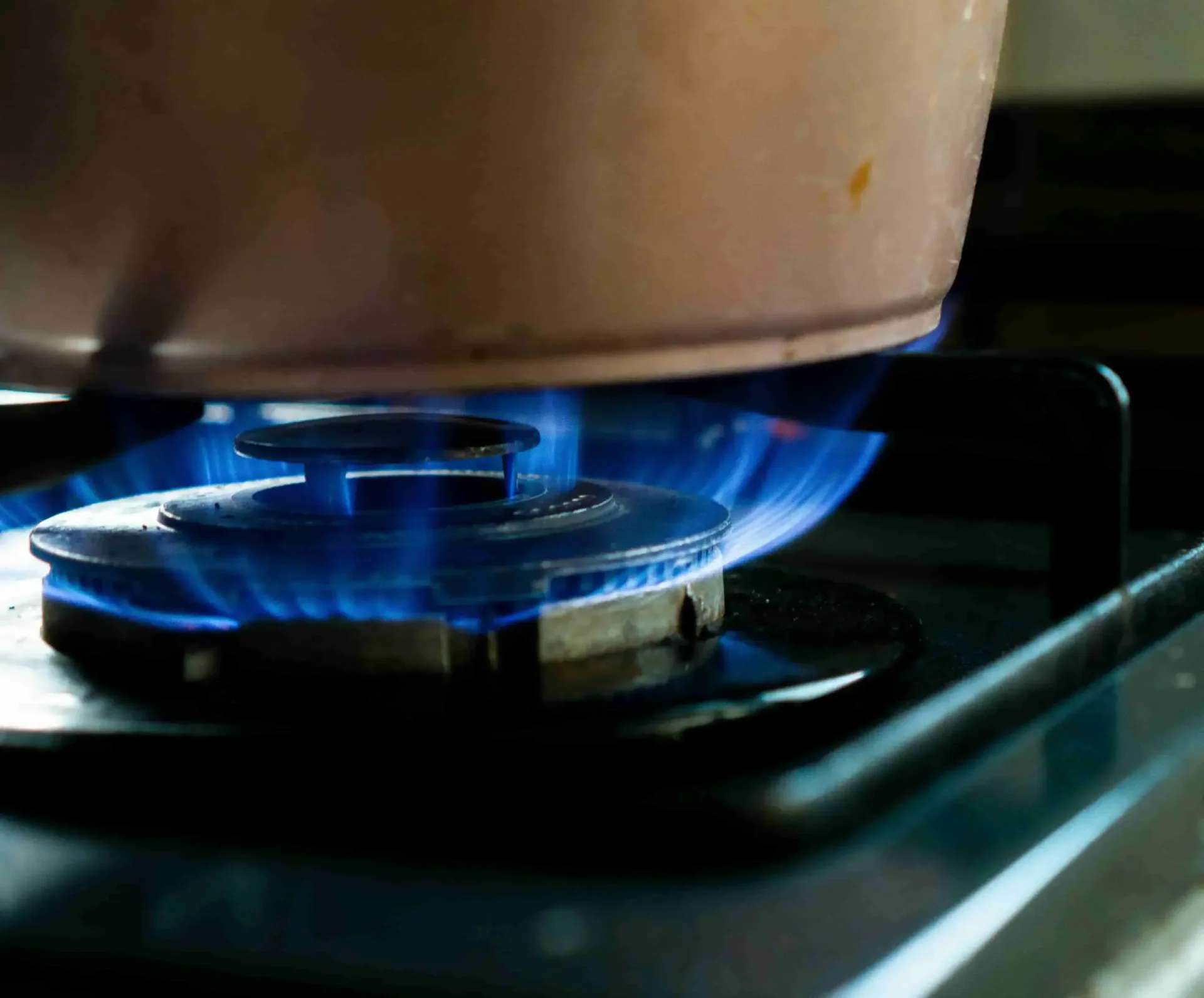

What to do immediately if your house smells like gasoline
A gasoline-like odor can indicate flammable fuel vapor, another chemical, or a different fuel-gas hazard. Do not stay inside to identify the exact source when the odor is strong, spreading, unexplained, or making anyone feel unwell.
- Move everyone into fresh air and leave the affected building or area.
- Avoid ignition sources while leaving. Do not smoke, light a flame, operate electrical switches or appliances, or start a vehicle in an affected garage.
- Call for help from a safe location. Call 911 or your local fire department when the odor is strong, there is a visible spill you cannot control, or the source is unknown.
- Get exposure advice when someone has symptoms. In the United States, call Poison Control at 1-800-222-1222. Call 911 for severe symptoms or a medical emergency.
Follow responder instructions before going back inside or attempting cleanup. The CDC chemical-emergency guidance says people who have inhaled a chemical should get away from the area and breathe fresh air. The U.S. Consumer Product Safety Commission warns that escaped fuel vapor can ignite when it reaches a spark or flame.
Gasoline smell or natural gas leak?
Gasoline usually has a sharp petroleum or solvent-like odor. Utility natural gas is odorized and is often described as rotten eggs or sulfur. Sewer gas and some solvents can also be mistaken for fuel.
Odor alone is not a reliable way to prove which substance is present. If you are unsure, use the emergency steps above. If the odor resembles rotten eggs or sulfur, leave and contact the gas utility or emergency services from outside; see the gas-smell safety guide for that separate response path.
Common sources of a gasoline-like odor
Once emergency responders or a qualified professional have determined that it is safe to investigate, common sources include:
- a leaking or uncapped portable fuel container;
- lawn equipment, generators, or other fuel-powered tools stored near living space;
- vehicle or equipment fumes entering from an attached garage;
- paint thinner, adhesive remover, cleaning chemicals, or other solvents;
- petroleum vapor entering from contaminated soil or an underground source.
The U.S. EPA describes petroleum vapor intrusion as petroleum-hydrocarbon vapor, including gasoline vapor, moving from a subsurface source into a building. Recurring odor with no visible household source needs professional investigation rather than repeated masking or ventilation alone.
Why gasoline vapor is a safety concern
Gasoline is volatile and flammable. Vapors can travel away from a spill or open container and ignite when they reach a flame, pilot light, spark, or other ignition source. That is why an odor in an attached garage, basement, or utility area should not be dismissed.
Breathing gasoline vapor can also affect health. The CDC’s Agency for Toxic Substances and Disease Registry notes that gasoline can irritate the eyes and respiratory tract and can affect the central nervous system during acute exposure.
What if someone feels unwell?
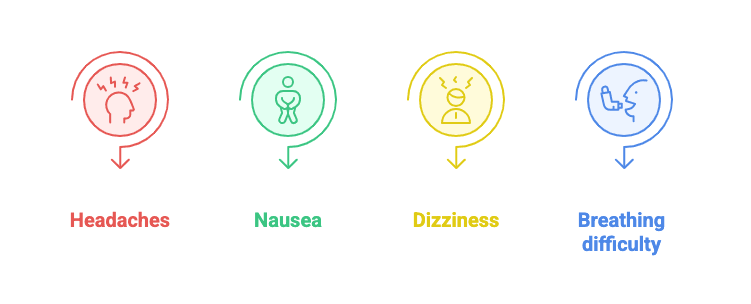
Headache, dizziness, nausea, eye or airway irritation, confusion, or breathing difficulty after a suspected chemical exposure are reasons to get into fresh air and seek expert help. Do not use this page to diagnose the exposure or decide that it is safe to remain indoors.
Call Poison Control at 1-800-222-1222 for exposure guidance in the United States. Call 911 for severe breathing difficulty, collapse, confusion, or another medical emergency.

Safer fuel storage and prevention
Prevention starts with keeping gasoline out of living spaces. CPSC guidance says never to store gasoline cans inside a house or basement and to keep portable fuel containers in cool, well-ventilated areas away from ignition sources.
- Keep fuel only in an appropriate, tightly closed container.
- Store fuel outside living areas and away from flames, pilot lights, heaters, appliances, and other ignition sources.
- Fill portable gasoline containers outdoors in an open-air area.
- Do not run a vehicle or fuel-powered equipment in an attached garage or enclosed space.
- If a spill cannot be controlled or you are unsure about cleanup, call the local fire department.
The U.S. Fire Administration household-chemical guidance provides additional storage and spill-response guidance.
Frequently asked questions
Is a gasoline smell in a house dangerous?
It can be. Gasoline vapor is flammable, and breathing a high concentration can cause harmful symptoms. A strong, spreading, or unexplained odor should be treated as a potential emergency until responders or a qualified professional identify the source.
Should I open windows before leaving?
Do not delay leaving a strong or unexplained odor to ventilate the building. Get into fresh air first, avoid ignition sources, and follow instructions from emergency responders about ventilation and re-entry.
Can a household gas detector tell me the area is safe?
Do not use a consumer detector to clear a suspected gasoline-vapor emergency. Leave the area and rely on emergency responders or qualified professionals to identify the hazard and decide when it is safe to return.
Why can this happen in an all-electric home?
Gasoline-like vapor can come from stored fuel, equipment, vehicles, solvents, or an outdoor or subsurface source. The home does not need a gas appliance for those sources to affect indoor air.
When should I call the fire department?
Call 911 or the local fire department from a safe location when the odor is strong, spreading, unexplained, linked to a spill you cannot control, or accompanied by symptoms. Do not remain inside to find the source first.
Sources and safety basis
- CDC: About Getting Clean in a Chemical Emergency
- ATSDR: Medical Management Guidelines for Gasoline
- CPSC: Fuel Container, Gasoline and Other Liquid Fuel Safety
- U.S. Fire Administration: Home Hazardous Materials
- U.S. EPA: Petroleum Vapor Intrusion
The safe next step
Do not try to solve a strong or unexplained gasoline-like odor by buying a detector or masking the smell. Leave first, avoid ignition sources, call for help from a safe location, and only investigate after the area has been declared safe.