In U.S. homes, most outlets provide120 volt, while high-power appliances use240 volt.
The fastest way to tell the difference is to checkthe outlet shape, the appliance plug, or the breaker panel.
Quick ways to identify outlet voltage
| Check | 120V Outlet | 240V Outlet |
|---|---|---|
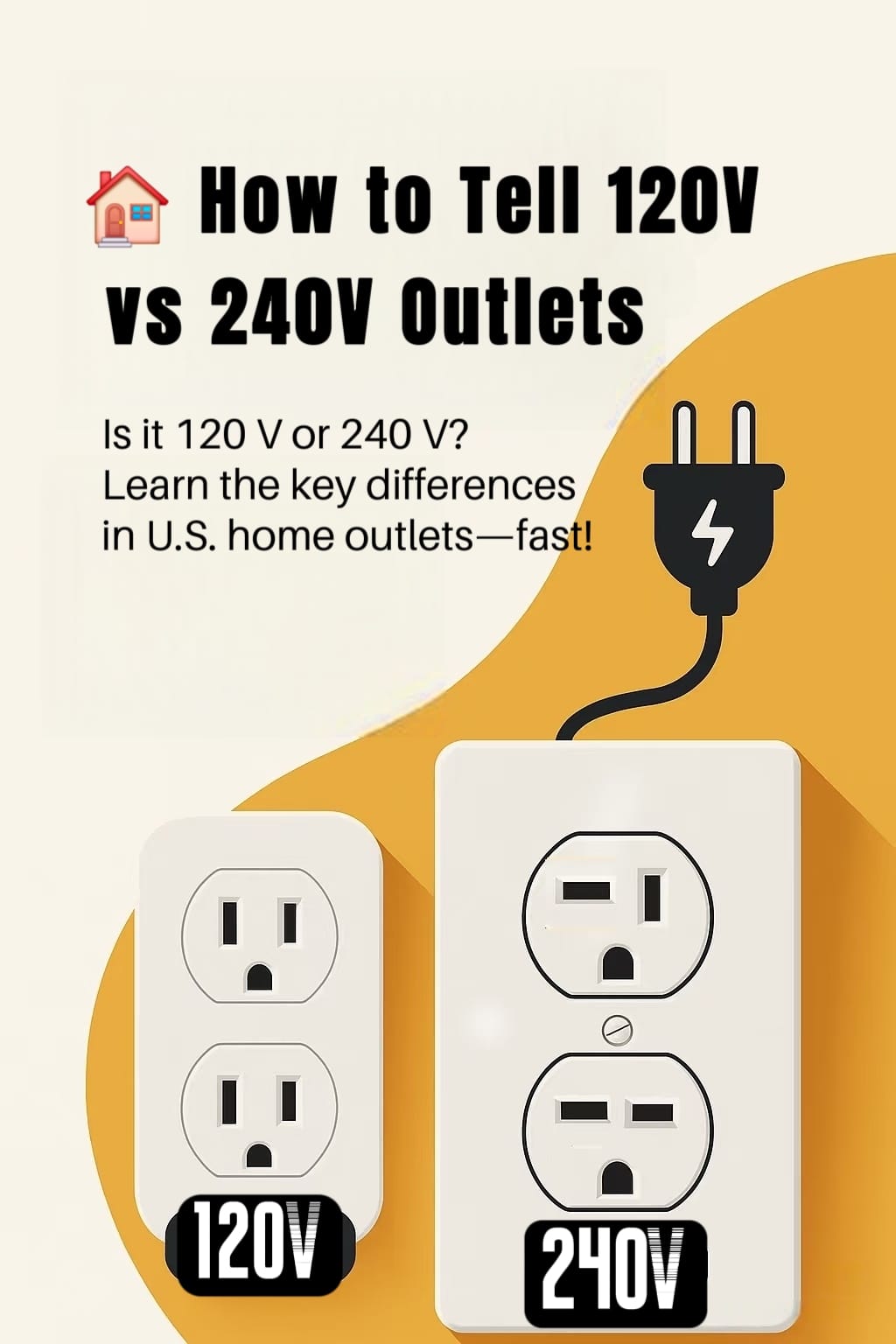
| Outlet shape | Two vertical slots + ground | Larger outlet with different slot patterns |
| Plug type | Thin two-prong or three-prong plug | Thick 3- or 4-prong plug |
| Breaker | Enpolig brytare | Dubbelpolig brytare |
| Typical use | Lamps, TVs, kitchen appliances | Dryers, ovens, EV chargers |
Most homes have dozens of 120V outlets but only a few 240V outlets for heavy-duty equipment.
The sections below explain how to confirm the voltage safely before installing an appliance.
Snabba sätt att se om ett uttag är 120 V eller 240 V
The easiest way to identify outlet voltage is bylooking at the outlet design and the appliance plug.
Here are the four most reliable checks homeowners use.
1. Titta på utloppsformen
A standard120V-uttagis the familiar wall outlet found throughout bedrooms, living rooms, and kitchens.
It usually has:
• two vertical slots
• one round grounding hole

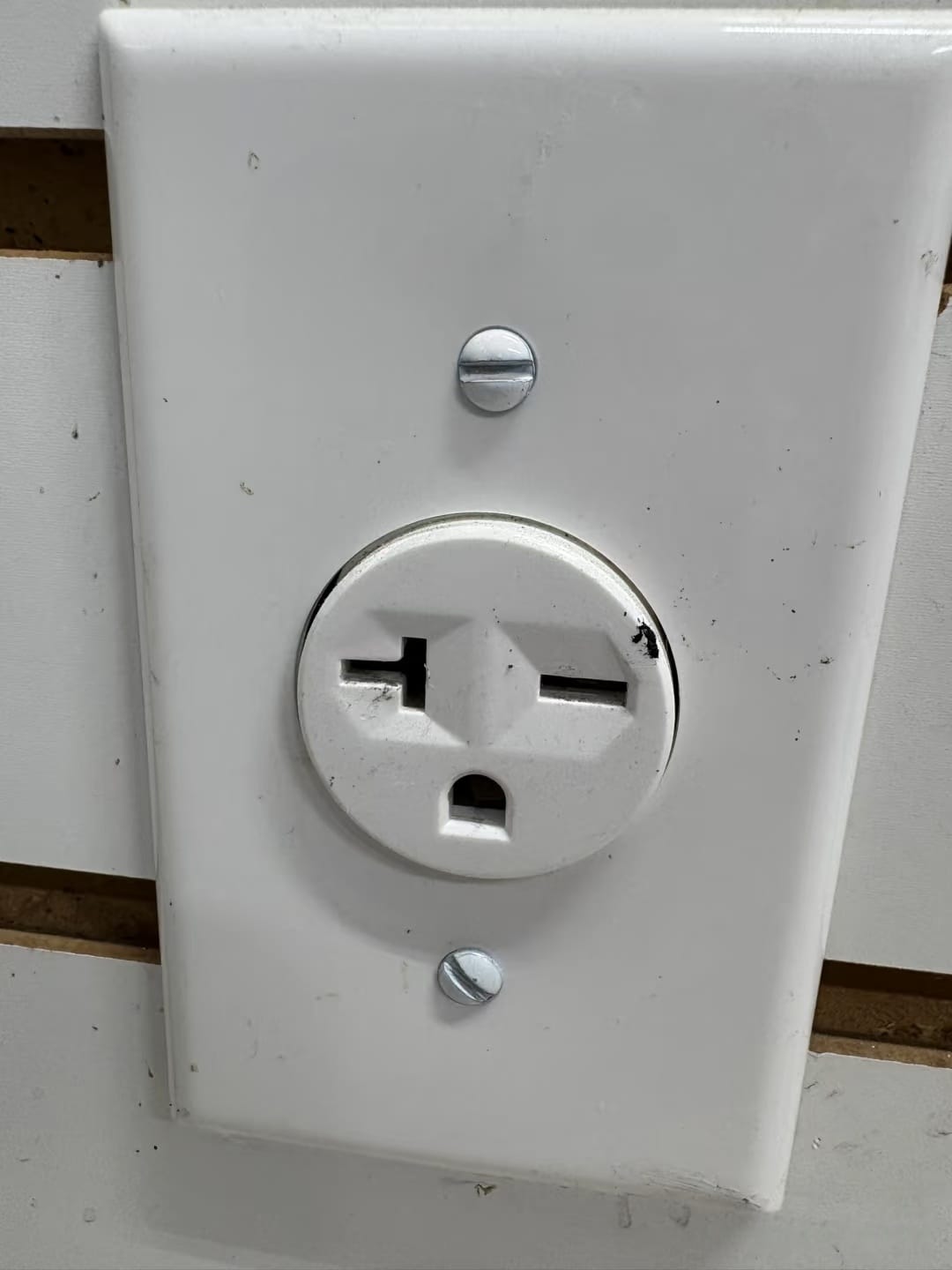
A240V uttagis usually larger and shaped differently.
Depending on the appliance, it may have:
• aT-shaped slot
•L-shaped openings
•three or four prongs
These outlets are commonly found in laundry rooms, garages, kitchens, or near large appliances.
2. Check the Appliance Plug
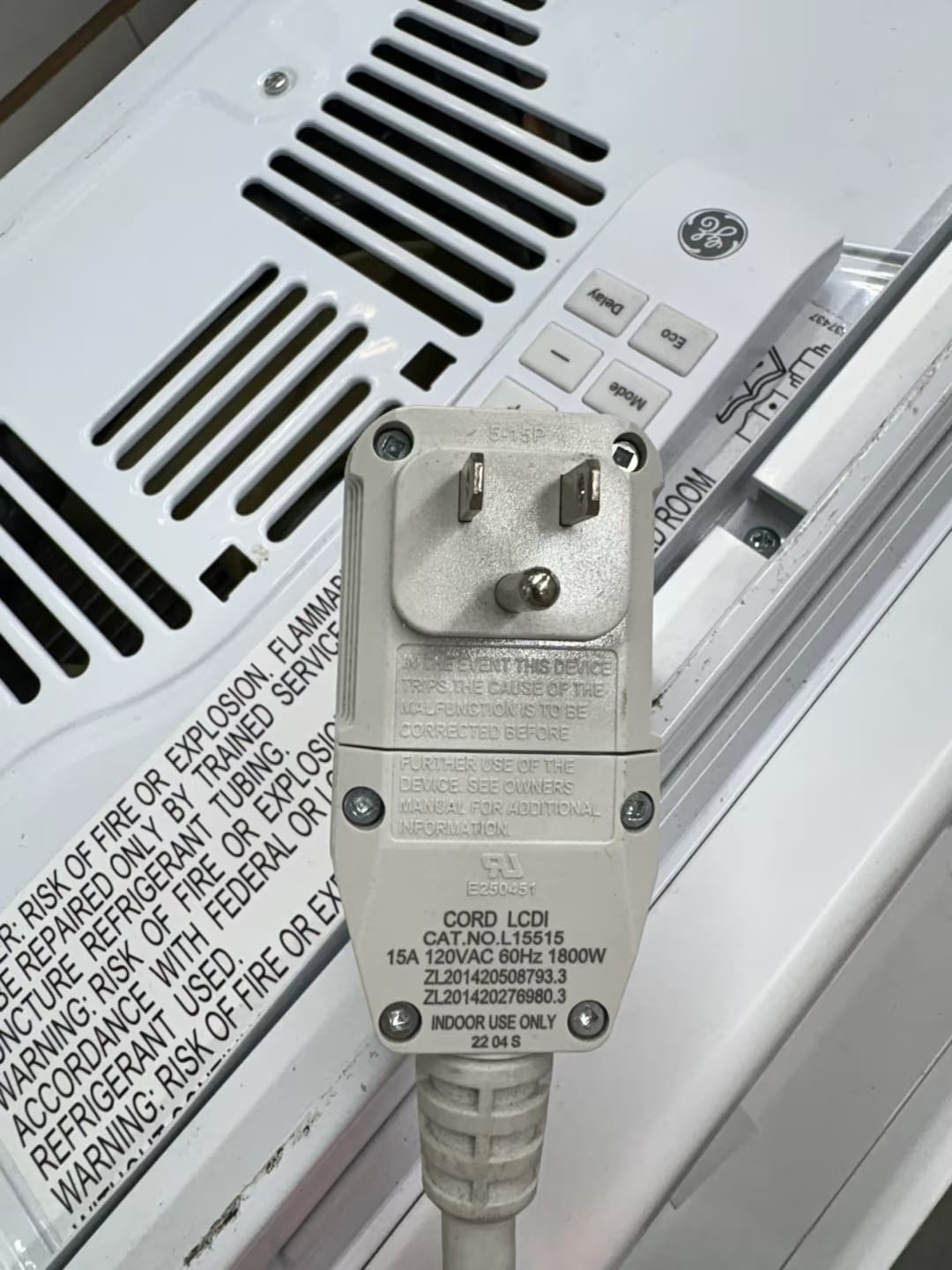
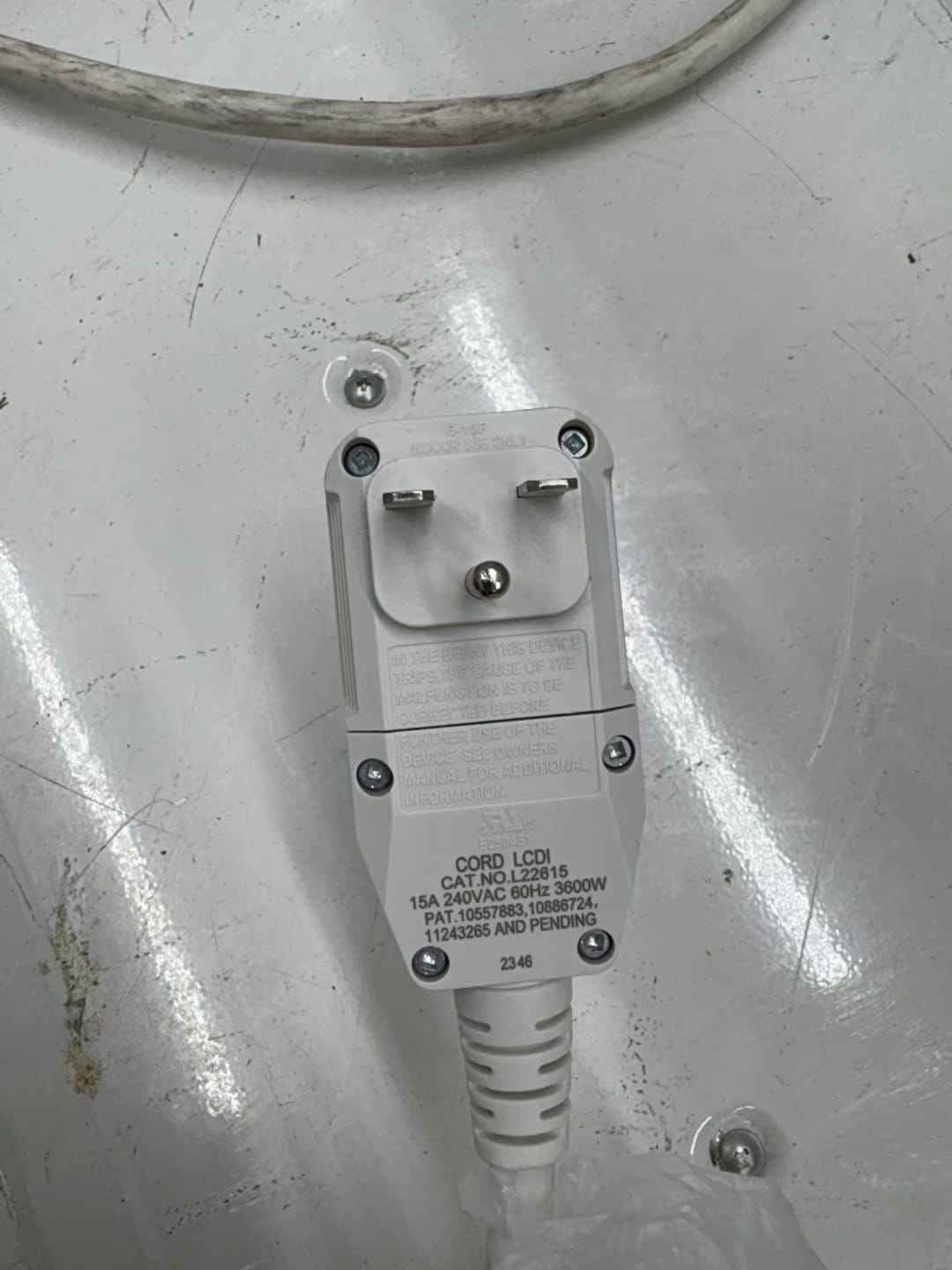
Another quick clue is the plug attached to the appliance.
Small household devices like lamps, TVs, or coffee makers usethin plugs designed for 120V outlets.
High-power appliances such as dryers, ranges, and EV chargers usethicker plugs with three or four prongs.
These plugs are intentionally designed so theycannot fit into a standard 120V outlet, preventing dangerous voltage mismatches.
3. Check the Breaker Panel
If you're still unsure, the breaker panel provides another useful clue.
•Single-pole breaker → 120V circuit
•Double-pole breaker → 240V circuit
Double-pole breakers connect to both hot wires in the home’s split-phase system, allowing the circuit to deliver 240 volts.
These breakers are commonly labeled for appliances like dryers, ranges, or air conditioners.
Safety note:
You can open the panel door and look, but donot remove panel covers or touch wiringunless you are qualified.
4. Test with a Voltage Tester or Multimeter
For a definitive answer, electricians use amultimeter or voltage tester.
A voltage reading of:
•around 120 volts → standard outlet
•around 240 volts → high-voltage outlet
Homeowners who are not comfortable using electrical testers should ask a licensed electrician to confirm the voltage.
Förstå grunderna: 120V vs. 240V i amerikanska hem
Before checking outlet shapes or labels, it helps to understandwhy both voltages exist.
Most U.S. homes use asplit-phase 120/240V electrical system.
That means your house receives two “hot” wires and one neutral from the utility.
Depending on how a circuit is wired, it can deliver either 120 volts or 240 volts.
120V-kretsar
- Use one hot wire and one neutral
- Supply standard wall outlets
- Power everyday devices and small appliances
240V-kretsar
- Use both hot wires together
- Deliver higher power
- Serve heavy-duty equipment
Quick reference:
| Spänning | Typiska apparater |
|---|---|
| 120 V | Lampor, TV-apparater, bärbara datorer, mikrovågsugnar, kaffebryggare |
| 240 V | Elektriska torktumlare, ugnar, varmvattenberedare, central luftkonditionering, laddstationer för elbilar |
En vanlig förvirringspunkt är skillnaden mellan110V och 120V uttag. In practice, they’re the same thing. People often use the terms interchangeably, but modern household wiring in the U.S. is standardized at 120V. When you see an appliance label that says “110V,” it’s simply designed to work with today’s 120V supply.
Så, tänk på det så här:
- 120V = vardagsliv
- 240V = hög effekt
Understanding this split is the foundation for recognizing which outlets you’re dealing with in your own home.
När du vanligtvis ser 240 V-uttag
Om du går genom ett typiskt amerikanskt hem ser du dussintals 120V-uttag – men bara ett fåtal240V-uttag. That’s because they’re reserved for appliances that need a lot more power than a standard plug can provide.
Här är de vanligaste ställena du stöter på dem:
- Tvättstugor– Elektriska torktumlare behöver nästan alltid 240V. Om du undrar dig själv,"Behöver min torktumlare 240V?"Svaret är troligt ja – såvida det inte är en kompakt eller bensindriven modell.
- Kök– Stora ugnar, spishällar och vissa inbyggda mikrovågsugnar kräver 240 V för att hantera värmeelement.
- Garage– Laddare för elbilar blir alltmer populära, och nästan alla nivå 2-laddare kräver en 240V-krets.
- Utomhus-/bruksområden– Centrala AC-kompressorer, värmepumpar och brunnspumpar drivs vanligtvis med 240 V.
Proffstips: Titta på brytarpanelen
If you want further confirmation, your breaker panel can provide clues:
- Enpolig brytare→ 120V circuit
- Dubbelpolig brytare→ 240V circuit
Double-pole breakers connect to both hot wires in the split-phase system and are commonly labeled for appliances like dryers, ranges, or A/C units.
Safety reminder:
It’s okay to open the panel door and look—but do not remove covers or touch wiring unless you’re qualified.
When in doubt, take a photo and consult a licensed electrician.
Kan man konvertera ett 120V-uttag till ett 240V-uttag?
Husägare undrar ofta:kan du konvertera 120V till 240Vif you don’t already have the right outlet? The short answer is yes—but it’s not as simple as swapping out the receptacle.
Varför det inte är ett gör-det-själv-jobb
En 240V-krets kräver:
- Två heta trådaristället för en
- Adubbelpolig brytarei din panel
- Rätt trådtjocklek för att hantera den ökade belastningen
That means converting an outlet involves rewiring from the breaker panel and ensuring everything meets code. Attempting this on your own without proper training can result in fire hazards, code violations, or damaged appliances.
Typiska kostnader
Thekostnaden för att installera ett 240V-uttagvaries depending on how far the outlet is from the electrical panel, whether your panel has room for another breaker, and whether permits are required. On average, homeowners spend:
- $250–$400för en enkel installation nära panelen
- $500–$1,000+om nya ledningar måste dras över flera rum eller till ett fristående garage
If you’re planning for a future EV charger, heat pump, or large appliance upgrade, it’s wise to install the 240V outlet sooner rather than later.
Bästa praxis
Anlita alltid enlicensierad elektriker. Not only will the work be safer, but it also ensures your installation passes inspection and complies with theNationell elektrisk kod (NEC).
Why Confirming Voltage Matters Before Installation
Knowing whether an outlet is 120V or 240V isn’t just a technical detail.
It directly affects:
- Appliance compatibility
- Installation safety
- Upgrade planning (EV chargers, heat pumps, electric heating)
- Whether professional work is required
Many installation problems happennot because the appliance is faulty—but because the electrical setup was misunderstood.
Not Sure What Your Setup Supports?
If you’re planning to install or upgrade high-power equipment and aren’t fully confident in your home’s electrical capacity, the next step isn’t buying hardware—it’s understanding your system as a whole.
👉Learn how homeowners plan electrical capacity and appliance upgrades safely:
→ Home Electrical & Energy Planning Guide
Conclusion: Quick Takeaways
120V outlets power everyday devices such as lamps, TVs, and kitchen appliances.
240V outlets are designed for heavy-duty equipment like electric dryers, ovens, EV chargers, and large HVAC systems.
You can usually identify the voltage by checking:
• the outlet shape
• the appliance plug
• the breaker panel
If you're unsure, using a voltage tester or consulting a licensed electrician is the safest way to confirm the circuit.
Taking a few minutes to verify outlet voltage can prevent appliance damage and installation mistakes.
FAQ
Kan ett vanligt uttag vara både 120V och 240V?
No. They are wired differently and designed with distinct outlet shapes to prevent accidents. A receptacle is always one or the other.
Är det säkert att testa med en multimeter?
Ja, men bara om du är erfaren. En kontaktfrispänningsmätare för hushållsuttagär säkrare för nybörjare. Om du är osäker, låt en elektriker göra det.
Visar smarta kontakter spänning?
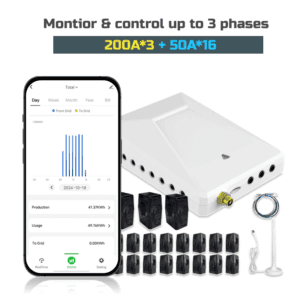
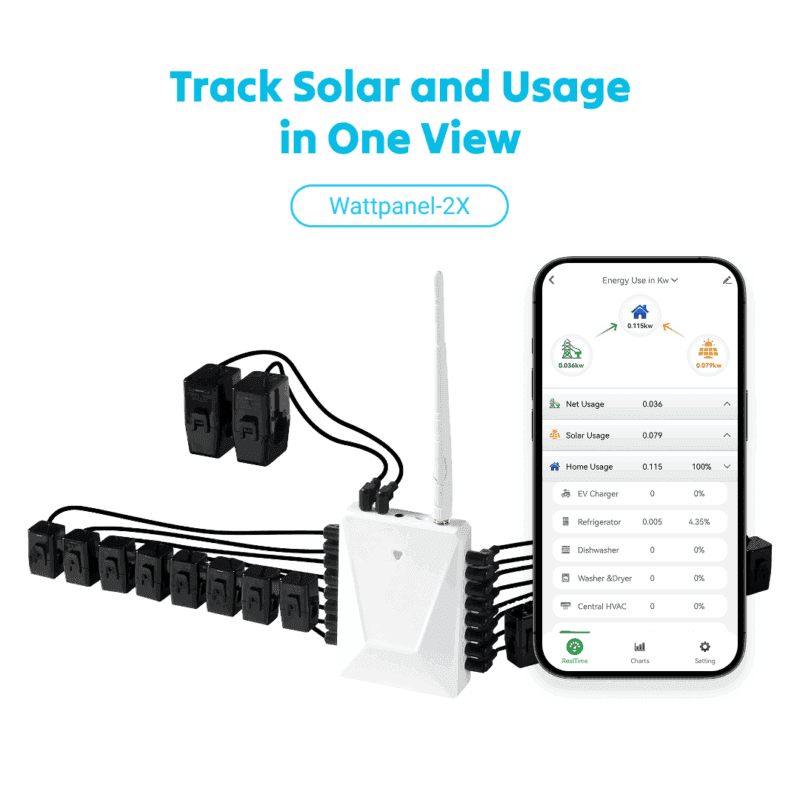
Most smart plugs don’t measure voltage directly. They can show energy usage for 120V devices, but for full-circuit monitoring—including240V-apparater—du behöver en smart energimätare.
Vad händer om man kopplar in 120V i 240V?
Det kan förstöra enheten omedelbart. Det är därför120V 240V uttagssäkerhetspelar så stor roll – apparaters kontakter och uttag är avsiktligt utformade för att inte passa i varandra.
Behöver min torktumlare 240V?
Most full-size electric dryers in the U.S. do require 240V. Compact dryers and gas dryers may only use 120V, so always check the label before buying or installing.