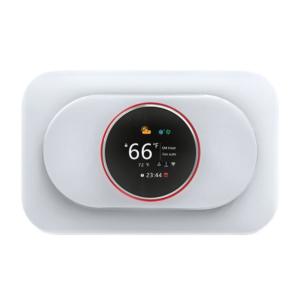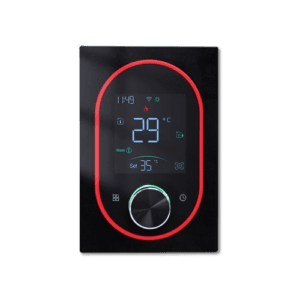
Vinteroppvarming stiller helt andre krav til en termostat enn sommerkjøling. I kalde klima kan feil termostat føre til ujevn oppvarming, høye strømregninger eller til og med frosne rør når temperaturen faller over natten.
Nøkkelen er ikke bare å velge en «smart» termostat — det er å velge en som erBygget for ditt spesifikke varmesystemog fungerer pålitelig under vinterforhold.
Denne guiden bryter nedBeste smarte termostater for vinteroppvarmingBasert på ekte oppvarmingsoppsett i hjemmet, slik at du kan ta det riktige valget før kaldt vær kommer.
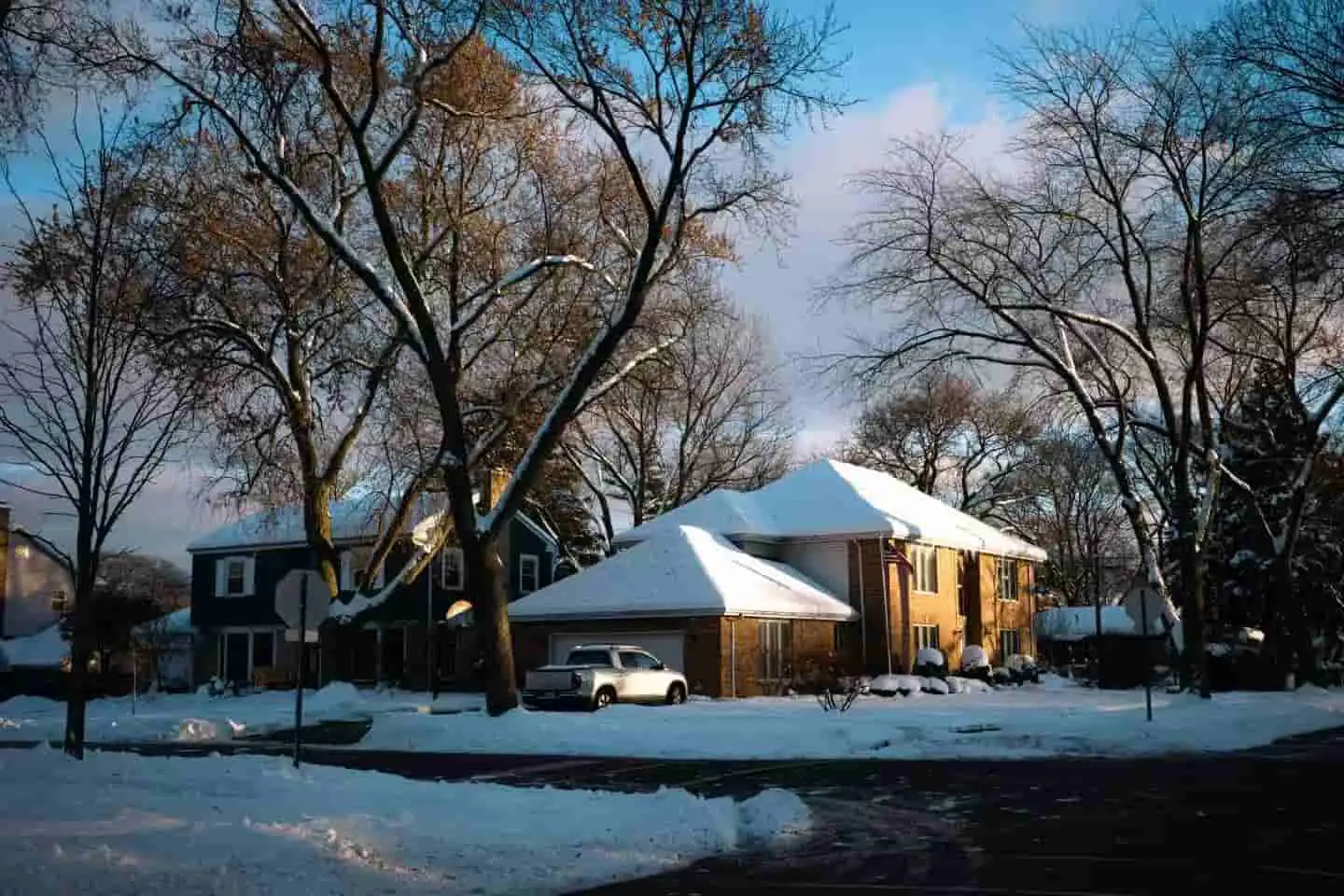
Hva gjør en smart termostat vinterklar?
Ikke alle smarte termostater er designet med vinteren i tankene. For ytelse i kaldt vær bør en termostat tilby:
- Nøyaktig temperaturkontrollFor å unngå hyppig sykling
- Kompatibilitet med varmesystemet ditt(linjespenning vs lavspenning)
- Stabil natteplanleggingfor lange oppvarmingstimer
- FjerntilgangFor å justere innstillinger under kuldeperioder
- Støtte til fryseforebyggingNår du er borte fra hjemmet
En termostat som utmerker seg om sommeren, men sliter om vinteren, kan raskt bli en belastning.
Identifiser varmesystemet ditt først (Kritisk Steg)
Før du sammenligner merker, må du identifisereHvordan hjemmet ditt varmes opp. Dette ene steget eliminerer de fleste kjøp av «feil termostat».
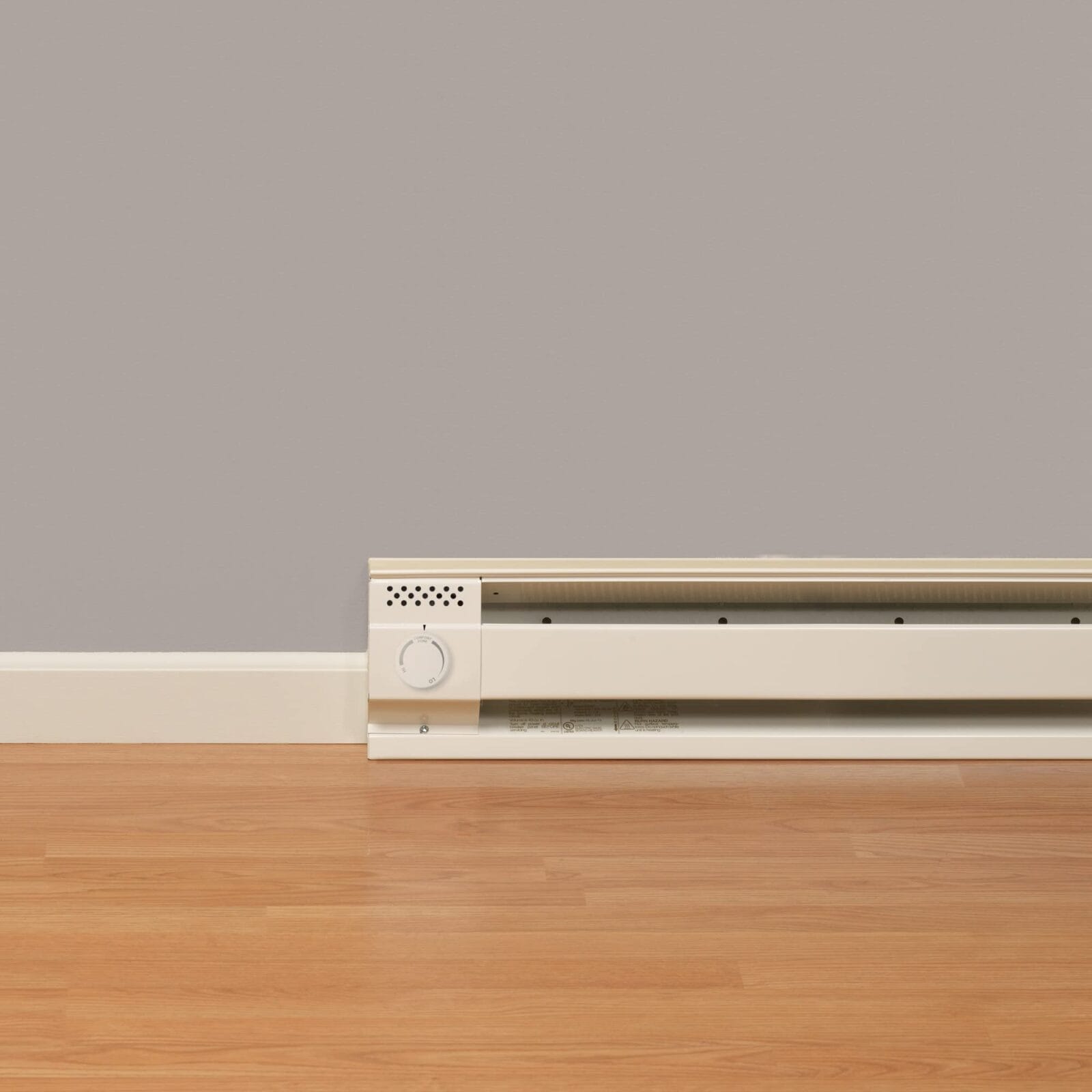
Elektrisk panelvarme (120V / 240V)
Vanlig i:
- Leiligheter og leiligheter
- Eldre boliger i nordlige stater
- Hjem med veggmonterte elektriske ovner
Nøkkelkrav:
- Kun nettspennings smart termostat
⚠️ Populære lavspenningstermostater som Nest eller EcobeeIkke jobbmed elektriske gulvlister.
Varmepumpe-, ovns- eller sentrale HVAC-systemer
Vanlig i:
- Eneboliger
- Nyere konstruksjoner
- Hjem som bruker kanaler eller luftbehandlere
Nøkkelkrav:
- Lavspenningstermostat med varmepumpelogikk
- Riktig kontroll av hjelpevarme under kaldt vær
Beste smarte termostater for elektrisk paneloppvarming
EcoNet-BH — Best for vinteroppvarming av gulvlister
Hjem med elektriske panelovner trenger termostater som er spesielt designet forHøyspennings varmelaster. En linjespennings smart termostat sikrer stabil varmeproduksjon uten å skade ledninger eller varmeovner.
Hvorfor det fungerer godt om vinteren:
- Utviklet for120V / 240V elektriske panelsystemer
- Opprettholder jevn oppvarming under lange, kalde netter
- Fjernkontroll hjelper til med å forhindre frosne rør når man reiser
- Enkel planlegging unngår unødvendig energisløsing
Best for:
- Leiligheter og rekkehus
- Eldre hus med elektrisk oppvarming
- Kaldklimaregioner hvor gulvlister går i timevis daglig

Beste smarte termostater for varmepumpe og HVAC-oppvarming
Varmepumpesystemer oppfører seg veldig annerledes om vinteren enn i milde årstider. En termostat må håndtere avrimingssykluser og hjelpevarme nøye for å unngå plutselige energitopper.
Smarte termostater for varmepumpesystemer
Velkjente merker som Ecobee og Nest støtter varmepumper, men vinterytelsen avhenger sterkt av korrekt oppsett og kompatibilitet.
Termostater spesielt designet for varmepumpelogikk tilbyr:
- Bedre hjelpevarmekontroll
- Jevnere temperaturoverganger
- Redusert energisløsing under kuldeperioder
Alternativer somEcoNet-HPSerien fokuserer på vintereffektivitet og fjernkontroll uten å legge til unødvendig kompleksitet.
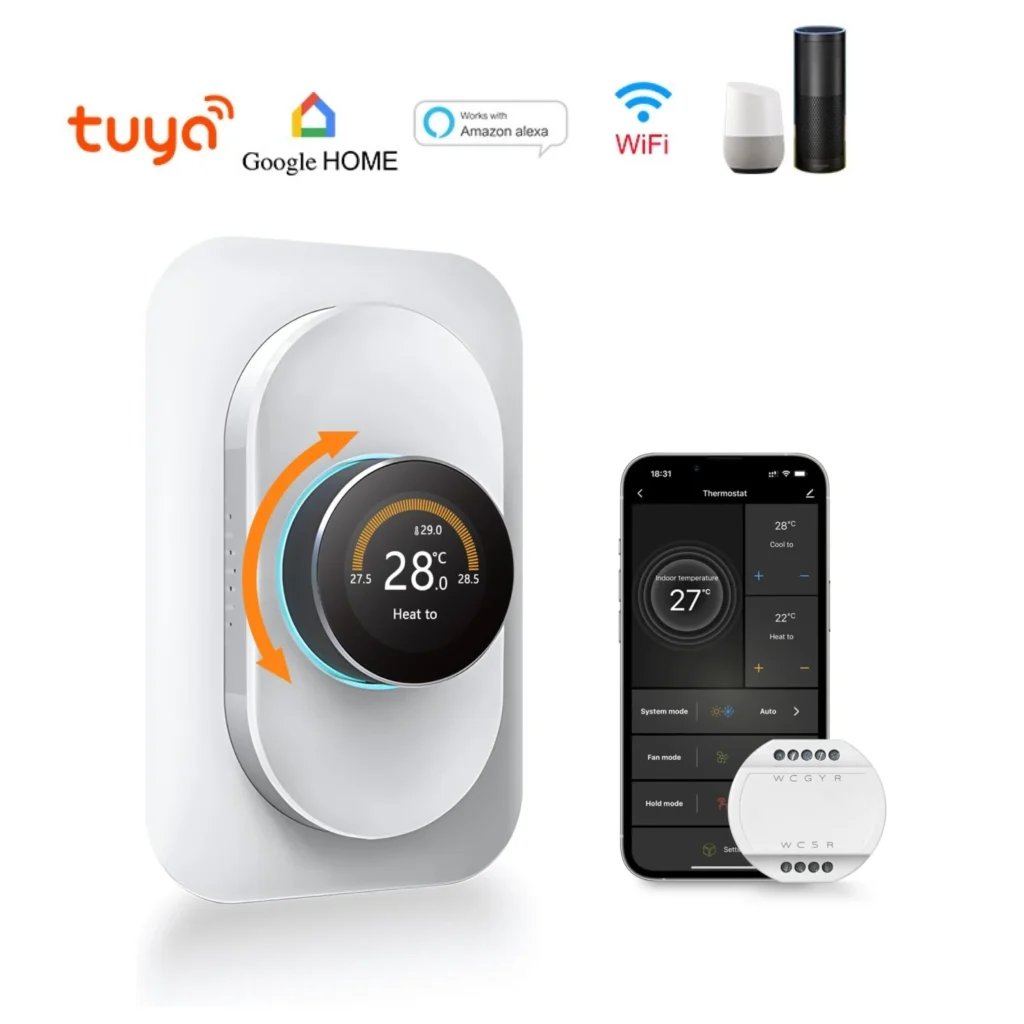
Hvilken smart termostat passer best for deg denne vinteren?
Bruk disse raske reglene for å begrense valget ditt:
- Elektrisk oppvarming av gulvlister→ Linjespennings smart termostat
- Varmepumpe eller HVAC-system→ Lavspennings smart termostat med varmepumpestøtte
- Hyppige vinterreiser→ Fjernkontroll + fryseforebyggingsfunksjoner
- Høye strømregninger om vinteren→ Smart planlegging og stabil temperaturkontroll
Hvis du er usikker på systemkompatibel eller ledningsføring, kan det å forstå hvordan ulike termostater fungerer med vintervarmesystemer forhindre kostbare feil.
👉For en fullstendig oversikt over varmesystemer, ledningstyper og kompatibilitet med smarte termostater, se vår fullstendige guide:
Smart termostatvarmeguide (Gulvlister og varmepumpesystemer)→
Avsluttende tanker
Den beste smarte termostaten for vinteroppvarming handler ikke om merkevarens popularitet – det handler omÅ tilpasse termostaten til varmesystemet og vinterbehovene dine.
Å velge riktig betyr:
- Bedre komfort
- Lavere energiregninger
- Færre vinternødsituasjoner
Og viktigst av alt, et hjem som holder seg varmt og beskyttet når temperaturen faller.
Hva er den beste smarte termostaten for vinteroppvarming?
Den beste smarte termostaten for vinteroppvarming avhenger av varmesystemet ditt. Hjem med elektriske panelovner trenger en nettspennings smart termostat, mens varmepumper eller HVAC-systemer krever en lavspenningstermostat designet for vinterbruk.
Hvorfor føles hjemmet mitt kaldt selv når termostaten er riktig innstilt?
Dette skjer ofte når termostaten ikke er kompatibel med varmesystemet eller går for ofte i kaldt vær. En vinterklar smart termostat gir mer stabil temperaturkontroll under lange oppvarmingsperioder.
Kan en smart termostat bidra til å forhindre frosne rør om vinteren?
Ja. Smarte termostater med fjernkontroll og planleggingsfunksjoner gjør det mulig for huseiere å opprettholde minimumstemperaturer når de er borte, noe som reduserer risikoen for frosne rør under ekstrem kulde.
Er smarte termostater pålitelige under ekstremt kaldt vær?
Smarte termostater designet for vinteroppvarming er pålitelige i kalde klima, så lenge de matcher typen varmesystem og er riktig installert. Inkompatible termostater er en vanlig årsak til varmeproblemer om vinteren.
Er smarte termostater verdt det for vinteroppvarming?
Ja. Om vinteren kan smarte termostater redusere energisløsing, forbedre komforten og bidra til å håndtere oppvarmingskostnader ved å opprettholde stabile temperaturer og unngå unødvendig overoppheting.
Kan Nest eller Ecobee brukes med elektrisk panelvarme?
Nei. Nest og Ecobee er lavspenningstermostater og er ikke kompatible med 120V eller 240V elektriske panelvarmesystemer.
Hvilken type smart termostat kreves for elektriske panelovner?
Elektriske panelovner krever enSmart termostat for nettspenningSpesielt designet for 120V eller 240V varmesystemer.
Hvilken smart termostat fungerer best med varmepumper om vinteren?
En lavspennings smart termostat designet for varmepumpesystemer fungerer best, spesielt en som effektivt håndterer hjelpevarme i kaldt vær.
Hvordan vet jeg om hjemmet mitt bruker nettspenning eller lavspenningsoppvarming?
Hjem med elektriske panelovner bruker vanligvis nettspenning, mens varmepumpe og sentrale HVAC-systemer bruker lavspenning. Å sjekke eksisterende termostatledninger eller varmeutstyr kan bekrefte dette.