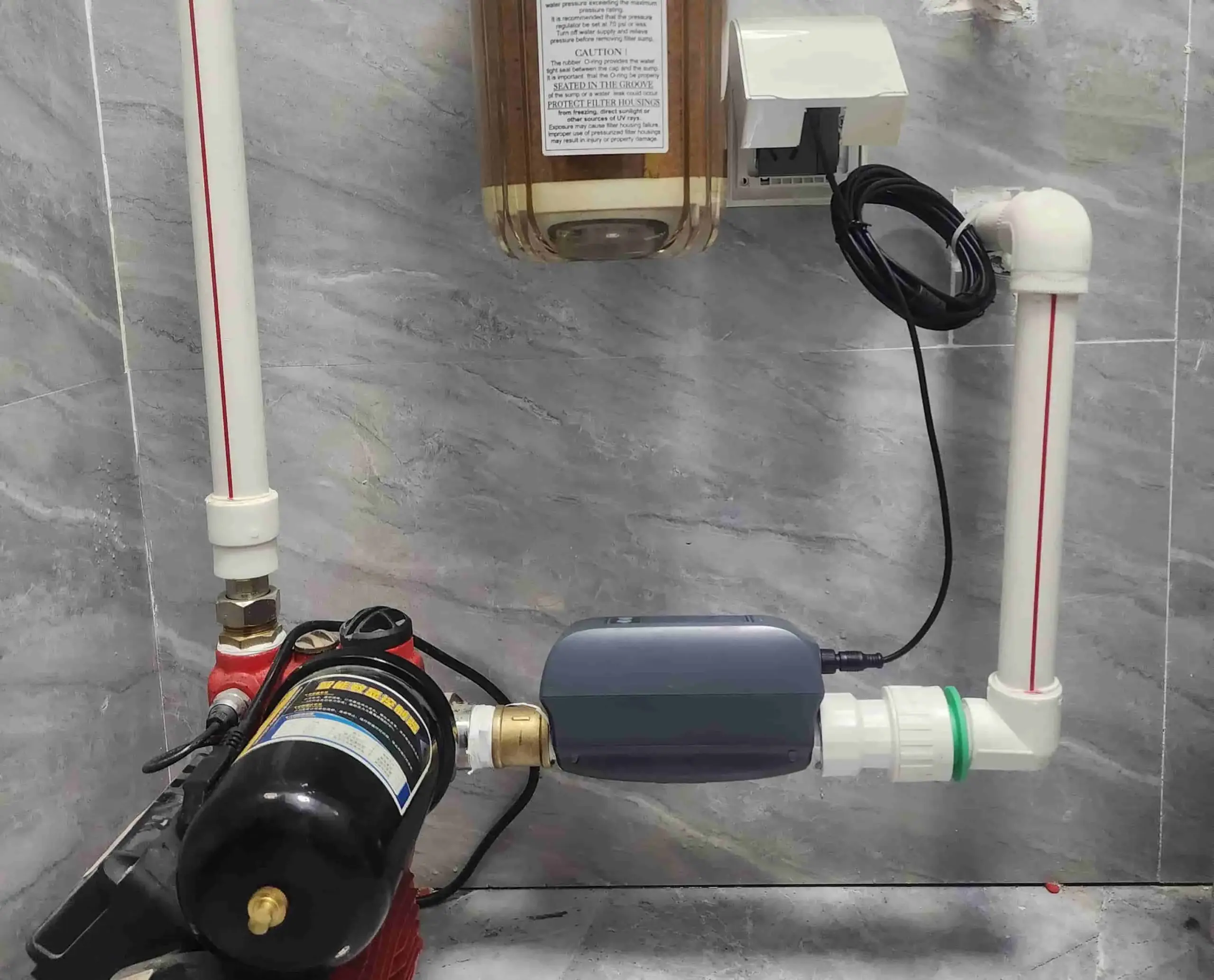
Water damage is one of themost expensive and most common home insurance claimsin North America. Burst pipes, leaking supply lines, dishwasher failures—these issues cost insurers billions each year.
It’s no surprise that many homeowners are now asking:
“If I install a smart water shutoff valve, can I get a discount on my home insurance?”
The short answer:
➡Yes—many insurance companiesdooffer incentives or premium reductions if you install a qualified smart water shutoff device.
➡ But the rules vary by company, by state, and by the type of device you install.
This guide will help you understandhow insurance providers treat smart water valves, what features they look for, how to request a discount, and how whole-home systems like AquaNet fit into these requirements.
Why Home Insurance Companies Care About Smart Water Shutoff Valves
Most insurers classify water damage as ahigh-frequency, high-cost risk category. Typical claims include:
- Frozen pipe bursts Washing machine hose failures
- Under-sink leaks that go unnoticed
- Supply line failures in older homes
- Vacation-time leaks causing extended flooding
A single incident can easily exceed$5,000–$15,000in repairs, and severe flooding can reach$50,000+. To understand how a full smart water protection setup works, visit ourスマートホームの水害保護システムguide.
Smart water shutoff valves—especially those withautomatic shutoff capability—are considered arisk-mitigation upgradebecause they:
- Detect unusual water flow
- Send real-time alerts via WiFi/app
- Automatically shut off the water before damage spreads
- Provide logs that document incidents
From an insurance perspective, these upgradesreduce both severity and frequencyof claims—so incentives make financial sense.
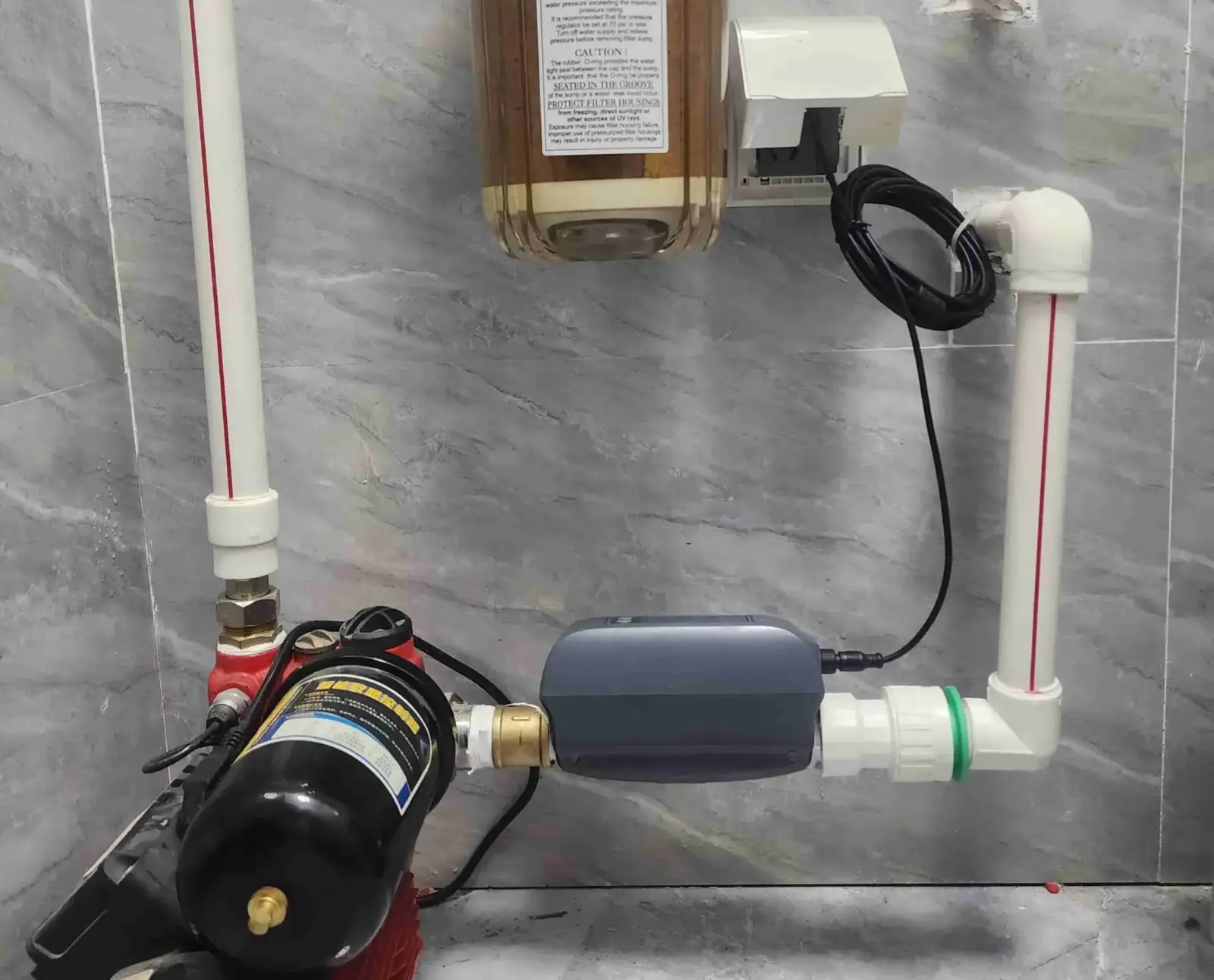
Do Insurance Companies Provide Discounts in 2025?
Across major U.S. insurers (State Farm, Allstate, Travelers, Progressive, Farmers, etc.), trends for 2025 show:
Most insurers support discounts for:
- Automatic water shutoff systems(flow-based or sensor-based)
- Whole-home protection systemswith multiple leak sensors
- Smart valves that can shut off remotely through an app
If you're new to this technology, here’s a quick guide onwhat a smart water valveis and how it works.
Typical incentives:
- Premium discounts of 3%–10%
- One-time device rebates ($50–$200)
- Reduced deductible for water-related claims
- Preferred risk classification for older homes
But discount availability depends on:
- Your state (regulations differ)
- Whether the device meets insurer requirements
- The underwriting rules of your specific insurer
- Whether installation is DIY or professional (some require certification)
Most companies donotoffer discounts for simple “beep-only” leak alarms.
The key feature insurers care about is:
➤Automatic shutoff = highest chance of getting a discount.
What Features Insurance Providers Usually Require
While every insurer has their own checklist, most look forthree core functions:
Automatic shutoff capability
The valve must close automatically when:
- Continuous flow is detected
- A connected leak sensor detects moisture
リアルタイムアラート
WiFi connectivity + mobile app notifications ensure the homeowner is aware of the incident immediately.
Event logs & monitoring
Being able to show “the valve shut off at 3:12 PM due to abnormal flow” helps during claims.
Optional features that strengthen eligibility:
- Remote manual shutoff from your phone
- Multiple leak sensors around the home
- Temperature monitoring (freeze-risk prevention)
- Battery backup or fail-safe mode
These features closely match what insurers define as a“risk-mitigation smart device.”For a closer comparison of different smart leak protection devices, check our guide onthe best smart water protection systems for 2025.
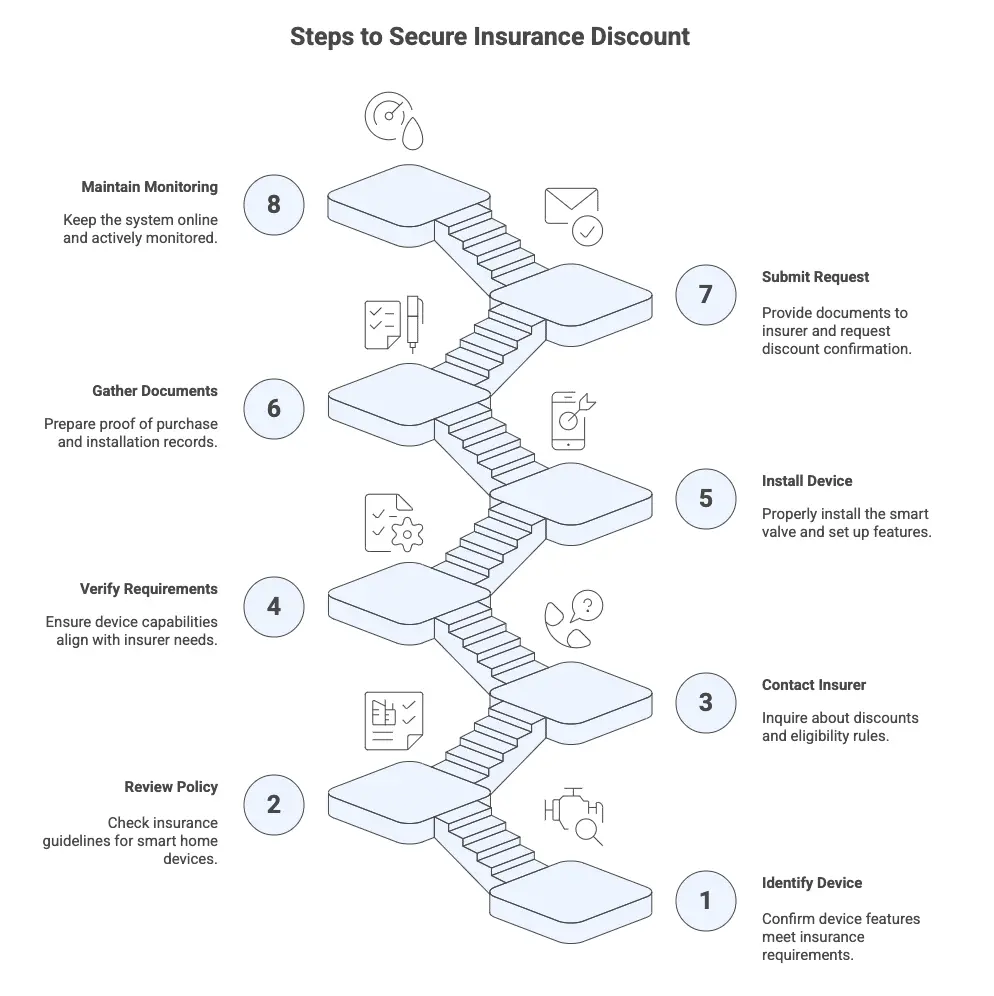
How to Ask Your Insurance Company for a Discount (Step-by-Step)
If you want to check whether your insurer provides benefits for installing a smart water shutoff valve, here’s the recommended script and process:
Step 1 — Ask the right question
Use this phrasing:
“Do you offer a premium discount or deductible reduction for installing an automatic smart water shutoff valve or whole-home leak protection system?”
Avoid vague descriptions like “leak alarm” or “sensor”—insurers treat those differently.
Step 2 — Provide the device details
Insurers may ask for:
- Product name & model
- Whether it supportsautomatic shutoff
- WiFi/app monitoring features
- Whether installation was DIY or professional
- Where the valve is installed (usually main supply line)
Step 3 — Provide proof of installation (if required)
Some insurers accept DIY installs. Others may request one of the following:
- Photo of the installed valve
- Receipt or invoice
- Installer certification (if required by the insurer)
For more clarity, you can refer to officialhome insurance consumer guidelinesfrom the National Association of Insurance Commissioners (NAIC).
Step 4 — Request written confirmation
Always ask your insurer to document:
- Discount percentage
- Start date
- Whether the device qualifies as a “protective smart home upgrade”
This ensures the benefit is applied correctly.
Do Smart Water Shutoff Valves Actually Help You Lower Risk?
While discounts are a benefit, the real value ispreventing catastrophic damage when you’re not home.
Real-world scenarios where automatic shutoff saved homeowners:
- A supply line under the sink bursts while the family is on vacation
- A washing machine hose fails overnight
- A dishwasher leak slowly floods the cabinet
- A basement pipe freezes during winter
In these cases, a smart valve can savethousandsand prevent insurance claims altogether. You can also pair your shutoff valve withスマート水漏れ検知器for added coverage in kitchens, basements, and laundry rooms. See our updated list of the2025年最高のスマート漏水検知器.
Where Whole-Home Systems Fit In (AquaNet Example)
Most insurers preferwhole-home leak protection, not just single-sensor alarms.
AquaNet’s system aligns naturally with insurer expectations:
AquaNet-BD Smart Water Shutoff Valve
- Automatic main-line shutoff
- WiFi control via app
- リアルタイムアラート
- Event logs
- Compatible with multiple leak sensors
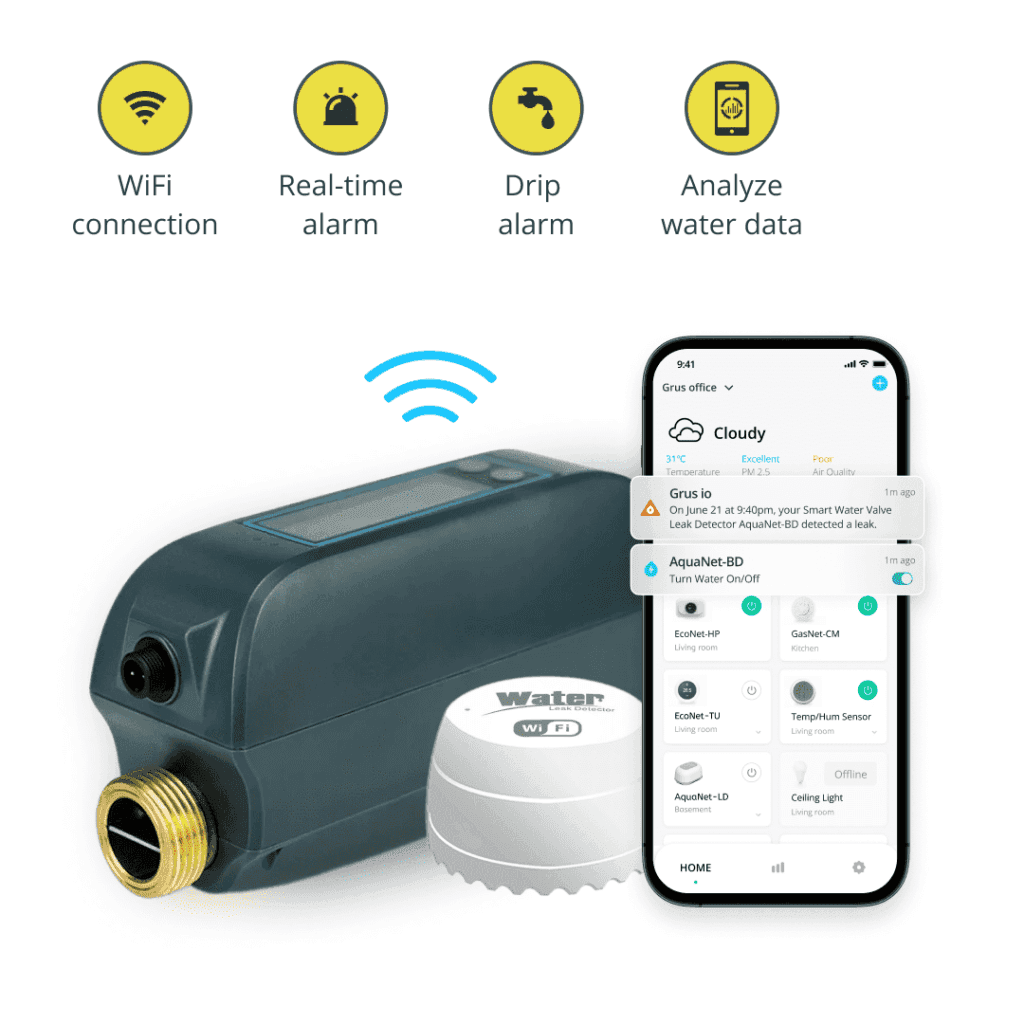
AquaNet Leak Sensors
- Detect moisture before damage spreads
- Can be placed under sinks, behind appliances, water heaters, basements, laundry rooms
- Trigger automatic shutoff when paired with AquaNet-BD
This combination matches what insurers often describe as:
✔“Whole-home water protection system”
✔“Automatic mitigation device”
✔“Smart leak prevention system”
Which increases your chance of receiving a discount.
Explore the fullAquaNet Smart Water Shutoff Valveここ:AquaNet-BD|AquaNet-VM
For a deeper system overview, visit theスマートホームの水害保護システムguide.
Should You Install a Smart Water Shutoff Valve Even If Your Insurance Doesn't Offer a Discount?
Yes—because:
- Your risk of water damage drops dramatically
- Your home becomes safer whether you're home or away
- You avoid deductibles and premium increases from claims
- Automation protects your home 24/7
- It increases resale value for older homes
Even without a direct discount, many insurers classify your home aslower risk, which may help future premiums. Learn how smart shutoff valves help preventfrozen pipe disastersin winter.
Final Thoughts: Is It Worth Installing a Smart Water Shutoff Valve for Insurance Discounts?
If your goal isinsurance savings, a smart water shutoff valve—especially one with automatic shutoff—qualifies with many insurers and may reduce premiums or deductibles.
If your goal is水害防止, the value is even higher.
Just one prevented leak often outweighs the entire cost of the device.
For homeowners building a safer, smarter home in 2025, pairing a smart shutoff valve with leak sensors is one of the most cost-effective upgrades you can make.
FAQ
1. Do smart water shutoff valves qualify for home insurance discounts?
Yes—many insurers offer discounts or deductible reductions when you install an automatic smart water shutoff valve.
Eligibility depends on your insurance provider, your state, and whether the device can automatically close the main water line when a leak or abnormal flow occurs.
2. What features must a smart water valve have to qualify for insurance benefits?
Most insurers require these three features:
-自動シャットオフwhen a leak or unusual flow is detected
-リアルタイムアラートthrough WiFi or a mobile app
-Event logsshowing when the valve shut off
Systems with multiple leak sensors or freeze-prevention features may qualify for stronger benefits.
3. How much can I save on home insurance with a smart water shutoff valve?
Savings vary, but most homeowners receive one of the following:
- A3%–10% annual premium discount
- Alower deductiblefor water damage claims
- Aone-time rebatefor installing a qualifying device
Not all insurers publish official rates, so asking directly is essential.
4. How do I ask my insurance company if my smart valve qualifies?
Use clear terms that insurers recognize.
Ask:
“Do you offer a discount or deductible reduction for installing anautomatic smart water shutoff valveまたはwhole-home leak protection system?”
Provide:
- Device model
- Whether it supports auto-shutoff
- Proof of installation (photo or receipt)
5. Do I need professional installation for a smart water valve to count toward insurance discounts?
Some insurers accept DIY installation. Others require a licensed plumber.
If you want the discount guaranteed, ask your insurer before installation so you know what documentation they require.
6.Will all insurance companies give a discount for a smart water valve?
Not necessarily.
Many large insurers recognize automatic shutoff valves as risk-reducing devices, but programs differ by state and company.
Even if your insurer doesn’t list a “smart water device discount,” they may still mark your home as alower-risk property, which can influence future premiums.
7.Are leak detectors alone enough to get an insurance discount?
Usually no.
“Beep-only” leak alarms or single-sensor devices typically donotqualify because they do not stop water damage.
Insurance providers strongly prefer systems thatshut off the water automatically.
8. If my insurer doesn’t offer a discount, is a smart water shutoff valve still worth it?
はい。
Most water damage repairs cost far more than the price of a smart valve.
A single event—like a burst pipe, dishwasher failure, or a leak while you’re on vacation—can cost $5,000 to $50,000.
Smart valves prevent these losses and may also help avoid future premium increases.
9. Do smart water valves help with frozen pipe prevention?
はい。
Many valves detect abnormal flow caused by burst pipes and shut off the line immediately.
Some systems can also integrate with temperature sensors to protect homes during winter freeze events.
10. What documentation will insurers ask for when applying a discount?
一般的な要件には以下が含まれます:
- Invoice or purchase receipt
- Photo of the installed valve
- Installation proof (DIY or professional)
- Product specifications confirming automatic shutoff
Providing these upfront helps avoid delays in receiving the discount.