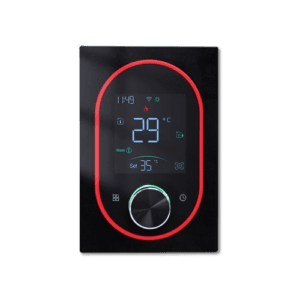
您刚刚决定让您的家庭供暖系统更加智能。
也许你想要一个可以通过手机控制的恒温器,或者你厌倦了猜测什么时候该关闭加热器。
然后打开墙板——
然后你会发现两根粗电线正盯着你看。
没有“C”线。没有“零线”。
只有黑色和红色,或者黑色和白色。
如果这听起来很熟悉,那么你已经遇到了家庭供暖升级中最令人困惑的部分之一:
线路电压线路and继电器电源.
让我们用通俗易懂的语言来解释一下。

“线路电压”的真正含义
北美大多数家庭使用两种恒温器系统根据它们控制的加热器类型而定:
| 类型 | 电压 | 典型系统 | 线径 | 例子 |
|---|---|---|---|---|
| 低电压(24伏) | 24伏 | 中央空调系统,热泵 | 细长的彩色电线 | Ecobee、Nest、霍尼韦尔 |
| 线路电压(120–240伏) | 家用电力 | 电热踢脚线,地暖 | 粗电线,通常为黑/白或黑/红 | 机械式或智能型线路电压恒温器 |
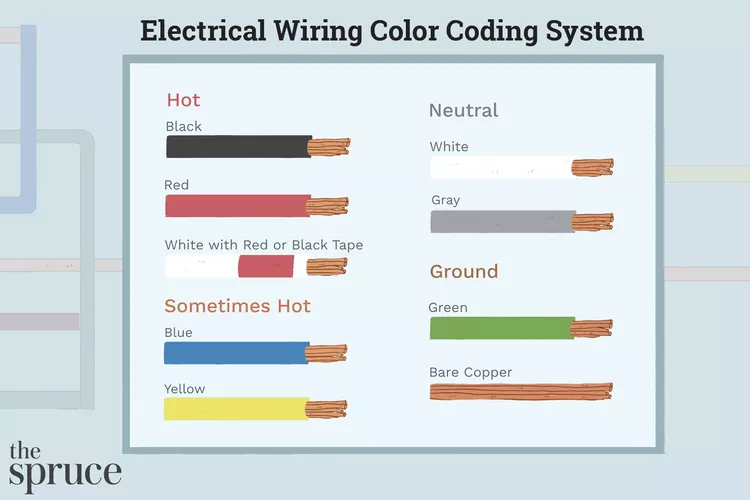
如果您的恒温器连接到粗电线并且控制电暖器或辐射供暖,那几乎可以肯定线电压.
这意味着电线中传输的电流与你家插座使用的电流相同——120伏或240伏而不是大多数智能恒温器中使用的安全的24伏电压。
为什么这对智能恒温器很重要
但问题在于:
大多数流行的智能恒温器(Nest、Ecobee 等)都是为以下用途而设计的:低压系统.
如果你直接把它们接到线路电压上,它们会立刻损坏——就像把手机插到烘干机插座上一样。
这也是为什么许多房主安装到一半时卡住了,疑惑为什么没有合适的方案。
如果你的取暖器使用 120 伏或 240 伏电压,该怎么办?
你还有两条安全的前进道路:
- 添加继电器或接触器在您的恒温器和加热器之间,或者
- 使用专为线路电压系统设计的恒温器.
继电器电源的作用
我们先来谈谈第一种选择:使用温控器继电器电源的线路电压.
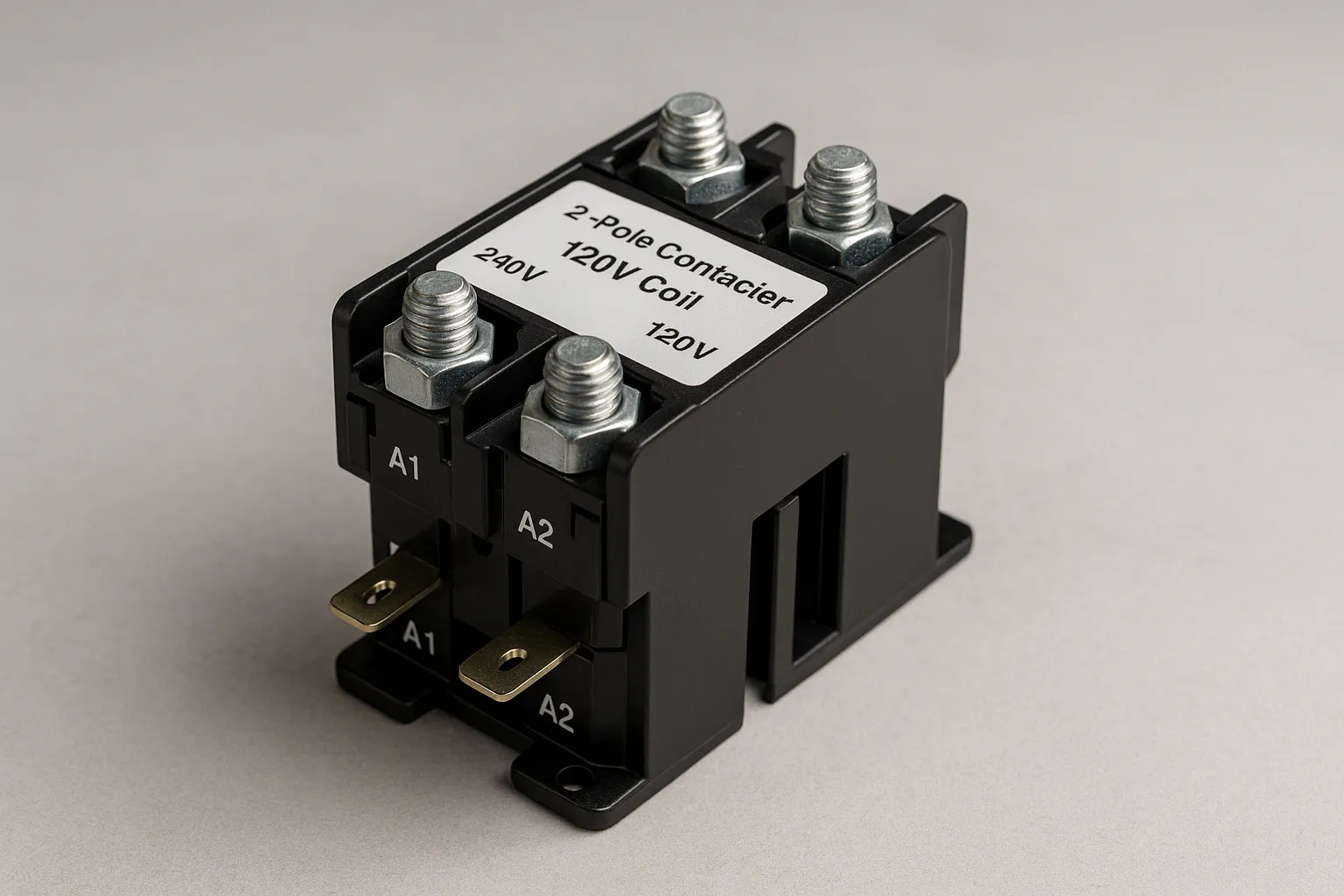
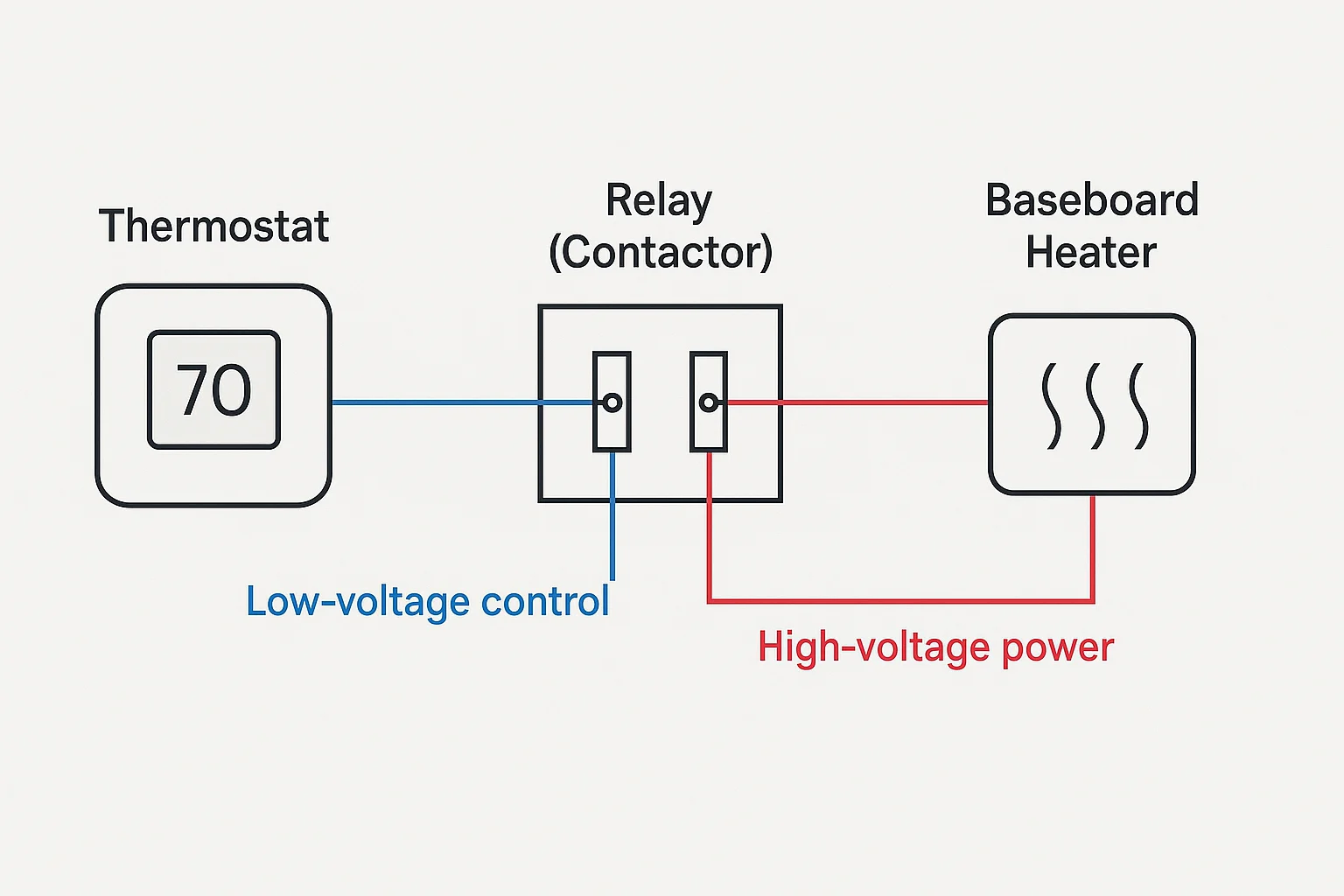
继电器(也称接触器)本质上是一种由恒温器控制的电开关.
它允许恒温器“告诉”高压加热器何时开机,而不必直接传递危险电流。
你可以这样理解:
温控器发出指令,继电器完成繁重的工作。
当恒温器发出一个微弱信号时,继电器的线圈会通电并闭合供电给你240伏加热器的电路。
当恒温器关闭时,线圈释放,加热电路再次断开。
这可以保持您的智能控制系统安全、隔离且符合规范.
当你真正需要中继器的时候
并非所有线路电压系统都需要继电器。
方法如下。
- 如果您的电路提供120伏,带中性线(黑色=火线,白色=零线),许多电子线路电压恒温器可以连接直接地.
- 如果你的电路是240伏,两根火线(黑色和红色,没有零线),恒温器本身无法在这种电源下运行。
你需要……继电器或接触器与一个120伏线圈连接两者。
换句话说:
没有零线=需要继电器。
这种设置允许恒温器使用标准的120伏电源,同时安全地通过继电器切换240伏加热电路。
如何识别您的系统类型
在采取任何行动之前,最好先检查一下你实际拥有什么。
几个简单的提示就能避免几个小时的困惑。
- 检查一下你的配电箱。
- 一个开关→可能是120V电路。
- 两个并联开关 → 240V 电路。
- 看看恒温器后面。
- 一根黑线 + 一根白线 → 120V(有零线)。
- 一根黑线 + 一根红线 → 240V(无零线)。
- 使用电压测试仪或万用表(如果你知道如何安全地操作的话)。
- 黑线和白线之间有 120V 电压 → 可以直接连接。
- 黑线和红线之间接240V电压(无零线)→ 使用继电器电路
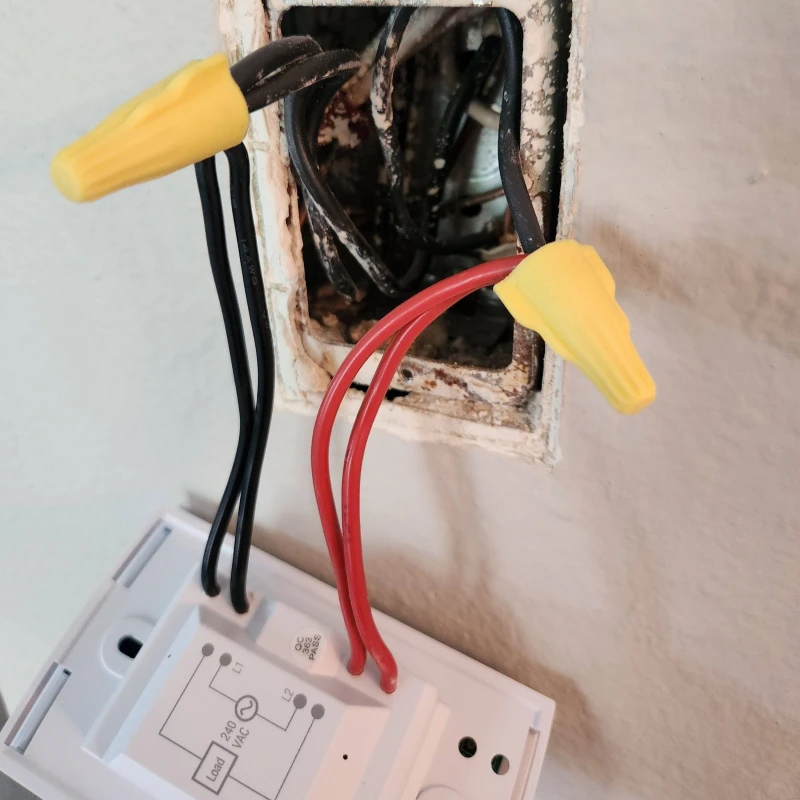
如果您不确定,请关闭断路器电源并致电电工。
涉及到240伏电压时,猜测是没有意义的。
典型接线示例
让我们来看一个简化的例子。
您家有一台 240 伏的踢脚线式电暖器,想使用一台 120 伏电源的现代恒温器。
事情经过是这样的:
- 恒温器从 120V 线路(火线 + 零线)获取电源。
- 它的输出端向……输送电力双极继电器的线圈额定电压为 120 伏。
- 该继电器切换连接到加热器的两根 240V 电线。
结果:
- 温控器间接控制加热器。
- 加热器可以安全地获得全部 240 伏电压。
- 恒温器通过 120V 电源线保持通电状态。
它干净、安全,而且是专业安装人员通常处理这些升级的方式。
选项 2:专为线路电压系统设计的温控器
现在来看第二个选择——通常也是最简单的选择。
有些恒温器设计用于直接处理线路电压,意味着它们可以安全地控制120–240伏的踢脚板或辐射加热器。然而,如果你的240伏电路没有中性线,仍然可能需要继电器(接触器)来为恒温器的电子设备供电。
这些恒温器直接连接到120伏电路,内部继电器额定电流与典型踢脚板加热器相同(通常最高可达16安培)。
它们依然提供数字温度控制、日程安排和智能家居功能,但不需要在墙上多一个盒子。
如果你家已经有带中性线的120伏电路,选择这些恒温器可以节省布线和零件成本。
这种设计的一个例子是:EcoNet-BH支持120伏至240伏的线电压供暖系统。它通过L-N供电,但当没有中性线时,也可以通过2极接触器控制240伏两热线电路。
但关键不在于模型本身,而在于……兼容性原则:
选择恒温器时,要根据线路类型来选择合适的线路类型,而不是反过来。
重要安全提示
- 断路器处断电在接触任何电线之前。
- 切勿将零线用作第二根火线。— 这不安全,也不符合规范。
- 检查您的恒温器和继电器是否能承受加热器的电流消耗(安培数)。
- 跟随当地电气规范(美国为NEC).
- 如有疑问,请聘请有执照的电工进行最终连接和检查。
智能供暖固然好,但安全永远是第一位的。
总结
了解如何温控器继电器电源的线路电压这项工作并非仅限于电工。
它适用于任何想要安全地对老旧供暖系统进行现代化改造的房主。
简而言之:
- 如果你的电压是120伏,并且有中性线。→ 选择一款可直接连接的线路电压智能恒温器。
- 如果你的电压是240伏(两根火线)→ 你需要一个恒温器和一个继电器(接触器)装置。
- 如果您不确定→ 购买任何东西之前,请检查您的线路或咨询电工。
一旦你了解了自己的系统,升级就会变得简单又安全。
智能温控器可以提高您家的能源效率,但最明智的做法是了解……你的墙后面是什么?开始之前。
快速常见问题解答
我的线路电压恒温器需要继电器吗?
如果你的暖气用的是240伏电压且没有中性线,是的——你需要一个带120伏线圈的两极继电器(或接触器)。
如果您的系统是 120V 带零线,大多数线路电压恒温器可以直接连接。
我可以使用专为低压系统设计的智能恒温器吗?
不是直接的。像Nest或Ecobee这样的低压恒温器是为24伏暖通空调电路设计的,而不是120伏或240伏的暖气。
将它们连接到市电电压可能会永久损坏设备。
继电器和接触器有什么区别?
它们的工作原理相同——一个小的控制信号可以切换一个较大的功率电路。
接触器只是为大电流设备如踢脚线或辐射加热器设计的重型继电器。
为什么零线很重要?
电子线电压恒温器需要一条中性线来为其内部显示和Wi-Fi功能供电。
如果没有它,它们就无法工作,除非与单独的继电器电路配合使用。
继电器接线难吗?
主要是关于正确匹配端子:恒温器控制线圈,继电器切换加热器线路。
不过,最好还是请电工检查一下连接是否安全并符合规范。
准备好简化您的供暖设置了吗?探索智能供暖控制系统如何将恒温器、继电器和传感器连接成一个高效的网络——所有这些都能通过手机管理。 学习如何在舒适和节能之间取得平衡,同时为你的家选择合适的布置。
探索智能供暖解决方案 →