If you’re shopping for a smart thermostat and have electric baseboard heaters, you might be wondering: can Nest control them? Nest is one of the most popular smart thermostats on the market, so it’s a fair question. But before you click “add to cart,” here’s what you need to know.
Cos'è Nest e per quale tipo di riscaldamento è progettato?
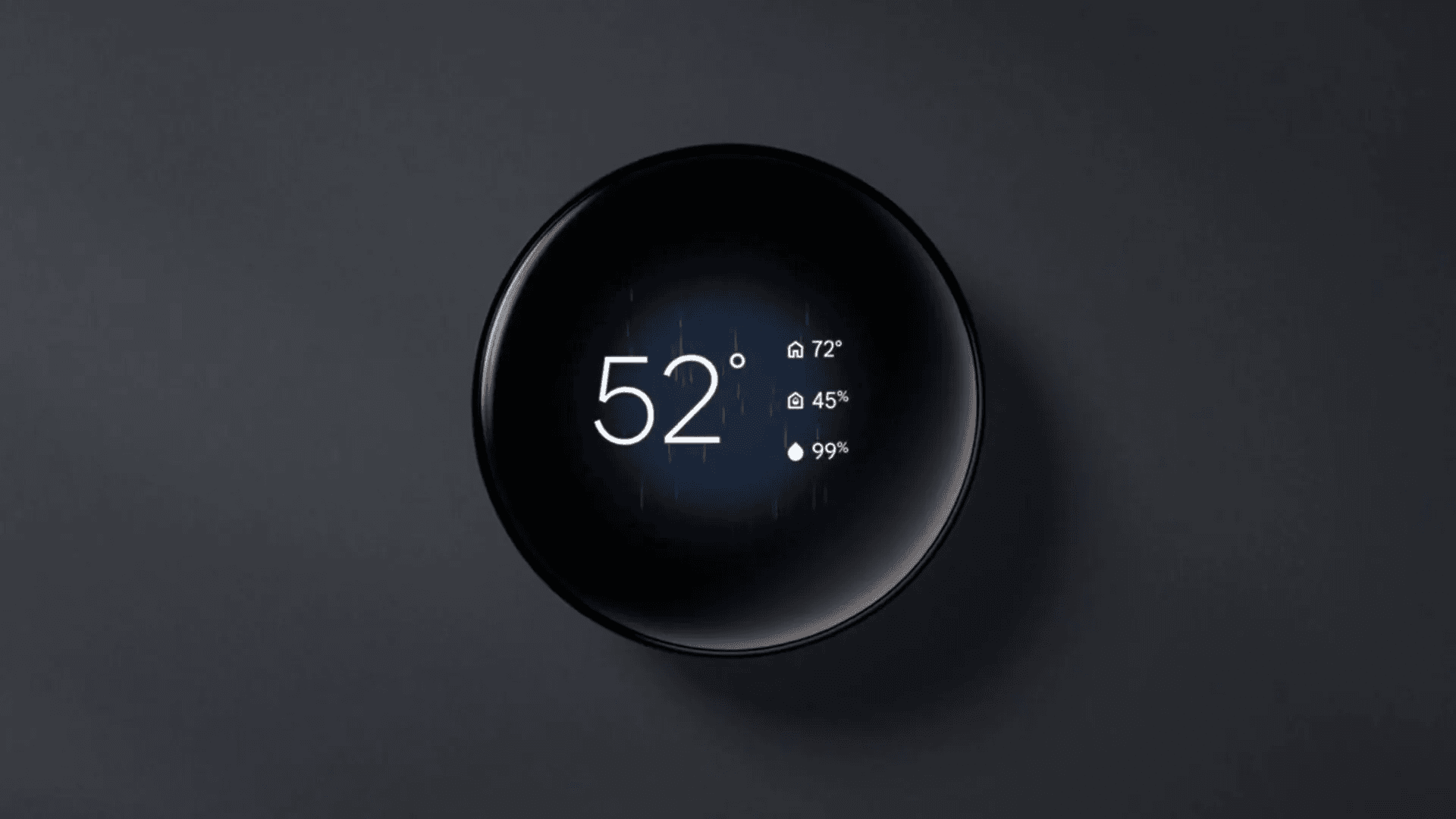
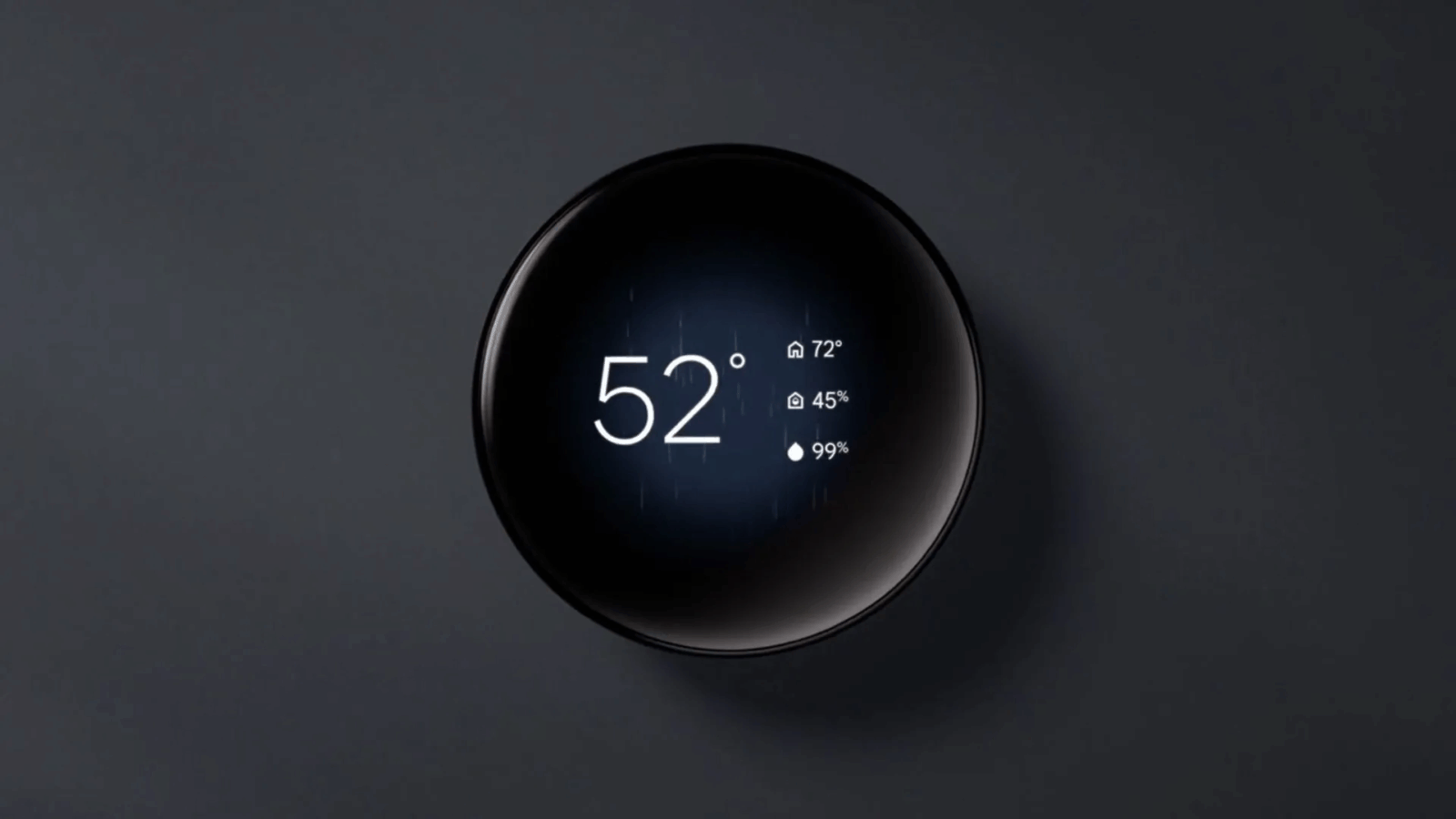
I termostati Nest, realizzati da Google, sono progettati persistemi HVAC a bassa tensione. That includes forced-air gas furnaces, central heat pumps, and boilers—systems that typically run onCablaggio 24V. Nest is known for its sleek design, learning features, energy reports, and integration with the Google ecosystem.
Ma ecco il punto:Nest è progettato per sistemi di riscaldamento a bassa tensione, non per termoconvettori elettrici.
Cosa sono i termoconvettori e in cosa differiscono?
Riscaldatori elettrici a battiscopaare a totally different beast. Instead of working off a central HVAC unit, baseboard heaters are usually installed room by room. They run onpotenza di tensione di linea- O120 V o 240 V— e sono collegati direttamente all'impianto elettrico principale della tua casa.
Unlike a low-voltage furnace that sends a small signal to the thermostat, a baseboard heater thermostat controls the full power of the heater itself. That’s a huge difference in both design and safety requirements.
If you have more than one thermostat in your home (often one per room), and your heating system runs on electricity, there’s a good chance you’re using line voltage heaters.
Perché Nest non funziona con i termoconvettori?
Insomma:incompatibilità di tensione.
Nest thermostats do not have baseboard heater compatibility, as they are not built to handle the high-voltage loads required. They work only with systems that use 24V control wiring. Hooking up a Nest to a 240V baseboard heater without proper equipment candanneggiare il termostato, creare rischi di incendio, Einvalidare la garanzia.
Alcuni esperti di fai da te ed elettricisti hanno elaborato soluzioni utilizzandorelè o trasformatori esterni, ma questo ènon consigliatoQueste configurazioni sono:
- Costoso e complesso
- Un rischio per la sicurezza
- Probabilmente annullerà le funzionalità intelligenti come il monitoraggio dell'energia e l'apprendimento
Anche Google stessa afferma che Nest ènon compatibilecon sistemi ad alta tensione:
“I termostati Nest non sono compatibili con i sistemi a tensione di linea (120 V o 240 V)."
Cosa succede se provo comunque una soluzione alternativa?
Sì, è tecnicamente possibilecollegare un Nest a un termoconvettoreutilizzando unrelè esterno, which converts the low voltage output to line voltage control. But this workaround comes with serious caveats:
- Avrai bisogno di un elettricista esperto
- Aggiunge $ 30-50 per zona in hardware
- Perderai funzionalità intelligenti come l'apprendimento, i report energetici e la diagnostica remota
In the end, you’re paying more for a setup — the Nest Work with Baseboard Heaters — that delivers less functionality and may not even be safe.
Quali sono iLe migliori alternative a Nest per i termoconvettori?
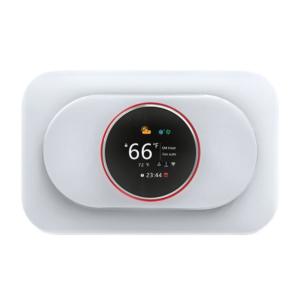
✅ Grus Termostato intelligente per termoconvettori elettrici
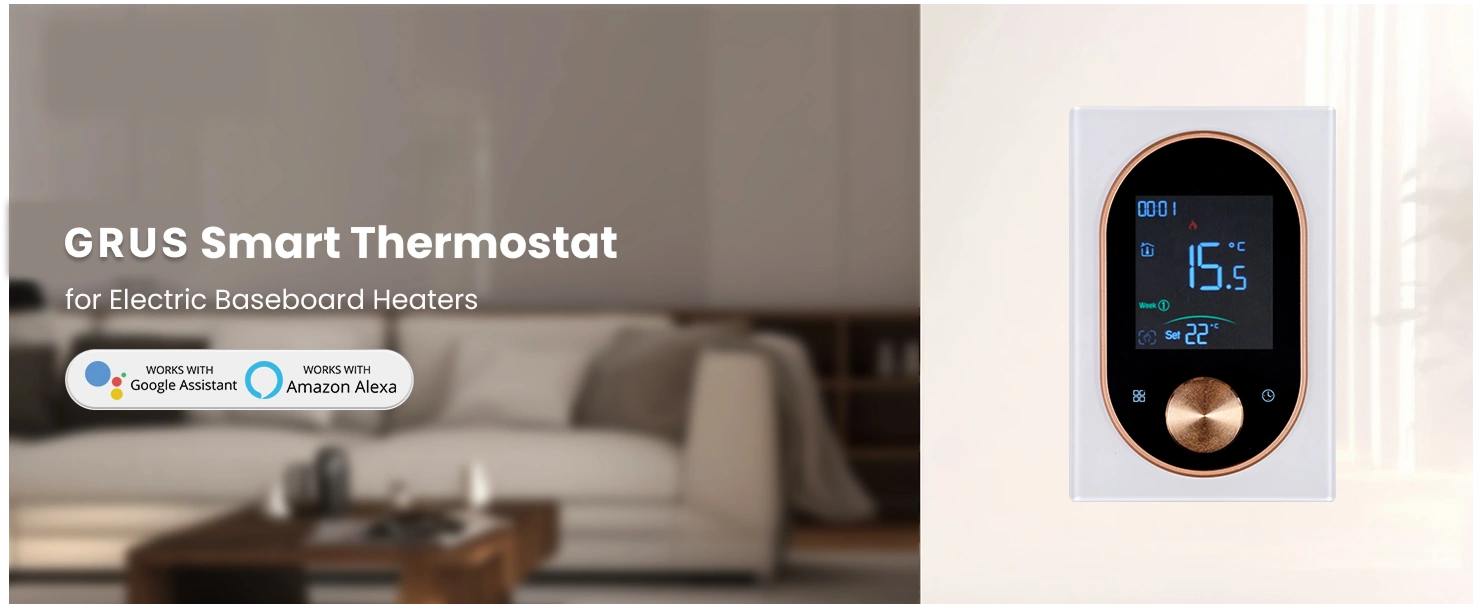
- Supporta nativamente sistemi ad alta tensione da 120/240 V
- Controllo remoto delle app
- Controllo vocale tramite Alexa e Google Assistant
- Programmazione giornaliera di sei periodi
- Non è necessario alcun relè esterno
- Economico: di solito $ 79 o meno per unità, quasi la metà del prezzo di Nest/Mysa con relè
Grus offre uno deipiù convenientesmart thermostat options designed specifically for electric baseboard heat. Installation is quick and DIY-friendly, making it a cost-effective choice for upgrading multiple rooms.
Termostato intelligente Mysa
- Termostato intelligente popolare con relè integrato
- Design elegante e interfaccia moderna
- Circa $ 149-199 a seconda del modello
- Solida app mobile e monitoraggio energetico
Termostati Honeywell Home a tensione di linea
- Meno intelligente, più tradizionale
- Alcuni modelli offrono programmazione e programmabilità di base
- Nessuna app o controllo vocale nella maggior parte dei modelli
Come faccio a sapere se ho il riscaldamento elettrico o centralizzato?
Chiediti queste cosedomande:
- Ho un termostato in ogni stanza? → Probabiletermoconvettori elettrici
- I miei termostati si collegano a unità montate a parete senza condotti? → Probabilmente elettrici
- Ho un sistema HVAC centrale con condotti o radiatori? → Probabileriscaldamento centralizzato a bassa tensione
Still unsure? Check the voltage on the wires connected to your thermostat. If it says 120V or 240V, you're dealing withtensione di linea.
Riepilogo: i termostati intelligenti necessitano di compatibilità intelligente
Trying to make Nest work with baseboard heaters is like forcing a square peg into a round hole. Even if you manage to connect it, you’ll lose the features that made you want a smart thermostat in the first place.
Scegli invece un termostato intelligente che siaprogettatofor your home’s heating system. Grus offers a reliable, affordable, and easy-to-install option that brings your baseboard heaters into the smart home era—without the risk or the price tag of a workaround.
✅ Pronto a prendere il controllo del tuo riscaldamento elettrico?
Esplora il termostato intelligente Grus per termoconvettori elettrici →
Learn how baseboard, heat pump, and HVAC smart thermostats work — plus setup tips and energy-saving strategies.
Read the Smart Thermostat Heating Guide →