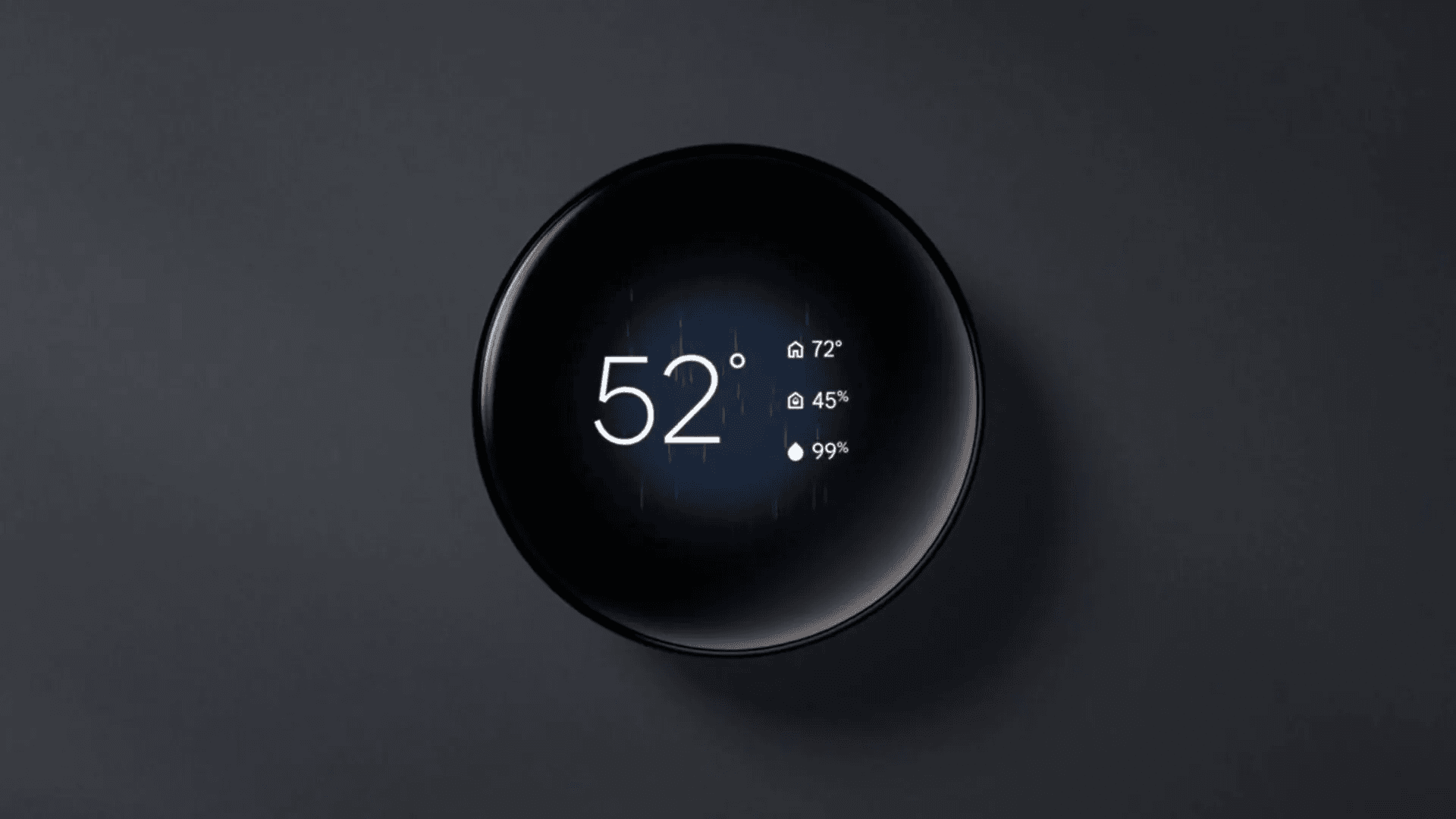
Si vous cherchez un thermostat intelligent et que vous avez des radiateurs électriques à plinthe, vous vous demandez peut-être : Nest peut-il les contrôler ? Nest est l’un des thermostats intelligents les plus populaires sur le marché, donc c’est une question légitime. Mais avant de cliquer sur « ajouter au panier », voici ce que vous devez savoir.
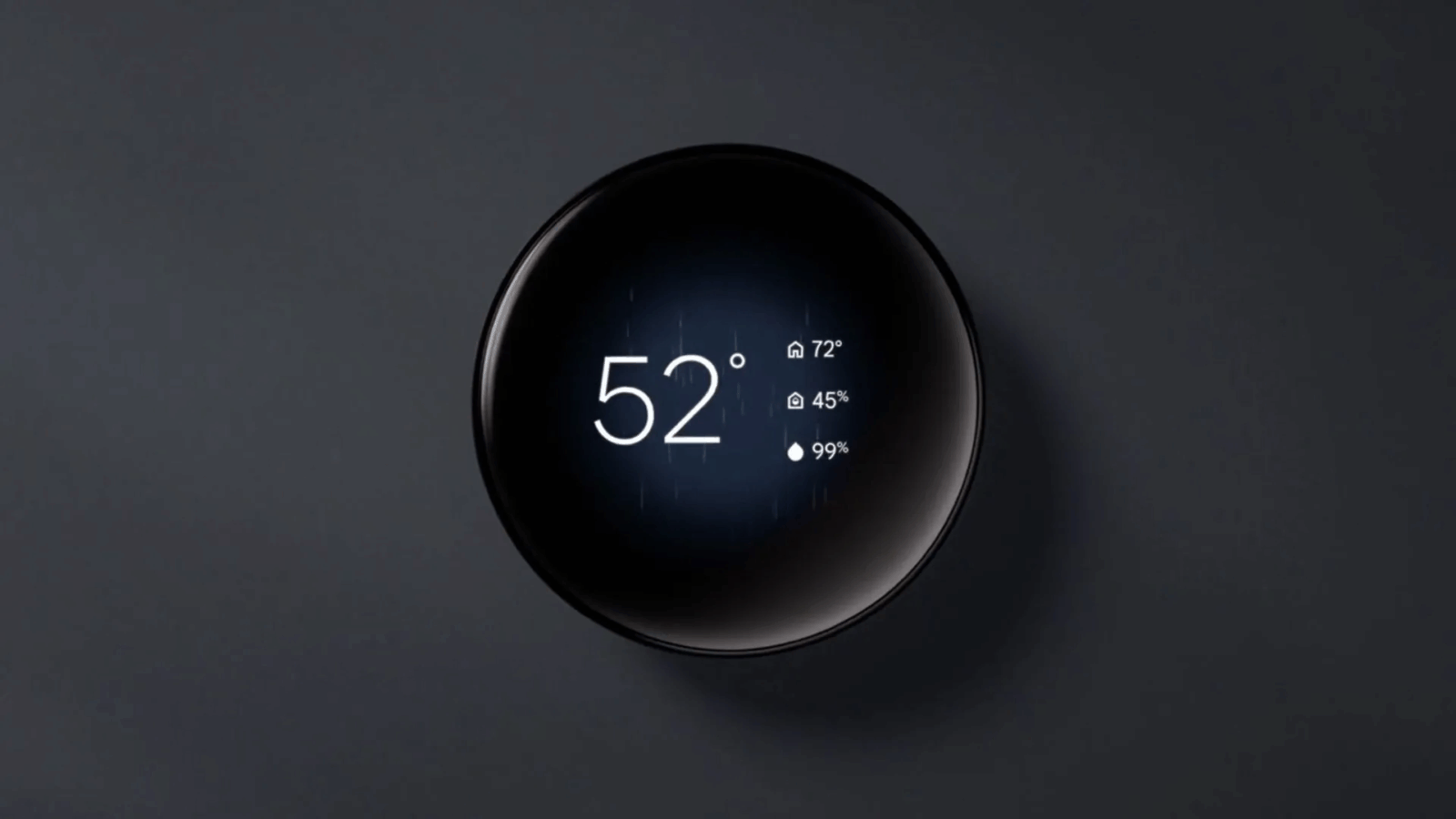
Qu'est-ce que Nest et pour quel type de chauffage est-il conçu ?
Les thermostats Nest, fabriqués par Google, sont conçus poursystèmes CVC basse tension. Cela inclut les chaudières à gaz à air forcé, les pompes à chaleur centrales et les chaudières — des systèmes qui fonctionnent généralement surCâblage 24V. Nest est reconnu pour son design élégant, ses fonctionnalités d’apprentissage, ses rapports énergétiques et son intégration avec l’écosystème Google.
Mais voici le point clé :Nest est conçu pour les systèmes de chauffage basse tension, et non pour les plinthes chauffantes électriques..
Que sont les radiateurs plinthes et en quoi sont-ils différents ?
plinthes chauffantes électriquessont une toute autre histoire. Au lieu de fonctionner avec une unité centrale de chauffage CVC, les radiateurs à plinthes sont généralement installés pièce par pièce. Ils continuent de courirtension de ligne- soit120V ou 240V— et sont directement raccordées au système électrique principal de votre maison.
Contrairement à une chaudière basse tension qui envoie un petit signal au thermostat, un thermostat à plinthes contrôle toute la puissance du chauffage lui-même. C’est une énorme différence à la fois en conception et en matière de sécurité.
Si vous avez plus d’un thermostat chez vous (souvent un par pièce), et que votre système de chauffage fonctionne à l’électricité, il y a de fortes chances que vous utilisiez des chauffages à tension électrique.
Pourquoi Nest ne fonctionne-t-il pas avec les radiateurs plinthes ?
En bref:incompatibilité de tension.
Les thermostats Nest ne sont pas compatibles avec les radiateurs à plinthe, car ils ne sont pas conçus pour supporter les charges haute tension requises. Ils ne fonctionnent qu’avec des systèmes utilisant un câblage de contrôle 24V. Brancher un Nest à un radiateur à plinthes 240V sans équipement approprié peut le faireendommager le thermostat, créer des risques d'incendie, etannuler votre garantie.
Certains bricoleurs et électriciens expérimentés ont mis au point des solutions en utilisantrelais ou transformateurs externesmais ceci estnon recommandéCes configurations sont les suivantes :
- Coûteux et complexe
- Un risque pour la sécurité
- Probablement incompatible avec les fonctionnalités intelligentes telles que le suivi et l'apprentissage de la consommation d'énergie
Google lui-même affirme que Nest l'est.non compatibleavec des systèmes à haute tension :
“Les thermostats Nest ne sont pas compatibles avec les systèmes à tension de ligne (120 V ou 240 V)."
Et si j'essayais quand même une solution de contournement ?
Oui, techniquement possibleconnecter un Nest à un radiateur plintheen utilisant unrelais externe, qui convertit la sortie basse tension en contrôle de la tension ligne. Mais cette solution de contournement comporte de sérieuses réserves :
- Vous aurez besoin d'un électricien expérimenté
- Cela ajoute 30 à 50 $ par zone en matériel
- Vous perdrez des fonctionnalités intelligentes telles que l'apprentissage, les rapports énergétiques et les diagnostics à distance.
Au final, vous payez plus cher pour une installation — le Nest Work with Plinboard Heaters — qui offre moins de fonctionnalités et qui n’est peut-être même pas sûre.
Quels sont lesMeilleures alternatives à Nest pour les radiateurs plinthes?
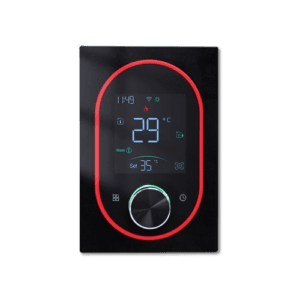
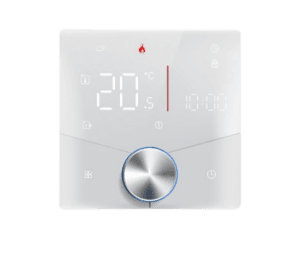
✅ Grus Thermostat intelligent pour radiateurs électriques plinthes
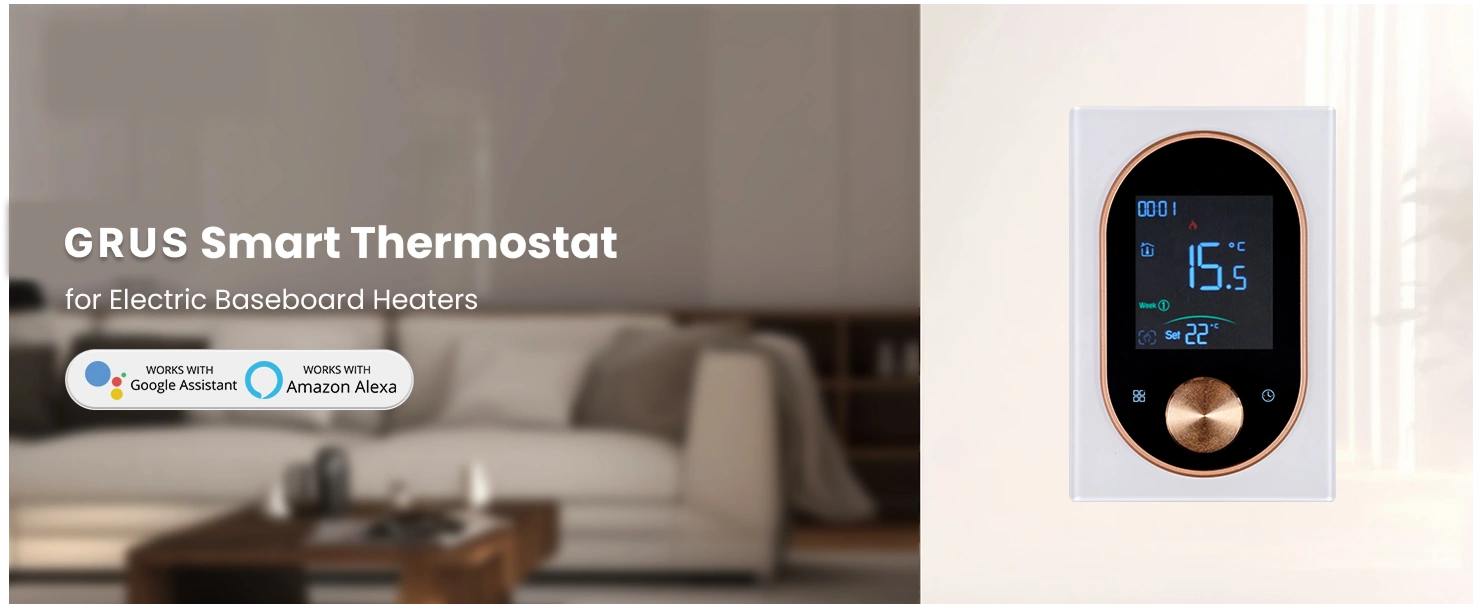
- Prend en charge nativement les systèmes haute tension 120/240 V
- Contrôle à distance via application
- Commande vocale via Alexa et Google Assistant
- Planification quotidienne en six périodes
- Aucun relais externe nécessaire
- Abordable : généralement 79 $ ou moins par unité, presque deux fois moins cher que Nest/Mysa avec relais
Grus propose l'une desle plus abordableOptions de thermostats intelligents conçues spécifiquement pour le chauffage électrique des plinthes. L’installation est rapide et conviviale, ce qui en fait un choix économique pour rénover plusieurs pièces.
Thermostat intelligent Mysa
- Thermostat intelligent populaire avec relais intégré
- Design élégant et interface moderne
- Environ 149 à 199 dollars selon le modèle
- Application mobile performante et suivi de l'énergie
Thermostats Honeywell pour applications domestiques
- Moins intelligent, plus traditionnel
- Certains modèles offrent des fonctionnalités de planification et de programmabilité de base
- La plupart des modèles ne comportent ni application ni commande vocale.
Comment savoir si j'ai un chauffage électrique ou central ?
Posez-vous ces questionsquestions:
- Ai-je un thermostat dans chaque pièce ? → Probablementplinthes électriques
- Mes thermostats sont-ils compatibles avec des unités murales sans conduits ? → Probablement électriques
- Ai-je un système de chauffage, ventilation et climatisation centralisé avec des conduits ou des radiateurs ? → Probablementchauffage central basse tension
Toujours incertain ? Vérifiez la tension sur les fils connectés à votre thermostat. Si c’est indiqué 120V ou 240V, c’est à vous de traitertension de ligne.
Résumé : Les thermostats intelligents nécessitent une compatibilité intelligente
Essayer de faire fonctionner Nest avec des radiateurs à plinthe, c’est comme forcer un chevillet carré dans un trou rond. Même si vous parvenez à le connecter, vous perdrez les fonctionnalités qui vous ont donné envie d’un thermostat intelligent au départ.
Choisissez plutôt un thermostat intelligent qui étaitconçupour le système de chauffage de votre maison. Grus propose une option fiable, abordable et facile à installer qui fait entrer vos radiateurs à plinthes dans l’ère de la maison intelligente — sans le risque ni le coût d’une solution de contournement.
✅ Prêt à prendre le contrôle de votre chauffage électrique ?
Découvrez le thermostat intelligent Grus pour radiateurs électriques plinthes →
Découvrez comment fonctionnent les thermostats intelligents à plinthes, pompes à chaleur et CVC — ainsi que des conseils d’installation et des stratégies d’économie d’énergie.
Lisez le guide de chauffage des thermostats intelligents →