
识别那个气味:燃气气味安全指南及风险等级
If you notice a strange smell at home, your next step depends on what it smells like, where it’s strongest, and how intense it is. This guide helps you quickly assess the risk level and choose the safest action—then jump to a detailed guide for your specific smell.
如果你怀疑有煤气泄漏,先做这个检查。
• If the smell is strong, worsening, or you feel unsafe, leave the area and contact your gas utility or emergency services.
• 避免火焰/火花。不要用打火机或开关“测试”气味。
• 只有在安全且能快速完成时才通风。
煤气泄漏闻起来是什么味道?
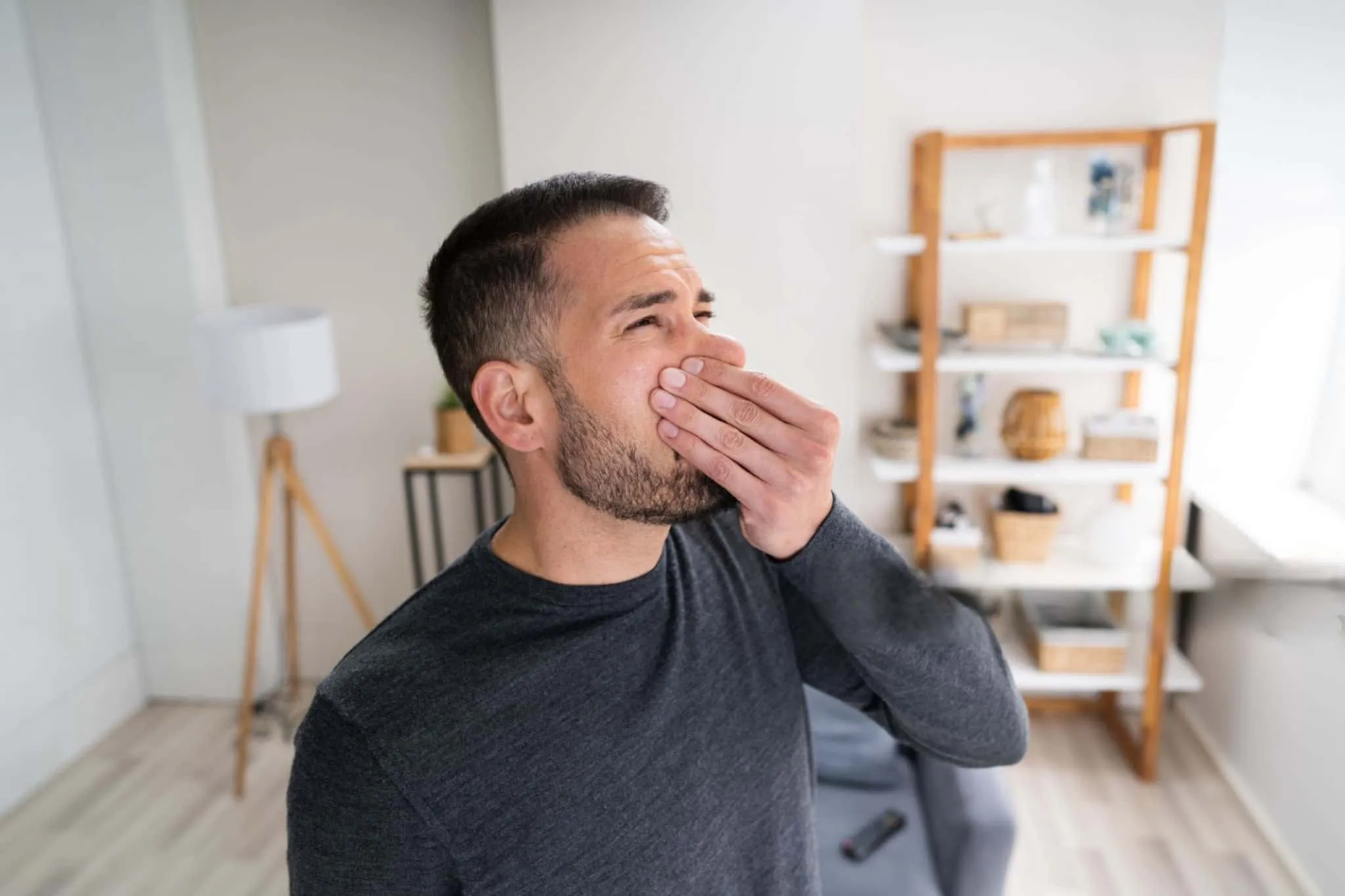

如果你闻到家里燃气味该怎么办
快速识别图表:气味→风险等级→最安全的下一步
气味类型 | 闻起来像 | 最常见的原因 | 风险等级 | 最强的地方 | 现在该怎么办 | 阅读完整指南 |
|---|---|---|---|---|---|---|
烂鸡蛋 | 硫磺,“烂鸡蛋” | 天然气气味(可能泄漏) | 高的 | 煤气灶、热水器、炉子附近 | 如果症状强烈或恶化,请离开并联系燃气公司或紧急服务。避免火焰或火花。 | |
硫 | 硫磺,类似污水 | 气体气味剂或下水道气体 | 中高 | 靠近排水口/浴室,或者靠近燃气设备 | Check where it’s strongest (drain vs appliance). If strong near gas appliances, treat as urgent and contact your utility. | |
汽油/化学 | 燃料、溶剂、油漆稀释剂 | 储存燃料、溶剂、油漆/粘合剂、车库资源;有时是暖通空调/通风 | 变量 | 车库、地下室、储藏室、靠近化学品 | Check where it’s strongest (drain vs appliance). If strong near gas appliances, treat as urgent and contact your utility. | |
太棒了 | 甜/化学,“类似冷却剂” | 制冷剂泄漏、暖通空调相关化学异味、其他家用化学品 | 变量 | 靠近通风口、暖通空调机间、空调区域 | 如果安全,要通风。避免长时间暴露。如果持续,考虑进行暖通空调检查。 |
按气味类型分类的指南
臭鸡蛋味(高风险)
A rotten-egg or sulfur-like odor indoors is often treated as higher risk because it can be associated with natural gas odorant.
The fastest clue is location: if it’s strongest near a gas stove, water heater, or furnace area, treat it as urgent.
If you feel unsafe or the smell is strong/worsening, leave and contact your gas utility or emergency services.
硫磺味(中高)
“Sulfur” odors can overlap between gas odorant and sewer gas, so where it’s strongest matters most.
If the smell concentrates near drains, bathrooms, or floor drains, sewer sources are more likely; if it concentrates near gas appliances, treat it as higher urgency.
如果气味强烈、持续或引起症状,应优先考虑安全并升级处理。
汽油/化学气味(可变)
Gasoline-like or solvent odors indoors often come from garages, basements, stored fuel, paint, adhesives, or cleaning chemicals—not always natural gas.
重点关注最强的位置和近期的家庭活动(储藏、油漆、设备)。
Reduce exposure, ventilate if safe, and remove obvious sources. If the smell persists, spreads, or causes symptoms, consider professional inspection.
甜香(可变)
A sweet or “coolant-like” smell is often discussed around HVAC/refrigerant issues, especially if it’s strongest near vents, an HVAC closet, or when heating/cooling runs.
由于一些家用化学品也可能有甜味,时间和地点是关键线索。
避免长时间暴露,如果持续或加剧,建议进行暖通空调检查。
当气味难以辨认时
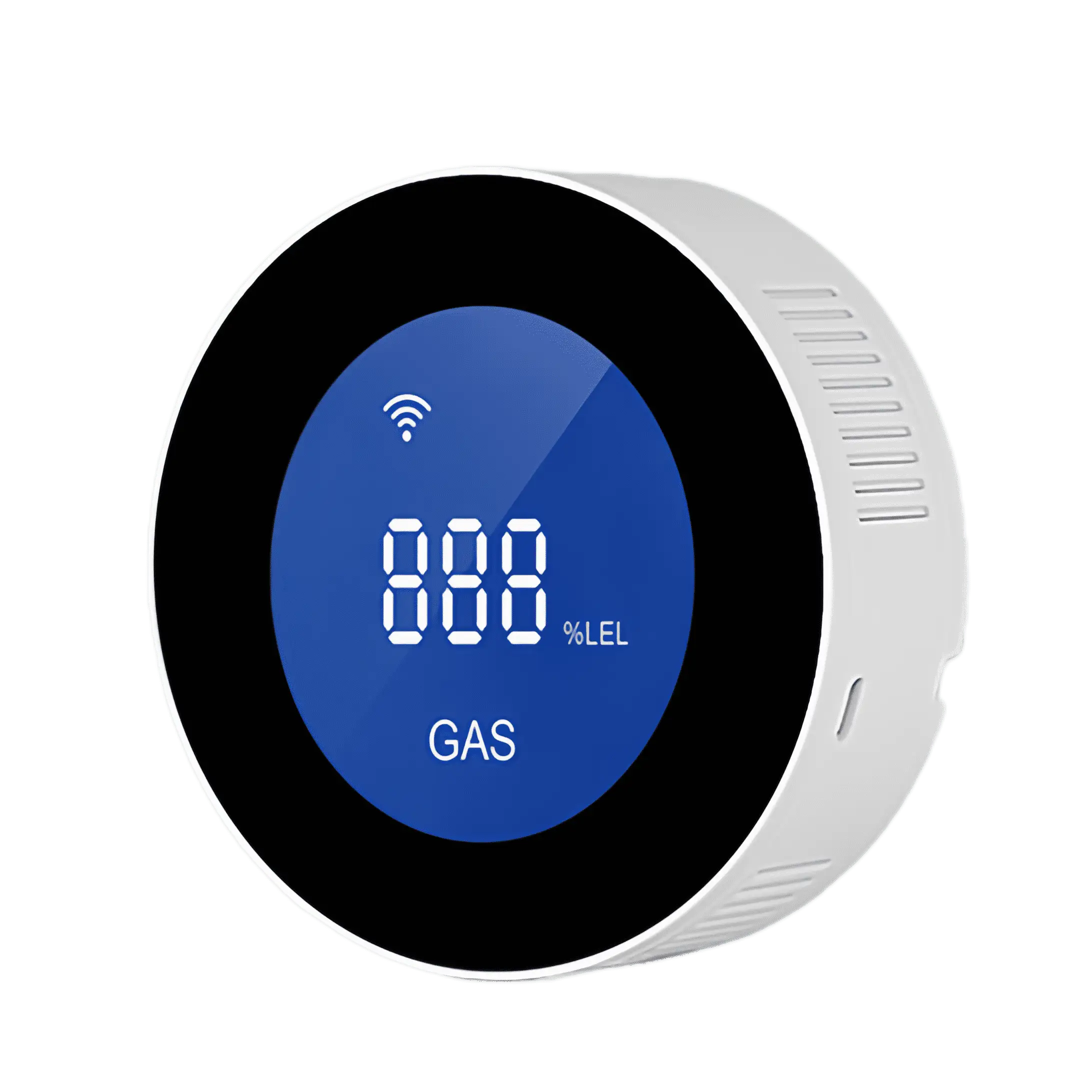
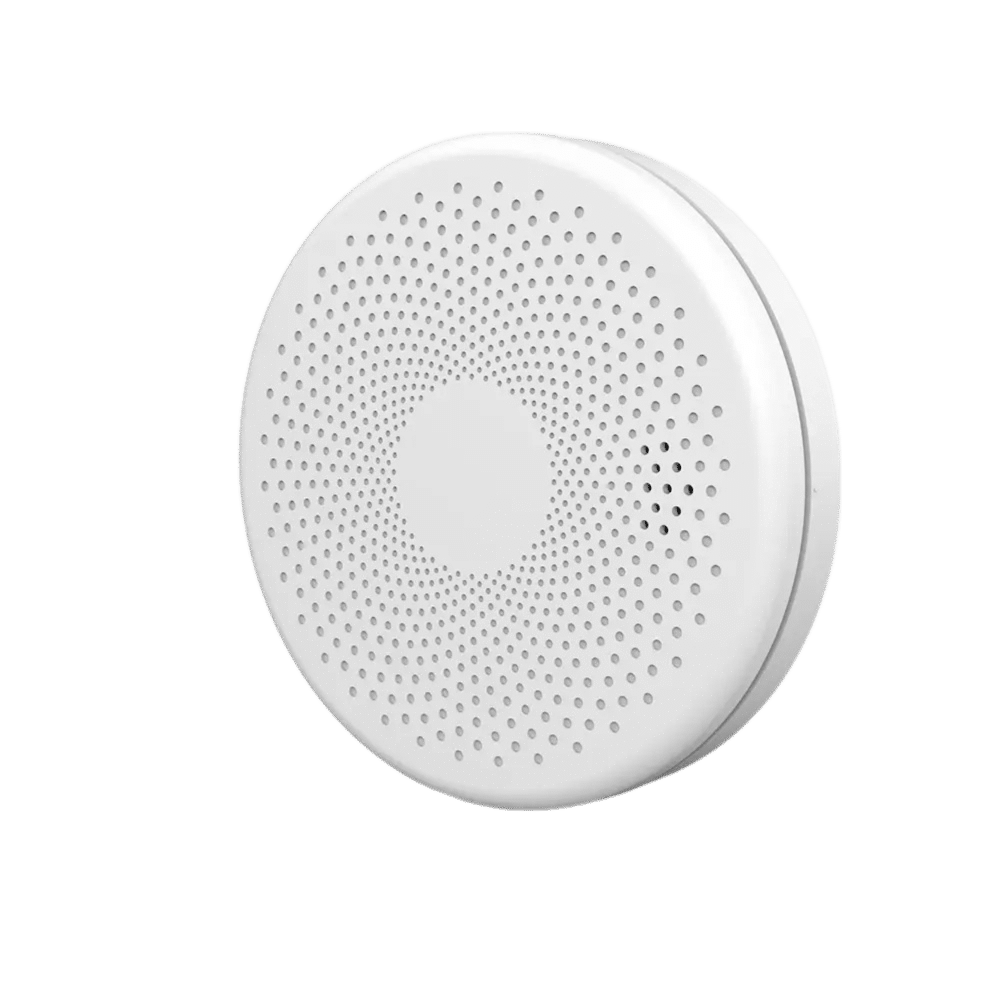
Smells can come and go, and it isn’t always easy to pinpoint the source. If you want an added layer of awareness near key gas appliances, many homeowners use a plug-in gas detector to provide an on-site alarm and optional app alerts when abnormal gas levels are detected.
FAQ
下水道气体会闻起来像臭鸡蛋或硫磺味吗?
Yes. Sewer-related odors are commonly strongest near drains or rarely used bathrooms. Location and persistence are key clues.
DO YOU CHARGE ESTIMATES?
Ventilation, temperature changes, appliance cycles, and dry drain traps can all make odors intermittent. Recurring smells still deserve attention.
ARE YOUR ELECTRICIANS LICENSED?
Place it near key gas appliances and in areas where a leak would be most concerning (such as kitchens or utility spaces). Follow the manufacturer’s placement guidance for the specific device.
WHAT PAYMENT METHODS DO YOU ACCEPT?
Some people report headaches, nausea, or dizziness around strong odors. If you suspect a leak or feel unsafe, prioritize leaving the area and contacting your gas utility or emergency services.
还有疑问吗?
我们只需一条信息