In U.S. homes, most outlets provide120伏, while high-power appliances use240伏.
The fastest way to tell the difference is to checkthe outlet shape, the appliance plug, or the breaker panel.
Quick ways to identify outlet voltage
| Check | 120V Outlet | 240V Outlet |
|---|---|---|
| Outlet shape | Two vertical slots + ground | Larger outlet with different slot patterns |
| Plug type | Thin two-prong or three-prong plug | Thick 3- or 4-prong plug |
| Breaker | 单极断路器 | 双极断路器 |
| Typical use | Lamps, TVs, kitchen appliances | Dryers, ovens, EV chargers |
Most homes have dozens of 120V outlets but only a few 240V outlets for heavy-duty equipment.
The sections below explain how to confirm the voltage safely before installing an appliance.
快速辨别插座是 120 V 还是 240 V
The easiest way to identify outlet voltage is bylooking at the outlet design and the appliance plug.
Here are the four most reliable checks homeowners use.
1. 看插座形状
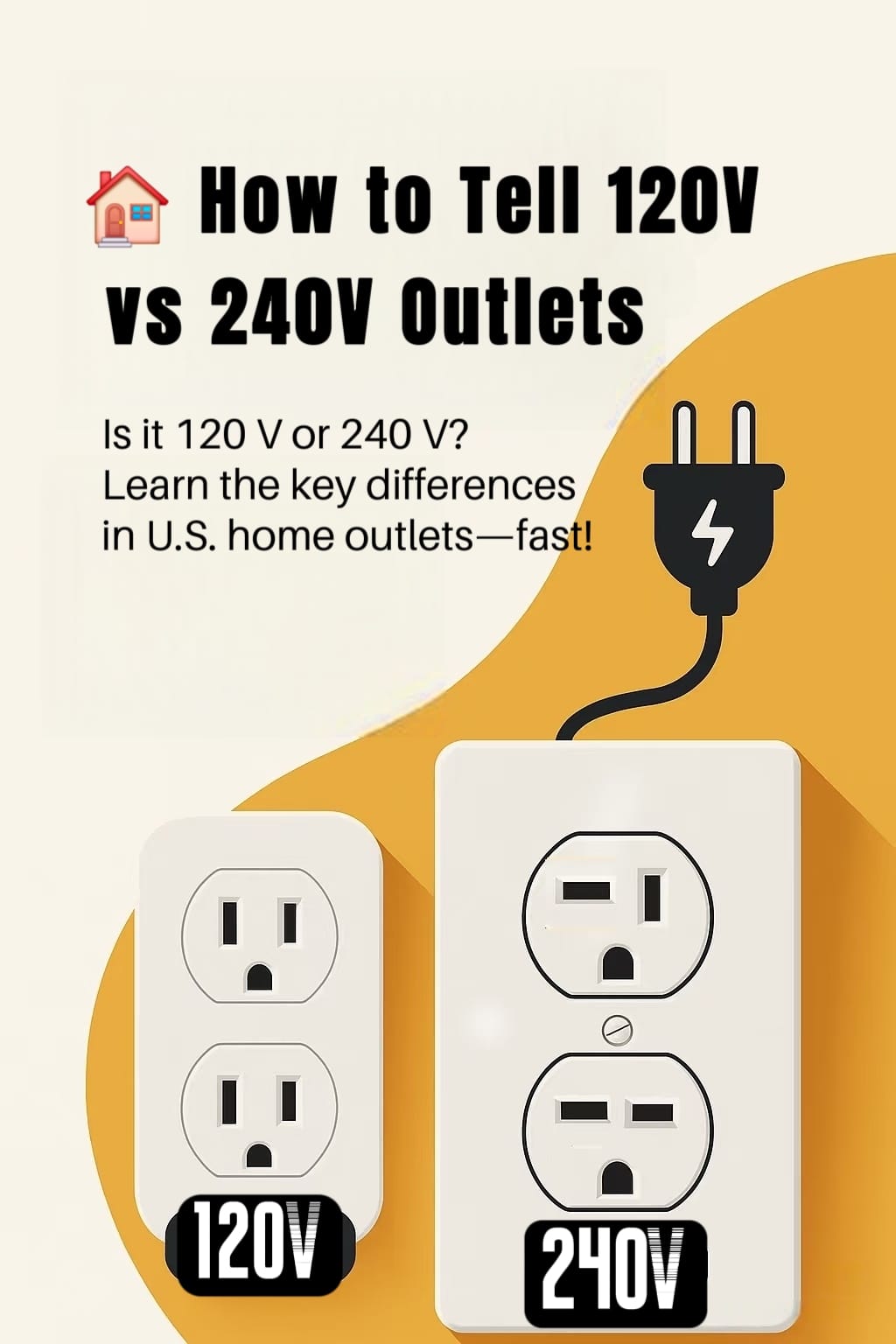
A standard120V插座is the familiar wall outlet found throughout bedrooms, living rooms, and kitchens.
It usually has:
• two vertical slots
• one round grounding hole

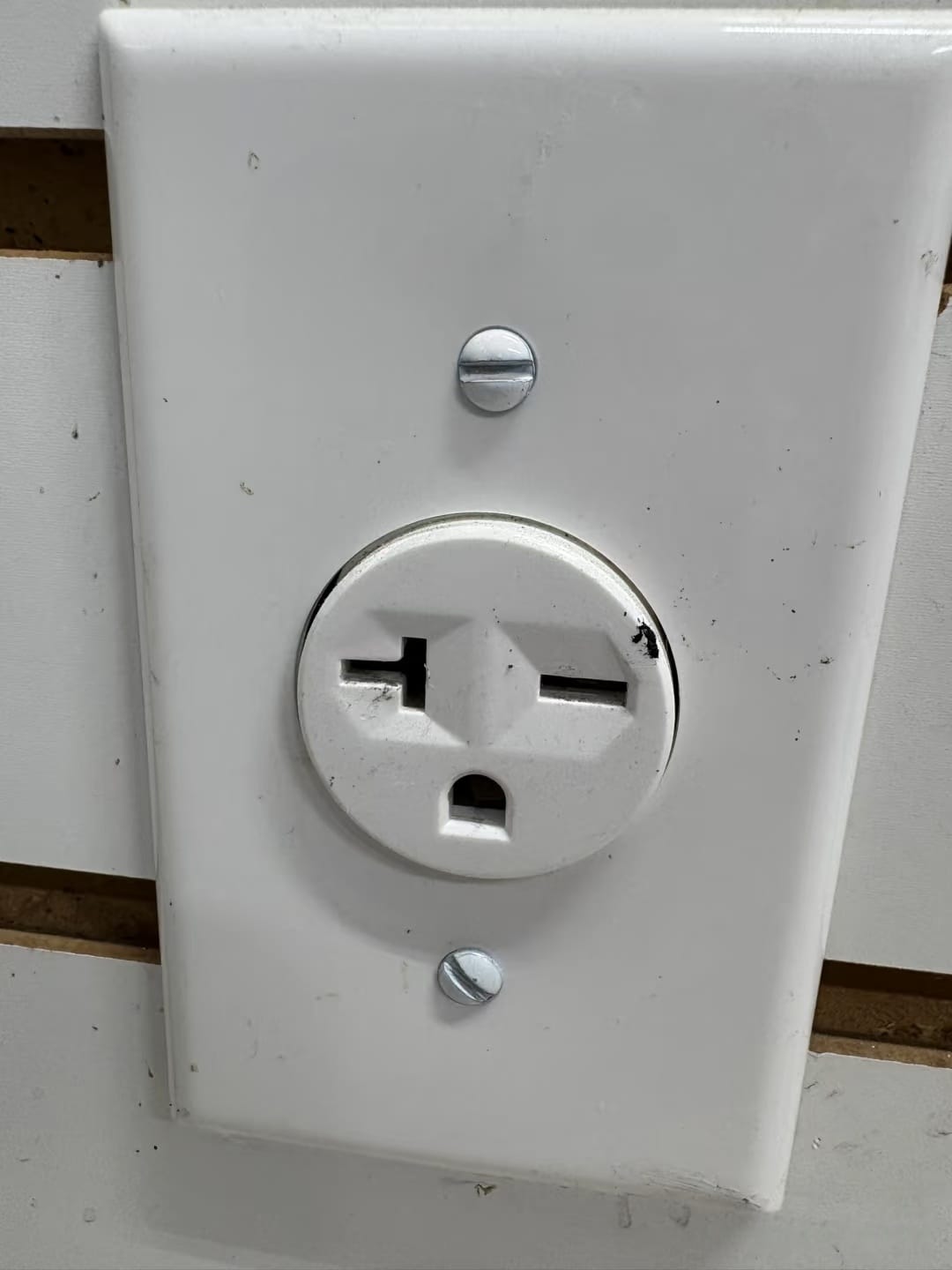
A240V插座is usually larger and shaped differently.
Depending on the appliance, it may have:
• aT-shaped slot
•L-shaped openings
•three or four prongs
These outlets are commonly found in laundry rooms, garages, kitchens, or near large appliances.
2. Check the Appliance Plug
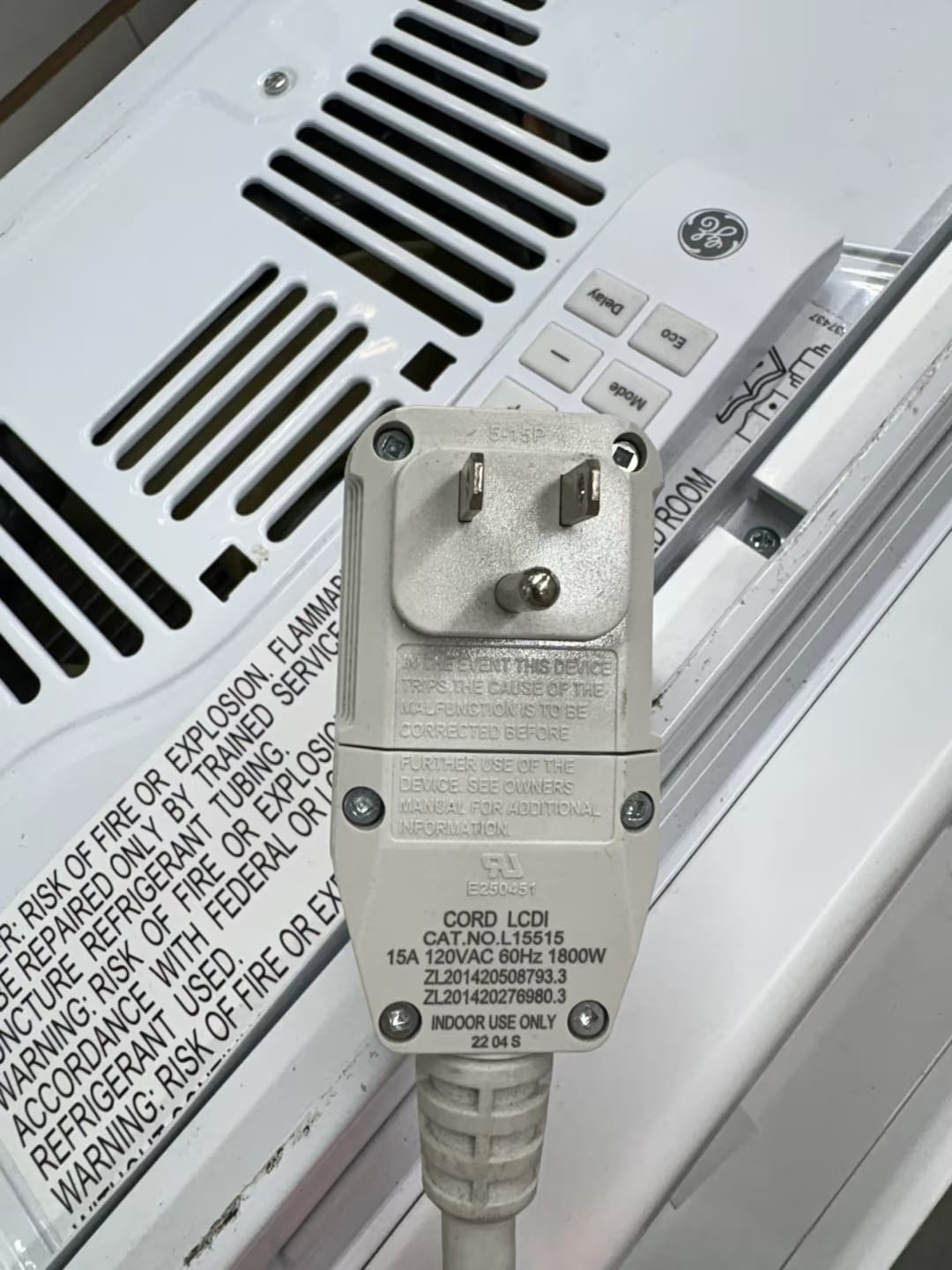
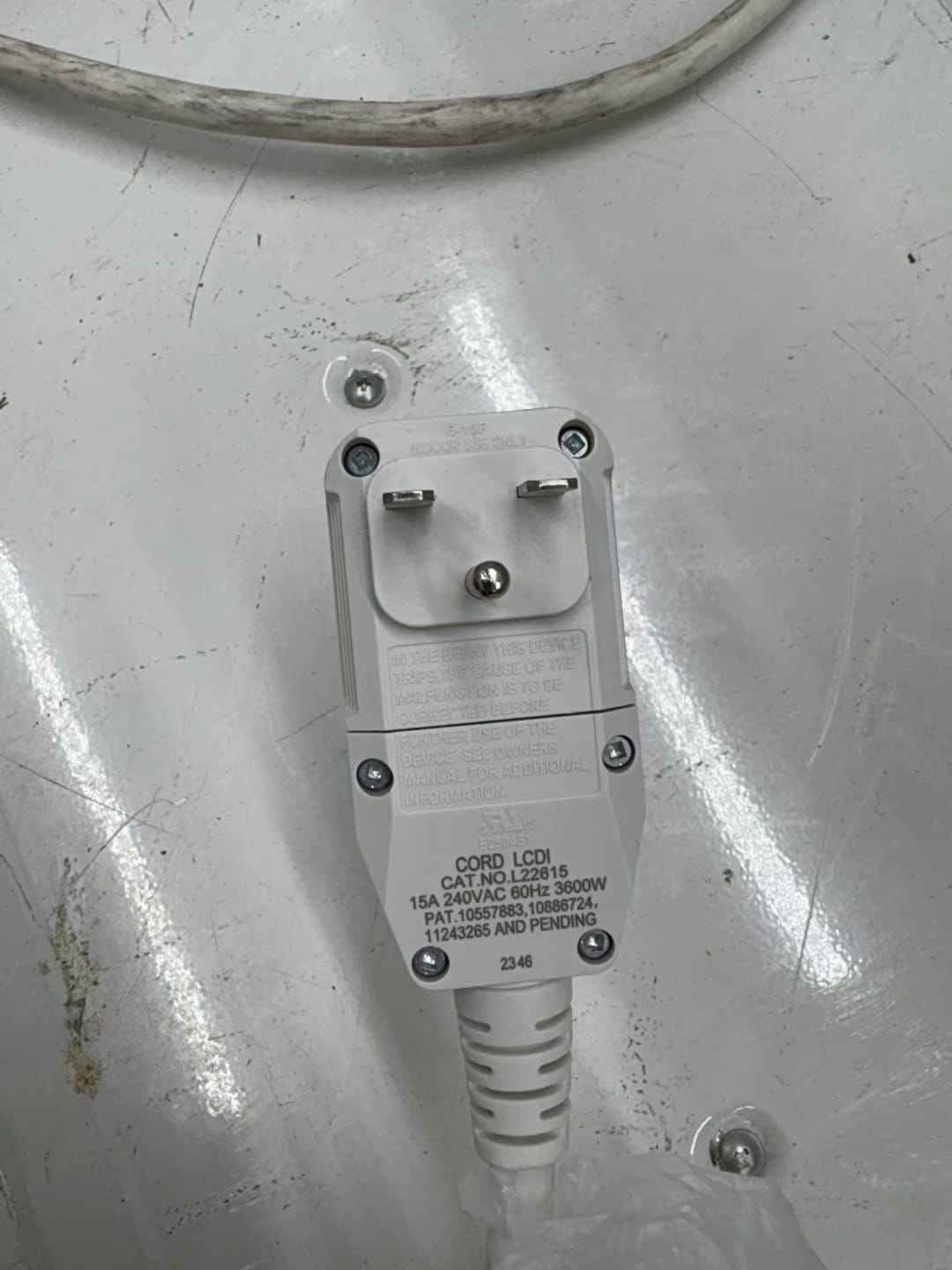
Another quick clue is the plug attached to the appliance.
Small household devices like lamps, TVs, or coffee makers usethin plugs designed for 120V outlets.
High-power appliances such as dryers, ranges, and EV chargers usethicker plugs with three or four prongs.
These plugs are intentionally designed so theycannot fit into a standard 120V outlet, preventing dangerous voltage mismatches.
3. Check the Breaker Panel
If you're still unsure, the breaker panel provides another useful clue.
•Single-pole breaker → 120V circuit
•Double-pole breaker → 240V circuit
Double-pole breakers connect to both hot wires in the home’s split-phase system, allowing the circuit to deliver 240 volts.
These breakers are commonly labeled for appliances like dryers, ranges, or air conditioners.
Safety note:
You can open the panel door and look, but donot remove panel covers or touch wiringunless you are qualified.
4. Test with a Voltage Tester or Multimeter
For a definitive answer, electricians use amultimeter or voltage tester.
A voltage reading of:
•around 120 volts → standard outlet
•around 240 volts → high-voltage outlet
Homeowners who are not comfortable using electrical testers should ask a licensed electrician to confirm the voltage.
了解基础知识:美国家庭的 120V 与 240V
Before checking outlet shapes or labels, it helps to understandwhy both voltages exist.
Most U.S. homes use asplit-phase 120/240V electrical system.
That means your house receives two “hot” wires and one neutral from the utility.
Depending on how a circuit is wired, it can deliver either 120 volts or 240 volts.
120V Circuits
- Use one hot wire and one neutral
- Supply standard wall outlets
- Power everyday devices and small appliances
240V Circuits
- Use both hot wires together
- Deliver higher power
- Serve heavy-duty equipment
Quick reference:
| 电压 | 典型电器 |
|---|---|
| 120 V | 灯具、电视、笔记本电脑、微波炉、咖啡机 |
| 240 V | 电动烘干机、烤箱、热水器、中央空调、电动汽车充电器 |
一个常见的混淆点是110V 和 120V 插座. In practice, they’re the same thing. People often use the terms interchangeably, but modern household wiring in the U.S. is standardized at 120V. When you see an appliance label that says “110V,” it’s simply designed to work with today’s 120V supply.
所以,请这样想:
- 120V = 日常生活
- 240V = 大功率
Understanding this split is the foundation for recognizing which outlets you’re dealing with in your own home.
何时通常会看到 240 V 插座
如果你走进一个典型的美国家庭,你会看到几十个 120V 插座,但只有几个240V插座. That’s because they’re reserved for appliances that need a lot more power than a standard plug can provide.
以下是您最常遇到它们的地方:
- 洗衣房– 电动烘干机几乎总是需要 240V 电压。如果你问自己,“我的烘干机需要 240V 吗?”答案很可能是肯定的——除非它是紧凑型或燃气动力车型。
- 厨房– 大型烤箱、炉灶和一些内置微波炉需要 240V 来处理加热元件。
- 车库– 电动汽车充电器越来越受欢迎,几乎所有 2 级充电器都需要 240V 电路。
- 户外/公用设施区域– 中央空调压缩机、热泵和井泵通常在 240V 下运行。
专业提示:查看断路器面板
If you want further confirmation, your breaker panel can provide clues:
- 单极断路器→ 120V circuit
- 双极断路器→ 240V circuit
Double-pole breakers connect to both hot wires in the split-phase system and are commonly labeled for appliances like dryers, ranges, or A/C units.
Safety reminder:
It’s okay to open the panel door and look—but do not remove covers or touch wiring unless you’re qualified.
When in doubt, take a photo and consult a licensed electrician.
可以将 120V 插座转换为 240V 吗?
房主们常常会想:你能把 120V 转换成 240V 吗if you don’t already have the right outlet? The short answer is yes—but it’s not as simple as swapping out the receptacle.
为什么这不是一项DIY工作
240V 电路需要:
- 两根热线而不是一个
- A双极断路器在你的面板中
- 正确的线规可以处理增加的负载
That means converting an outlet involves rewiring from the breaker panel and ensuring everything meets code. Attempting this on your own without proper training can result in fire hazards, code violations, or damaged appliances.
典型成本
The安装 240V 插座的成本varies depending on how far the outlet is from the electrical panel, whether your panel has room for another breaker, and whether permits are required. On average, homeowners spend:
- $250–$400可在面板附近进行简单安装
- $500–$1,000+如果新线路必须穿过多个房间或连接到独立车库
If you’re planning for a future EV charger, heat pump, or large appliance upgrade, it’s wise to install the 240V outlet sooner rather than later.
最佳实践
总是雇用持牌电工. Not only will the work be safer, but it also ensures your installation passes inspection and complies with the国家电气规范(NEC).
Why Confirming Voltage Matters Before Installation
Knowing whether an outlet is 120V or 240V isn’t just a technical detail.
It directly affects:
- Appliance compatibility
- Installation safety
- Upgrade planning (EV chargers, heat pumps, electric heating)
- Whether professional work is required
Many installation problems happennot because the appliance is faulty—but because the electrical setup was misunderstood.
Not Sure What Your Setup Supports?
If you’re planning to install or upgrade high-power equipment and aren’t fully confident in your home’s electrical capacity, the next step isn’t buying hardware—it’s understanding your system as a whole.
👉Learn how homeowners plan electrical capacity and appliance upgrades safely:
→ Home Electrical & Energy Planning Guide
Conclusion: Quick Takeaways
120V outlets power everyday devices such as lamps, TVs, and kitchen appliances.
240V outlets are designed for heavy-duty equipment like electric dryers, ovens, EV chargers, and large HVAC systems.
You can usually identify the voltage by checking:
• the outlet shape
• the appliance plug
• the breaker panel
If you're unsure, using a voltage tester or consulting a licensed electrician is the safest way to confirm the circuit.
Taking a few minutes to verify outlet voltage can prevent appliance damage and installation mistakes.
FAQ
标准插座可以同时为 120V 和 240V 吗?
No. They are wired differently and designed with distinct outlet shapes to prevent accidents. A receptacle is always one or the other.
用万用表测试安全吗?
是的,但前提是你有经验。非接触式家用插座电压测试仪对初学者来说更安全。如有疑问,请交给电工处理。
智能插头会告诉您电压吗?
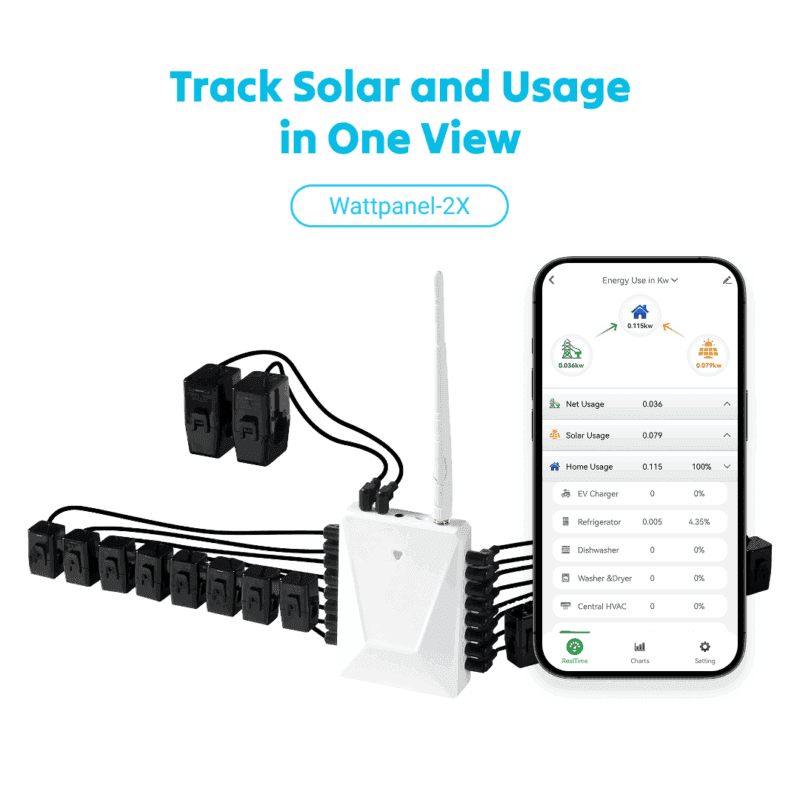
Most smart plugs don’t measure voltage directly. They can show energy usage for 120V devices, but for full-circuit monitoring—including240V电器—您需要一个智能能源监测器。
如果将 120V 插入 240V 会发生什么情况?
它可以瞬间摧毁设备。这就是为什么120V 240V 插座安全这非常重要——电器插头和插座故意设计成互相不匹配。
我的烘干机需要 240V 吗?
Most full-size electric dryers in the U.S. do require 240V. Compact dryers and gas dryers may only use 120V, so always check the label before buying or installing.