ฉันต้องใช้เครื่องตรวจจับก๊าซกี่เครื่อง?
เมื่อคุณตัดสินใจซื้อเครื่องตรวจจับก๊าซแล้ว ข้อกังวลต่อไปคือปฏิบัติได้จริงและสําคัญ:
ฉันต้องใช้เครื่องตรวจจับก๊าซกี่เครื่อง และควรวางไว้ที่ไหน
การเลือกน้อยเกินไปอาจทําให้เกิดจุดบอดได้ การเลือกมากเกินไปอาจรู้สึกไม่จําเป็น
คําตอบที่ถูกต้องขึ้นอยู่กับวิธีการใช้และกระจายก๊าซในบ้านของคุณไม่ใช่การคาดเดาหรือกฎขนาดเดียวที่เหมาะกับทุกคน
คู่มือนี้มุ่งเน้นไปที่เค้าโครงที่อยู่อาศัยจริงช่วยให้คุณตัดสินใจได้อย่างชัดเจนและมั่นใจ
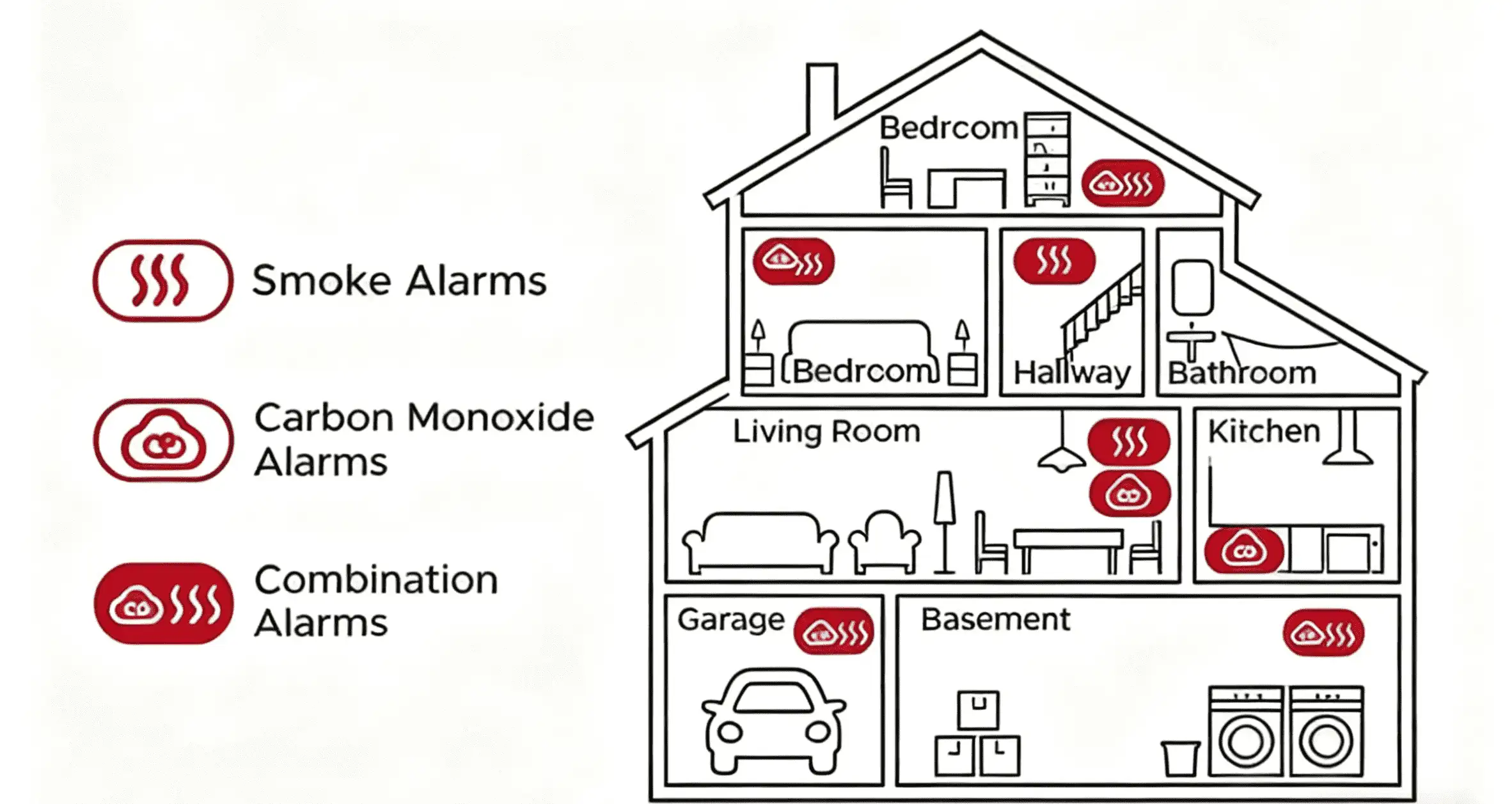
ตําแหน่งเครื่องใช้แก๊สที่สําคัญที่ต้องพิจารณา
ก่อนตัดสินใจเลือกปริมาณ ให้เริ่มด้วยการระบุมีความเสี่ยงจากก๊าซจริง.
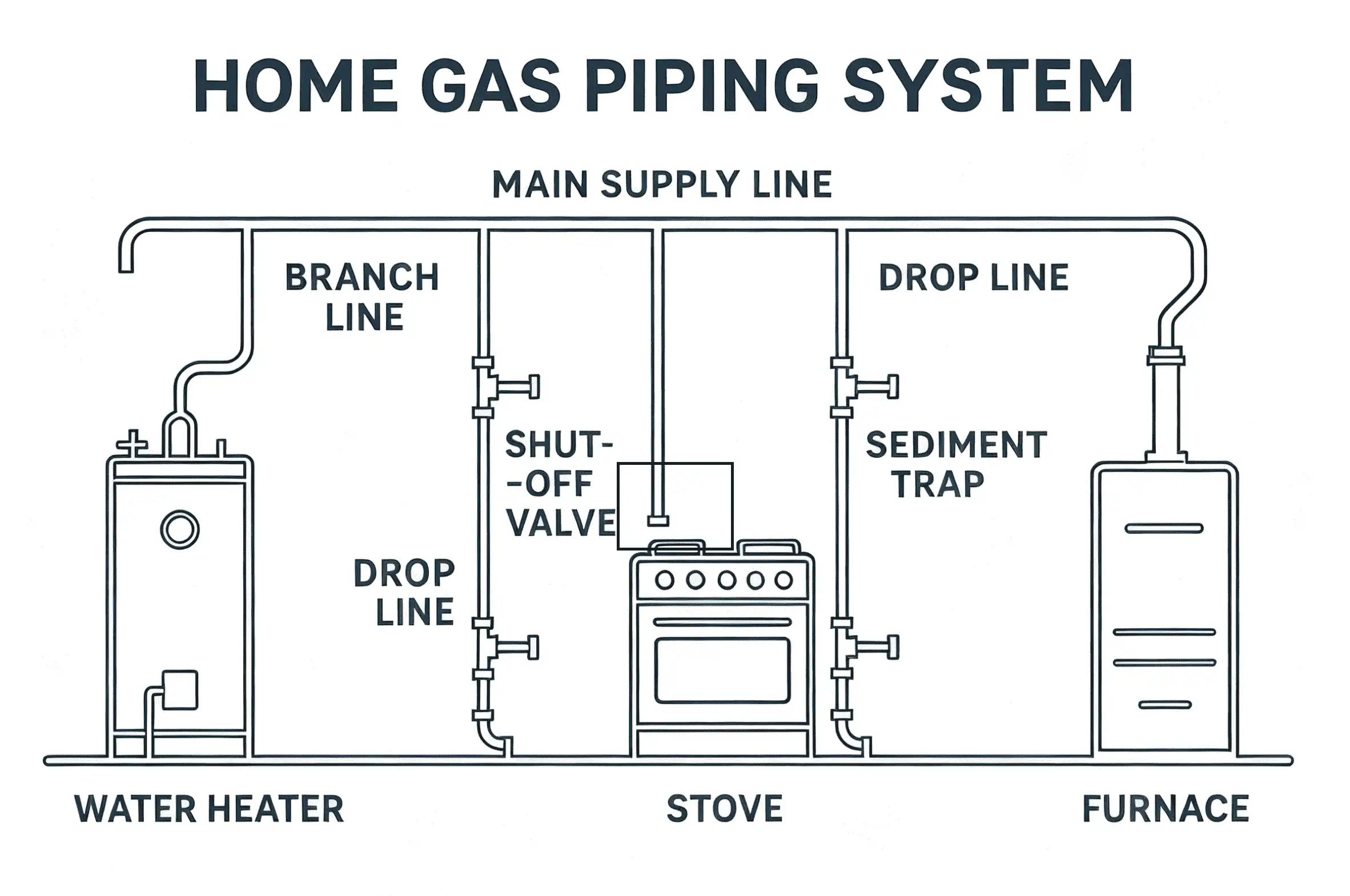
ในบ้านส่วนใหญ่เกิดการรั่วไหลของแก๊สก่อนการเผาไหม้ซึ่งมักจะอยู่รอบๆ การเชื่อมต่อแบบตายตัวมากกว่าเปลวไฟ โซนเสี่ยงทั่วไป ได้แก่ :
- เตาแก๊สและเตาแก๊ส
- เครื่องทําน้ําอุ่นแก๊ส
- เตาเผาหรือหม้อไอน้ํา
- เครื่องเป่าแก๊ส
- เตาผิงแก๊ส
- บริเวณที่มีท่อแก๊สหรือใกล้กับช่องปิดหลัก
สิ่งที่สําคัญที่สุดไม่ใช่ตัวเครื่องเอง แต่เป็นบริเวณที่ก๊าซรั่วไหลอาจสะสมได้.
ควรวางเครื่องตรวจจับใกล้โซนเหล่านี้ไม่ซ่อนอยู่ในตู้หรือบนอุปกรณ์โดยตรง
หากคุณยังไม่แน่ใจว่าการรั่วไหลของก๊าซแตกต่างจากควันหรือคาร์บอนมอนอกไซด์อย่างไร โปรดดูที่คู่มือความปลอดภัยของแก๊สสําหรับบ้าน.
เครื่องตรวจจับหนึ่งเครื่องเทียบกับความครอบคลุมทั้งบ้าน
นี่คือประเด็นการตัดสินใจที่พบบ่อยที่สุด:
เครื่องตรวจจับก๊าซเพียงเครื่องเดียวเพียงพอหรือไม่ หรือฉันต้องการมากกว่าหนึ่งเครื่อง?
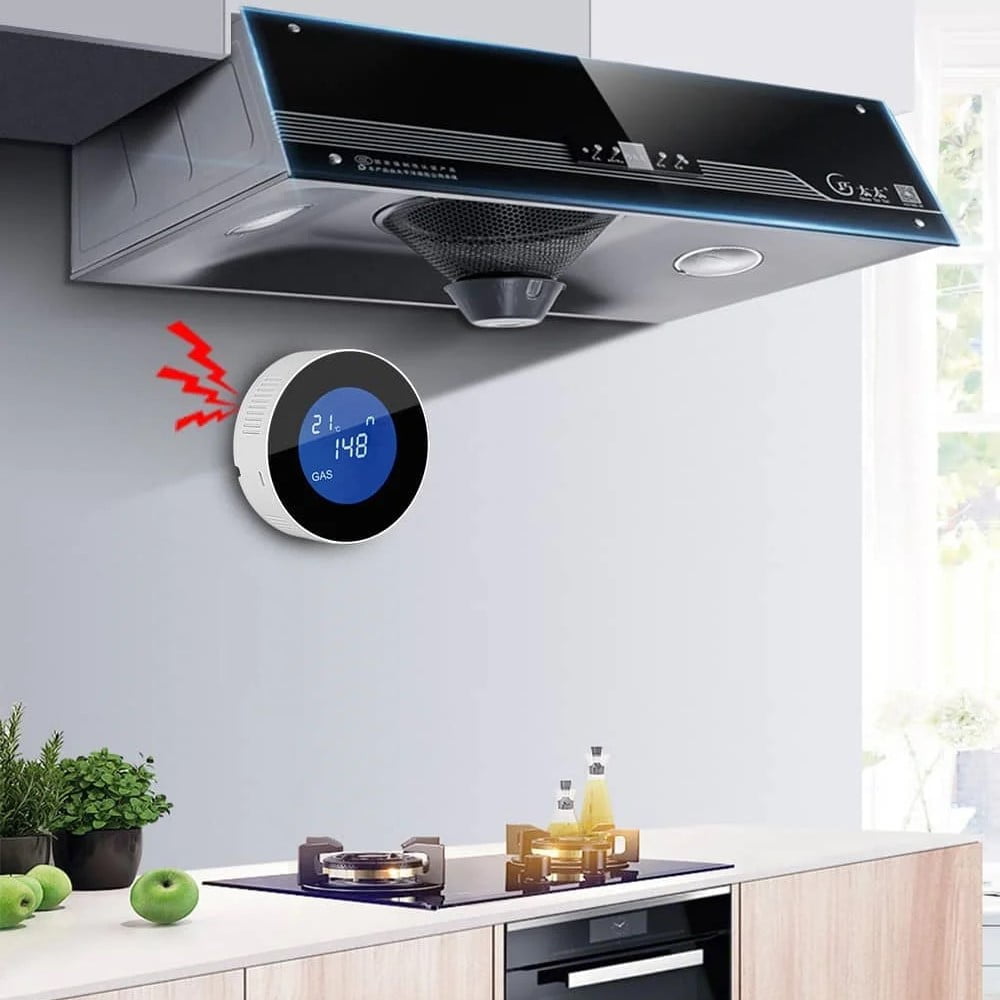
เมื่อเครื่องตรวจจับหนึ่งเครื่องเพียงพอ
เครื่องตรวจจับก๊าซเพียงเครื่องเดียวอาจเพียงพอหาก:
- คุณอาศัยอยู่ในอพาร์ทเมนต์ขนาดเล็กหรือบ้านขนาดกะทัดรัด
- เครื่องใช้แก๊สอยู่ใกล้กัน (เช่น amp ห้องครัว + พื้นที่ใช้สอยใกล้เคียง
- บ้านเป็นชั้นเดียวมีท่อแก๊สจํากัด
ในกรณีเหล่านี้ ให้วางเครื่องตรวจจับหนึ่งตัวไว้ใกล้กับโซนเครื่องใช้แก๊สหลักสามารถให้การปกป้องที่มีความหมาย
เมื่อเครื่องตรวจจับมากกว่าหนึ่งตัวสมเหตุสมผล
คุณควรพิจารณาเครื่องตรวจจับก๊าซหลายเครื่องหาก:
- เครื่องใช้แก๊สกระจายอยู่ตามห้องต่างๆ
- บ้านของคุณมีมากกว่าหนึ่งชั้น
- มีห้องใต้ดินหรือห้องเอนกประสงค์แยกต่างหาก
- พื้นที่นอนอยู่ห่างไกลจากแหล่งก๊าซ
- คุณต้องการการแจ้งเตือนแม้ในขณะที่คุณไม่อยู่บ้าน
กฎง่ายๆที่ใช้ได้กับบ้านส่วนใหญ่:
บ้านที่มีโซนแก๊สหลายโซนมักเลือกเครื่องตรวจจับก๊าซหลายแพ็คเพื่อครอบคลุมห้องครัว ชั้นใต้ดิน และห้องเอนกประสงค์โดยไม่มีช่องว่าง
บ้านหลังเล็ก vs บ้านหลายชั้น
เค้าโครงบ้านมีบทบาทมากกว่าตารางฟุตเพียงอย่างเดียว
บ้านและอพาร์ตเมนต์ขนาดเล็ก
สําหรับสตูดิโอ อพาร์ทเมนท์แบบหนึ่งห้องนอน หรือบ้านขนาดกะทัดรัด:
- เครื่องตรวจจับหนึ่งเครื่องใกล้ห้องครัวหรือแหล่งก๊าซหลัก
- เครื่องตรวจจับตัวที่สองเสริมหากแยกเครื่องใช้แก๊สออกจากพื้นที่นั่งเล่นหรือนอนหลับ
บ้านหลายชั้น
สําหรับบ้านสองชั้นหรือใหญ่กว่าระยะห่างและการแยกแนวตั้งมีความสําคัญ
การตั้งค่าทั่วไปสําหรับบ้าน 2 ชั้น
- โซนหลัก:
ห้องครัว — ติดผนังสูงขึ้นบนผนังใกล้กับแหล่งก๊าซ
- โซนยูทิลิตี้:
ห้องใต้ดินหรือห้องเครื่องกล — ใกล้เครื่องทําน้ําอุ่นหรือเตาเผา
- บัฟเฟอร์ความปลอดภัย:
โถงทางเดินด้านนอกห้องนอน — เพื่อความอุ่นใจระหว่างการนอนหลับ
หากติดตั้งเครื่องตรวจจับเหล่านี้ในห้องใต้ดินหรือห้องเอนกประสงค์aรุ่นที่มีการแจ้งเตือนระยะไกลหรืออัจฉริยะมีประโยชน์อย่างยิ่ง เนื่องจากอาจไม่ได้ยินเสียงเตือนจากห้องนอนชั้นบนเสมอไป
อสังหาริมทรัพย์ให้เช่า — สิ่งที่สมเหตุสมผลจริงๆ
บ้านเช่าต้องการความคิดที่แตกต่างออกไปเล็กน้อย เป้าหมายคือการลดความเสี่ยงในทางปฏิบัติโดยไม่มีความซับซ้อนที่ไม่จําเป็น
การเช่ายูนิตเดี่ยว
- เครื่องตรวจจับหนึ่งเครื่องอาจสมเหตุสมผลหากการใช้ก๊าซถูกจํากัดและรวมศูนย์
- เพิ่มเครื่องตรวจจับตัวที่สองหากมีเตาเผาเฉพาะหรือห้องทําน้ําอุ่น
การเช่าหลายยูนิตหรือหลายชั้น
- เครื่องตรวจจับอย่างน้อยหนึ่งเครื่องต่อหน่วย
- เครื่องตรวจจับเพิ่มเติมใกล้กับพื้นที่อุปกรณ์แก๊สที่ใช้ร่วมกัน
ผู้เช่าอาจไม่สังเกตเห็นสัญญาณเริ่มต้นของปัญหาก๊าซเสมอไป แต่เครื่องตรวจจับให้การตรวจสอบอัตโนมัติที่สม่ําเสมอโดยไม่ต้องพึ่งพาพฤติกรรมของผู้อยู่อาศัย
ข้อผิดพลาดทั่วไปในการจัดวางที่ควรหลีกเลี่ยง
แม้แต่เครื่องตรวจจับจํานวนที่เหมาะสมก็อาจไม่ได้ผลหากวางไม่ถูกต้อง
ติดตั้งผิดความสูง
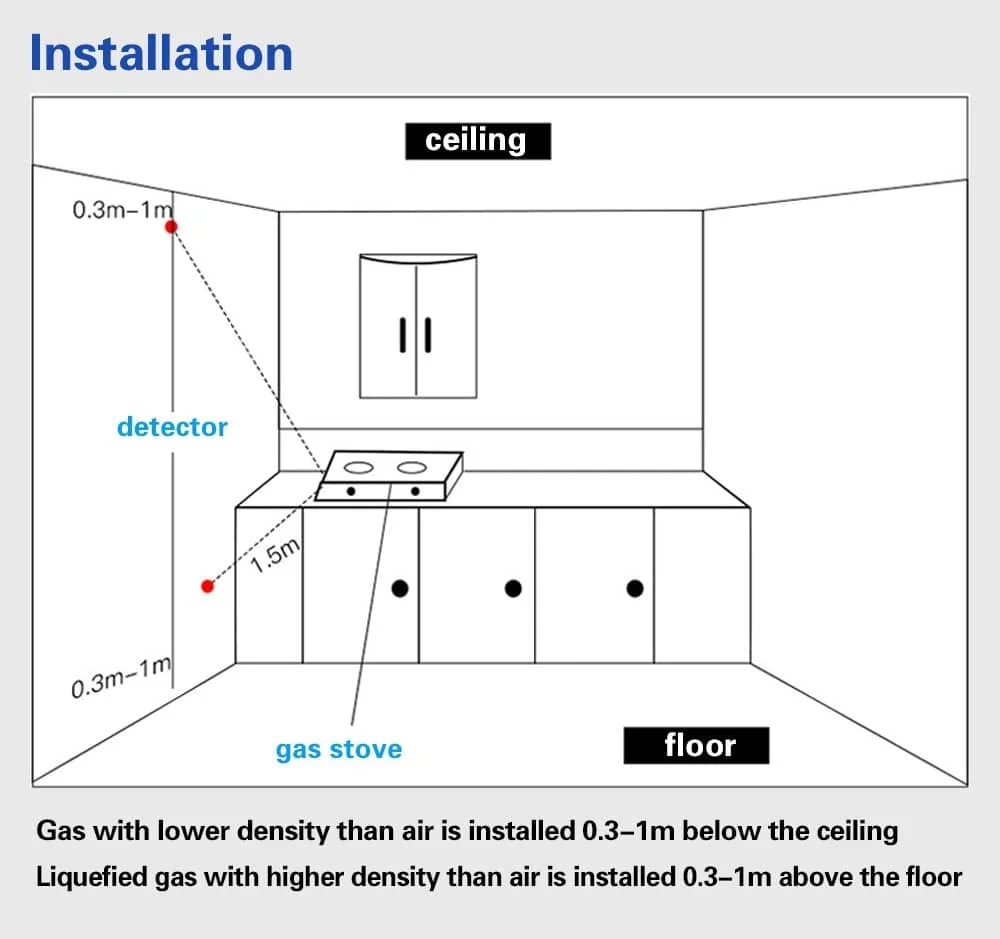
ในบ้านส่วนใหญ่ในอเมริกาเหนือก๊าซธรรมชาติ (มีเทน)มีน้ําหนักเบากว่าอากาศและมีแนวโน้มที่จะลอยขึ้น
ควรติดตั้งเครื่องตรวจจับก๊าซสูงขึ้นบนกําแพงใกล้กับจุดที่ก๊าซอาจสะสมมากขึ้น
ในบ้านที่ใช้โพรเพนแทนก๊าซธรรมชาติความสูงในการติดตั้งอาจแตกต่างกันเนื่องจากโพรเพนมีพฤติกรรมแตกต่างกันในอากาศ
การวางเครื่องตรวจจับใกล้หรือไกลเกินไป
การวางเครื่องตรวจจับใกล้เกินไปกับเครื่องใช้แก๊สอาจทําให้เกิดการแจ้งเตือนที่น่ารําคาญระหว่างการปรุงอาหารหรือการทํางานตามปกติ
การวางมันไกลเกินไปอาจทําให้การตรวจจับล่าช้า
ในบ้านหลายหลัง การวางตําแหน่งเครื่องตรวจจับห่างจากแหล่งก๊าซไม่ไกลให้ความสมดุลที่ดีขึ้นระหว่างการตรวจจับล่วงหน้าและการเตือนที่ผิดพลาด
ข้อผิดพลาดทั่วไปอื่นๆ
- การติดตั้งเครื่องตรวจจับเหนือเปลวไฟโดยตรง
- การปิดกั้นเครื่องตรวจจับหลังตู้หรือเครื่องใช้ไฟฟ้า
- ใช้เครื่องตรวจจับเพียงเครื่องเดียวในบ้านหลายชั้น
- สมมติว่าสัญญาณเตือนควันหรือคาร์บอนมอนอกไซด์ตรวจพบการรั่วไหลของก๊าซด้วย (ไม่)
แต่มีวิธีที่เชื่อถือได้ในการตัดสินใจ:
- ระบุโซนเครื่องใช้แก๊สของคุณ
- จับคู่จํานวนเครื่องตรวจจับกับเลย์เอาต์ ไม่ใช่การคาดเดา
- ปรับพื้น ระยะห่าง และพื้นที่นอน
- รักษาตําแหน่งให้ใช้งานได้จริงและเข้าถึงได้
หากคุณวางแผนที่จะซื้ออยู่แล้ว ให้เลือกหมายเลขและตําแหน่งที่ถูกต้องมั่นใจได้ว่าเครื่องตรวจจับทํางานได้จริง - ปกป้องบ้านของคุณในช่วงเวลาที่สําคัญที่สุด
ตอนนี้คุณรู้แล้วว่าคุณต้องการเครื่องตรวจจับกี่เครื่องและจะติดตั้งได้ที่ไหนขั้นตอนต่อไปคือการเลือกรุ่นที่เหมาะกับเลย์เอาต์ของคุณ
ดูตัวเลือกเครื่องตรวจจับก๊าซที่ออกแบบมาสําหรับการตั้งค่าโซนเดียวหรือทั้งบ้านรวมถึงรุ่นที่รองรับการครอบคลุมหลายห้องและการแจ้งเตือนระยะไกล

ผู้ให้บริการโซลูชันการประหยัดพลังงานและความปลอดภัยภายในบ้าน
©2025 สงวนลิขสิทธิ์ บริษัท Grus IoT จำกัด