Whole-Home Water Protection System with Automatic Shutoff
Protect your home with an automatic main shutoff valve, app control, and monitoring
A whole house automatic water shutoff system helps reduce water-damage risk by closing the main water line when action is needed. With AquaNet valves, you can manage shutoff in the Smart Life app, view usage history (day/month/year), and configure alerts such as flow-rate alarms. For more advanced protection, automation can be built through Smart Life scenes (for example, a leak sensor triggering shutoff), depending on your setup.
Why Water Protection Matters for Every Home
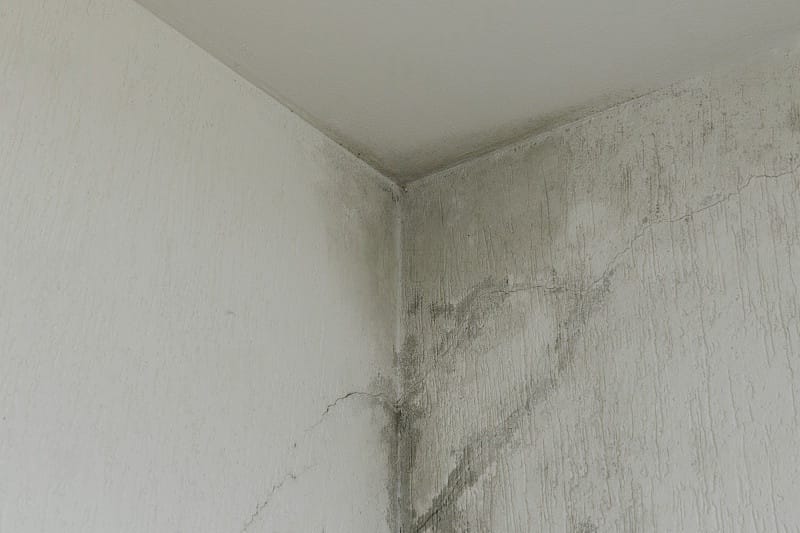
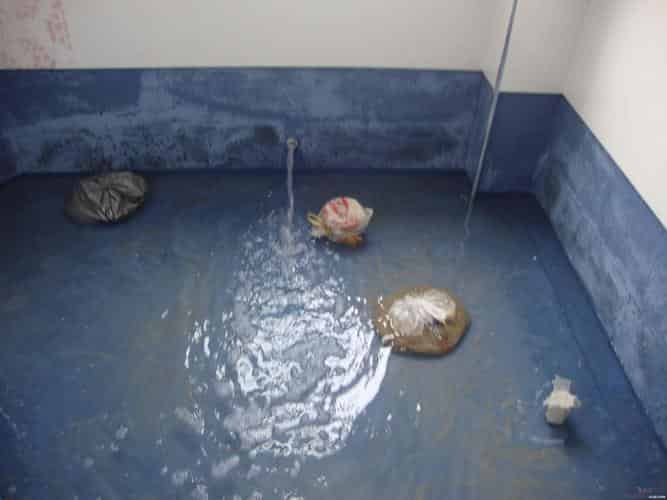
Even a small leak can cause big problems—especially when no one is home. Most household water incidents fall into three categories:
Typical repair costs add up fast:
- Minor cabinet repairs: $500–$1,500
- Flooring replacement: $2,000–$8,000
- Full kitchen rebuild after a long-term leak: $10,000+
What actually prevents damage:alerts help, butstopping water at the sourceis what limits loss. Awhole house water shut off systemcombines monitoring + alerts + anarrêt automatique de l'eauaction at the main line—so a problem doesn’t keep running while you’re away.
30-Second Summary (What this system is)
A whole house automatic water shutoff system is built around a main-line shutoff valve plus a monitoring loop in the app.
With AquaNet valves, you can manage shutoff in the Smart Life app, view water usage records (day/month/year), and enable alerts such as high/low flow-rate alarms.
For more advanced protection, you can build automation through Smart Life (for example, linking a leak sensor to trigger shutoff), depending on your setup.
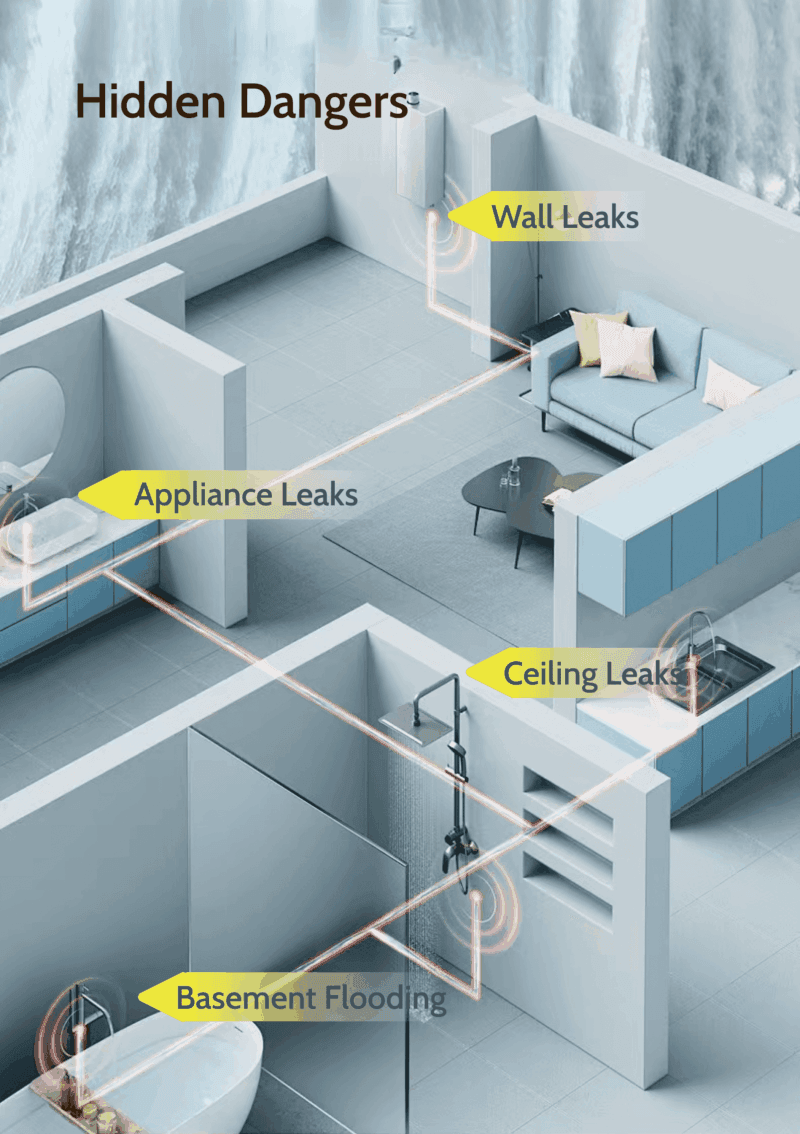
Common Household Leak Scenarios (Where whole-home systems win)
Leaks don’t stay “in one room.” They often spread into cabinets, flooring, walls, and lower levels. Whole-home shutoff is designed for exactly that reality.

Loose fittings, hose failures, and leaks that only show during a cycle.

Bathroom Leaks
- Toilet base seepage
- Shower supply line leaks
- Loose angle stop valves
- Hidden moisture beneath tile
Outdoor & Irrigation Leaks
- Water heater tank leaks
- Main line corrosion
- Burst pipes during freeze events
Basement leaks spread quietly and are costly because water pools unnoticed.

Basement & Utility Leaks
- Water heater tank leaks
- Main line corrosion
- Burst pipes during freeze events
Basement leaks spread quietly and are costly because water pools unnoticed.
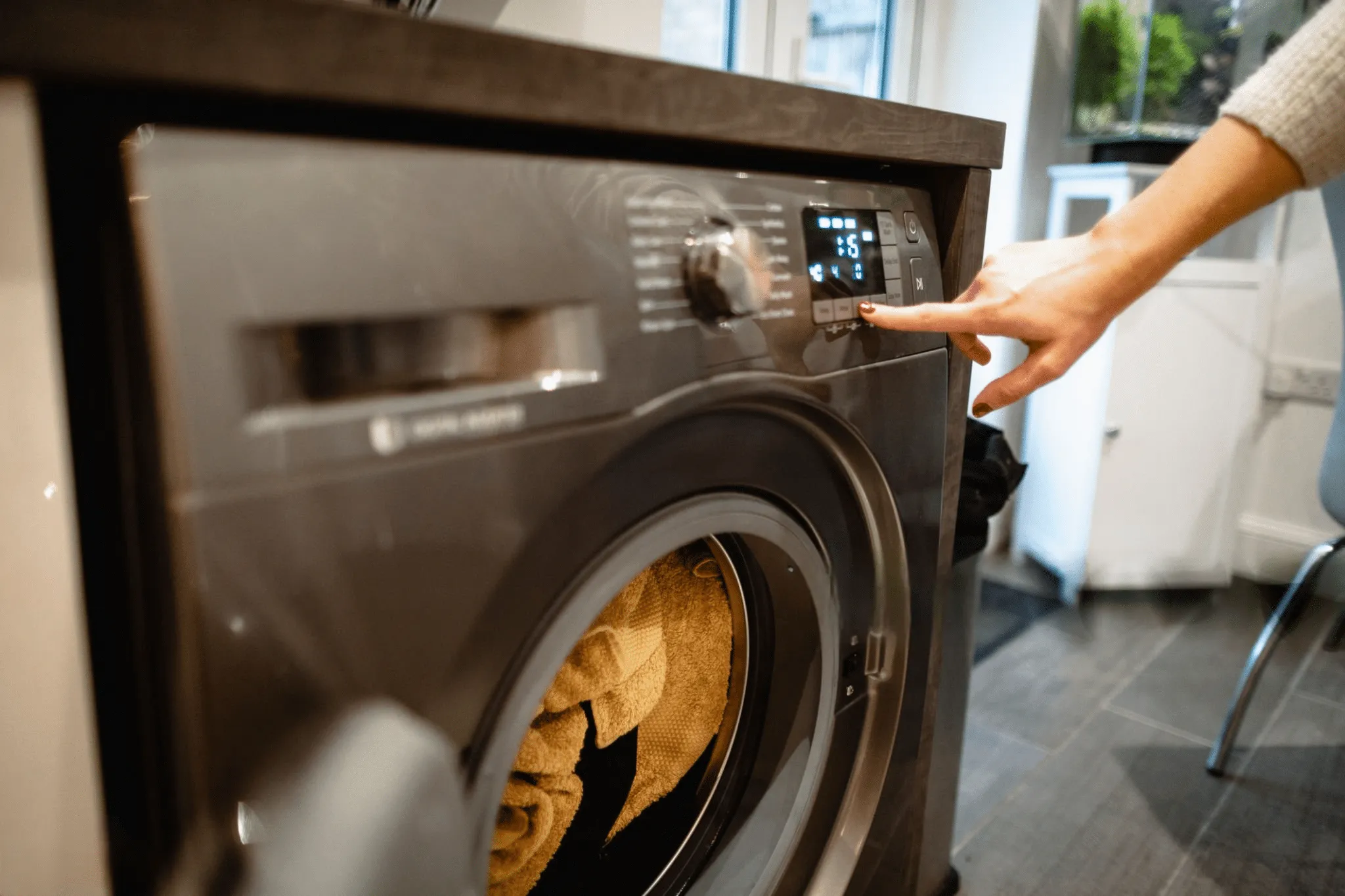
Laundry Room Leaks
- Washing machine hose rupture
- Drain overflow
- Old rubber hoses cracking under pressure
A burst washing machine hose can release500+ gallonsper hour.
How a Smart Water Protection System Works
A strong system is a loop:detect → confirm risk → shut off → alert.

Leak detection sensors (spot risk early)
Place sensors under sinks, behind appliances, and near water heaters to catch moisture quickly and alert you.
For a full comparison, seethe best smart water leak detectors for whole-home protection

Flow-based monitoring (catch hidden leaks)
Flow monitoring identifies abnormal water usage, continuous flow, and hidden leaks behind walls that sensors alone can’t detect.

Automatic water shut-off valve (stop damage at the source)
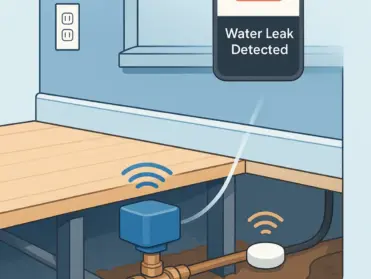
When a leak is detected, the system can automatically shut off your main water supply—even if you’re away from home.
This is the core of anautomatic water shut-off valve system for home use
Together, these layers protect against bothsmall leaksandcatastrophic pipe failures.
Choose Your Protection Level (Start simple, expand later)
Most homeowners get the best outcome by starting with shutoff + monitoring, then adding automation as needed.
Our recommendation for most homes
If you’re comparing leak alarms, single sensors, or “smart devices,” here’s the practical truth:
Most water damage isn’t prevented by alerts alone—it’s prevented when water is shut off at the main line.
That’s why most homeowners choose awhole-home smart water protection systemthat combines:
- Automatic shutoff at the main supply
- Sensors in high-risk areas
- One-app control and alerts
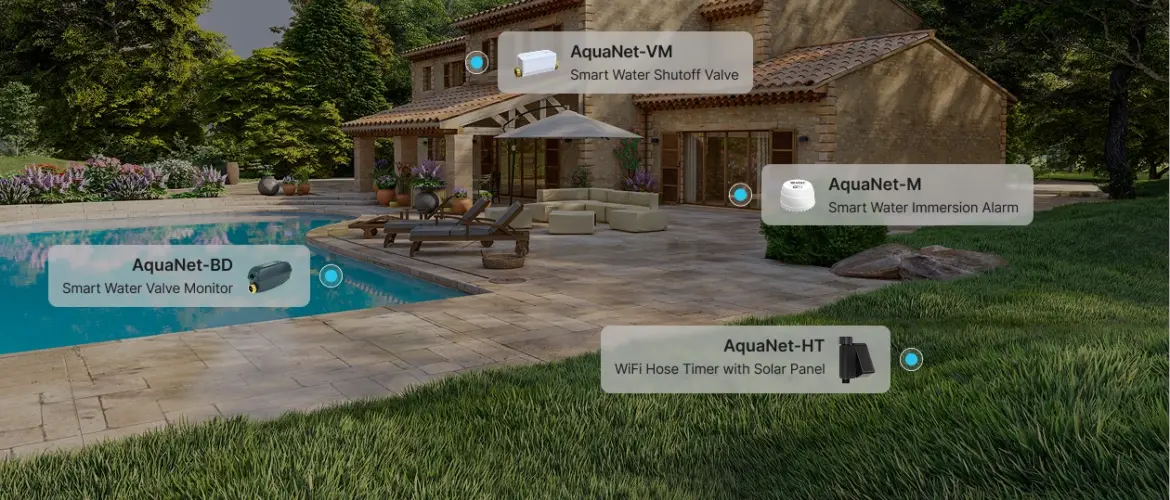
Recommended default: AquaNet-BDas the best-value starting point for a whole-home shutoff setup. Upgrade options can come later—shutoff first.
Which Water Protection System Is Right for You?
Use this quick guide to choose the right setup:
Most homeowners choosewhole-home systems, because water damage rarely follows a single-room pattern.
Concerned about small leaks (kitchen, bathroom)
→ Leak sensors with mobile alerts
Want leaks to stop automatically
→ Leak sensors + automatic shut-off valve
Whole-home protection
→ Sensors + rope sensors + automatic shut-off valve
Vacation home or winter freeze risk
→ Full system with automation and remote control
Insurance-focused protection
→ Automatic shut-off valve with documented leak detection
Recommended Whole-Home Setup
(Most Popular Choice)
For the majority of homes, this setup provides the best balance of protection and value:
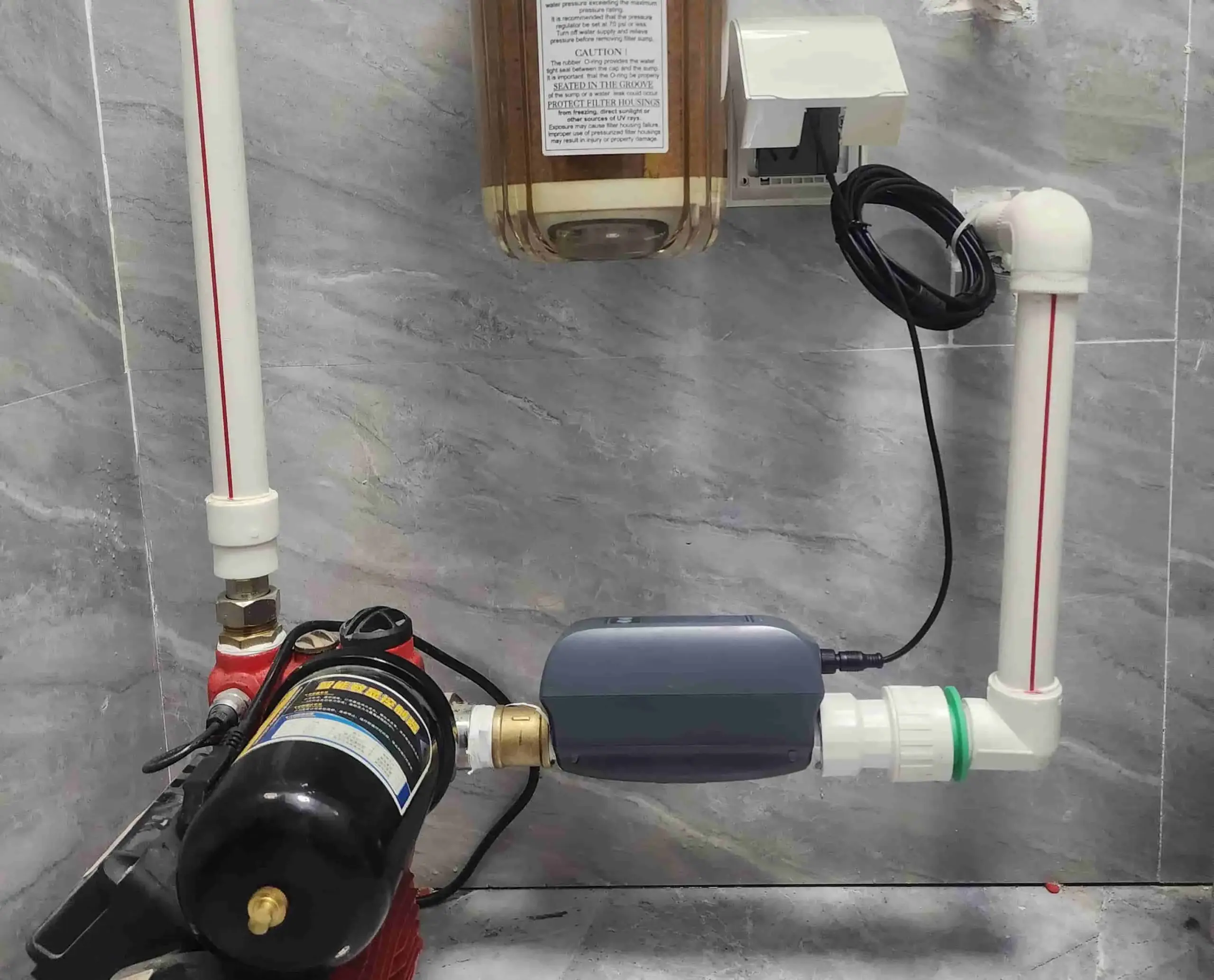

1× main-line automatic shut-off valve (Recommended: AquaNet-BD)
Installed on the main supply line.

3–5× smart leak sensors
For kitchen, bathrooms, and laundry areas.

1× rope-style leak sensor
For basements and water heaters.
Choose your valve
AquaNet-BD vs AquaNet-VM (simple guide)
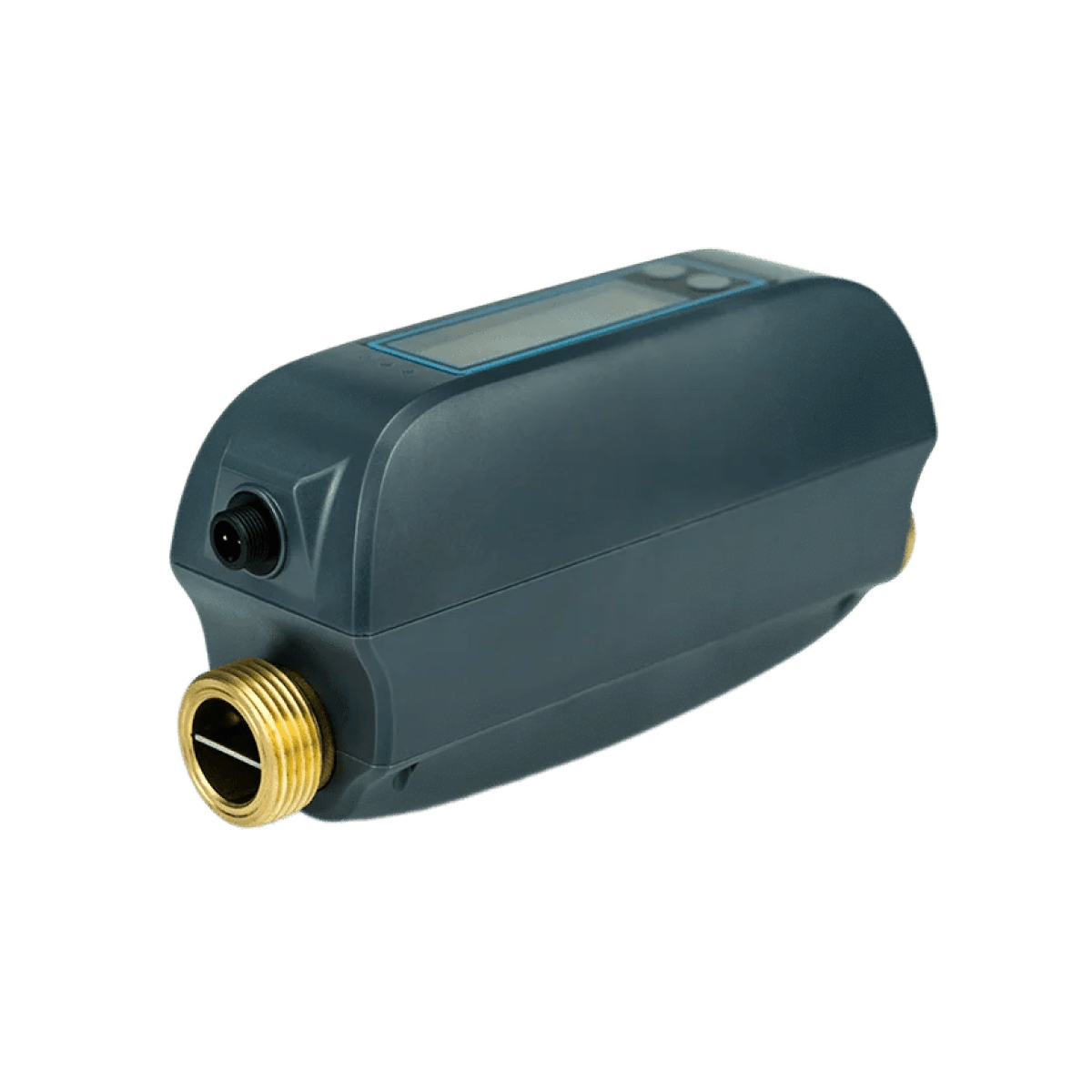
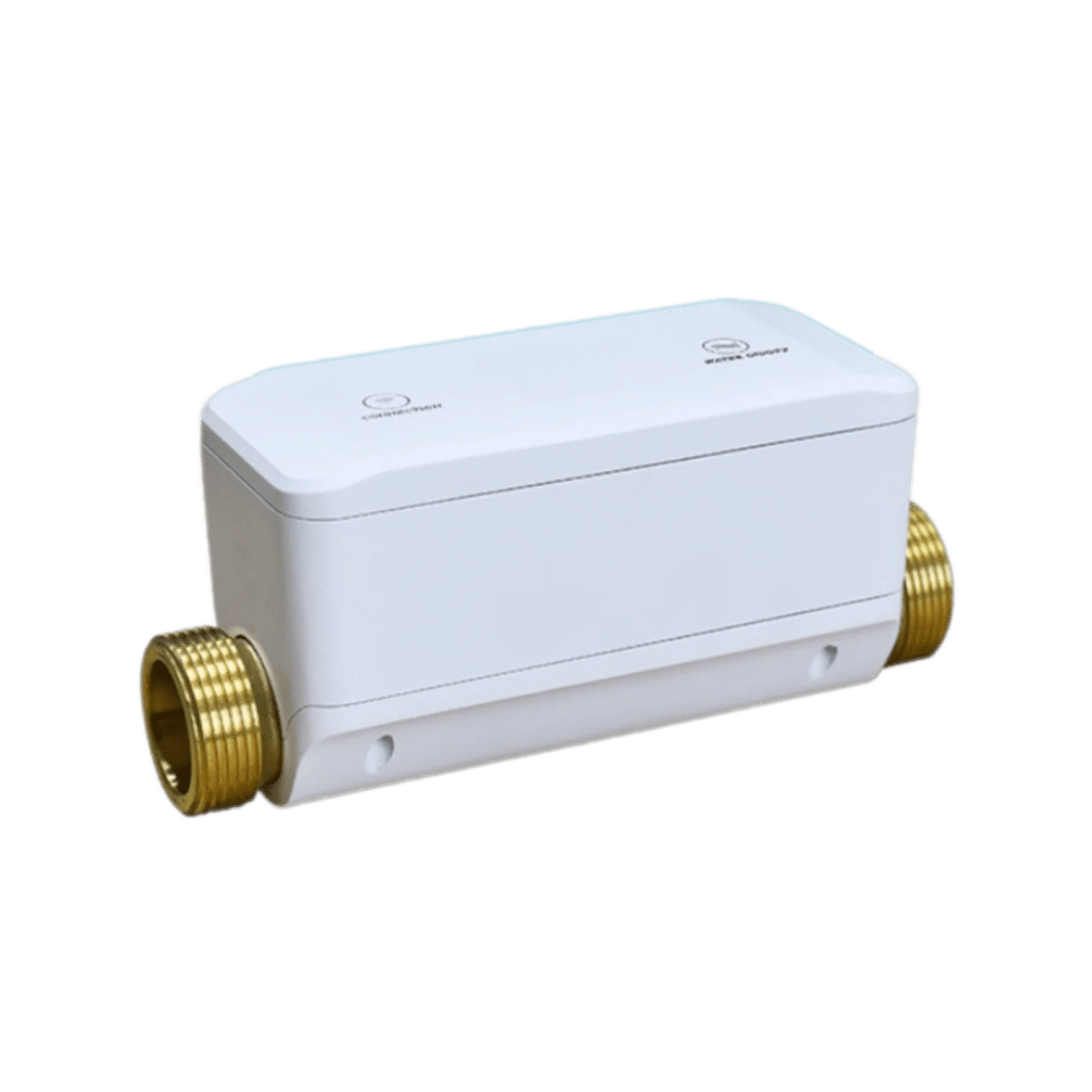
AquaNet-BD
(Recommended / Best Value)
Best for homeowners who want the core whole-home loop: main shutoff + Smart Life app control +usage records (day/month/year)+high/low flow-rate alerts.
BD also supports Smart Life linkage examples (e.g., a leak detector triggering shutoff), depending on how you configure your setup.
AquaNet-VM
(Upgrade for advanced monitoring)
Best when you want additional monitoring signals. VM supportswater temperature alarms,water pressure alarms, etflow-rate alarms, includeswater leakage self-inspection, and supportsfamily group sharingin the app. The device can be powered by apower bank.
Smart Water Protection vs Traditional Leak Alarms
Traditional leak alarms only make noise.
If no one is home, damage still happens.
Awhole house water shut off systemcan:
It’s the difference between being warned about a leak andpreventing damage entirely.
Winter Freeze Protection
Frozen pipes are one of the leading causes of major water damage.
Awhole house water shut off systemcan:
- Detecting abnormal flow caused by burst pipes
- Sending alerts when temperatures drop dangerously low
- Automatically shutting off water to prevent flooding
For cold climates, see howWiFi smart water valves help prevent frozen pipe disasters
Insurance Discounts & Smart Water Valves
Many insurance providers now recognizeautomatic water shut-off valvesas a risk-reduction measure.
Common requirements include:
- Automatic shut-off capability
- Continuous monitoring
- Leak detection documentation
- Safety certifications
Installing a smart water protection system can help reduce claims, lower risk exposure, and improve insurance eligibility.
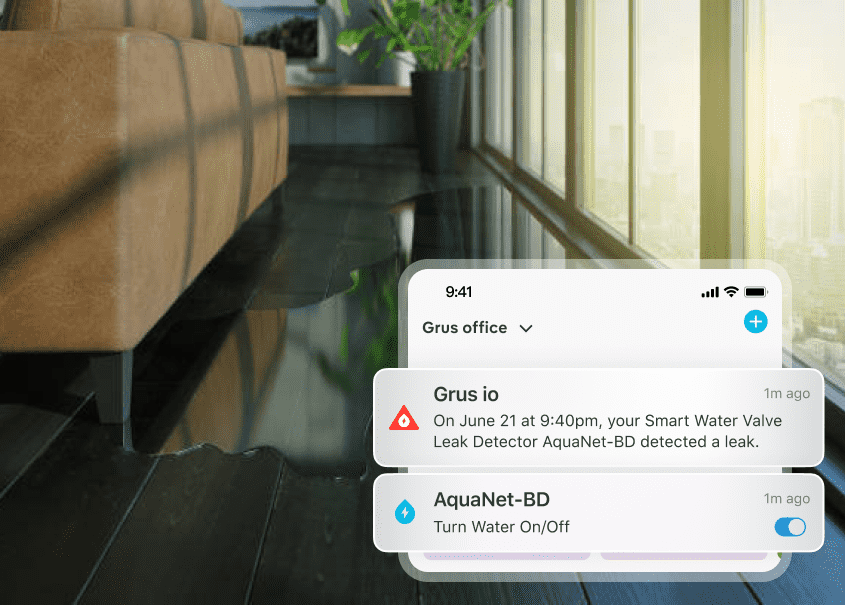
Scénarios réels : détection de fuites en action
Chaque goutte compte. Chaque recoin est protégé.
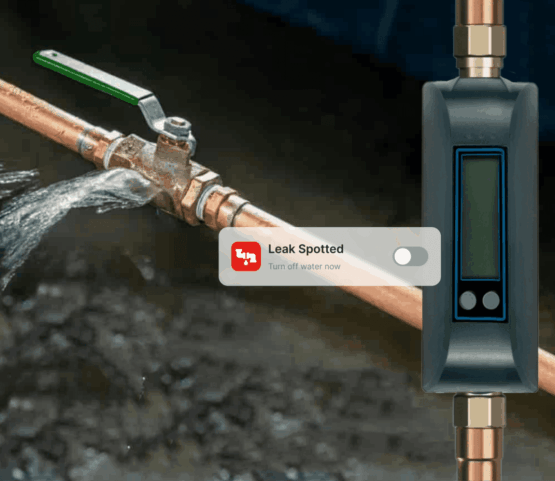
Scénario 1
You’re away—and a pipe bursts
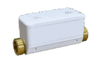
The sensor detects water; the shutoff valve closes the main supply to reduce damage while you’re away.
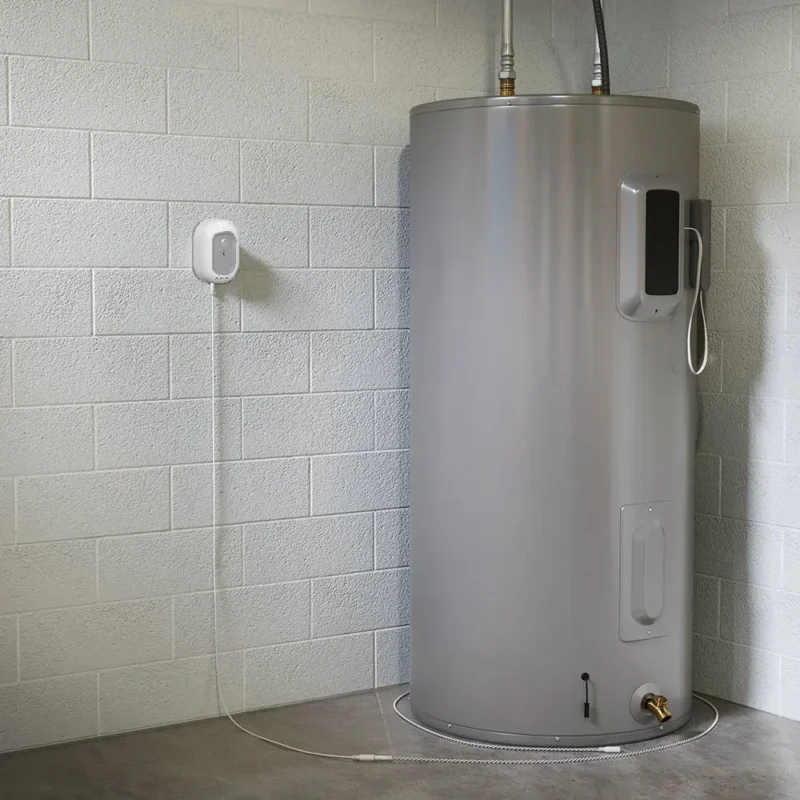
Scénario 2
Le chauffe-eau du sous-sol fuit pendant la nuit.
The leak is detected and shutoff happens at the main line before flooding spreads.


Is a Smart Water Protection System Worth It?
For most homeowners, yes.
Compared to the cost of water damage repairs, a smart water protection system is a one-time investment that:
- Prevents costly damage
- Protects your home while you’re away
- Reduces uncertainty and stress
- Pays for itself the first time it stops a leak
Few smart home upgrades offer this level of real-world protection.

Des questions sur les vannes d’eau intelligentes et la détection des fuites ?
1. What is a whole house water shut off system?
A whole-home system combines a main-line shutoff valve with monitoring, alerts, and (optionally) automation so water can be stopped at the source.
2. What triggers an automatic water shutoff system?
Triggers depend on how you configure your setup. You can shut off manually in the app, use alert thresholds, and optionally create Smart Life scenes (for example, linking a leak sensor to trigger shutoff).
3. What’s the difference between an “automatic shutoff valve” and a “shutoff system”?
The valve is the shutoff component. The system is the protection loop around it: monitoring, alerts, usage records, and optional automation.
4. How many leak sensors do I need for a typical home?
Most homes start with3–5 sensors(kitchen, bathrooms, laundry) plus a rope sensor for basement/water heater areas.
5. Can I control the valve from my phone?
AquaNet valves supportApplication Smart Lifecontrol for shutoff management and settings.
6. Can multiple family members manage the system?
You can share device access through the app (for example, VM supportsfamily group sharing).
Availability depends on how accounts and sharing are configured.
7. What alerts are supported?
Flow-rate related alerts (e.g., high/low flow alarms) are supported.
VM also supportswater pressureandwater temperaturealarms.
8. Do I need a plumber to install a smart water shut-off valve?
Leak sensors are usually DIY-friendly.
However, installing an automatic shut-off valve on the main water line is typically done by a licensed plumber.
Most installations are completed within 60–90 minutes.
9. What happens if the internet or WiFi goes down?
Most smart water shut-off valves can still perform automatic shut-off based on local detection rules.
Remote alerts and app control may be unavailable until connectivity is restored.
This ensures basic protection remains active even during temporary outages.
10. Is there a subscription required to use a smart water protection system?
This depends on the system.
Many smart water protection systems, including those designed for home use, operate without mandatory subscriptions.
Always check product details to understand what features are included.
En savoir plus sur la protection intelligente de l'eau
Qu'est-ce qu'une vanne d'eau intelligente ?
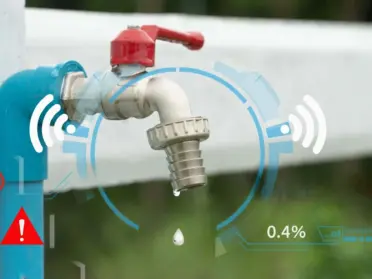
Les vannes d'eau intelligentes bloquent instantanément les fuites. Prévenez les dégâts des eaux, contrôlez votre vanne d'arrêt d'eau principale et connectez-vous aux détecteurs de fuites.

Maîtriser les stratégies de prévention des fuites d'eau
Plongez dans le monde de la prévention et de la gestion des fuites d'eau dans les maisons.

Fournisseur de solutions d'efficacité énergétique et de sécurité pour la maison
©2025 Tous droits réservés. Grus IoT Co.,Ltd.