Dans les foyers américains, la plupart des points de vente fournissent120 volts, tandis que les appareils à haute puissance utilisent240 volts.
La façon la plus rapide de faire la différence est de vérifierla forme de la prise, la prise de l’appareil électroménager ou le tableau électrique.
Méthodes rapides pour identifier la tension de prise
| Vérifié | Prise 120V | Prise 240V |
|---|---|---|
| Forme de sortie | Deux fentes verticales + masse | Sortie plus grande avec différents motifs de fentes |
| Type de bougie | Bouchon fin à deux ou trois broches | Bouchon épais à 3 ou 4 broches |
| Disjoncteur | Disjoncteur unipolaire | Disjoncteur bipolaire |
| Utilisation typique | Lampes, téléviseurs, appareils de cuisine | Sèche-linge, fours, bornes électriques |
La plupart des foyers ont des dizaines de prises 120V mais seulement quelques prises 240V pour les équipements lourds.
Les sections ci-dessous expliquent comment vérifier la tension en toute sécurité avant d’installer un appareil.
Méthodes rapides pour savoir si une prise est de 120 V ou de 240 V
La façon la plus simple d’identifier la tension de prise est de faireEn regardant le design de la prise et la prise de l’appareil.
Voici les quatre vérifications les plus fiables utilisées par les propriétaires.
1. Regardez la forme de la sortie
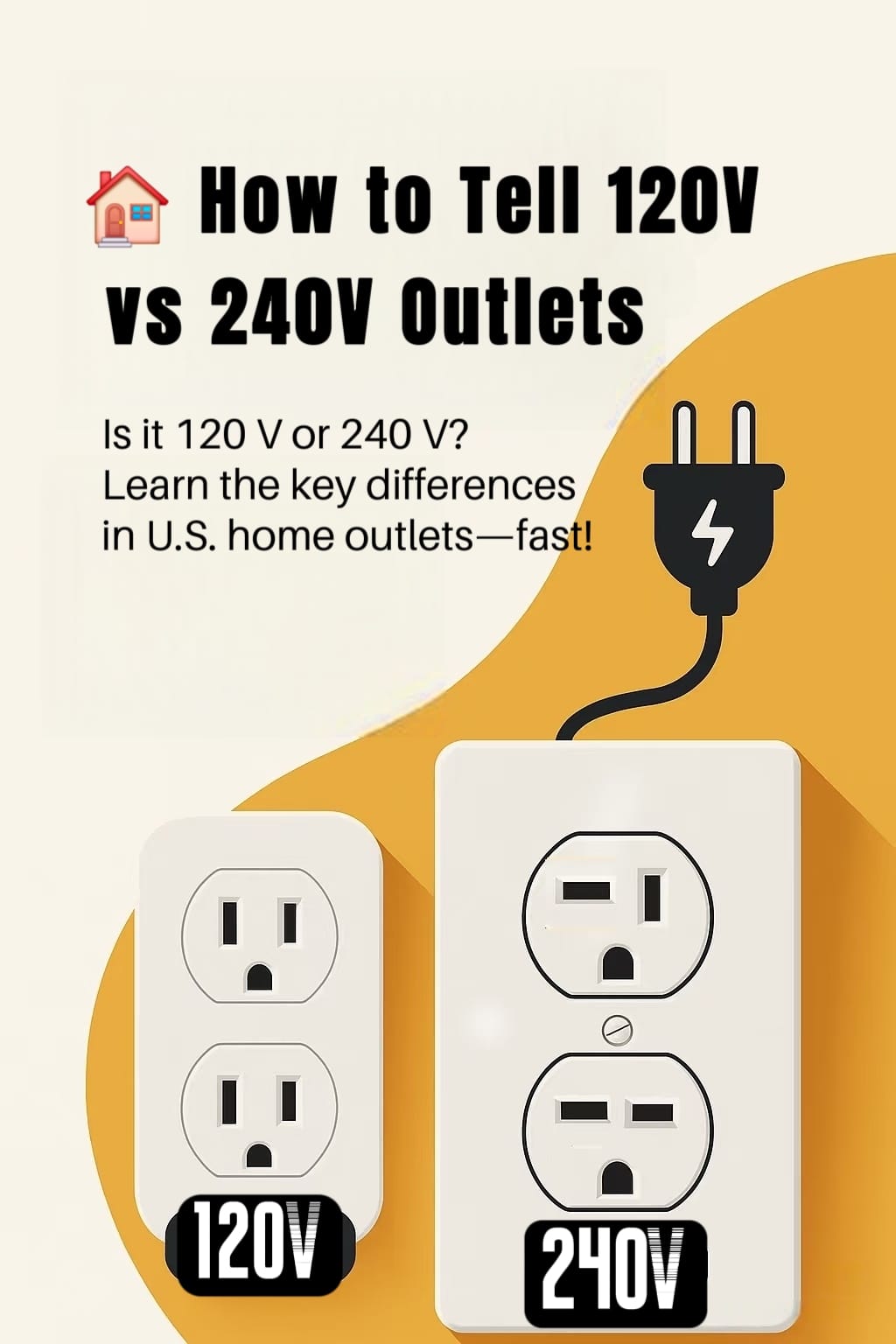
Une normeprise 120Vc’est la prise murale familière que l’on trouve dans les chambres, salons et cuisines.
Elle comporte généralement :
• deux emplacements verticaux
• un trou de mise à la terre rond

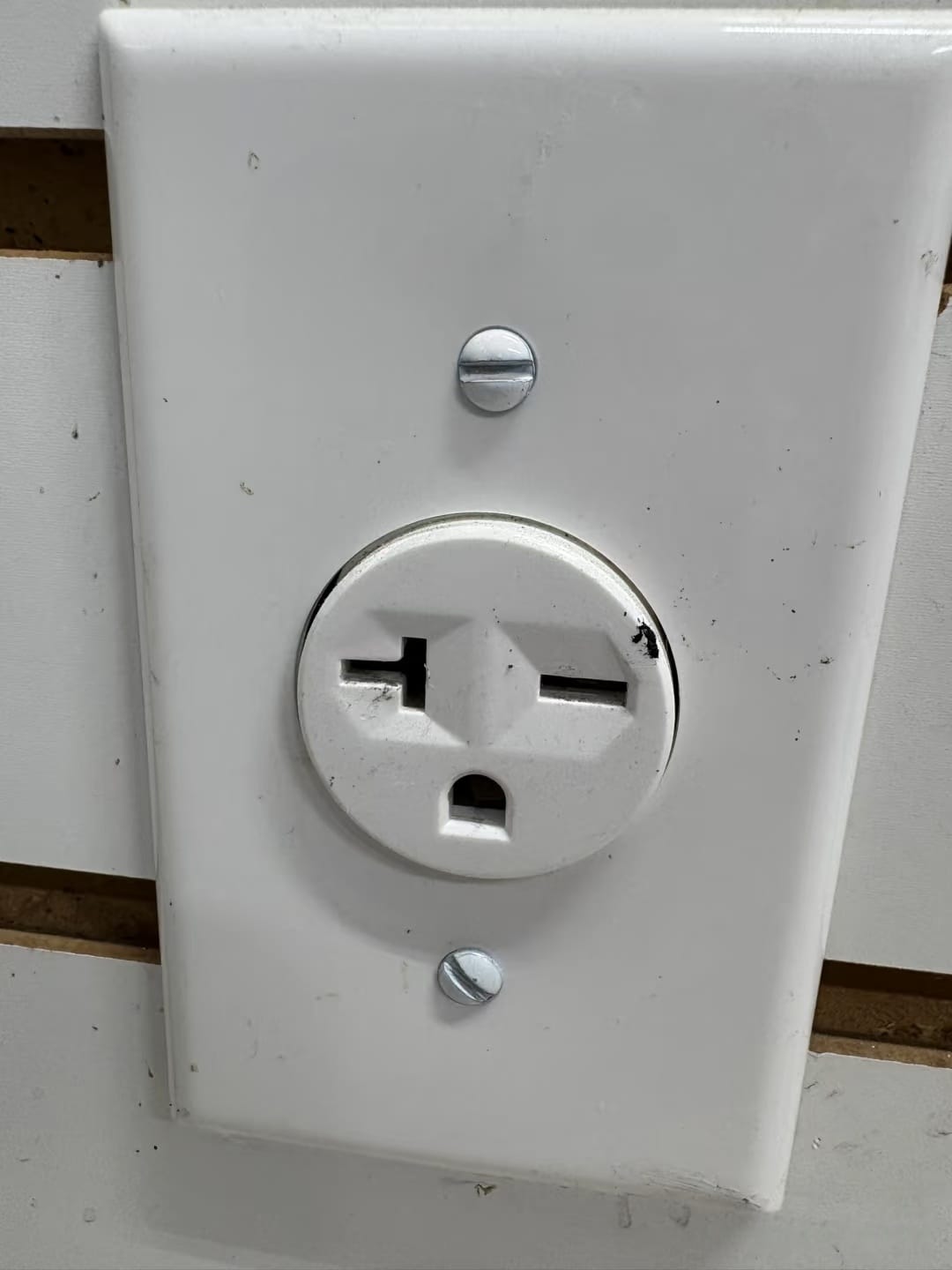
Aprise 240Vest généralement plus grand et de forme différente.
Selon l’appareil, il peut avoir :
• aFente en forme de T
•Ouvertures en forme de L
•trois ou quatre branches
Ces prises se trouvent couramment dans les buanderies, les garages, les cuisines ou près de gros appareils électroménagers.
2. Vérifiez la prise de l’appareil
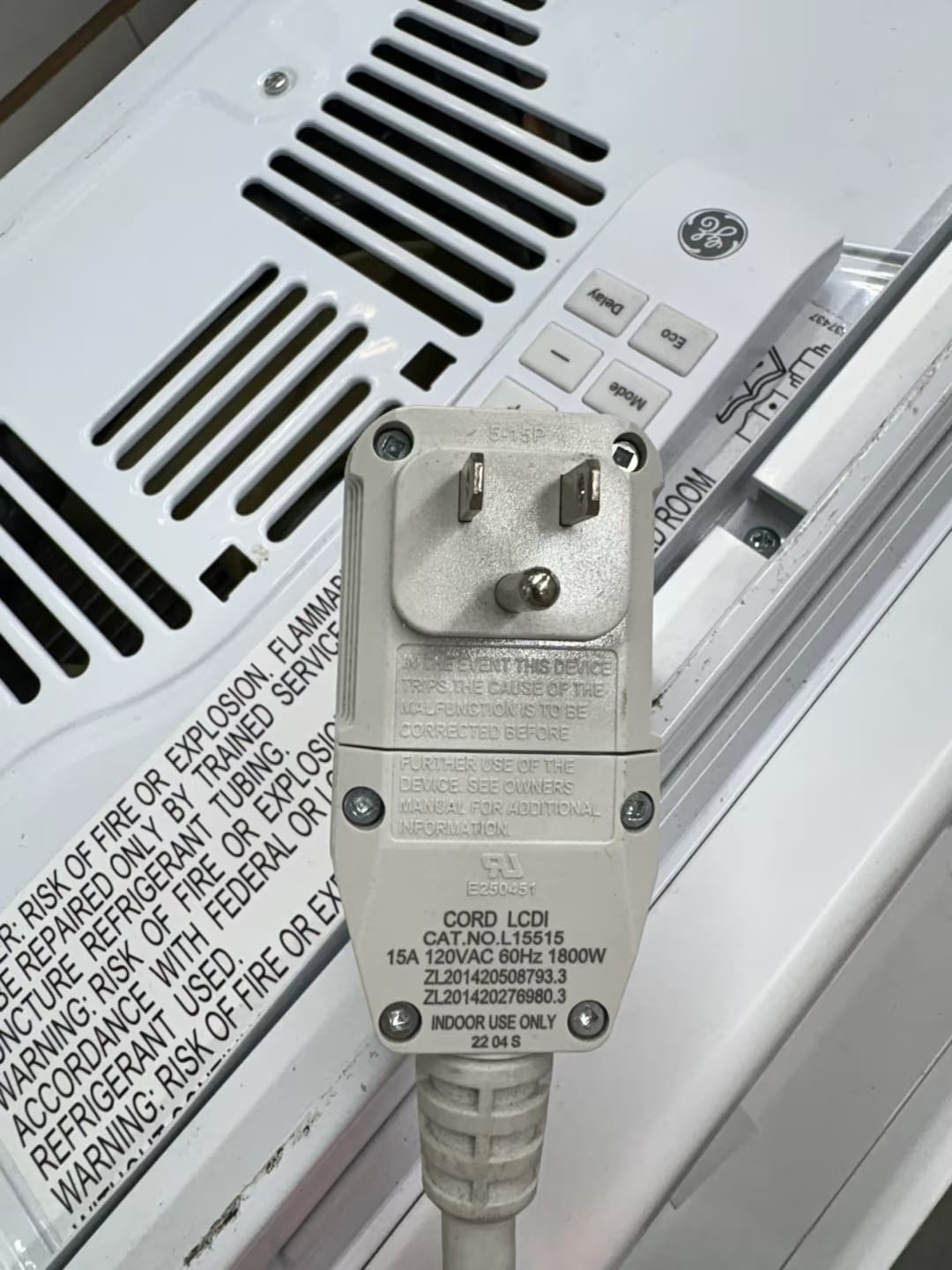
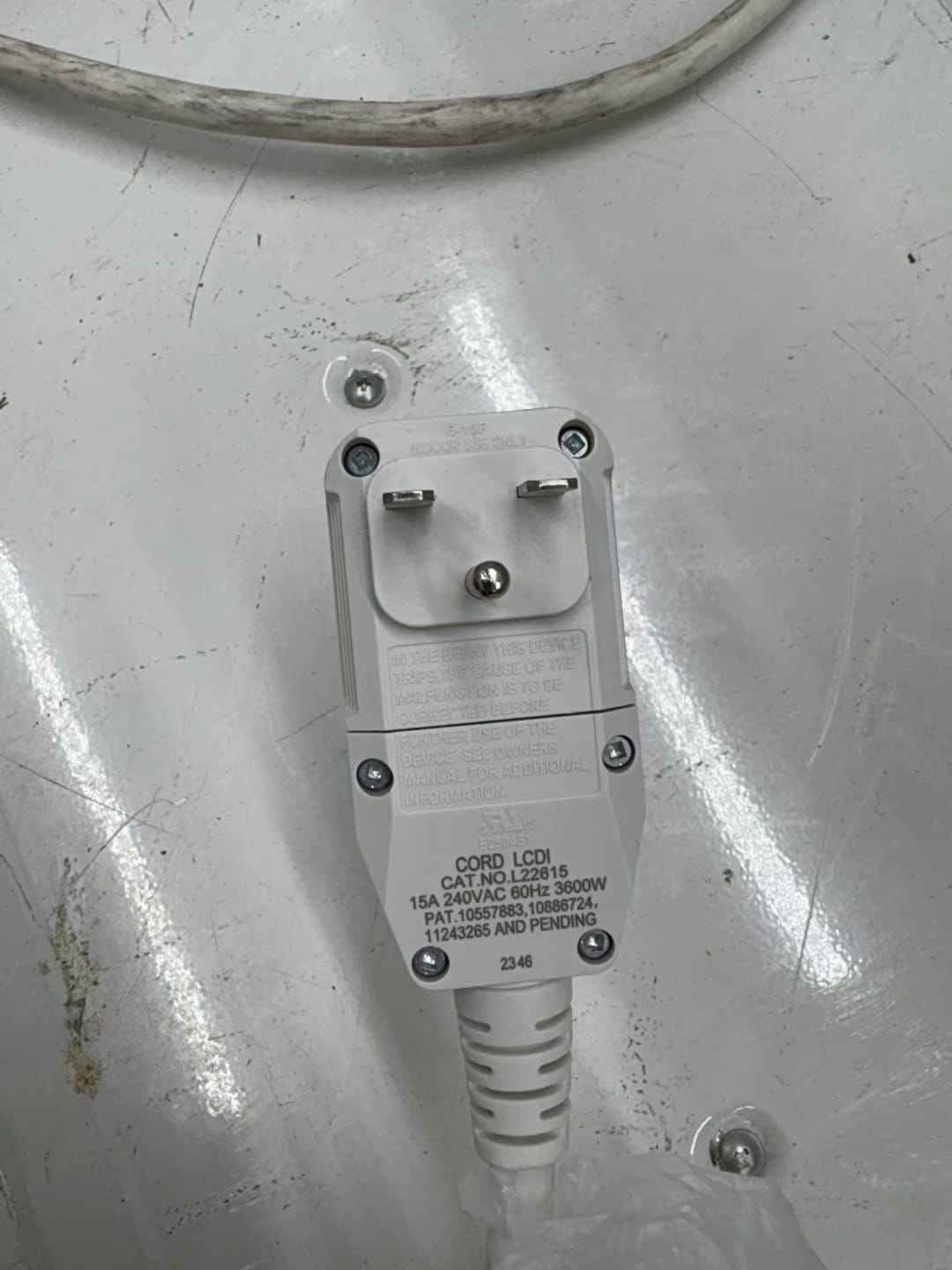
Un autre indice rapide est la prise fixée à l’appareil.
De petits appareils ménagers comme des lampes, des téléviseurs ou des cafetières sont utilisésFiches fines conçues pour prises 120V.
Les appareils électroménagers puissants tels que les sèche-linges, les cuisinières et les bornes de recharge pour véhicules électriques sont utilisésbouchons plus épais à trois ou quatre broches.
Ces fiches sont intentionnellement conçues pour qu’ellesimpossible de rentrer dans une prise standard 120V, évitant des désaccords de tension dangereux.
3. Vérifiez le tableau électrique
Si vous n’êtes toujours pas sûr, le tableau électrique offre un autre indice utile.
•Disjoncteur unipolaire → circuit 120V
•Disjoncteur bipolaire → circuit 240V
Les disjoncteurs bipolaires se connectent aux deux fils sous tension du système à phase biphasée de la maison, permettant au circuit de fournir 240 volts.
Ces disjoncteurs sont couramment étiquetés pour des appareils comme les sèche-linges, les plaques de cuisinière ou les climatiseurs.
Note de sécurité :
Vous pouvez ouvrir la porte du panneau et regarder, mais faites-leNe pas retirer les caches de panneaux ni le câblage tactileSauf si vous êtes qualifié.
4. Tester avec un testeur de tension ou multimètre
Pour une réponse définitive, les électriciens utilisent unMultimètre ou testeur de tension.
Une lecture de tension de :
•environ 120 volts → prise standard
•environ 240 volts → prise haute tension
Les propriétaires qui ne sont pas à l’aise avec des testeurs électriques devraient demander à un électricien agréé de confirmer la tension.
Comprendre les bases : 120 V contre 240 V dans les foyers américains
Avant de vérifier les formes ou les étiquettes des prises de production, il est utile de comprendrepourquoi les deux tensions existent.
La plupart des foyers américains utilisent unsystème électrique monophasé 120/240 V.
Cela signifie que votre maison reçoit deux fils « sous tension » et un neutre de la part de la compagnie d’électricité.
Selon la façon dont un circuit est câblé, il peut délivrer soit 120 volts, soit 240 volts.
Circuits 120V
- Utilisez un fil sous tension et un neutre
- Alimentation des prises murales standard
- Alimenter les appareils du quotidien et les petits appareils
Circuits 240V
- Utilisez les deux fils sous tension ensemble
- Fournir une puissance plus élevée
- Servir des équipements lourds
Petite référence :
| Tension | Appareils typiques |
|---|---|
| 120 V | Lampes, téléviseurs, ordinateurs portables, micro-ondes, cafetières |
| 240 V | Sèche-linge électriques, fours, chauffe-eau, climatisation centrale, chargeurs pour véhicules électriques |
Un point de confusion courant est la différence entrePrises 110V et 120V. En pratique, c’est la même chose. Les gens utilisent souvent ces termes de manière interchangeable, mais le câblage domestique moderne aux États-Unis est standardisé à 120V. Quand vous voyez une étiquette d’appareil qui indique « 110V », elle est simplement conçue pour fonctionner avec l’alimentation 120V actuelle.
Alors, pensez-y de cette façon :
- 120 V = la vie quotidienne
- 240 V = puissance élevée
Comprendre cette répartition est la base pour reconnaître les prises que vous utilisez chez vous.
Quand vous verrez généralement des prises de 240 V
Si vous vous promenez dans une maison américaine typique, vous verrez des dizaines de prises de 120 V, mais seulement quelques-unesprises 240V. C’est parce qu’elles sont réservées aux appareils qui ont besoin de beaucoup plus d’énergie qu’une prise standard ne peut fournir.
Voici les endroits les plus courants où vous les rencontrerez :
- Buanderies– Les sèche-linge électriques nécessitent presque toujours du 240 V. Si vous vous posez la question,« Mon sèche-linge a-t-il besoin de 240 V ? »la réponse est probablement oui, à moins qu’il ne s’agisse d’un modèle compact ou à essence.
- Cuisines– Les grands fours, les tables de cuisson et certains micro-ondes intégrés nécessitent 240 V pour gérer les éléments chauffants.
- Garages– Les chargeurs de véhicules électriques deviennent de plus en plus populaires et presque tous les chargeurs de niveau 2 nécessitent un circuit de 240 V.
- Espaces extérieurs/utilitaires– Les compresseurs de climatisation centrale, les pompes à chaleur et les pompes de puits fonctionnent généralement sur 240 V.
Conseil de pro : regardez le panneau de disjoncteurs
Si vous souhaitez une confirmation supplémentaire, votre tableau électrique peut fournir des indices :
- Disjoncteur unipolaire→ Circuit 120V
- Disjoncteur bipolaire→ Circuit 240V
Les disjoncteurs bipolaires se connectent aux deux fils sous tension du système à phase biphasée et sont couramment étiquetés pour les appareils comme les sèche-linges, les plaques de cuisinière ou les climatiseurs.
Rappel de sécurité :
Il est acceptable d’ouvrir la porte du panneau et de regarder—mais ne retirez pas les couvercles ni ne touchez le câblage à moins d’être qualifié.
En cas de doute, prenez une photo et consultez un électricien agréé.
Pouvez-vous convertir une prise 120 V en 240 V ?
Les propriétaires se demandent souvent :pouvez-vous convertir 120 V en 240 VSi vous n’avez pas déjà la bonne prise ? La réponse courte est oui — mais ce n’est pas aussi simple que de changer la prise.
Pourquoi ce n’est pas un travail de bricolage
Un circuit 240V nécessite :
- Deux fils chaudsau lieu d'un
- Adisjoncteur bipolairedans votre panneau
- Calibre de fil correct pour supporter la charge accrue
Cela signifie que convertir une prise implique de refaire le câblage depuis le tableau électrique et de s’assurer que tout est conforme au code. Essayer cela seul, sans formation adéquate, peut entraîner des risques d’incendie, des infractions au code ou des appareils endommagés.
Coûts typiques
Thecoût d'installation d'une prise 240 VÇa varie selon la distance de la prise par rapport au tableau électrique, si votre tableau dispose d’un autre disjoncteur, et si des permis sont nécessaires. En moyenne, les propriétaires dépensent :
- $250–$400pour une installation simple à proximité du panneau
- $500–$1,000+si un nouveau câblage doit traverser plusieurs pièces ou vers un garage indépendant
Si vous envisagez une future mise à niveau de rechargeuse pour VE, de pompe à chaleur ou d’un grand appareil électroménager, il est judicieux d’installer la prise 240V le plus tôt possible.
Meilleures pratiques
Engagez toujours unélectricien agréé. Non seulement le travail sera plus sûr, mais cela garantit aussi que votre installation passe l’inspection et respecte lesCode national de l'électricité (NEC).
Pourquoi vérifier la tension avant l’installation est important
Savoir si une prise est 120V ou 240V n’est pas qu’un détail technique.
Cela affecte directement :
- Compatibilité des appareils
- Sécurité de l’installation
- Planification de la mise à niveau (bornes de recharge pour VE, pompes à chaleur, chauffage électrique)
- Ou non la nécessité d’un travail professionnel
De nombreux problèmes d’installation surviennentNon pas parce que l’appareil est défectueux — mais parce que l’installation électrique a été mal comprise.
Vous ne savez pas ce que votre installation supporte ?
Si vous envisagez d’installer ou de moderniser des équipements puissants et que vous n’êtes pas totalement confiant dans la capacité électrique de votre maison, l’étape suivante n’est pas d’acheter du matériel — il s’agit de comprendre votre système dans son ensemble.
👉Découvrez comment les propriétaires planifient en toute sécurité la capacité électrique et les mises à niveau des appareils électroménagers :
→ Guide de planification électrique et énergétique à domicile
Conclusion : Résumés rapides
Les prises 120V alimentent des appareils du quotidien tels que lampes, téléviseurs et appareils de cuisine.
Les prises 240V sont conçues pour des équipements lourds comme les sèche-linges électriques, les fours, les chargeurs de VE et les grands systèmes CVC.
Vous pouvez généralement identifier la tension en vérifiant :
• la forme de la sortie
• la prise de l’appareil
• le tableau électrique
Si vous n’êtes pas sûr, utiliser un testeur de tension ou consulter un électricien agréé est la manière la plus sûre de confirmer le circuit.
Prendre quelques minutes pour vérifier la tension de prise peut éviter les dommages aux appareils électroménagers et les erreurs d’installation.
FAQ
Une prise standard peut-elle être à la fois de 120 V et de 240 V ?
Non. Ils sont câblés différemment et conçus avec des formes de prise distinctes pour éviter les accidents. Une prise est toujours l’un ou l’autre.
Est-il sécuritaire de tester avec un multimètre ?
Oui, mais seulement si vous êtes expérimenté. Un service sans contacttesteur de tension pour prises domestiquesest plus sûr pour les débutants. En cas de doute, confiez l'installation à un électricien.
Les prises intelligentes vous indiquent-elles la tension ?
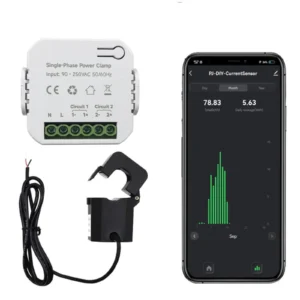
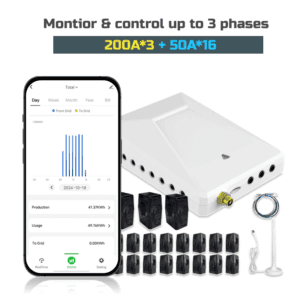
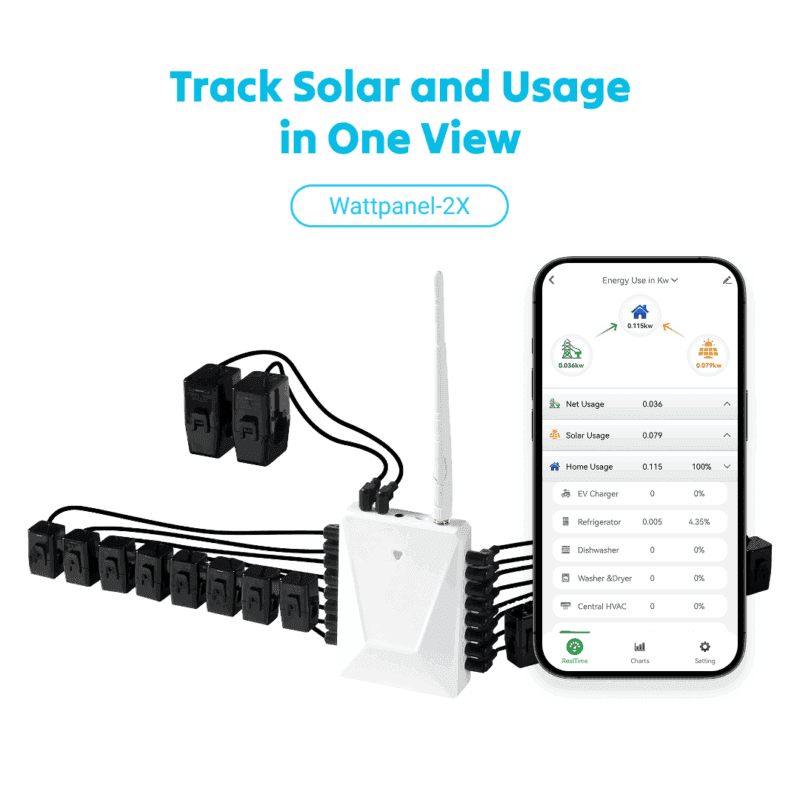
La plupart des prises intelligentes ne mesurent pas directement la tension. Ils peuvent afficher la consommation d’énergie pour les appareils 120V, mais aussi pour la surveillance complète des circuits — y comprisappareils 240V—vous aurez besoin d’un moniteur d’énergie intelligent.
Que se passe-t-il si vous branchez 120 V sur 240 V ?
Cela peut détruire l'appareil instantanément. Voilà pourquoiPrise de sécurité 120V 240VCela compte tellement : les fiches et les prises des appareils électroménagers sont volontairement conçues pour ne pas s’adapter les unes aux autres.
Mon sèche-linge a-t-il besoin de 240 V ?
La plupart des sèche-linge électriques de grande taille aux États-Unis nécessitent effectivement du 240V. Les sèche-linges compacts et les sèche-linges à gaz peuvent n’utiliser que du 120V, il faut donc toujours vérifier l’étiquette avant d’acheter ou d’installer.