Identifizieren Sie diesen Geruch: Leitfaden zur Gasgeruchssicherheit und Risikoniveaus
If you notice a strange smell at home, your next step depends on what it smells like, where it’s strongest, and how intense it is. This guide helps you quickly assess the risk level and choose the safest action—then jump to a detailed guide for your specific smell.
Mach das zuerst (falls du ein Gasleck vermutest).
• If the smell is strong, worsening, or you feel unsafe, leave the area and contact your gas utility or emergency services.
• Vermeiden Sie Flammen/Funken. Versuche nicht, den Geruch mit Feuerzeugen oder Schaltern zu "testen".
• Belüften Sie nur, wenn es sicher ist, und Sie können es auf dem Weg nach draußen schnell tun.
Schwefelgeruch (mittel–hoch)
Es könnte Gasgeruch oder Abwassergas sein – der Standort ist entscheidend
Benzin / Chemischer Geruch (Variable)
Üblich in Garagen/Kellern; manchmal gar kein Gas
Süßer Geruch (Variable)
Man kann auf Kältemittel- oder chemische Quellen in der Nähe von HLK verweisen.
Wie riecht ein Gasleck?
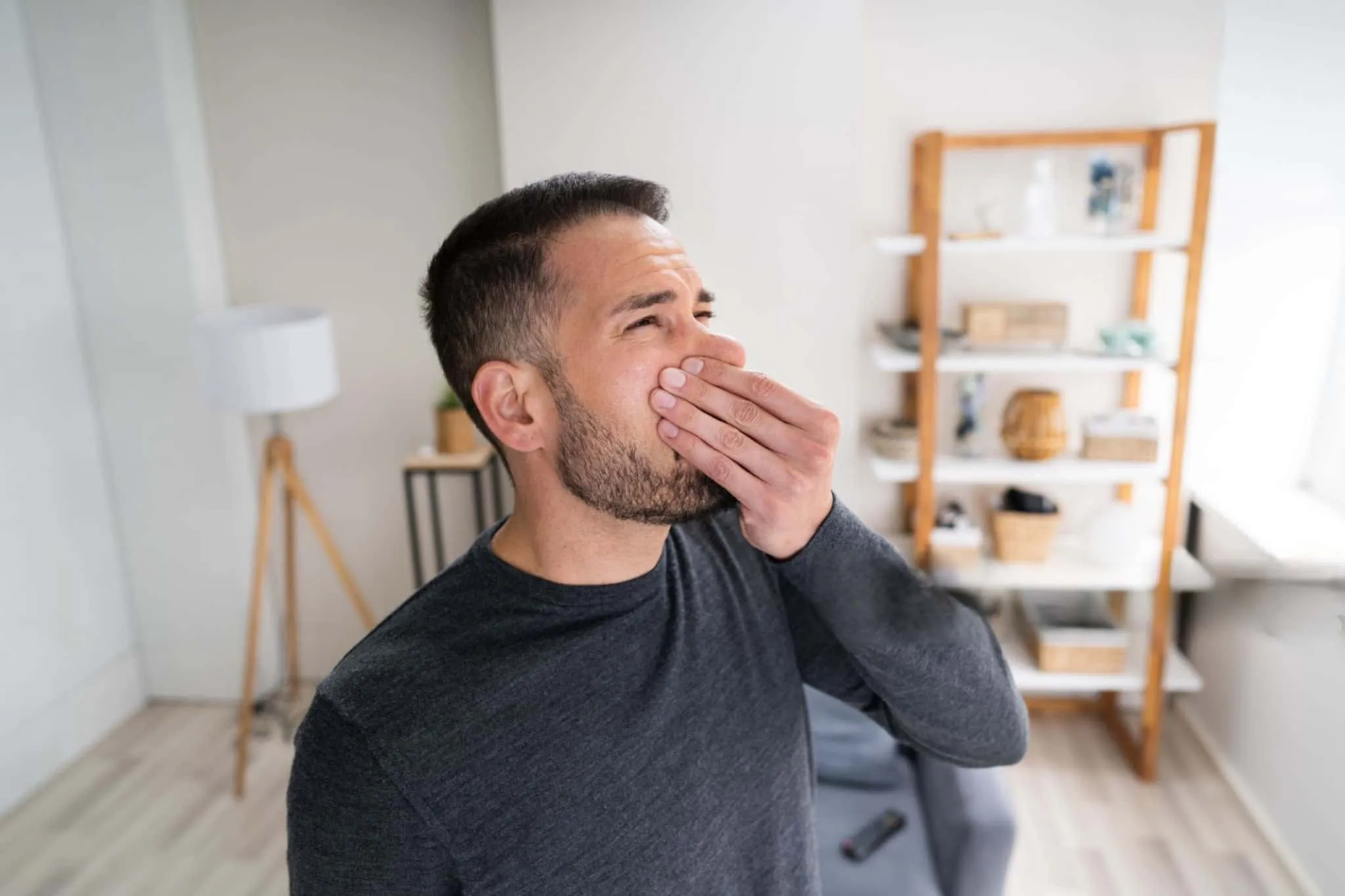

Was tun, wenn Sie Gas in Ihrem Haus riechen
Schnelle Identifikationstabelle: Geruch → Risikostufe → sicherster nächster Schritt
Geruchstyp | Riecht nach | Die häufigsten Ursachen | Risikolevel | Wo es am stärksten ist | Was jetzt zu tun ist | Lesen Sie den vollständigen Leitfaden |
|---|---|---|---|---|---|---|
Faules Ei | Schwefel, "faule Eier" | Erdgasgeruch (mögliches Leck) | Hoch | In der Nähe von Gasherd, Warmwasserbereiter, Ofenbereich | Wenn es stark oder schlimmer wird, verlassen Sie das Unternehmen und wenden Sie sich an Ihr Gasversorger/Notfalldienste. Vermeide Flammen/Funken. | |
Schwefel | Schwefel, abwasserähnlich | Gasgeruch ODER Abwassergas | Mittel–Hoch | in der Nähe von Abflüssen/Badezimmern ODER in der Nähe von Gasgeräten | Check where it’s strongest (drain vs appliance). If strong near gas appliances, treat as urgent and contact your utility. | |
Benzin / Chemisch | Kraftstoff, Lösungsmittel, Farbverdünner | gelagerte Brennstoffe, Lösungsmittel, Farbe/Klebstoffe, Garagenquellen; manchmal HLK/Lüftung | Variable | Garage, Keller, Lager, in der Nähe von Chemikalien | Check where it’s strongest (drain vs appliance). If strong near gas appliances, treat as urgent and contact your utility. | |
Süß | süß/chemisch, "kühlmittelähnlich" | Kältemittelleck, chemische Gerüche durch die Klimaanlage, andere Haushaltschemikalien | Variable | In der Nähe von Lüftungsschlitzen, Heizungs- und Klimaschrank, Klimaanlagenbereich | Belüfte, wenn sicher. Vermeiden Sie eine längere Exposition. Zieh eine HLK-Inspektion in Betracht, falls es persistent ist. |
Zwei schnelle Hinweise: Wo riecht der stärkste Geruch?
In der Nähe eines Gasgeräts (Herd, Warmwasserbereiter, Heizung)
Leitfäden nach Geruchstyp
Fäuler Eiergeruch (Hochrisiko)
A rotten-egg or sulfur-like odor indoors is often treated as higher risk because it can be associated with natural gas odorant.
The fastest clue is location: if it’s strongest near a gas stove, water heater, or furnace area, treat it as urgent.
If you feel unsafe or the smell is strong/worsening, leave and contact your gas utility or emergency services.
Schwefelgeruch (mittel–hoch)
“Sulfur” odors can overlap between gas odorant and sewer gas, so where it’s strongest matters most.
If the smell concentrates near drains, bathrooms, or floor drains, sewer sources are more likely; if it concentrates near gas appliances, treat it as higher urgency.
Wenn der Geruch intensiv, anhaltend oder Symptome verursacht, priorisieren Sie die Sicherheit und steigern Sie die Dosis.
Benzin / Chemischer Geruch (Variable)
Gasoline-like or solvent odors indoors often come from garages, basements, stored fuel, paint, adhesives, or cleaning chemicals—not always natural gas.
Konzentriere dich auf den stärksten Standort und aktuelle Haushaltstätigkeiten (Lagerung, Malerei, Ausrüstung).
Reduce exposure, ventilate if safe, and remove obvious sources. If the smell persists, spreads, or causes symptoms, consider professional inspection.
Süßer Geruch (Variable)
A sweet or “coolant-like” smell is often discussed around HVAC/refrigerant issues, especially if it’s strongest near vents, an HVAC closet, or when heating/cooling runs.
Da einige Haushaltschemikalien auch süß riechen können, sind Zeitpunkt und Ort entscheidende Hinweise.
Vermeiden Sie eine längere Exposition und ziehen Sie eine HLK-Prüfung in Betracht, falls sie anhält oder sich verschärft.
Wenn Gerüche schwer zu erkennen sind
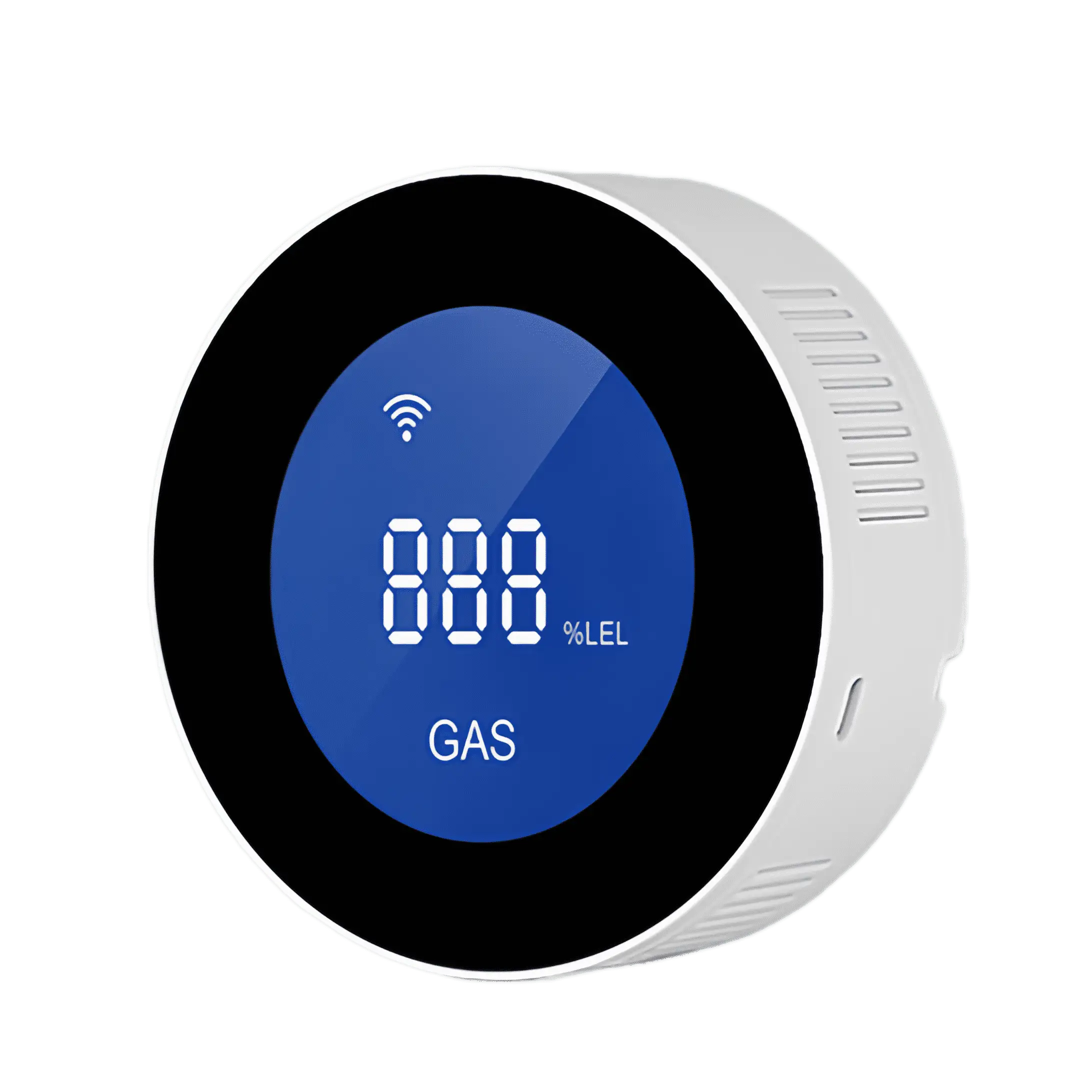
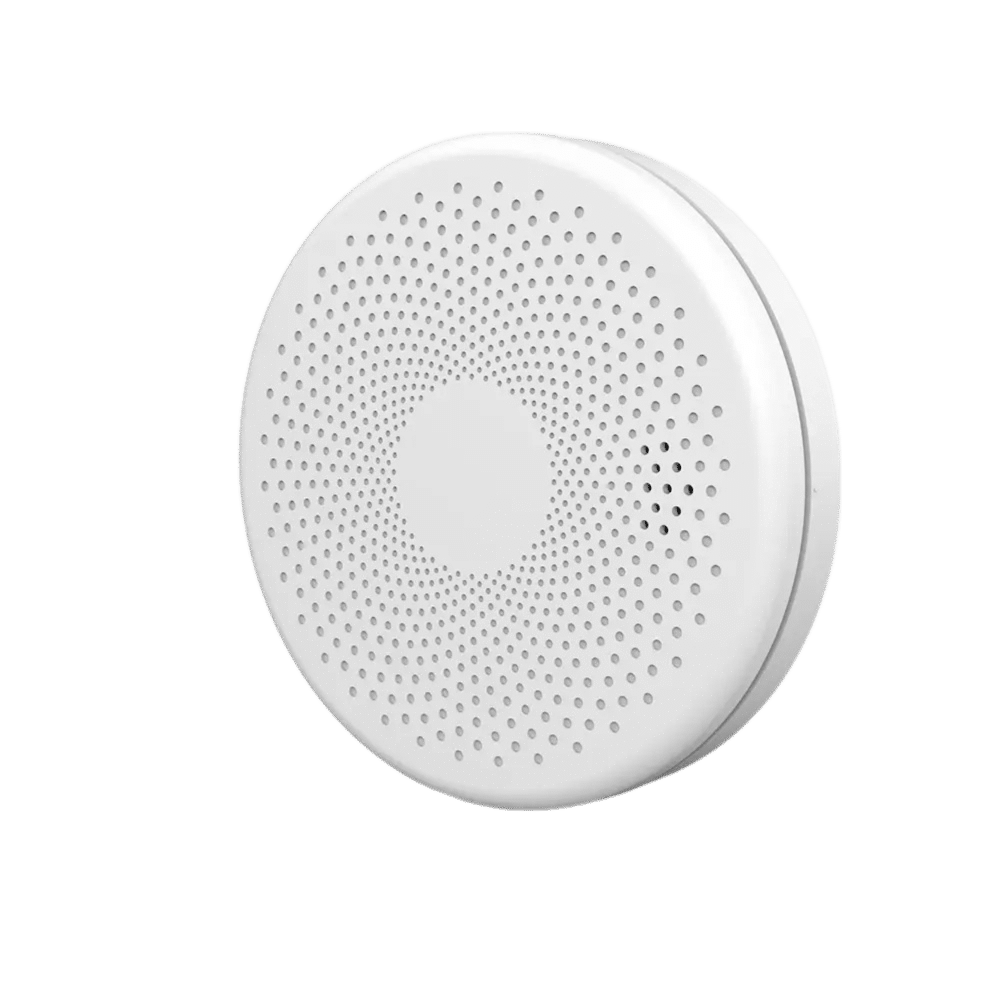
Smells can come and go, and it isn’t always easy to pinpoint the source. If you want an added layer of awareness near key gas appliances, many homeowners use a plug-in gas detector to provide an on-site alarm and optional app alerts when abnormal gas levels are detected.
FAQ
Kann Abwassergas wie faule Eier oder Schwefel riechen?
Yes. Sewer-related odors are commonly strongest near drains or rarely used bathrooms. Location and persistence are key clues.
DO YOU CHARGE ESTIMATES?
Ventilation, temperature changes, appliance cycles, and dry drain traps can all make odors intermittent. Recurring smells still deserve attention.
ARE YOUR ELECTRICIANS LICENSED?
Place it near key gas appliances and in areas where a leak would be most concerning (such as kitchens or utility spaces). Follow the manufacturer’s placement guidance for the specific device.
WHAT PAYMENT METHODS DO YOU ACCEPT?
Some people report headaches, nausea, or dizziness around strong odors. If you suspect a leak or feel unsafe, prioritize leaving the area and contacting your gas utility or emergency services.
Hast du noch Fragen?
Wir sind nur eine Nachricht entfernt

Anbieter von Lösungen für Energieeffizienz und Sicherheit im Haushalt
©2025 Alle Rechte vorbehalten. Grus IoT Co., Ltd.