
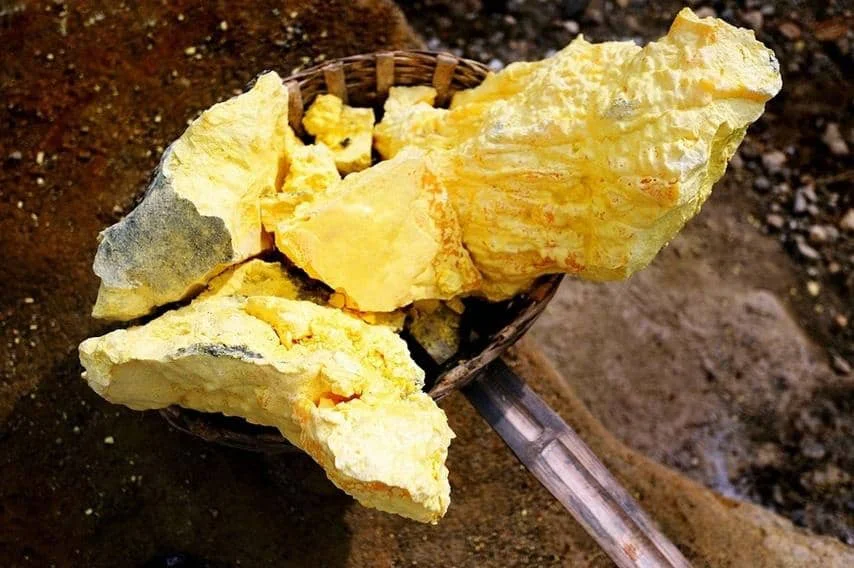
Einführung
Walking into your home and being hit by a sulfur-like smell is immediately alarming.
For many homeowners, the first thought is unavoidable:Is this a gas leak?
Natural gas is odorized with mercaptan to smell like rotten eggs, but in real homes, odors are rarely that clear. Many people perceive gas leaks as sulfur, burnt matches, or even gunpowder. At the same time, several non-gas issues can create very similar sulfur smells.
That overlap makes sulfur odors one of themost commonly misjudged indoor safety signals.
This guide is not about guessing or memorizing smells. It is a practical triage system designed to help you identify the most likely source, rule out common plumbing and equipment issues, and recognize the point at which a sulfur smell must be treated as a gas emergency.
The Sulfur Smell Spectrum: Why Context Matters
Not all sulfur smells indicate the same risk. Thecharacterof the odor often reveals the source.
| Smell Character | Likely Source | Risikolevel |
|---|---|---|
| Sewage / musty / stagnant | Sewer gas (dry drain, venting) | Low–Medium |
| Sulfur only with hot water | Water heater chemistry | Low |
| Sharp sulfur / rotten eggs | Erdgas | Hoch |
| Burnt match / stinging | Electrical or battery off-gassing | Mittel–Hoch |
Understanding where your situation fits in this spectrum determines the correct response.
Sulfur Smell From the Water Heater (Most Common Cause)
If the sulfur smell appearsonly when hot water is running, the issue is almost always internal to the water system, not the air.
Why hot water smells like sulfur
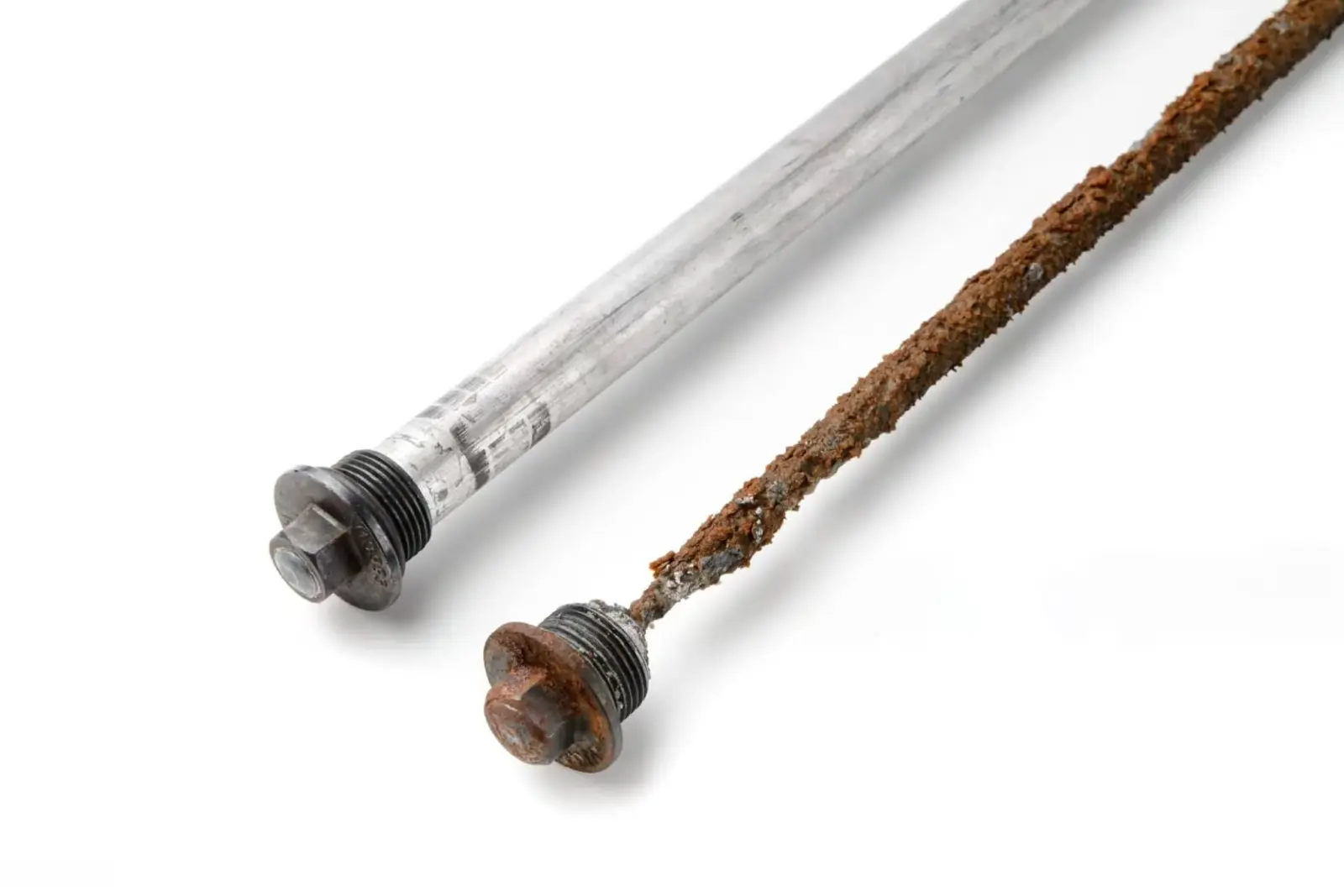
Water heaters use a sacrificialanode rod—usually magnesium—to protect the tank from corrosion. In homes with well water or high sulfate content, bacteria can react with this rod and produce hydrogen sulfide gas inside the water.
This odor travels with the hot water, not through the air.
How to confirm
- Fill a glass with hot water and move to another room. Smell it.
- Repeat with cold water.
If only the hot water smells, the source is the heater.
What to do
Replacing the magnesium anode rod with an aluminum-zinc alloy rod typically resolves the issue.
This is a nuisance problem, not a gas leak.
Sulfur Smell From a Drain or Bathroom
If the smell resembles sewage or stagnant water and seems localized to a bathroom, basement, or laundry area,sewer gasis the most likely cause.
How sewer gas enters the home
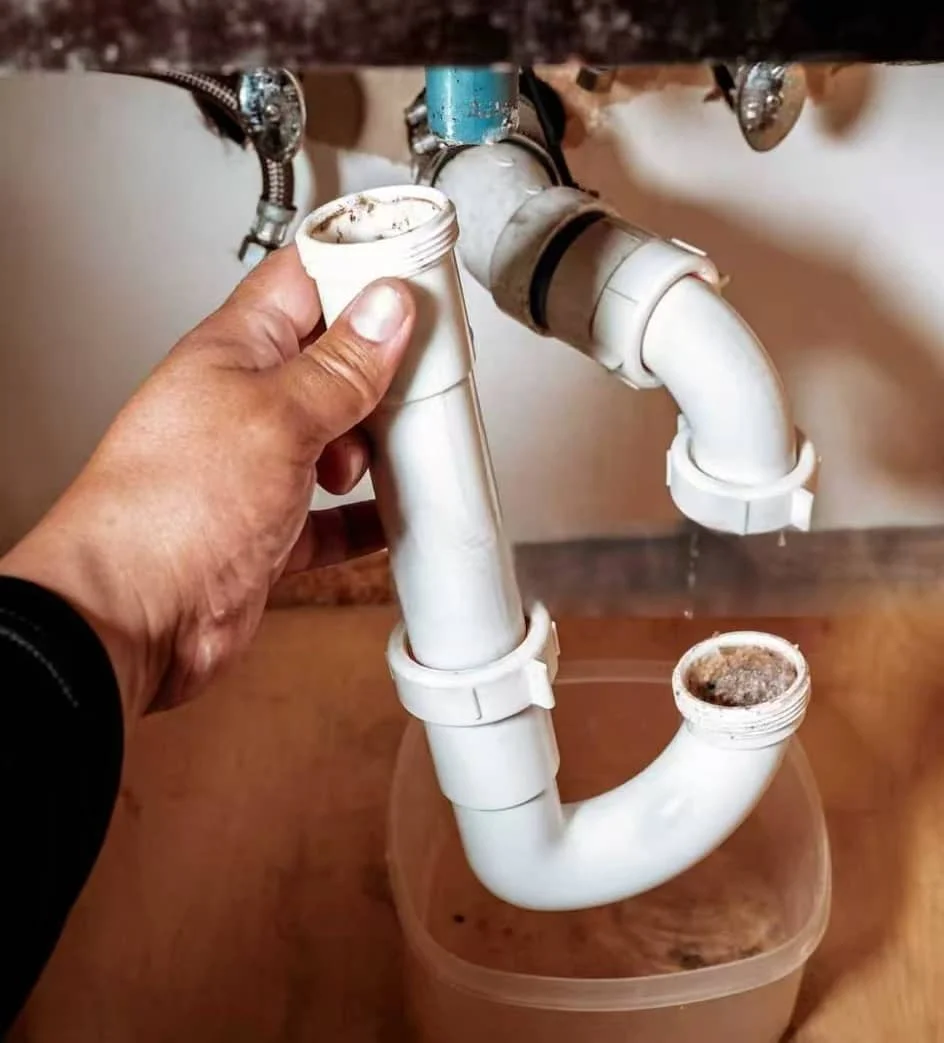
Plumbing systems rely onP-traps—U-shaped pipes that hold water to block sewer gases. When a drain goes unused for weeks, the water evaporates, breaking the seal.
The water test
- Run water for 30–60 seconds into the suspected drain
- Wait 20–30 minutes
If the smell disappears, the trap was dry.
When it’s not the P-trap
If the odor persists, the cause may be a cracked vent pipe or a failed toilet seal. These require a plumber, but they arenot combustible gas emergencies.
Other Hidden Sources: Batteries and Electrical Equipment
A lesser-known but serious source of sulfur smells is afailing lead-acid battery.
Backup sump pump systems, UPS units, mobility devices, or golf carts can emit a sharp sulfur or rotten-egg odor when overcharging or failing. This indicates hydrogen sulfide release and presents a fire and health hazard.
While this is not natural gas, it requires immediate attention and safe disconnection.
When a Sulfur SmellDoesMean a Gas Leak
This is the critical distinction.
Mercaptan—the odorant added to natural gas—is itself a sulfur compound. In lower concentrations or mixed with household odors, a gas leak may register simply as “sulfur” rather than a strong rotten egg smell.
Treat the situation as apotential gas leakif any of the following apply:
- The smell persists across rooms and is not tied to water use or drains
- You hear hissing or whistling near a gas appliance or pipe
- The odor becomes stronger in a basement or utility area
- You or pets experience dizziness, nausea, or headaches
- Outdoor vegetation near the gas line appears dead or discolored
The Danger of Relying on Smell Alone
One of the biggest risks with sulfur odors isolfactory fatigue.
After minutes of exposure, the human nose adapts and stops registering the smell—even if gas concentration is increasing. A fading odor does not mean the danger has passed.
This is why smell alone is an unreliable safety indicator.
When to Stop Diagnosing and Act
If you cannot clearly link the sulfur smell tohot water or a specific drain within about one minute, stop investigating.
- Evacuate everyone immediately
- Do not touch switches, appliances, or electronics
- Call your gas utility or emergency services from outside
Why Modern Gas Safety Doesn’t Rely on Guessing
Sewer gas is unpleasant.
Natural gas is explosive.
The problem is that the human nose struggles to distinguish between them—especially under stress or at night.
This is why modern home safety relies oncontinuous monitoring, not perception. Gas detectors measure combustible gas concentration relative to theLower Explosive Limit (LEL)and do not suffer from fatigue or misinterpretation.
Knowing the difference determines whether you call a plumber—or leave the house.
Can a gas leak smell like sulfur instead of rotten eggs?
Yes. Natural gas is odorized with a sulfur-based compound. In lower concentrations, it may smell like sulfur or burnt matches rather than a strong rotten egg odor.
Why does my hot water smell like sulfur but the air does not?
This usually indicates a chemical reaction inside the water heater, most commonly involving the anode rod—not a gas leak.
Is sewer gas dangerous if my house smells like sulfur?
Sewer gas is unhealthy and unpleasant but is not explosive like natural gas. Persistent sewer odors still require plumbing repair.
Should I call the gas company if I smell sulfur in my house?
If you cannot clearly identify the source as hot water or a drain, or if the smell persists, treat it as a potential gas leak and contact your gas utility from outside.
Why does the sulfur smell sometimes disappear on its own?
This is often due to olfactory fatigue. Your sense of smell adapts even if the source remains.
Still unsure what the sulfur smell means in your home?
Learn how homeowners evaluate different gas-related smells, compare risk levels, and decide when to act in our complete
Gas Smell Safety Guide.