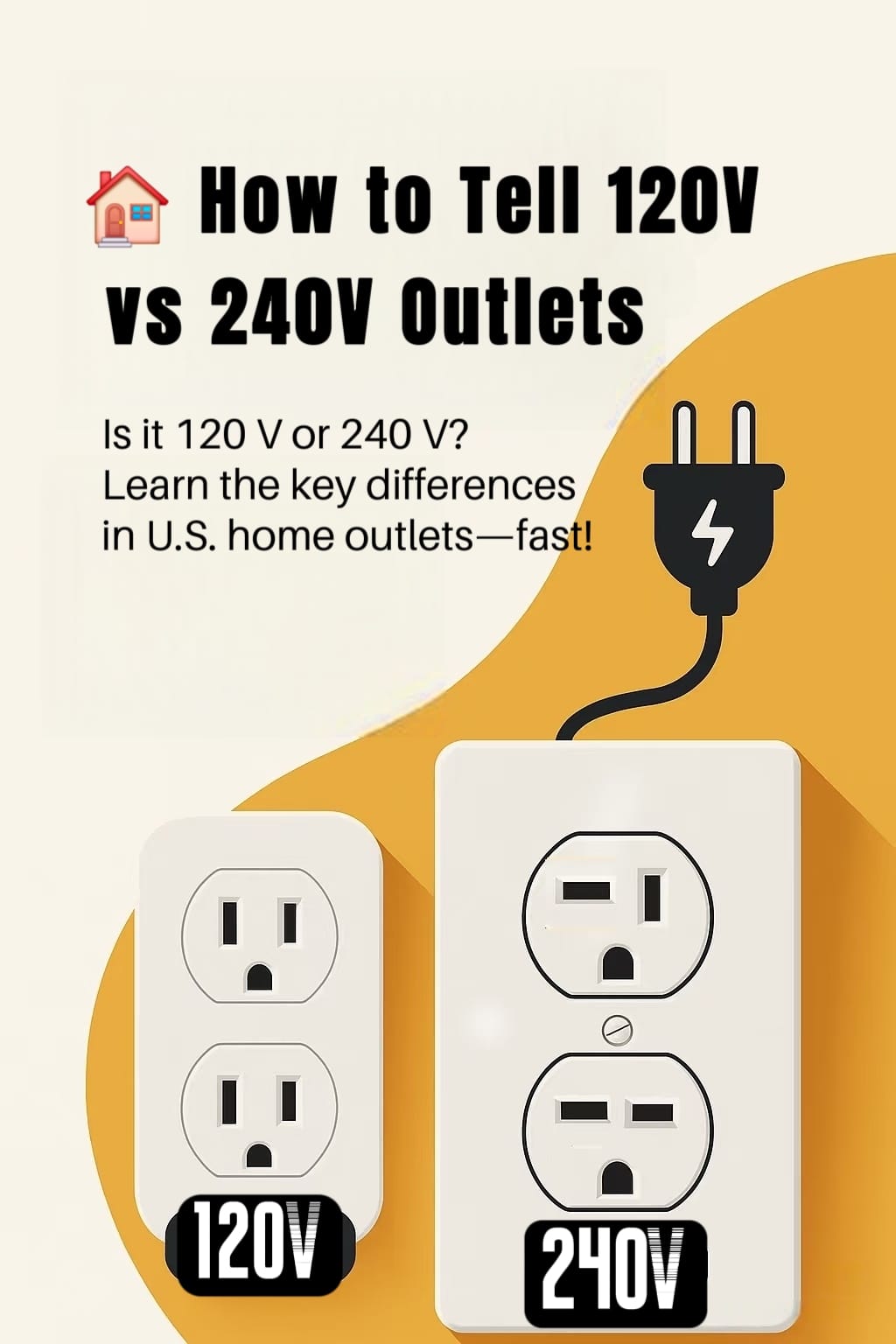
In U.S. homes, most outlets provide120 Volt, while high-power appliances use240 Volt.
The fastest way to tell the difference is to checkthe outlet shape, the appliance plug, or the breaker panel.
Quick ways to identify outlet voltage
| Überprüfen | 120V Outlet | 240V Outlet |
|---|---|---|
| Outlet shape | Two vertical slots + ground | Larger outlet with different slot patterns |
| Plug type | Thin two-prong or three-prong plug | Thick 3- or 4-prong plug |
| Breaker | Einpoliger Leistungsschalter | Zweipoliger Leistungsschalter |
| Typical use | Lamps, TVs, kitchen appliances | Dryers, ovens, EV chargers |
Most homes have dozens of 120V outlets but only a few 240V outlets for heavy-duty equipment.
The sections below explain how to confirm the voltage safely before installing an appliance.
So erkennen Sie schnell, ob eine Steckdose 120 V oder 240 V hat
The easiest way to identify outlet voltage is bylooking at the outlet design and the appliance plug.
Here are the four most reliable checks homeowners use.
1. Schauen Sie sich die Auslassform an
A standard120-V-Steckdoseis the familiar wall outlet found throughout bedrooms, living rooms, and kitchens.
It usually has:
• two vertical slots
• one round grounding hole

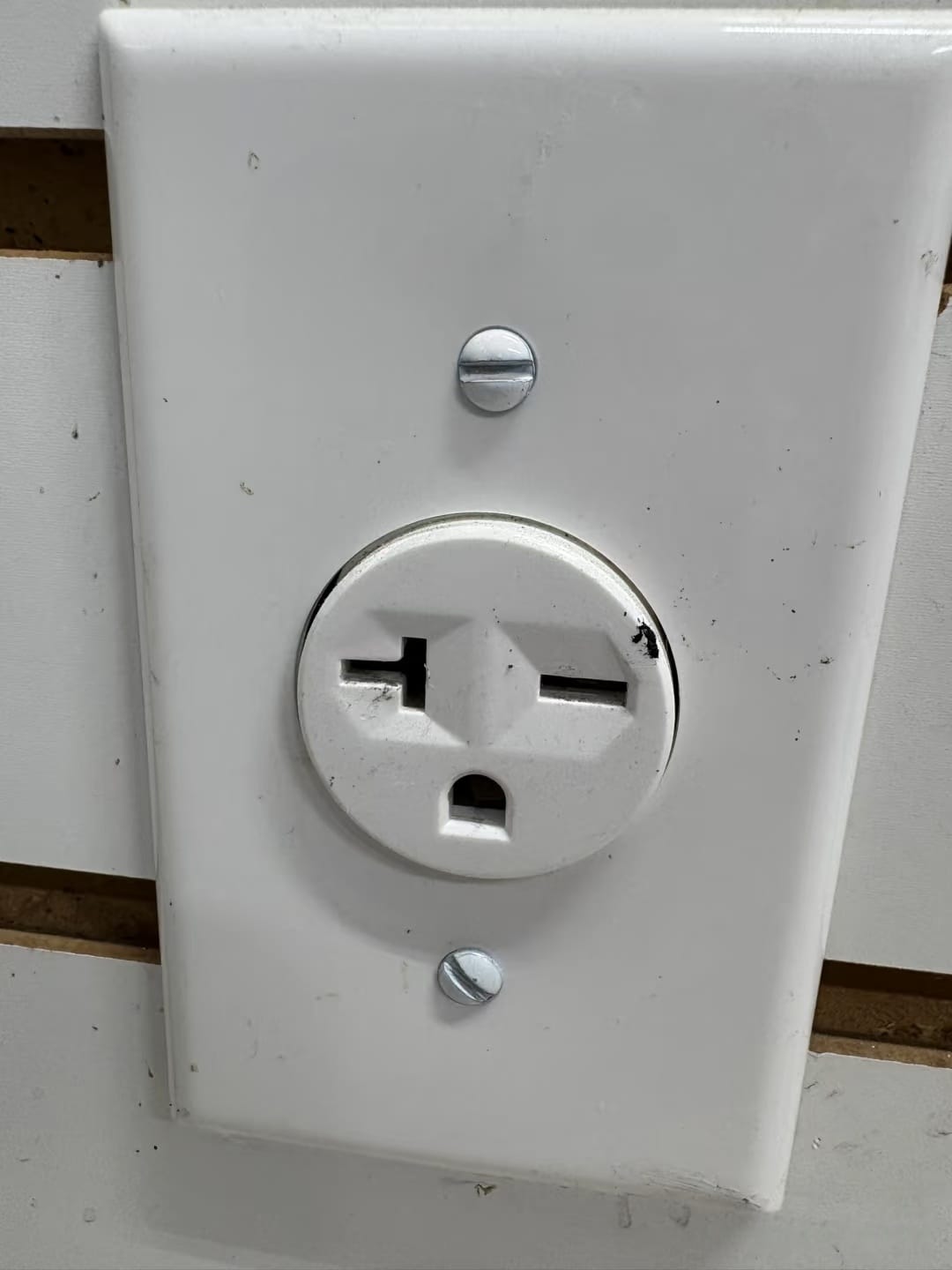
A240-V-Steckdoseis usually larger and shaped differently.
Depending on the appliance, it may have:
• aT-shaped slot
•L-shaped openings
•three or four prongs
These outlets are commonly found in laundry rooms, garages, kitchens, or near large appliances.
2. Check the Appliance Plug
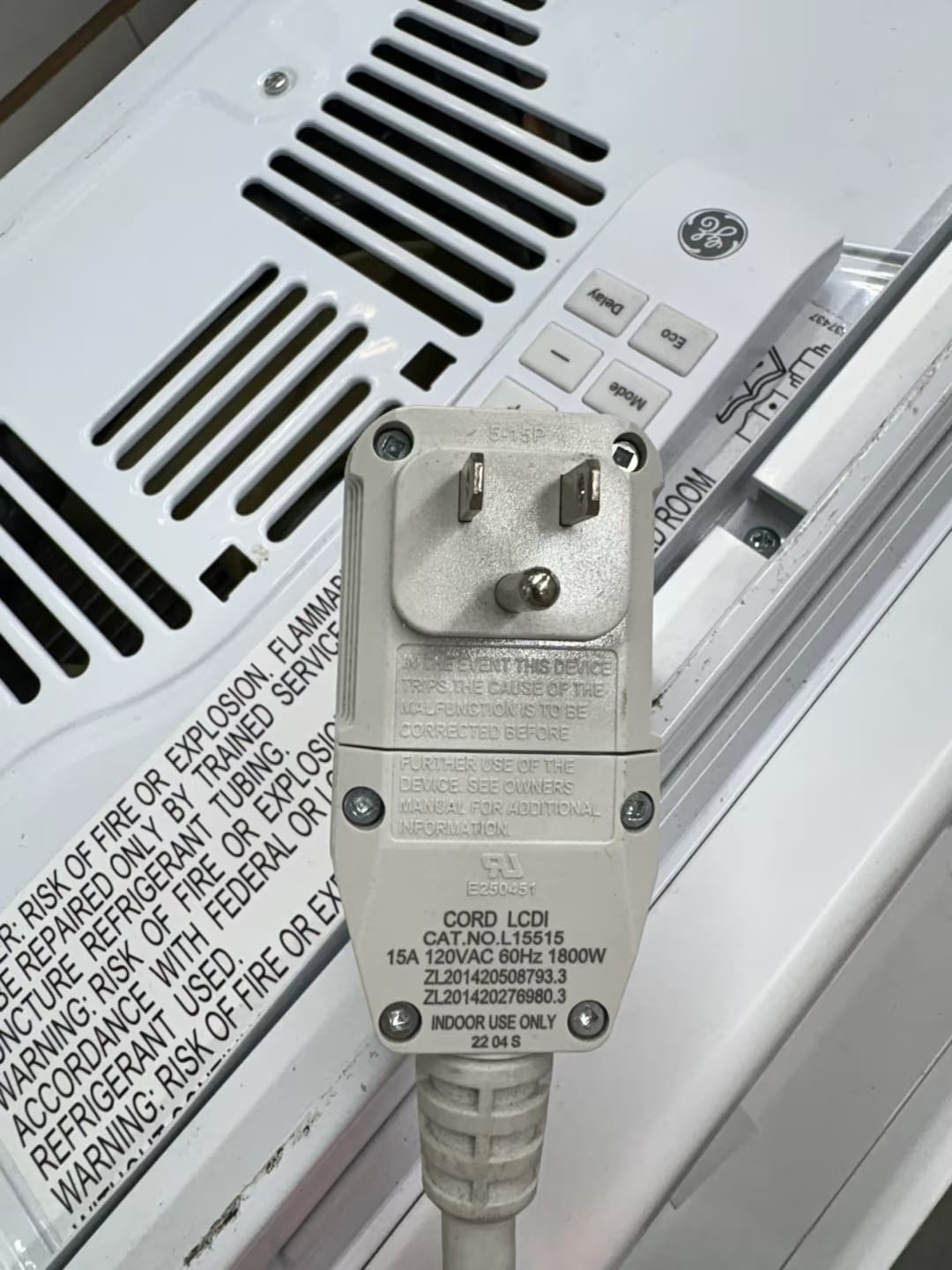
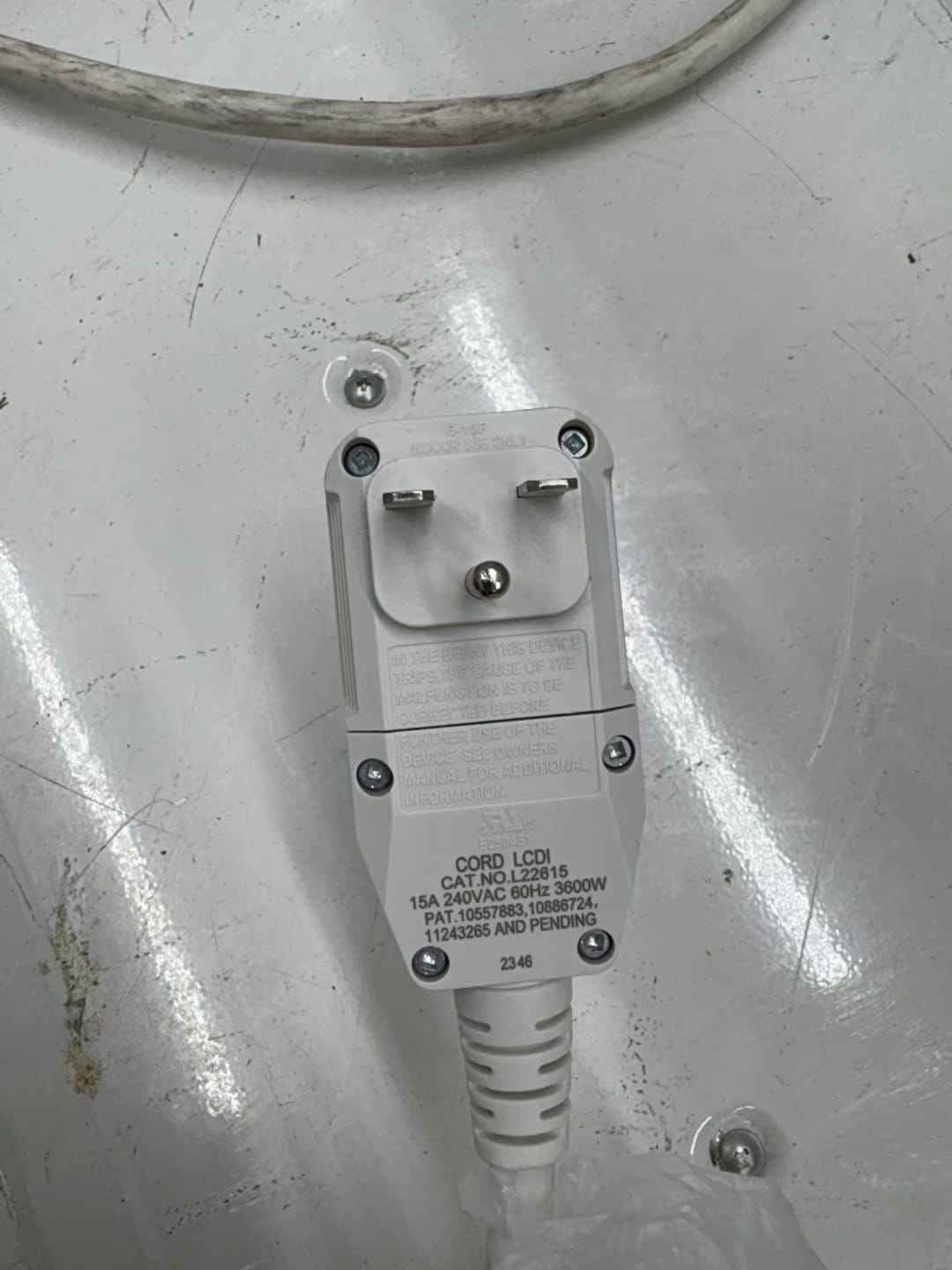
Another quick clue is the plug attached to the appliance.
Small household devices like lamps, TVs, or coffee makers usethin plugs designed for 120V outlets.
High-power appliances such as dryers, ranges, and EV chargers usethicker plugs with three or four prongs.
These plugs are intentionally designed so theycannot fit into a standard 120V outlet, preventing dangerous voltage mismatches.
3. Check the Breaker Panel
If you're still unsure, the breaker panel provides another useful clue.
•Single-pole breaker → 120V circuit
•Double-pole breaker → 240V circuit
Double-pole breakers connect to both hot wires in the home’s split-phase system, allowing the circuit to deliver 240 volts.
These breakers are commonly labeled for appliances like dryers, ranges, or air conditioners.
Safety note:
You can open the panel door and look, but donot remove panel covers or touch wiringunless you are qualified.
4. Test with a Voltage Tester or Multimeter
For a definitive answer, electricians use amultimeter or voltage tester.
A voltage reading of:
•around 120 volts → standard outlet
•around 240 volts → high-voltage outlet
Homeowners who are not comfortable using electrical testers should ask a licensed electrician to confirm the voltage.
Die Grundlagen verstehen: 120 V vs. 240 V in US-Haushalten
Bevor Sie die Form oder Etiketten der Steckdosen überprüfen, ist es hilfreich, das zu verstehenWarum beide Spannungen existieren.
Die meisten US-Haushalte verwenden eineTeilphasen-120/240V-Elektrosystem.
Das bedeutet, dass dein Haus zwei "Phasen" und einen Neutralleiter vom Netz erhält.
Je nachdem, wie ein Stromkreis verdrahtet ist, kann er entweder 120 Volt oder 240 Volt liefern.
120-V-Stromkreise
- Verwenden Sie einen Phasenleiter und einen Neutralleiter
- Standard-Wandsteckdosen liefern
- Elektrische Alltagsgeräte und kleine Geräte
240-V-Stromkreise
- Verwende beide stromführende Drähte zusammen
- Höhere Leistung liefern
- Bedienung schwerer Ausrüstung
Kurze Referenz:
| Stromspannung | Typische Geräte |
|---|---|
| 120 V | Lampen, Fernseher, Laptops, Mikrowellen, Kaffeemaschinen |
| 240 V | Elektrische Trockner, Öfen, Warmwasserbereiter, zentrale Klimaanlage, Ladegeräte für Elektrofahrzeuge |
Ein häufiger Punkt der Verwirrung ist der Unterschied zwischen110-V- und 120-V-Steckdosen. In practice, they’re the same thing. People often use the terms interchangeably, but modern household wiring in the U.S. is standardized at 120V. When you see an appliance label that says “110V,” it’s simply designed to work with today’s 120V supply.
Stellen Sie es sich so vor:
- 120 V = Alltag
- 240 V = hohe Leistung
Understanding this split is the foundation for recognizing which outlets you’re dealing with in your own home.
Wann Sie normalerweise 240-V-Steckdosen sehen
Wenn Sie durch ein typisches US-Haus gehen, werden Sie Dutzende von 120-V-Steckdosen sehen – aber nur wenige240-V-Steckdosen. That’s because they’re reserved for appliances that need a lot more power than a standard plug can provide.
Hier sind die Orte, an denen Sie ihnen am häufigsten begegnen:
- Waschküchen– Elektrische Trockner benötigen fast immer 240V. Wenn Sie sich fragen,„Benötigt mein Trockner 240 V?“Die Antwort lautet wahrscheinlich „Ja“ – es sei denn, es handelt sich um ein Kompakt- oder Benzinmodell.
- Küchen– Große Öfen, Kochfelder und einige eingebaute Mikrowellen benötigen 240 V, um die Heizelemente zu betreiben.
- Garagen– Ladegeräte für Elektrofahrzeuge werden immer beliebter und fast alle Ladegeräte der Stufe 2 benötigen einen 240-V-Stromkreis.
- Außenbereiche/Nutzflächen– Zentrale Klimakompressoren, Wärmepumpen und Brunnenpumpen laufen normalerweise mit 240 V.
Profi-Tipp: Schauen Sie sich das Leistungsschalterfeld an
Wenn Sie eine weitere Bestätigung wünschen, kann Ihr Sicherungskasten Hinweise liefern:
- Einpoliger Leistungsschalter→ 120V-Stromkreis
- Zweipoliger Leistungsschalter→ 240V-Stromkreis
Double-pole breakers connect to both hot wires in the split-phase system and are commonly labeled for appliances like dryers, ranges, or A/C units.
Sicherheitshinweis:
It’s okay to open the panel door and look—but do not remove covers or touch wiring unless you’re qualified.
Im Zweifelsfall machen Sie ein Foto und konsultieren Sie einen lizenzierten Elektriker.
Können Sie eine 120-V-Steckdose auf 240 V umstellen?
Hausbesitzer fragen sich oft:können Sie 120 V in 240 V umwandelnif you don’t already have the right outlet? The short answer is yes—but it’s not as simple as swapping out the receptacle.
Warum es kein Heimwerkerjob ist
Ein 240-V-Stromkreis erfordert:
- Zwei heiße Drähtestatt einem
- Azweipoliger Leistungsschalterin Ihrem Panel
- Korrekter Drahtdurchmesser zur Bewältigung der erhöhten Belastung
That means converting an outlet involves rewiring from the breaker panel and ensuring everything meets code. Attempting this on your own without proper training can result in fire hazards, code violations, or damaged appliances.
Typische Kosten
TheKosten für die Installation einer 240-V-Steckdosevaries depending on how far the outlet is from the electrical panel, whether your panel has room for another breaker, and whether permits are required. On average, homeowners spend:
- $250–$400für eine einfache Montage in Panelnähe
- $500–$1,000+wenn neue Leitungen über mehrere Räume oder zu einer freistehenden Garage verlegt werden müssen
If you’re planning for a future EV charger, heat pump, or large appliance upgrade, it’s wise to install the 240V outlet sooner rather than later.
Bewährte Vorgehensweise
Mieten Sie immer einenlizenzierter Elektriker. Not only will the work be safer, but it also ensures your installation passes inspection and complies with theNationaler Elektrocode (NEC).
Warum die Spannungsbestätigung vor der Installation wichtig ist
Zu wissen, ob eine Steckdose 120V oder 240V hat, ist nicht nur ein technisches Detail.
Es wirkt sich direkt auf folgende Auswirkungen aus:
- Gerätekompatibilität
- Installationssicherheit
- Upgrade-Planung (EV-Ladegeräte, Wärmepumpen, elektrische Heizung)
- Ob professionelle Arbeit erforderlich ist
Viele Installationsprobleme treten aufNicht, weil das Gerät defekt ist – sondern weil die elektrische Einrichtung missverstanden wurde.
Bist du dir nicht sicher, was dein Setup unterstützt?
If you’re planning to install or upgrade high-power equipment and aren’t fully confident in your home’s electrical capacity, the next step isn’t buying hardware—it’s understanding your system as a whole.
👉Erfahren Sie, wie Hausbesitzer die elektrische Kapazität und die Modernisierung von Geräten sicher planen:
→ Leitfaden zur Hausplanung für Strom und Energie
Fazit: Kurze Erkenntnisse
120V outlets power everyday devices such as lamps, TVs, and kitchen appliances.
240V outlets are designed for heavy-duty equipment like electric dryers, ovens, EV chargers, and large HVAC systems.
You can usually identify the voltage by checking:
• the outlet shape
• the appliance plug
• the breaker panel
If you're unsure, using a voltage tester or consulting a licensed electrician is the safest way to confirm the circuit.
Taking a few minutes to verify outlet voltage can prevent appliance damage and installation mistakes.
FAQ
Kann eine Standardsteckdose sowohl 120 V als auch 240 V haben?
No. They are wired differently and designed with distinct outlet shapes to prevent accidents. A receptacle is always one or the other.
Ist es sicher, mit einem Multimeter zu testen?
Ja, aber nur, wenn Sie erfahren sind. Ein berührungsloserSpannungsprüfer für Haushaltssteckdosenist für Anfänger sicherer. Überlassen Sie es im Zweifelsfall einem Elektriker.
Zeigen Ihnen intelligente Stecker die Spannung an?
Most smart plugs don’t measure voltage directly. They can show energy usage for 120V devices, but for full-circuit monitoring—including240-V-Geräte– benötigen Sie einen intelligenten Energiemonitor.
Was passiert, wenn Sie 120 V in 240 V stecken?
Es kann das Gerät sofort zerstören. Deshalb120 V 240 V Steckdosensicherheitist so wichtig – Gerätestecker und -steckdosen sind absichtlich so konstruiert, dass sie nicht zueinander passen.
Benötigt mein Trockner 240 V?
Most full-size electric dryers in the U.S. do require 240V. Compact dryers and gas dryers may only use 120V, so always check the label before buying or installing.