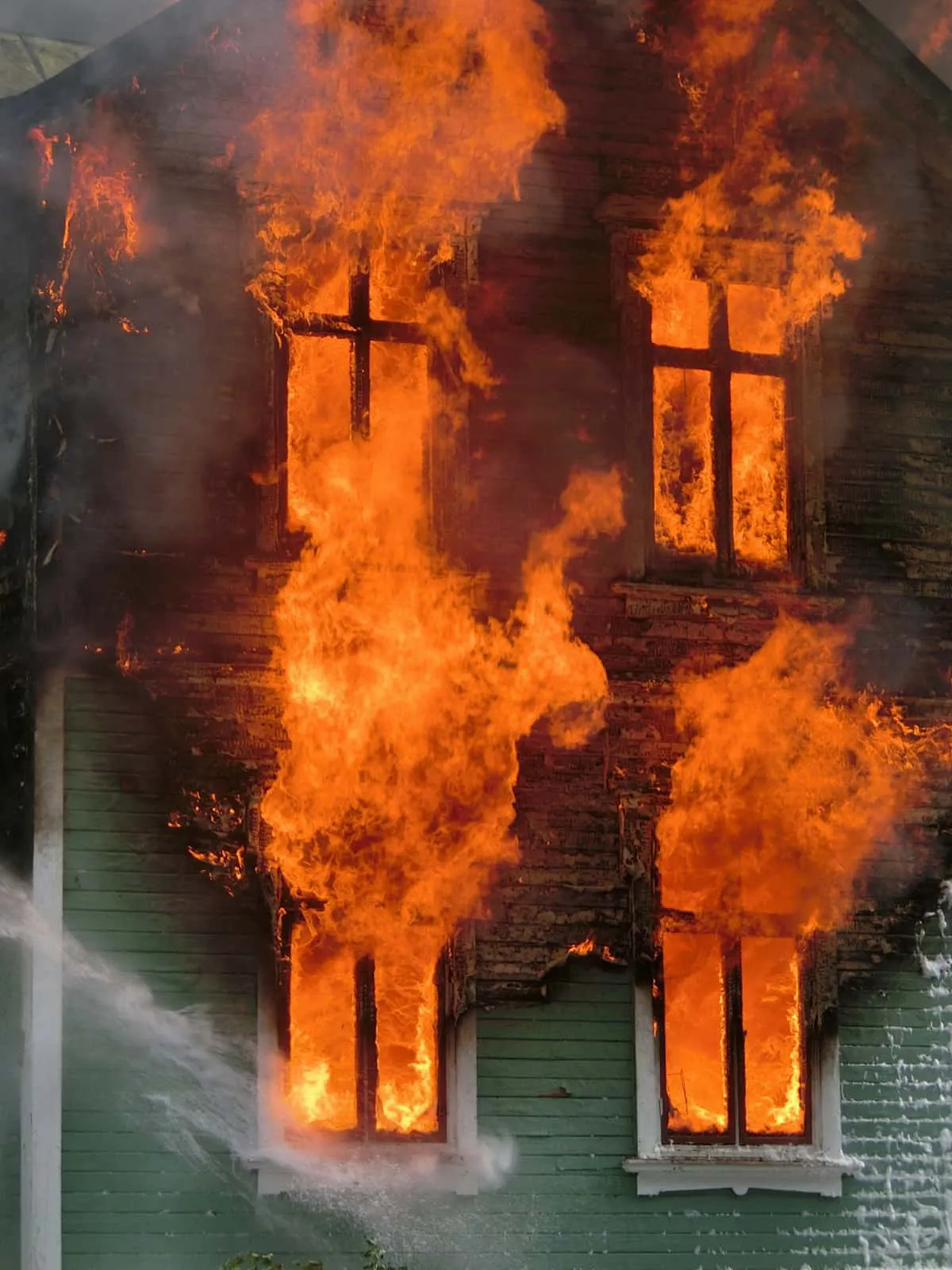
Smart Gas Safety for Modern Homes
Detect gas leaks early. Understand how fire and carbon monoxide risks connect.
Build a simple, reliable home safety setup — even when you’re not home.
Gas leaks often go unnoticed until they become emergencies. This guide helps you understandwhy gas safety matters in everyday homes, how it relates to fire and CO risks, and how smart, connected detectors can help you respond earlier and with confidence.

Why Gas Safety at Home Matters More Than You Think
Gas and fire incidents rarely start with explosions or alarms. They usually begin quietly:
Avazamento lento de gásfrom a stove or dryer connection
A furnace releasingmonóxido de carbonowith no smell or warning
A small kitchen flare-up while you step away for a moment
These aren’t rare accidents — they’recommon household scenarios.
What turns a small issue into a serious incident is time.
If no one is home, asleep, or in another room,early detection becomes the difference between a close call and real damage.
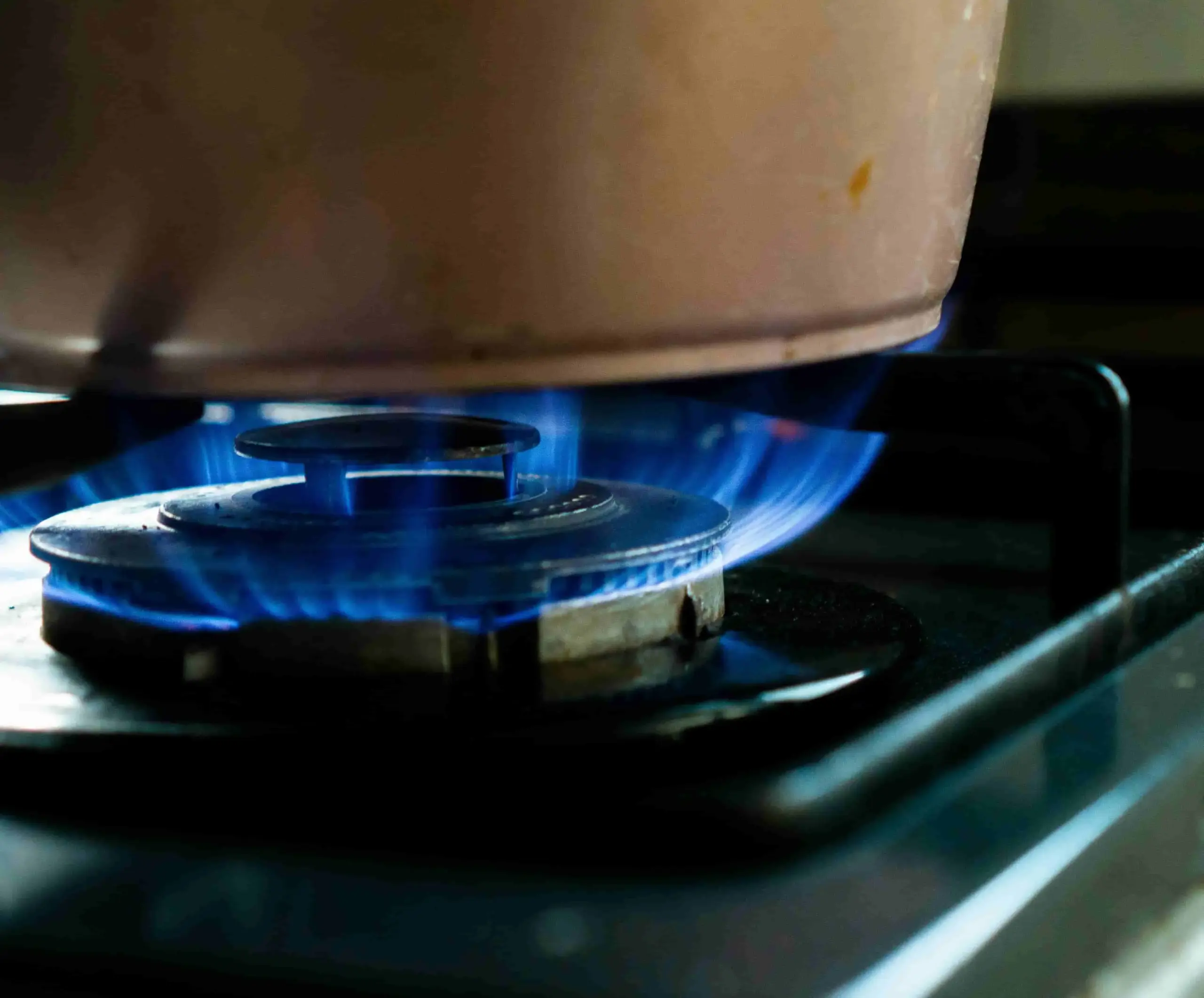
How Gas, Carbon Monoxide, and Fire Risks Are Connected
To protect your home effectively, it helps to understand how these risks relate — and how they differ.
Each risk behaves differently, which is whyno single device covers everything. A practical home setup focuses ongas detection first, with CO and smoke coverage completing the safety picture.
Most Common Household Risk Areas to Watch
Entendimentowhereproblems usually start helps you place protection where it matters.
Cozinha
- Natural gas or propane leaks from stoves or ovens
- Cooking fires from unattended oil or overheating
- Smoke from normal cooking that shouldn’t trigger full alarms
Porão ou lavanderia
- Gas water heaters or boilers producing CO
- Furnaces with improper venting
- Older appliances without modern safety sensors
Quartos e corredores
- Fire risks from space heaters or electrical outlets
- Overnight CO accumulation spreading through the home
Garage (Attached)
- Vehicle exhaust producing carbon monoxide
- Gas-powered tools or heaters creating hazardous fumes
A Practical Smart Gas Safety Setup for Homes
Rather than relying on one device to do everything, most homes benefit from alayered safety approach.
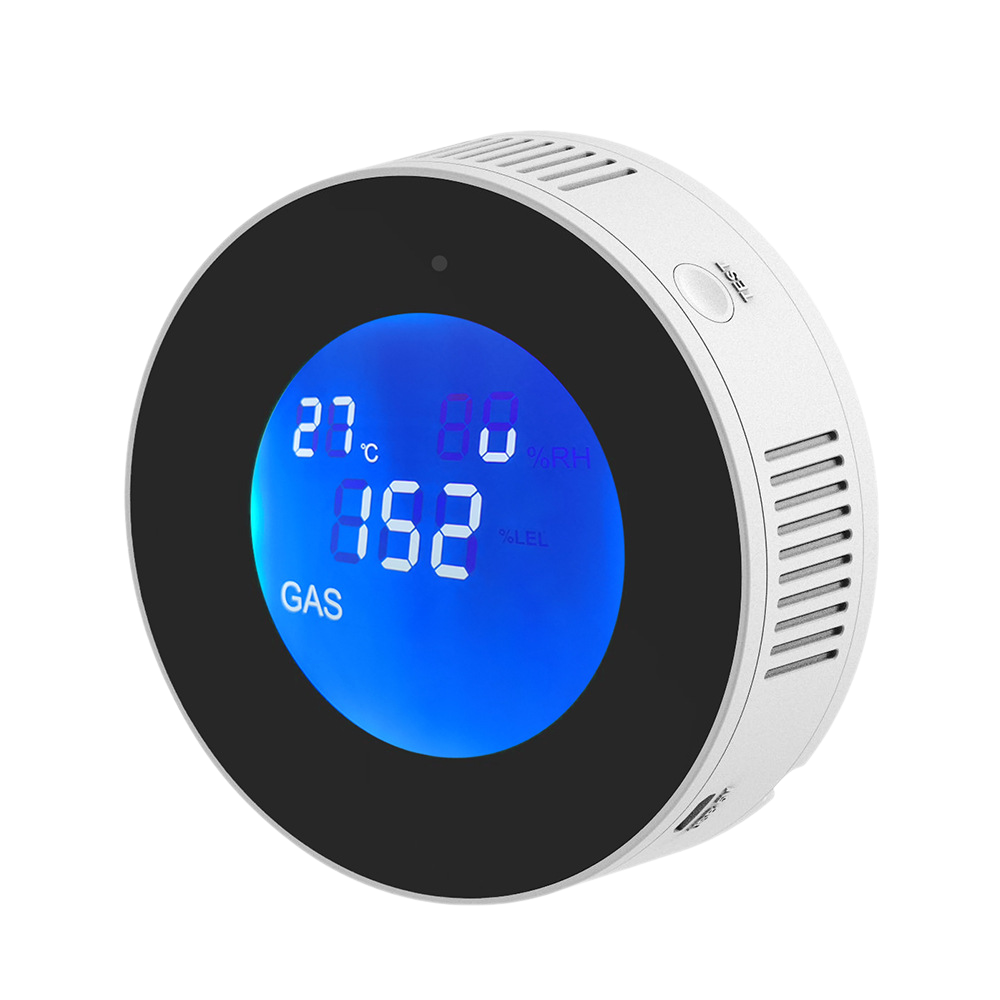
WiFi Gas Leak Detector (Core Protection)
Designed to detect natural gas or propane leaks early — especially in kitchens and near gas appliances.
WiFi connectivity allows alerts to reach youeven when you’re away from home.
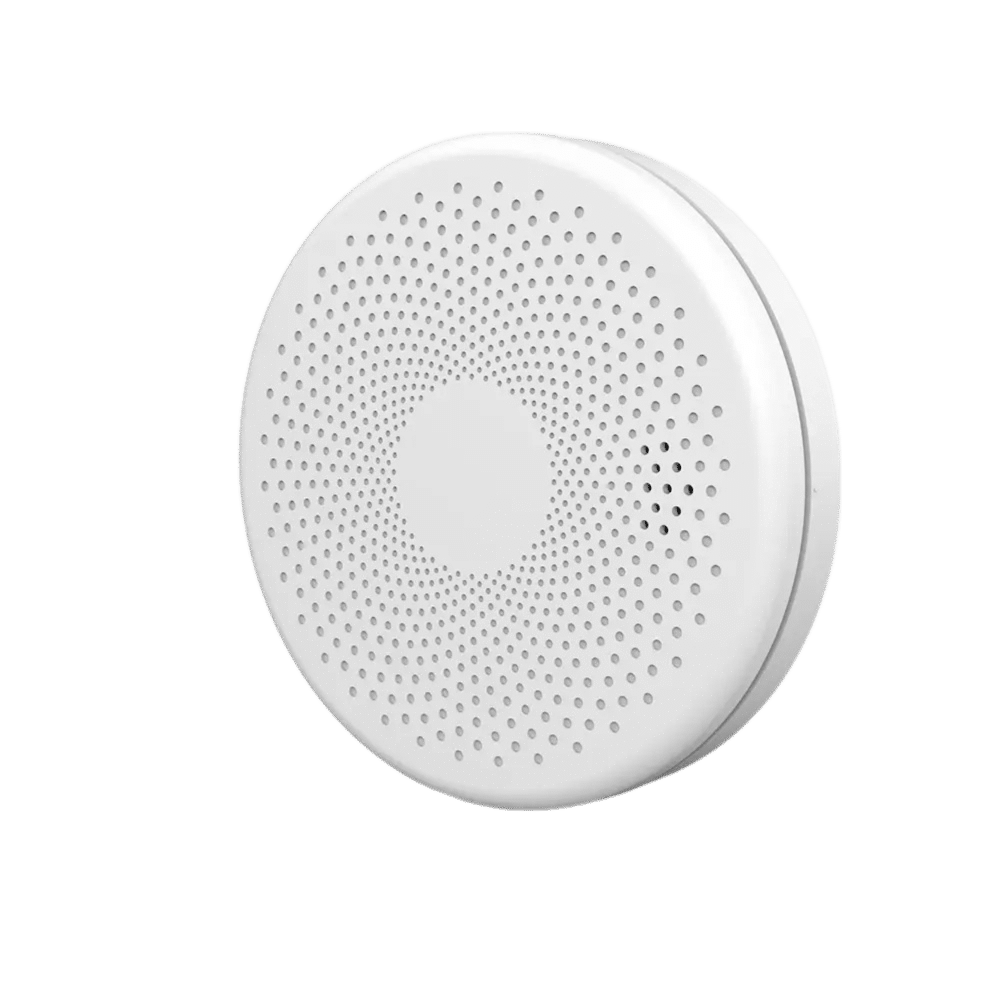
Smoke & Carbon Monoxide Alarm (Essential Coverage)
Provides protection against smoke and CO buildup, especially near bedrooms and shared living areas.
Together, these devices form abalanced home gas safety solution— early detection, broader coverage, and timely alerts.
Where to Place Gas, CO & Smoke Detectors

Correct placement matters as much as the device itself.
Localização
Recommended Protection
Corredores perto dos quartos
Porão ou sala da fornalha
Garagem (se anexa)
Placement tips:
- Instalargas detectors loweron the wall, away from strong airflow
- Instalarsmoke detectors highon ceilings or upper walls
- Avoid placing sensors directly next to vents, windows, or exhaust fans
Gas Safety Decisions Homeowners Often Ask About

WiFi Gas Leak Detector vs Standalone Alarm
Local alarms and WiFi-connected detectors work very differently. Learn thereal-world differences in alerts, response time, and use cases, especially when no one is home.
→Helps you choose the right type of gas detector

Does a CO Alarm Detect Natural Gas?
If you already have a carbon monoxide alarm, do you still need a gas leak detector? Learn the difference between CO alarms and gas detectors, when each is needed, and when one may not be necessary.

How Many Gas Leak Detectors Does a Home Need?
One detector may not always be enough. This guide explainshow to estimate the right number of gas detectorsbased on home size, layout, and gas appliances.
Technical Considerations in Cold or Unheated Environments
Gas detectors are designed for typical indoor residential environments.
In colder regions or unheated spaces, temperature and power conditions may affect electronic behavior such as startup stability or sensor warm-up time.
Understanding these factors helps homeowners choose appropriate installation locations and avoid unnecessary concerns.
Common Questions Homeowners Ask About Gas Safety
Do I really need a gas leak detector at home?
Homes using natural gas or propane — especially for cooking or heating — benefit most from early leak detection.
What’s the difference between gas, CO, and smoke detectors?
Gas detectors sense fuel leaks, CO detectors monitor toxic combustion gases, and smoke alarms respond to fire-related particles. Each serves a different role.
Can gas detectors trigger false alarms?
Improper placement, heavy airflow, or certain fumes may cause alerts. Correct installation greatly reduces this risk.
Is WiFi connectivity worth it?
WiFi alerts are especially valuable if you travel, live alone, or want notifications when no one is home.
Simple Actions That Make a Big Safety Difference
Teste alarmes mensalmente
Replace batteries twice a year
Keep sensors clean and dust-free
Label alarms by location
Keep fire extinguishers accessible in kitchens and garages
How to Start Improving Gas Safety at Home
You don’t need to overhaul everything at once.
STEP 01
Identify gas appliances and high-risk areas
STEP 02
Place CO detectors near sleeping areas
STEP 03
Add a gas leak detector in kitchens or utility rooms
STEP 04
Consider smart alerts if you’re often away
STEP 05
Set reminders for testing and maintenance
Gas Safety Insights & Real-World Scenarios
Explore common questions and real situations homeowners face:

Casa com cheiro de gasolina: é perigoso?
Cheiros de gasolina em ambientes fechados podem ser perigosos. Descubra as possíveis causas.

Que tipo de alarme de gás natural você precisa?
Explore expert comparisons of fixed, smart, and portable detectors to protect your home and loved ones..


Fornecedor de soluções de segurança e eficiência energética residencial
©2025 Todos os direitos reservados. Grus IoT Co.,Ltd.