In U.S. homes, most outlets provide120 volts, while high-power appliances use240 volts.
The fastest way to tell the difference is to checkthe outlet shape, the appliance plug, or the breaker panel.
Quick ways to identify outlet voltage
| Verificar | 120V Outlet | 240V Outlet |
|---|---|---|
| Outlet shape | Two vertical slots + ground | Larger outlet with different slot patterns |
| Plug type | Thin two-prong or three-prong plug | Thick 3- or 4-prong plug |
| Breaker | Disjuntor unipolar | Disjuntor bipolar |
| Typical use | Lamps, TVs, kitchen appliances | Dryers, ovens, EV chargers |
Most homes have dozens of 120V outlets but only a few 240V outlets for heavy-duty equipment.
The sections below explain how to confirm the voltage safely before installing an appliance.
Maneiras rápidas de saber se uma tomada é de 120 V ou 240 V
The easiest way to identify outlet voltage is bylooking at the outlet design and the appliance plug.
Here are the four most reliable checks homeowners use.
1. Observe o formato da saída
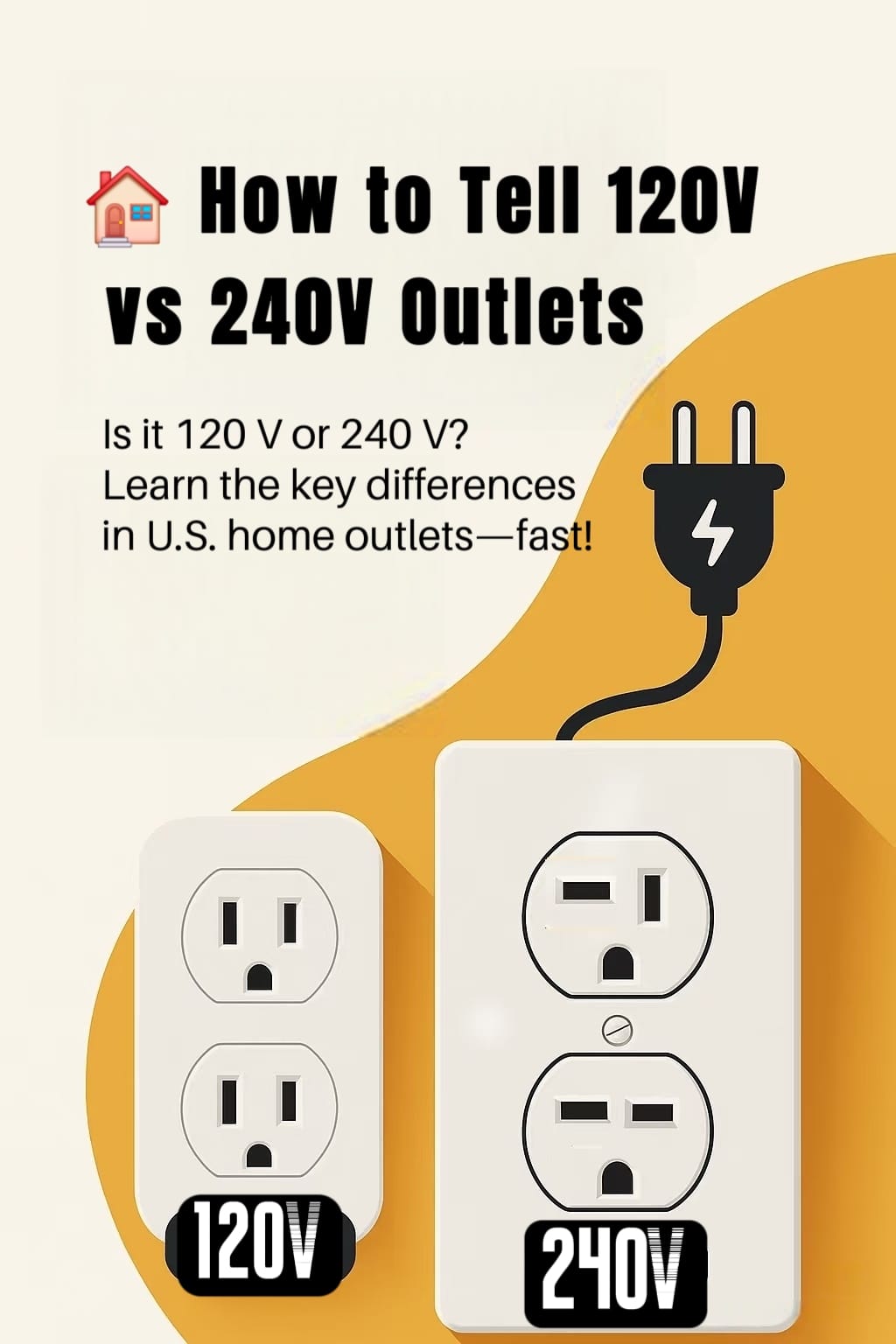
A standardTomada de 120 Vis the familiar wall outlet found throughout bedrooms, living rooms, and kitchens.
It usually has:
• two vertical slots
• one round grounding hole

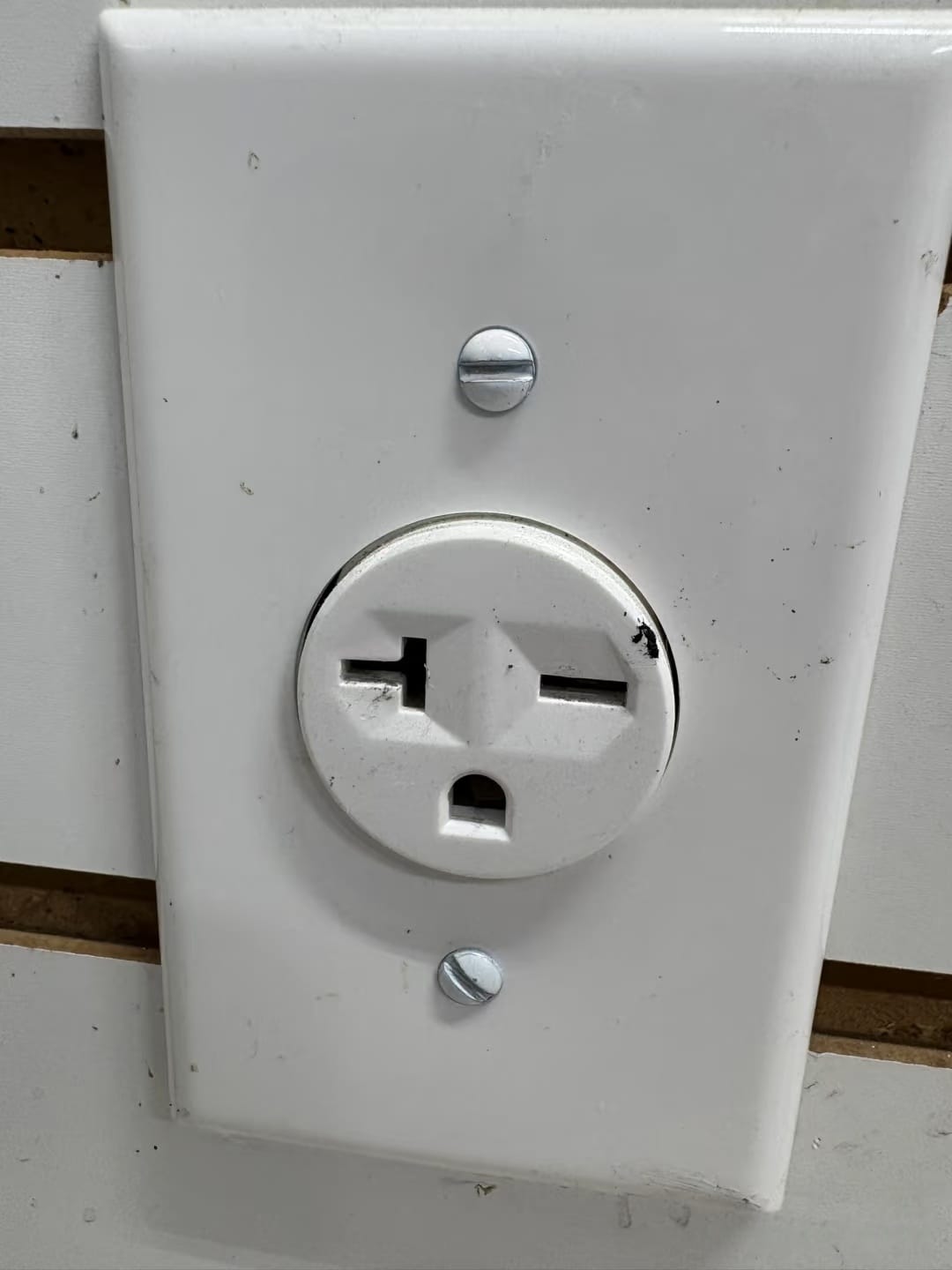
Atomada de 240 Vis usually larger and shaped differently.
Depending on the appliance, it may have:
• aT-shaped slot
•L-shaped openings
•three or four prongs
These outlets are commonly found in laundry rooms, garages, kitchens, or near large appliances.
2. Check the Appliance Plug
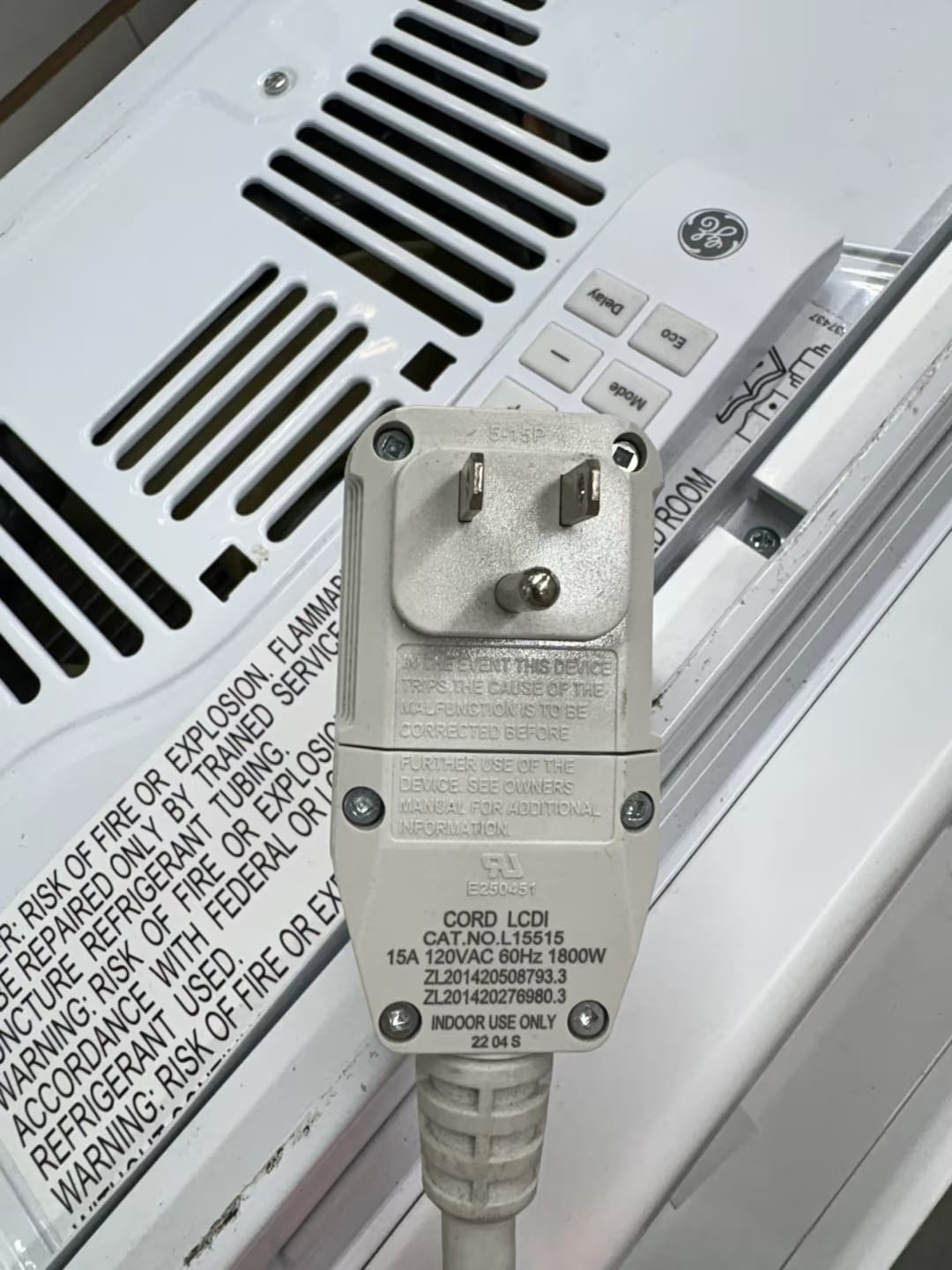
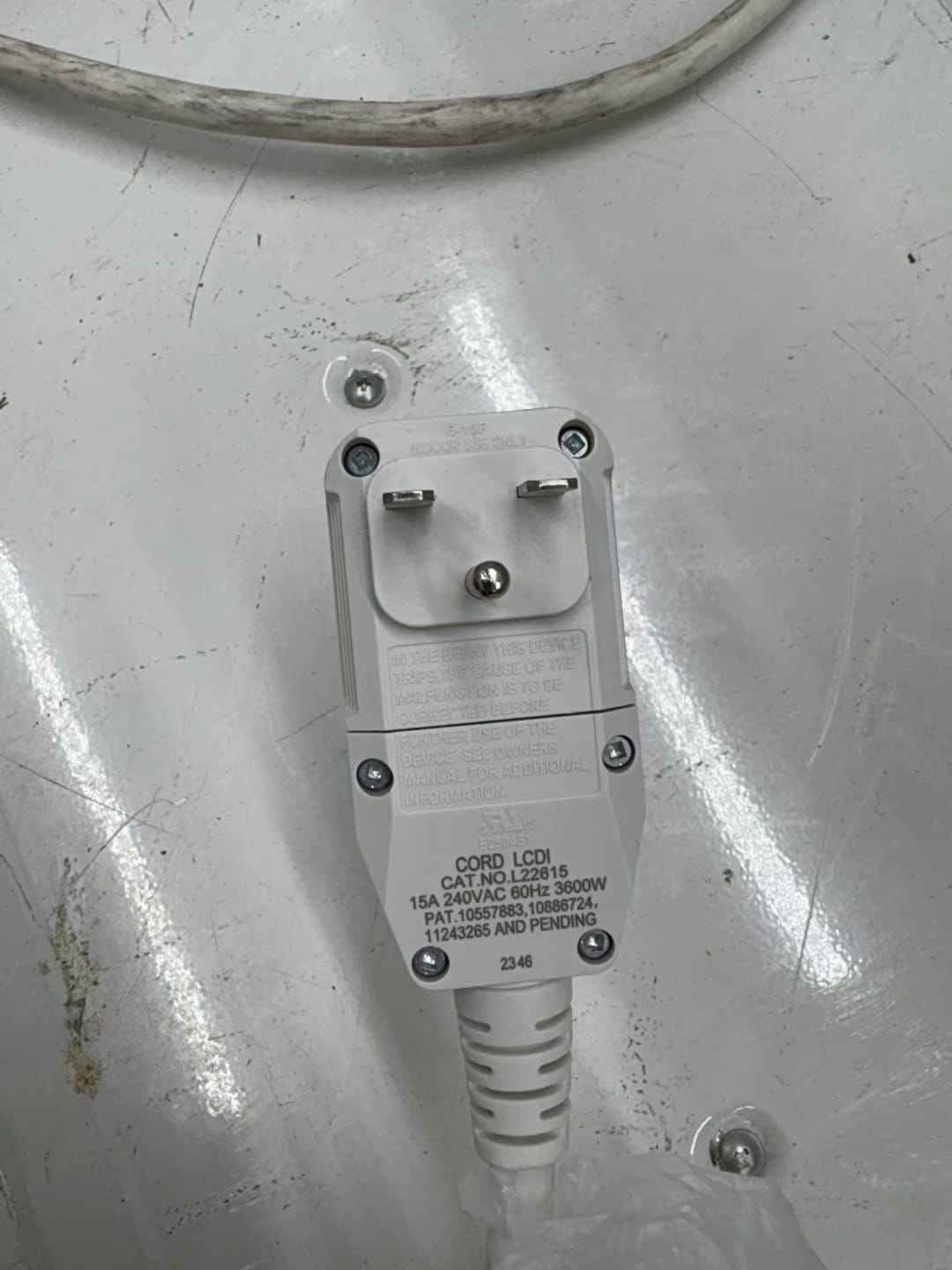
Another quick clue is the plug attached to the appliance.
Small household devices like lamps, TVs, or coffee makers usethin plugs designed for 120V outlets.
High-power appliances such as dryers, ranges, and EV chargers usethicker plugs with three or four prongs.
These plugs are intentionally designed so theycannot fit into a standard 120V outlet, preventing dangerous voltage mismatches.
3. Check the Breaker Panel
If you're still unsure, the breaker panel provides another useful clue.
•Single-pole breaker → 120V circuit
•Double-pole breaker → 240V circuit
Double-pole breakers connect to both hot wires in the home’s split-phase system, allowing the circuit to deliver 240 volts.
These breakers are commonly labeled for appliances like dryers, ranges, or air conditioners.
Safety note:
You can open the panel door and look, but donot remove panel covers or touch wiringunless you are qualified.
4. Test with a Voltage Tester or Multimeter
For a definitive answer, electricians use amultimeter or voltage tester.
A voltage reading of:
•around 120 volts → standard outlet
•around 240 volts → high-voltage outlet
Homeowners who are not comfortable using electrical testers should ask a licensed electrician to confirm the voltage.
Compreendendo o básico: 120 V vs. 240 V em residências nos EUA
Before checking outlet shapes or labels, it helps to understandwhy both voltages exist.
Most U.S. homes use asplit-phase 120/240V electrical system.
That means your house receives two “hot” wires and one neutral from the utility.
Depending on how a circuit is wired, it can deliver either 120 volts or 240 volts.
Circuitos de 120 V
- Use one hot wire and one neutral
- Supply standard wall outlets
- Power everyday devices and small appliances
Circuitos de 240 V
- Use both hot wires together
- Deliver higher power
- Serve heavy-duty equipment
Quick reference:
| Tensão | Eletrodomésticos típicos |
|---|---|
| 120 V | Lâmpadas, TVs, laptops, micro-ondas, cafeteiras |
| 240 V | Secadores elétricos, fornos, aquecedores de água, ar condicionado central, carregadores de veículos elétricos |
Um ponto comum de confusão é a diferença entreTomadas de 110 V e 120 V. In practice, they’re the same thing. People often use the terms interchangeably, but modern household wiring in the U.S. is standardized at 120V. When you see an appliance label that says “110V,” it’s simply designed to work with today’s 120V supply.
Então, pense desta forma:
- 120V = vida cotidiana
- 240 V = potência pesada
Understanding this split is the foundation for recognizing which outlets you’re dealing with in your own home.
Quando você normalmente verá tomadas de 240 V
Se você caminhar por uma casa típica nos EUA, verá dezenas de tomadas de 120 V, mas apenas algumasTomadas de 240 V. That’s because they’re reserved for appliances that need a lot more power than a standard plug can provide.
Aqui estão os lugares mais comuns onde você os encontrará:
- Lavanderias– As secadoras elétricas quase sempre precisam de 240 V. Se você está se perguntando,“Minha secadora precisa de 240 V?”a resposta provavelmente é sim — a menos que seja um modelo compacto ou movido a gasolina.
- Cozinhas– Fornos grandes, cooktops e alguns micro-ondas embutidos exigem 240 V para lidar com elementos de aquecimento.
- Garagens– Os carregadores de veículos elétricos estão se tornando mais populares, e quase todos os carregadores de Nível 2 exigem um circuito de 240 V.
- Áreas externas/utilitárias– Compressores de ar condicionado central, bombas de calor e bombas de poço normalmente funcionam com 240 V.
Dica profissional: observe o painel do disjuntor
If you want further confirmation, your breaker panel can provide clues:
- Disjuntor unipolar→ 120V circuit
- Disjuntor bipolar→ 240V circuit
Double-pole breakers connect to both hot wires in the split-phase system and are commonly labeled for appliances like dryers, ranges, or A/C units.
Safety reminder:
It’s okay to open the panel door and look—but do not remove covers or touch wiring unless you’re qualified.
When in doubt, take a photo and consult a licensed electrician.
É possível converter uma tomada de 120 V para 240 V?
Os proprietários muitas vezes se perguntam:você pode converter 120 V para 240 Vif you don’t already have the right outlet? The short answer is yes—but it’s not as simple as swapping out the receptacle.
Por que não é um trabalho "faça você mesmo"
Um circuito de 240 V requer:
- Dois fios quentesem vez de um
- Adisjuntor bipolarno seu painel
- Calibre de fio correto para lidar com o aumento de carga
That means converting an outlet involves rewiring from the breaker panel and ensuring everything meets code. Attempting this on your own without proper training can result in fire hazards, code violations, or damaged appliances.
Custos típicos
Thecusto para instalar uma tomada de 240 Vvaries depending on how far the outlet is from the electrical panel, whether your panel has room for another breaker, and whether permits are required. On average, homeowners spend:
- $250–$400para uma instalação simples perto do painel
- $500–$1,000+se a nova fiação tiver que ser instalada em vários cômodos ou em uma garagem separada
If you’re planning for a future EV charger, heat pump, or large appliance upgrade, it’s wise to install the 240V outlet sooner rather than later.
Melhores Práticas
Contrate sempre umeletricista licenciado. Not only will the work be safer, but it also ensures your installation passes inspection and complies with theCódigo Elétrico Nacional (NEC).
Why Confirming Voltage Matters Before Installation
Knowing whether an outlet is 120V or 240V isn’t just a technical detail.
It directly affects:
- Appliance compatibility
- Installation safety
- Upgrade planning (EV chargers, heat pumps, electric heating)
- Whether professional work is required
Many installation problems happennot because the appliance is faulty—but because the electrical setup was misunderstood.
Not Sure What Your Setup Supports?
If you’re planning to install or upgrade high-power equipment and aren’t fully confident in your home’s electrical capacity, the next step isn’t buying hardware—it’s understanding your system as a whole.
👉Learn how homeowners plan electrical capacity and appliance upgrades safely:
→ Home Electrical & Energy Planning Guide
Conclusion: Quick Takeaways
120V outlets power everyday devices such as lamps, TVs, and kitchen appliances.
240V outlets are designed for heavy-duty equipment like electric dryers, ovens, EV chargers, and large HVAC systems.
You can usually identify the voltage by checking:
• the outlet shape
• the appliance plug
• the breaker panel
If you're unsure, using a voltage tester or consulting a licensed electrician is the safest way to confirm the circuit.
Taking a few minutes to verify outlet voltage can prevent appliance damage and installation mistakes.
FAQ
Uma tomada padrão pode ser de 120 V e 240 V?
No. They are wired differently and designed with distinct outlet shapes to prevent accidents. A receptacle is always one or the other.
É seguro testar com um multímetro?
Sim, mas apenas se você tiver experiência. Uma abordagem sem contatotestador de voltagem para tomadas residenciaisé mais seguro para iniciantes. Em caso de dúvida, deixe para um eletricista.
Os plugues inteligentes informam a voltagem?
Most smart plugs don’t measure voltage directly. They can show energy usage for 120V devices, but for full-circuit monitoring—includingAparelhos de 240 V—você precisará de um monitor de energia inteligente.
O que acontece se você conectar 120 V em 240 V?
Pode destruir o dispositivo instantaneamente. É por isso queSegurança de tomada 120V 240Vimporta muito — os plugues e as tomadas dos eletrodomésticos são projetados propositalmente para não se encaixarem.
Minha secadora precisa de 240 V?
Most full-size electric dryers in the U.S. do require 240V. Compact dryers and gas dryers may only use 120V, so always check the label before buying or installing.