Identify That Smell: Gas Smell Safety Guide & Risk Levels
If you notice a strange smell at home, your next step depends on what it smells like, where it’s strongest, and how intense it is. This guide helps you quickly assess the risk level and choose the safest action—then jump to a detailed guide for your specific smell.
Do this first (if you suspect a gas leak)
• If the smell is strong, worsening, or you feel unsafe, leave the area and contact your gas utility or emergency services.
• Avoid flames/sparks. Don’t try to “test” the smell with lighters or switches.
• Ventilate only if it’s safe to do so and you can do it quickly on the way out.
Gasoline / Chemical Smell (Variable)
Common in garages/basements; sometimes not gas at all
Sweet Smell (Variable)
Can point to refrigerant/chemical sources near HVAC.
What does a gas leak smell like?
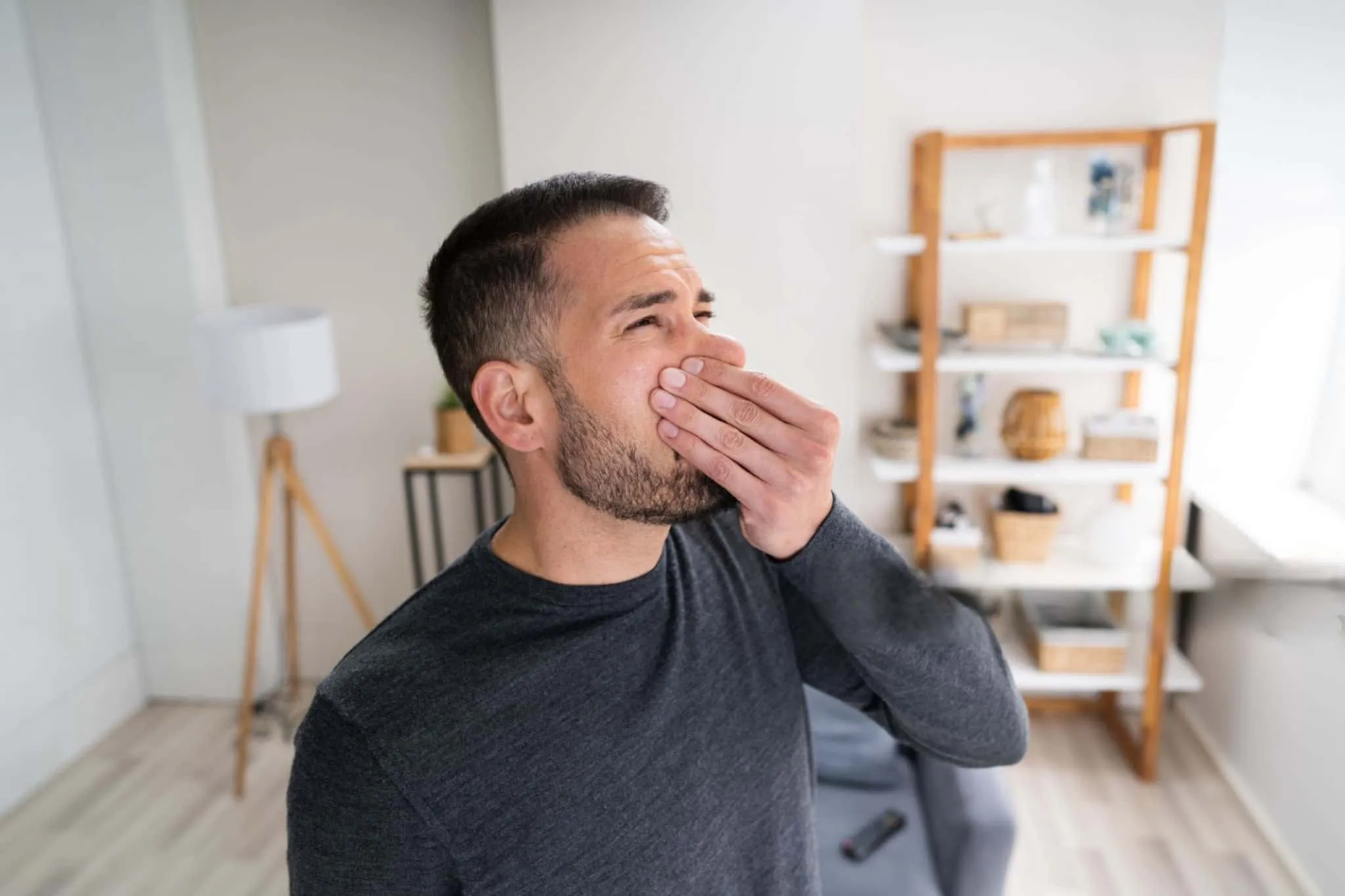

What to do if you smell gas in your house
Quick Identification Chart: Smell → Risk Level → Safest Next Step
Smell Type | Smells Like | Most Common Causes | مستوى المخاطر | Where It’s Strongest | What to Do Now | Read the Full Guide |
|---|---|---|---|---|---|---|
Rotten Egg | sulfur, “rotten eggs” | natural gas odorant (possible leak) | عالي | near gas stove, water heater, furnace area | If strong or worsening, leave and contact your gas utility/emergency services. Avoid flames/sparks. | |
الكبريت | sulfur, sewage-like | gas odorant OR sewer gas | Medium–High | near drains/bathrooms OR near gas appliances | Check where it’s strongest (drain vs appliance). If strong near gas appliances, treat as urgent and contact your utility. | |
Gasoline / Chemical | fuel, solvent, paint thinner | stored fuel, solvents, paint/adhesives, garage sources; sometimes HVAC/ventilation | Variable | garage, basement, storage, near chemicals | Check where it’s strongest (drain vs appliance). If strong near gas appliances, treat as urgent and contact your utility. | |
Sweet | sweet/chemical, “coolant-like” | refrigerant leak, HVAC-related chemical odors, other household chemicals | Variable | near vents, HVAC closet, AC unit area | Ventilate if safe. Avoid prolonged exposure. Consider HVAC inspection if persistent. |
Two Quick Clues: Where is the smell strongest?
Near a gas appliance (stove, water heater, furnace)
Guides by Smell Type
Rotten Egg Smell (High Risk)
A rotten-egg or sulfur-like odor indoors is often treated as higher risk because it can be associated with natural gas odorant.
The fastest clue is location: if it’s strongest near a gas stove, water heater, or furnace area, treat it as urgent.
If you feel unsafe or the smell is strong/worsening, leave and contact your gas utility or emergency services.
Sulfur Smell (Medium–High)
“Sulfur” odors can overlap between gas odorant and sewer gas, so where it’s strongest matters most.
If the smell concentrates near drains, bathrooms, or floor drains, sewer sources are more likely; if it concentrates near gas appliances, treat it as higher urgency.
If the odor is intense, persistent, or causes symptoms, prioritize safety and escalate.
Gasoline / Chemical Smell (Variable)
Gasoline-like or solvent odors indoors often come from garages, basements, stored fuel, paint, adhesives, or cleaning chemicals—not always natural gas.
Focus on the strongest location and recent household activities (storage, painting, equipment).
Reduce exposure, ventilate if safe, and remove obvious sources. If the smell persists, spreads, or causes symptoms, consider professional inspection.
Sweet Smell (Variable)
A sweet or “coolant-like” smell is often discussed around HVAC/refrigerant issues, especially if it’s strongest near vents, an HVAC closet, or when heating/cooling runs.
Because some household chemicals can also smell sweet, timing and location are key clues.
Avoid prolonged exposure and consider an HVAC check if it persists or intensifies.
When smells are hard to identify
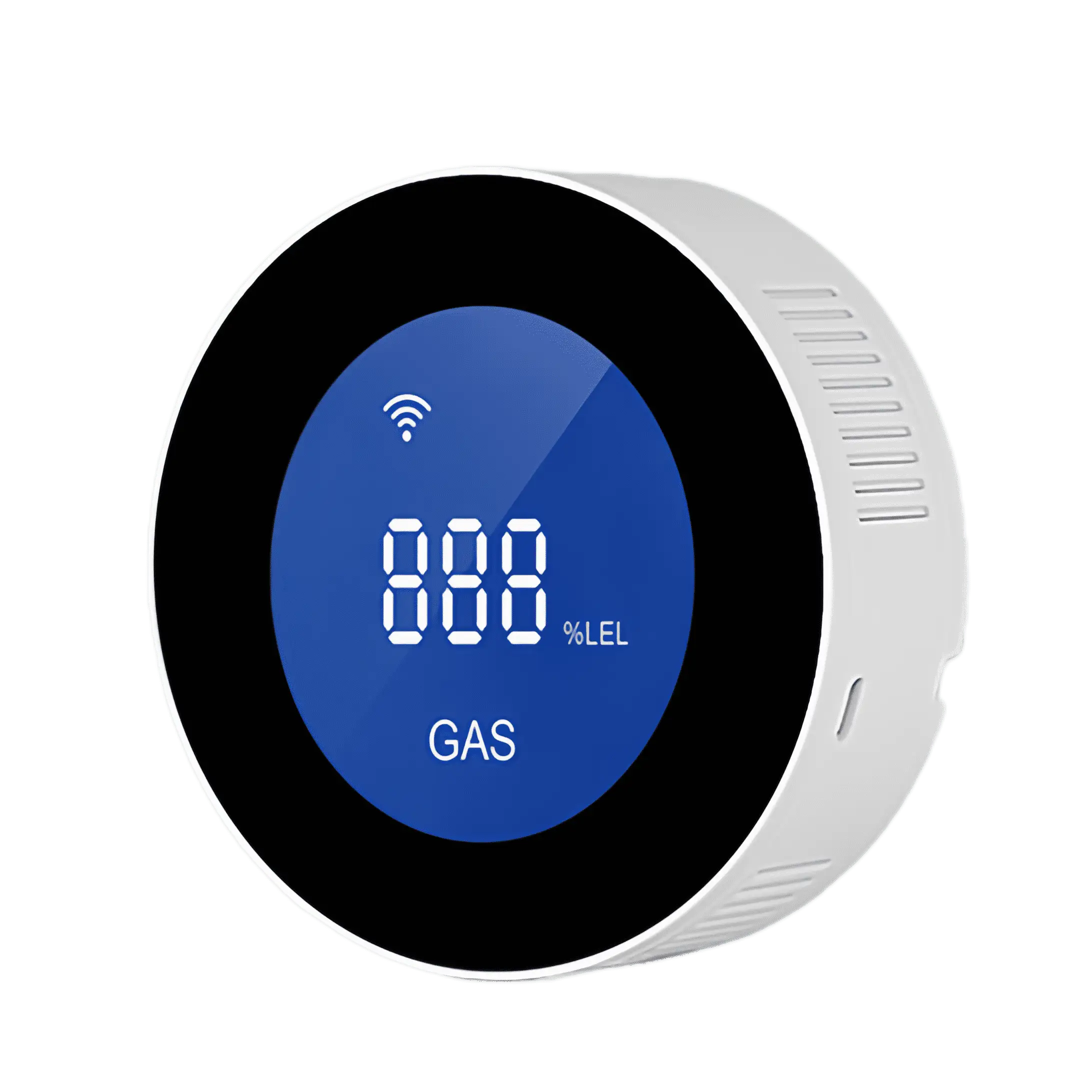
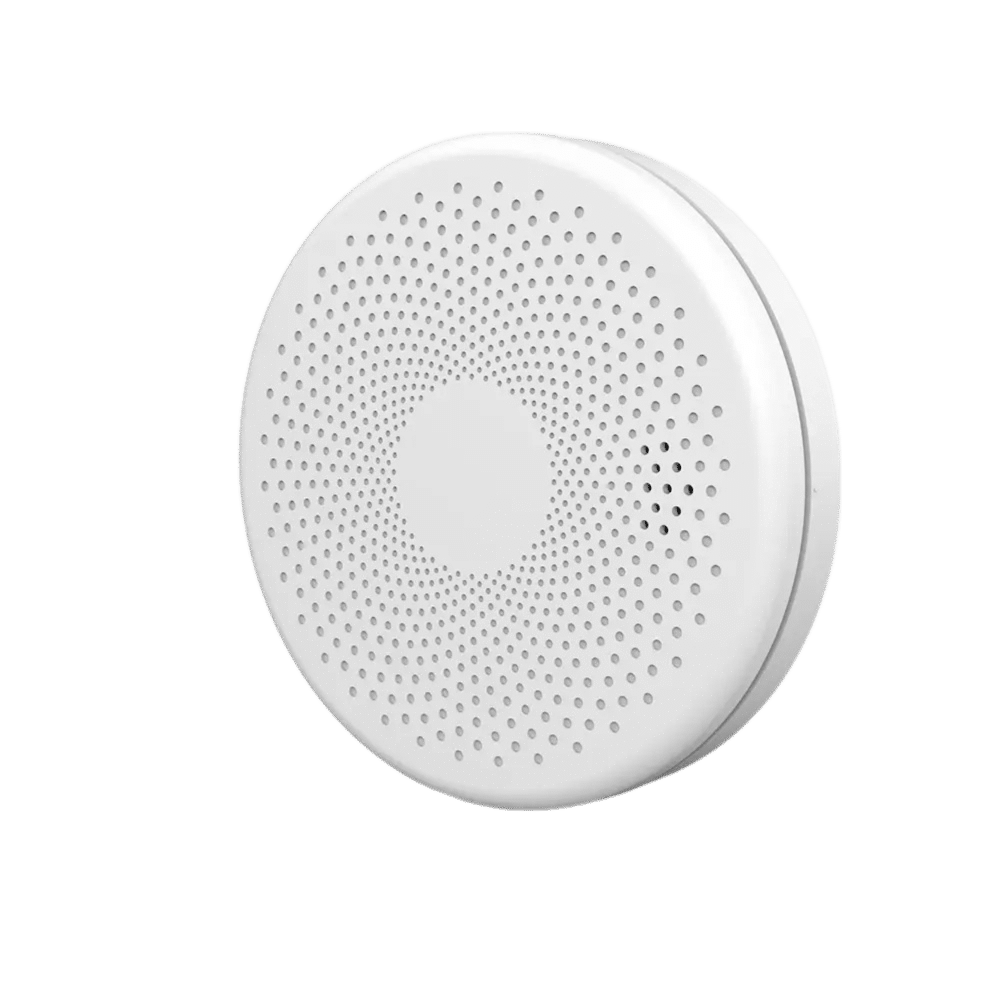
Smells can come and go, and it isn’t always easy to pinpoint the source. If you want an added layer of awareness near key gas appliances, many homeowners use a plug-in gas detector to provide an on-site alarm and optional app alerts when abnormal gas levels are detected.
FAQ
Can sewer gas smell like rotten eggs or sulfur?
Yes. Sewer-related odors are commonly strongest near drains or rarely used bathrooms. Location and persistence are key clues.
DO YOU CHARGE ESTIMATES?
Ventilation, temperature changes, appliance cycles, and dry drain traps can all make odors intermittent. Recurring smells still deserve attention.
ARE YOUR ELECTRICIANS LICENSED?
Place it near key gas appliances and in areas where a leak would be most concerning (such as kitchens or utility spaces). Follow the manufacturer’s placement guidance for the specific device.
WHAT PAYMENT METHODS DO YOU ACCEPT?
Some people report headaches, nausea, or dizziness around strong odors. If you suspect a leak or feel unsafe, prioritize leaving the area and contacting your gas utility or emergency services.
Still have questions?
We’re Just a Message Away

مزود حلول كفاءة الطاقة والأمن المنزلي
©2025 جميع الحقوق محفوظة. Grus IoT المحدودة.